

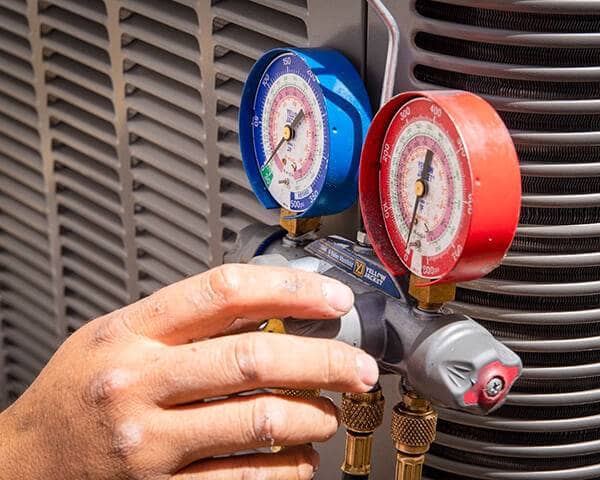
Short answer: Learn HVAC maintenance tips for Lennox XP20 troubleshooting in Summerlin so you can perform five quick, safe fixes to avoid service calls now.
Key Takeaways
- Check power, thermostat, and filter first.
- Clear debris and note LED blink patterns.
- Do not handle refrigerant or exposed wiring.
Yes. Many Lennox XP20 issues can be checked before calling a tech. Start with power, filter, and thermostat checks. Look for debris, LED codes, or ice on lines. Safety first. Turn power off before touching wires or panels to avoid shock and damage to the unit. (ASHRAE Technical Resources)
Can you troubleshoot the XP20 before calling a tech?
Many homeowners can run basic checks on a Lennox XP20 safely. Start with non-electrical tasks like checking filters and clearing debris. Also verify thermostat settings and check the outdoor disconnect switch. These steps often find common airflow and power issues that cause poor cooling.
Advanced faults need licensed help. The XP20 uses inverter electronics and sensors that require tools and training. If you see burning smells, repeated trip codes, or refrigerant leaks, stop and call a pro. These faults can harm the compressor and void warranties if handled incorrectly.
Where is the main power disconnect?
The outdoor condenser usually has a disconnect box on the nearby wall. It may be a pull-out fuse or a simple switch in a metal enclosure. Turn this off before opening panels and always verify power is off with a non-contact tester to stay safe.
Indoors, the air handler or furnace has its breaker or a service switch. A labeled panel makes it fast to find. If the breaker is unclear or shows signs of heat or charring, do not proceed. Call a licensed technician or electrician for help.
How do I check the thermostat setup?
Begin by checking the thermostat mode, temperature set point, and fan setting. The XP20 works best set to COOL with the fan on AUTO. Look for active schedules, temporary holds, or vacation modes that might stop normal cooling cycles. (ASHRAE Technical Resources)
Next, inspect thermostat wiring and batteries if applicable. Loose wires cause intermittent signals that mimic control faults. If the thermostat behaves oddly after a reset, it may need reprogramming or replacement by a technician to ensure compatibility.
Could a tripped breaker cause slow cooling?
Yes. A breaker that is weak or partly tripped can reduce power to the compressor or fan. The unit may run but with low efficiency and long run times. Check the breaker position and look for signs of overheating or discoloration at the panel.
Repeated breaker trips mean a deeper electrical issue. Do not keep resetting the breaker without diagnosis. Call a licensed HVAC electrician or hvac technician to test load, connections. The compressor start demands to find the real cause.
What quick fixes save a service call?
Certain fixes often restore normal cooling fast. Replace a dirty filter, reset the thermostat, and clear grass and leaves from the condenser. A clean filter and clear condenser can cut run time and restore proper temperature quickly. These tasks are safe for most homeowners.
Other problems need tools and training. Do not touch capacitors, refrigerant lines, or internal wiring. If quick steps do not solve the issue or if you see persistent codes, schedule a professional visit. Trying advanced repairs could worsen the problem.
Is the air filter restricting airflow?
A clogged filter is a top cause of poor cooling and frozen coils. Check filters every one to three months during heavy use. Replace disposable filters or clean reusable ones. Proper airflow reduces run times and helps the system reach set points.
If replacing the filter does not help, inspect ductwork and returns for closed vents or blockages. Low airflow across the evaporator can mimic refrigerant problems. A technician can measure static pressure and suggest duct fixes if needed.
How to inspect condenser coil for debris?
Turn off power to the outdoor unit before inspecting the coil. Remove leaves, grass, and pet hair from between fins using a soft brush or low-pressure rinse. Surface dirt reduces heat transfer and forces longer run times.
If the fins are bent, a fin comb can restore airflow carefully. Heavy grime may need a professional cleaning. Avoid high-pressure washing that can damage fins or the coil. Regular light cleaning keeps efficiency high.
What do XP20 LED patterns mean?
The XP20 control board uses LED lights to show status and faults. A steady green usually means normal operation. Blink sequences map to specific faults like sensor issues, communication loss, or pressure problems. Note blink counts and colors. (ASHRAE Technical Resources)
Photograph or write down LED patterns before power cycling. That record helps a technician target diagnostics faster. If codes repeat after a reset, record the time and conditions to aid service work and reduce diagnosis time.
How to interpret XP20 diagnostics?
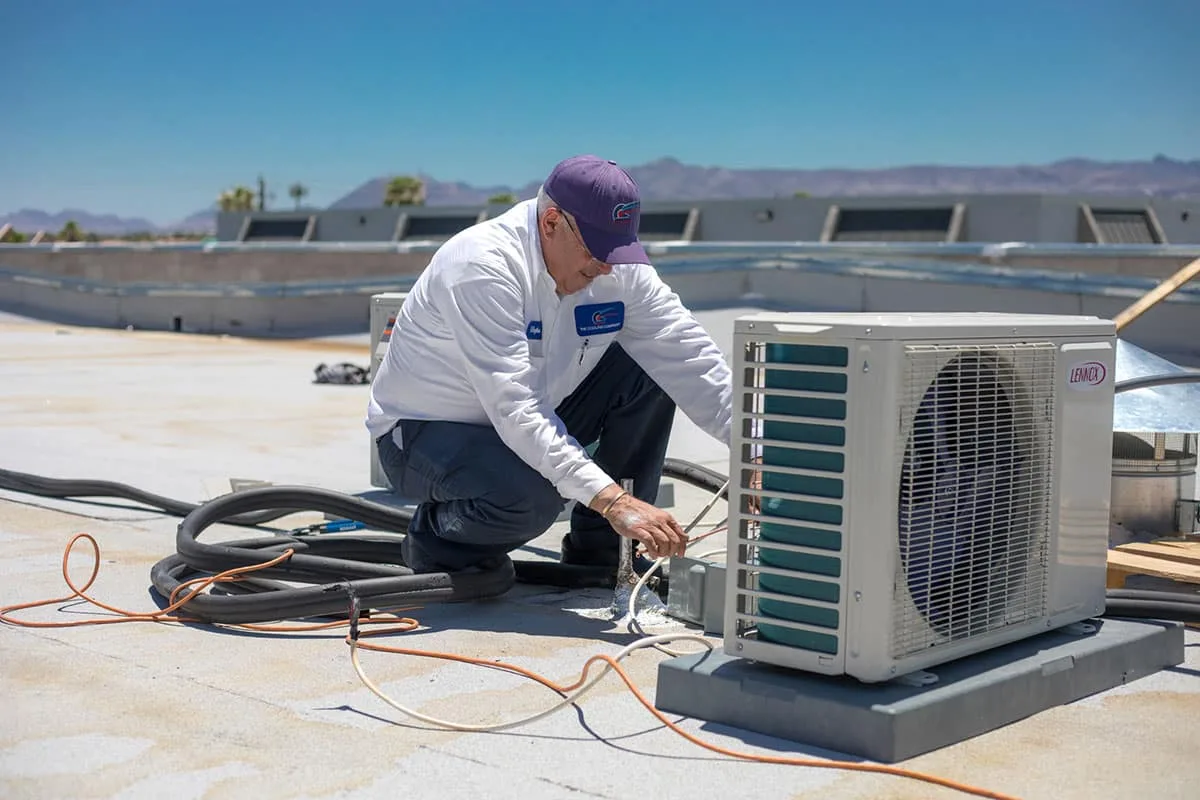
The XP20 logs errors at the thermostat and on the control board. Start by recording visible LED patterns and any thermostat error messages. Those clues focus troubleshooting on controls, sensors, or refrigerant circuits.
Technicians use the logs plus field checks to confirm faults. Provide times, ambient temperatures, and any noises you heard. Good notes often mean the service call is shorter and cheaper because the tech arrives with the right tools and parts.
How to read error codes on Lennox XP20?
Codes appear as numbers at the thermostat or as LED blink patterns on the outdoor board. The service manual links each code to troubleshooting steps. Photograph the code and the blink pattern to share with your technician.
After recording a code, do basic checks like power, filter, and thermostat wiring. Do not open electrical panels or touch refrigerant lines to chase codes. Let the technician run gauges and electrical tests when needed.
Can low refrigerant mimic sensor faults on XP20?
Yes. Low refrigerant shows as poor cooling, ice on the coil, and odd pressure readings. The control system may log sensor or low-pressure faults that look like electrical problems. This can mislead quick fixes if not checked correctly.
A technician checks pressures and temperatures together to separate sensor failures from charge issues. Only EPA-certified techs should handle refrigerant tools and repairs. Shutting the system off when you suspect a leak can prevent compressor damage.
When is a capacitor fault likely?
Capacitors help start and run the compressor and fans. Signs of a bad capacitor include humming, slow motor spin, or no start at all. Short runs and repeated resets also point to failing capacitors.
Capacitors store energy even with power off and can shock you. Do not touch them. A trained technician will test capacitance and replace parts safely. Timely replacement avoids motor and compressor failures.
Which quick checks are safest to try?
Safe checks avoid live wiring and refrigerant. Change filters, clear debris from the condenser area, and check thermostat settings and batteries. These tasks are low risk and catch common causes of reduced cooling performance. (ASHRAE Technical Resources)
If a check requires a multimeter, gauge set, or panel opening, stop and call a pro. Licensed techs carry proper tools and safety gear. Simple homeowner checks still solve many issues before a service visit is needed.
How to shut off power safely?
Find the outdoor disconnect and switch it to OFF before touching the condenser. Inside, turn off the air handler breaker or service switch. Verify power is off with a non-contact tester before opening panels or touching parts.
If you cannot find the correct breaker or if breakers show damage, avoid guessing. Shut off the main breaker and call a licensed electrician or HVAC tech. Safety matters more than quick fixes when wiring looks suspect.
Can you swap a dirty filter yourself?
Yes. Replacing a disposable filter is a simple and safe task. Turn the system off, slide out the old filter, and note size and airflow direction. Insert a correct replacement and restart the system to check airflow.
Reusable filters need cleaning and full drying before reuse. Do not run the system with a wet filter. When filter slots are hard to access, or if the filter rack is damaged, a service call may be the smart choice.
What tools are useful for basic checks?
A flashlight, soft brush, and garden hose on low pressure help remove debris from the condenser. A screwdriver opens simple service panels safely. A non-contact voltage tester confirms power is off without live contact.
Avoid using HVAC-specific tools like refrigerant gauges or capacitor discharge devices unless trained. Those tools need skill. Stick to cleaning and visual checks and call a technician for electrical or refrigerant work.
Why does Summerlin climate make XP20 run harder?
Summerlin sees long stretches of high outdoor temperatures that increase cooling load. The XP20 must reject more heat on hot days and runs longer as a result. Long run times raise energy use and add wear to components over time.
Dry desert air and hot attics also change system behavior. Poor duct insulation or long runs through attic space increase loads. Improving insulation and keeping ducts sealed helps reduce run times and keeps the XP20 working within design limits.
How does high heat affect variable compressors?
Variable compressors match output to the load but still operate harder in extreme heat. They run near full capacity for longer periods and can stress electronics and mechanical parts. Proper maintenance helps them perform reliably under load. (ASHRAE Technical Resources)
A variable compressor smooths temperature swings better than single-speed units. Even so, high outdoor temps reduce efficiency. Clean coils, correct refrigerant charge, and tight electrical connections let the compressor run correctly and last longer.
Are airflow restrictions common in desert homes?
Airflow problems often show up in homes with ducts passing through hot, dusty attics. Dust builds up in returns and vents. Closed registers and blocked returns add to the restriction and force the unit to work harder.
Inspect vents, returns, and duct insulation for blockages and poor seals. Improving return air paths and sealing ducts can boost airflow greatly. Better airflow reduces run times and improves comfort during peak heat.
Could incorrect installation worsen performance?
Yes. Wrong refrigerant charge, poor airflow design, or bad electrical connections all degrade performance. An improperly sized or installed system will run longer, cost more to operate, and fail sooner than a correct installation.
If installation seems suspect, have a licensed Lennox dealer inspect the system. Some problems show clearly under hot conditions. Proper installation and setup are as important as regular maintenance for long-term reliability.
Ready to schedule a local Lennox XP20 inspection?
If quick checks do not restore cooling, schedule a professional inspection that tests electricals, pressures, and controls. A trained Lennox technician will verify installation, check the refrigerant charge. Recommend repairs or efficiency upgrades tailored to Summerlin heat. See lennox heat pump models for model comparisons and specs when considering upgrades.
For a full breakdown of common Lennox AC problems and what repairs typically cost in the Las Vegas area, see our Lennox AC repair guide for Las Vegas.
Ask for a full diagnostic printout and a clear repair estimate. That documentation helps with warranty claims and decision making. If your system is under warranty, a licensed tech will follow manufacturer steps to keep coverage intact and avoid voiding terms.
How to find certified Lennox techs in Summerlin?
Look for Lennox dealers and NATE-certified techs when you seek service. Check local reviews and ask about Lennox-specific training. A certified tech follows factory procedures and uses correct parts for XP20 systems. If you're considering the field, read hvac careers for more background on training and job paths.
If you are in Las Vegas, Henderson, or North Las Vegas, call The Cooling Company at (702) 567-0707. Our NATE-certified technicians know Summerlin climate and XP20 specifics. We document diagnostics and explain repair options in clear language to help you decide.
What should you ask before booking service?
Ask if the tech is NATE-certified and Lennox-trained. Request a written estimate that lists parts, labor, and warranty status. Ask whether diagnostic time is charged and whether the quote covers needed tests like pressure checks and amp draw measurements.
If you are outside our service area, ask local providers for NATE certification and brand training. For Las Vegas area service, call The Cooling Company at (702) 567-0707. We serve Las Vegas, Henderson, and North Las Vegas and offer seasonal tune-ups and emergency repairs.
Call to action
Las Vegas area readers: schedule Lennox XP20 inspection and repairs with The Cooling Company. Call (702) 567-0707 now to book a Spring tune-up or emergency visit. Our technicians serve Las Vegas, Henderson. North Las Vegas and carry Lennox training and NATE certification to protect your warranty and comfort.
Out-of-area readers: ask local technicians for NATE certification and Lennox training. A certified tech will follow factory procedures and use proper tools. If you are local, call The Cooling Company at (702) 567-0707 for fast, clear, and professional Lennox XP20 service.
About The Cooling Company
The Cooling Company has been serving the Las Vegas valley with professional HVAC services for over a decade. Our team of licensed, NATE-certified technicians specializes in air conditioning repair, heating system maintenance, and complete HVAC installations. We're committed to providing honest, reliable service with upfront pricing and a 100% satisfaction guarantee on all work performed.
- Phone: (702) 567-0707
- Reviews: 4.9/5 stars (500 reviews) - See reviews
Service Areas
We proudly serve homeowners and businesses throughout the Las Vegas metropolitan area, including Las Vegas, Henderson, and North Las Vegas. Our service technicians are available for same-day appointments in most areas, with emergency service available 24/7 for urgent HVAC issues.
Need HVAC Service in Las Vegas?
The Cooling Company provides expert HVAC service throughout Las Vegas, Henderson, and North Las Vegas. Our licensed technicians deliver honest assessments, upfront pricing, and reliable results.
Call (702) 567-0707 or visit HVAC services, HVAC maintenance, heating, or AC repair for details.