

Short answer: Discover HVAC maintenance tips and Lennox XP25 installed costs in Las Vegas, with 5 price ranges ($7,500–$14,000) and saving tips to budget smarter.
Key Takeaways
- Use a room-by-room Manual J load calculation (not a square-foot rule).
- Select equipment with Manual S and verify ducts with Manual D for comfort and efficiency.
- Avoid oversizing: short-cycling wastes fuel and can create uneven temperatures.
Installed Lennox XP25 heat pumps in Las Vegas usually cost between $7,500 and $14,000. Final price depends on unit size, duct work, electrical upgrades, permits, and installer labor. Proper sizing, local rebates, and quality startup testing can lower lifetime costs and improve performance for many homeowners. See the Department of Energy for general heat pump guidance: [Energy gov.
Learn about available federal tax credits for energy-efficient HVAC equipment.
What does an XP25 cost to buy and install?
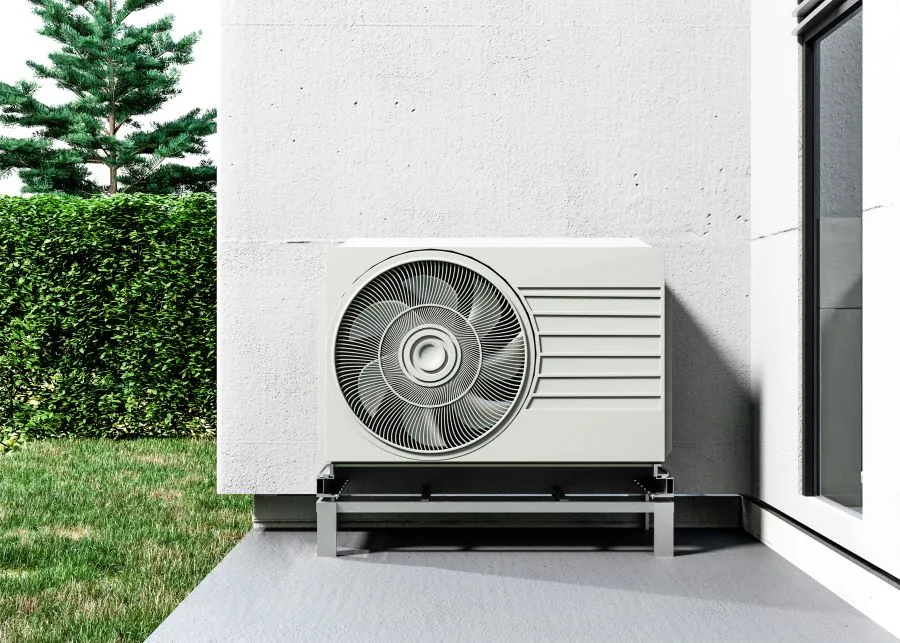
Installed XP25 systems include the outdoor heat pump, the matched indoor air handler or coil, labor, and materials. Pricing depends on the capacity chosen, the condition of existing ducts, and extra scope items such as a new thermostat or electrical work. Contractors may add permit fees and commissioning time. Budget for extra parts like a line set, safety switches, and a condensate solution.
Variable-capacity units like the XP25 cost more up front than basic single-stage systems. The XP25 uses inverter technology and advanced controls that reduce energy use at part-load but add to equipment cost. Still, over the life of the system, the better technology can cut utility bills. To evaluate value, compare annual energy savings to the extra initial cost using your local electric rate and recent bills.
How much does the Lennox XP25 unit cost?
An XP25 outdoor unit alone typically costs between $3,500 and $6,500 before labor. The price varies by tonnage: smaller tonnages cost less, larger tonnages and higher SEER/HSPF configurations cost more. Dealer markups, seasonal demand, and supply constraints can push price above the listed range. Some dealers sell the outdoor unit only; most sell matched packages that include the indoor coil or air handler and a thermostat.
Ask contractors for an equipment breakout that lists model numbers and prices separate from labor. That makes it easier to compare bids and spot dealer add-ons. Also ask if the price includes factory warranty registration and startup checks. A low equipment price with no startup or no warranty support may not be a true bargain.
What are typical installed cost ranges in Las Vegas?
A straight swap with good ducting and no major electrical work usually lands around $7,500 to $9,500 installed. This assumes a like-for-like tonnage change and no need for a new air handler or panel upgrades. If the installer must repair ducts or add a short run of new ducting, expect $9,500 to $12,000.
Full replacements with new ducts or electrical panel work commonly reach $12,000 to $14,000 or more. Jobs that require trenching for line sets, adding a new condenser pad, or extensive structural access add cost. Local labor rates, permit fees, and available installer schedules also change the final cost. Ask about timing and whether testing and commissioning are included in the quoted price.
How do SEER and HSPF affect price?
Higher SEER and HSPF ratings generally increase the sticker price. The XP25 is a premium, high-efficiency model, so it costs more than basic heat pumps. Manufacturers charge more for inverter compressors, better coils, and tighter manufacturing tolerances. That higher cost is meant to pay back in lower energy use over time.
When comparing units, request estimated annual kWh use from each bidder or a predicted bill using your local electric rate. This helps you see if the extra equipment cost is likely to pay back in reasonable years. Remember that installation quality and duct condition strongly affect the real savings you will see.
How do local Las Vegas conditions change price and performance?
Las Vegas is a desert climate with long, hot summers. High cooling loads and long run hours change expected wear and maintenance needs. Contractors often size systems with summer peak loads and recommend features that improve reliability and comfort in high heat. These climate factors can change both the installed price and the long-term operating cost.
Dust and sand common in desert air increase filter and coil cleaning needs. That can shorten service intervals and add to lifecycle costs. In practice, plan for more frequent filter changes and periodic coil cleanings. Better filtration and scheduled maintenance can reduce emergency repairs and protect system performance over time.
Does desert climate change system performance?
High outdoor temperatures reduce peak efficiency but do not change the rated SEER. Performance at very high temperatures depends on the heat pump design. Variable-capacity units like the XP25 do better in hot climates because they modulate output and avoid short cycles. This leads to steadier indoor temperatures and often better humidity control.
Try our energy savings calculator to see how much you could save.
Still, very hot days stress compressors and fans. That makes proper installation and correct refrigerant charge important. Regular maintenance keeps the system performing close to rated values and helps avoid early failures caused by overheating or clogged coils.
Does Clark County impact permit fees?
Yes. Clark County and the cities within it set permit fees and inspection rules. Fees vary by job valuation and by city limits. Typical residential permit fees for a system change run from roughly $150 to $500, but complex jobs can cost more. Always confirm the fee estimate with your contractor so you are not surprised when the permit is pulled.
Contractors usually list permit fees on the estimate or show them as separate line items. Ask who will pull permits. If a contractor says you must pull them, get that in writing so you avoid delays or missed inspections. Proper permitting protects your warranty and ensures the install meets local code.
How do duct upgrades affect pricing?
Leaky or undersized ducts reduce system efficiency and comfort. Simple duct sealing and local insulation often cost a few hundred dollars and can give immediate airflow and efficiency gains. If ducts are in very poor condition, a full replacement can add several thousand dollars to the job. The decision depends on measured leakage and the home layout.
Ask your contractor for airflow or static-pressure readings before and after any proposed duct work. Those numbers show the likely comfort and efficiency gains from sealing or replacing ducts. Use measured results rather than opinions when you weigh the cost of duct upgrades.
Our pricing guide breaks down the costs you can expect.
Which installation add-ons raise the price?
Common add-ons include duct sealing, new line sets, electrical panel upgrades, condensate solutions, and upgraded pads or vibration isolation for the outdoor unit. Zoning dampers, multiple thermostats, and whole-home surge protection also add to material and labor costs. Some add-ons improve comfort or protect equipment and can reduce future repair bills.
Ask for a clear, line-item list of suggested add-ons and a short explanation of why each is recommended. This helps you decide which to accept now and which might be deferred. Good contractors justify each add-on with test data or visible problems discovered during the site visit.
What are common installation add-ons?
Common add-ons you will see on estimates include duct sealing and insulation, replacing the refrigerant line set, installing a condensate pump or overflow switch, and replacing the thermostat. Outdoor pad upgrades, anti-vibration mounts, and refrigerant leak detection solutions are also common. Each item has a clear labor and materials cost and a specific function.
Contractors should show the reason for each add-on. For example, a new line set is needed if the old one is corroded or the new condenser sits farther from the air handler. If the contractor cannot justify an add-on, consider getting a second opinion. Ask for written documentation when the add-on fixes a measured problem.
How much do new thermostats cost?
Basic programmable thermostats typically range from $75 to $200 installed. Smart thermostats with Wi-Fi and learning features often cost $200 to $400 with setup. Zoning panels and multiple sensor systems add more. Variable-capacity systems like the XP25 often benefit from professional thermostat configuration, which may add to labor time.
Proper thermostat setup is important for humidity control and to let the heat pump run in efficient bands. Ask the installer to configure fan settings, cycles, and any smart scheduling features. Where zoning is used, ensure dampers and control wiring are tested with the system running.
When is duct sealing recommended?
Duct sealing is recommended when ducts show visible leaks, uneven room temperatures, or poor airflow. Older homes with flexible ducts often lose 10% to 30% of conditioned air through leaks and gaps. A duct leakage test can quantify the problem and help you decide whether sealing will pay back.
If leakage is above recommended thresholds, sealing and insulating ducts is often cost-effective. Always ask for a before-and-after leakage test or airflow readings. Those measurements show the true benefits and help you justify the cost of duct sealing.
How much can XP25 save on energy?
The XP25 is a high-efficiency variable-capacity heat pump that often lowers energy use compared to older single- or two-stage systems. Savings depend on the unit being properly sized, ducts being in good condition, and the installation being done correctly. Homes with older, inefficient systems typically see the largest percentage savings.
To estimate savings for your home, ask contractors to model likely annual kWh use based on your past electric bills and local rates. A realistic model uses your actual usage pattern, your electric rate, and local climate data. That helps you decide if the higher upfront cost makes sense for your situation.
What real savings can homeowners expect?
Replacing a 10-to-15-year-old unit with an XP25 often yields a 20% to 40% reduction in cooling bills. The dollar savings depend on home size, insulation, duct quality, and how much cooling you run. In Las Vegas, where cooling loads are large, many homes see several hundred dollars saved each cooling season.
High-use homes and homes with old, inefficient units see faster payback. If you run air conditioning a lot, the XP25’s better part-load efficiency returns larger dollar savings. Request a payback analysis from contractors using your recent bills.
How does efficiency translate to bills?
Higher SEER means fewer kilowatt-hours for the same cooling output in lab test conditions. The XP25 runs at lower power for longer cycles, which reduces start-up losses and improves part-load efficiency. But lab SEER assumes ideal conditions. Real-world performance depends on installation, duct quality, and correct refrigerant charge.
Poor installation can erase much of the SEER benefit. Wrong sizing, low airflow, or leaking ducts reduce efficiency in practice. That is why startup checks and commission reports matter. They document that the equipment was set up to achieve its rated performance.
Which usage patterns maximize savings?
Steady thermostat settings and small setpoint differences favor variable-capacity operation. Allowing the system to run longer at part load is more efficient than frequent on/off cycles. Using a programmable or smart thermostat to maintain consistent temperatures during occupied periods helps efficiency.
Avoid large swings and rapid setpoint changes. If you setback the thermostat dramatically and then call for a large temperature change, the system will work harder and lose some efficiency. Plan schedules to keep the heat pump in its efficient operating band.
What should quotes include?
A clear quote lists equipment model numbers, capacities, labor hours, and any add-ons. It should show permit fees, disposal of old equipment, warranty details, and expected completion dates. Line-item clarity makes comparing bids simple. Ask contractors to identify which items are optional and which are required for safe, code-compliant operation.
Also request payment terms, contingency notes, and whether testing and commissioning are included. If contractors expect to find additional work after opening ceilings or attics, that should be flagged. Keep all estimates and paperwork in case questions arise later.
Which line items must appear on estimates?
Estimates should list the outdoor unit model and serial number range, the indoor coil or air handler model, the line set, and the thermostat model. Labor hours, permit fees, and disposal of old equipment should be separate line items. Duct work and electrical upgrades should appear with clear descriptions and costs.
Warranty terms must be spelled out. If a quote bundles several items, ask for an itemized version. An itemized bid helps you compare apples to apples and spot padded costs or missing elements. Keep every estimate for your records and for possible warranty issues later.
How to compare contractor labor rates?
Compare total labor cost and not just the hourly rate. Multiply quoted hours by the hourly rate to get the real labor line. Also verify whether testing and commissioning time is included. Some low bids omit startup and testing time to appear cheaper.
Experience and local reputation matter. Higher rates sometimes reflect better workmanship and fewer callbacks. Consider warranty support, local reviews, and references when you compare labor charges. A reliable installer likely saves you money over the life of the unit.
Should I ask for a load calc and specs?
Yes. Request a Manual J load calculation and full equipment specifications with every written quote. The Manual J shows why a particular unit size was chosen and uses measured or estimated home construction data. Equipment specs list SEER, HSPF, sound levels, and warranty terms.
If a contractor refuses to provide a load calc or specs, consider that a red flag. Proper documentation protects you and ensures the system matches your home. Without a load calc, sizing may be guesswork, which can cause comfort and efficiency problems later.
Ready to get quotes and schedule installation?
Get at least three written quotes before you decide. Schedule site visits so contractors can inspect ducts, the electrical panel, and outdoor unit access. On-site visits produce far more accurate bids. Prepare by pulling recent electric bills and noting rooms that run hot or cold.
Ask each contractor to perform an on-site Manual J load calc and to include permit pulls and startup paperwork in the contract. That protects your investment and reduces surprises. Compare itemized bids, warranty coverage, and startup documentation before choosing an installer.
How to prepare for contractor visits?
Gather the last 12 months of electric bills and note typical thermostat settings. Clear access to the outdoor unit and attic will speed inspections. Make a list of comfort issues room by room to help with sizing and options. This information helps the contractor do an accurate load calc.
Ask to see licenses and proof of insurance at the visit. Also ask about the installers’ training with Lennox systems and factory-authorized startup procedures. That helps you evaluate expertise and reduce risk. Contractors who provide clear documentation and factory-style startup are generally safer choices.
Will installers provide startup documentation?
Reputable installers deliver startup reports that include model and serial numbers, refrigerant charge data, airflow readings, and warranty registration. These documents show the system was set up correctly and help with future warranty claims. Keep photos of nameplates and the paperwork in your files.
If numbers on the startup report do not match the invoice or equipment delivered, report discrepancies to the contractor and to Lennox if needed. Proper documentation is essential to protect warranty rights and to prove the system was commissioned correctly.
Call to action
If you are in the Las Vegas area and want an accurate, no-pressure estimate, call The Cooling Company at (702) 567-0707. We serve Las Vegas, Henderson, and North Las Vegas with NATE-certified technicians and factory-quality startup checks. Ask for a written Manual J load calc and a full startup report with your quote. Outside our service area? Ask any contractor for NATE-certified techs and a Manual J load calc. If you need work in the Las Vegas region, call The Cooling Company for local expertise, permits handling, and clear startup documentation.
Learn More
This aspect deserves careful consideration as you evaluate your options. Understanding the details helps you make more informed decisions. Consulting with qualified professionals provides additional insights specific to your situation. Take time to consider how this information applies to your particular needs and circumstances. Making well-informed choices typically leads to better long-term outcomes and greater satisfaction.
Sources: Department of Energy heat pump guidance: Energy gov Heat Pump Tips
About The Cooling Company
The Cooling Company has been serving the Las Vegas valley with professional HVAC services for over a decade. Our team of licensed, NATE-certified technicians specializes in air conditioning repair, heating system maintenance, and complete HVAC installations. We're committed to providing honest, reliable service with upfront pricing and a 100% satisfaction guarantee on all work performed.
- Phone: (702) 567-0707
- Reviews: 4.9/5 stars (500 reviews) - See reviews
Service Areas
We proudly serve homeowners and businesses throughout the Las Vegas metropolitan area, including Las Vegas, Henderson, and North Las Vegas. Our service technicians are available for same-day appointments in most areas, with emergency service available 24/7 for urgent HVAC issues.
Need HVAC Service in Las Vegas?
The Cooling Company provides expert HVAC service throughout Las Vegas, Henderson, and North Las Vegas. Our licensed technicians deliver honest assessments, upfront pricing, and reliable results.
Call (702) 567-0707 or visit HVAC services, HVAC maintenance, heating, or AC repair for details.