

Short answer: Clear desert nights in Las Vegas can drop from warm afternoons to chilly temperatures fast, and when that happens a neglected furnace tends to fail at the most inconvenient moment. Local homeowners increasingly rely on professional heating contractors, reflected in projections that Nevada’s heating and air-conditioning contractors will generate about $1.9 billion in revenue by 2025 (IBISWorld industry outlook). Understanding what local furnace services include, when to schedule them, and how they affect safety and comfort helps protect both a home and a budget.
For a detailed cost breakdown, see our HVAC pricing guide.
What local furnace services cover in Las Vegas
Local furnace services in Las Vegas extend well beyond simply “fixing the heat.” They encompass routine tune ups, targeted repairs, emergency response, and full system replacement, along with safety checks, combustion testing, and sometimes indoor air quality evaluations. Because most homes use shared ductwork for both heating and cooling, heating service in this market is tightly linked to overall HVAC performance. Heat is also a serious workplace and household issue in Southern Nevada. During a recent summer, Nevada’s workplace safety agency received 234 heat-related complaints in a single July, a jump of 172% compared with the previous year (Nevada Current analysis). That same extreme climate stresses residential HVAC systems, so comprehensive furnace service is really about ensuring reliable comfort during sharp temperature swings. For homeowners, the main takeaway is that “furnace service” usually means a spectrum of care, not a single one-time appointment.Types of furnace services homeowners can choose from
Local providers typically group furnace services into several categories that match different stages of a system’s life. Routine maintenance or tune ups aim to keep a working furnace efficient, safe, and ready for the winter season. Diagnostic repair visits respond to specific symptoms such as noise, uneven heat, or short cycling. Emergency service focuses on urgent breakdowns, gas odors, or situations where indoor temperatures drop rapidly and create health risks for infants, older adults, or anyone with medical conditions. Beyond that, Las Vegas homeowners can access system installation and replacement consultations, safety inspections, and in some cases ongoing service memberships. These memberships bundle tune ups, priority scheduling, and discounts into a predictable plan, which can be reassuring in a region where HVAC failures can affect both summer and winter comfort. Thinking in terms of these distinct service types makes it easier to match the right visit to the problem at hand.Why local furnace care matters in a short winter climate
Because Las Vegas winters are relatively brief, some households delay or skip heating maintenance altogether, assuming a furnace does not work hard enough to warrant attention. Yet short, intense heating periods can be surprisingly demanding. Systems may sit idle for long stretches, collecting dust, debris, or corrosion, and then are pushed into sustained operation during a sudden cold snap. That on‑off pattern can expose weak components quickly. Local furnace care also accounts for the unique combination of dusty desert air and shared HVAC systems that run heavily all summer for air conditioning. A furnace that shares ductwork and blowers with an air conditioner has already been moving air for many months before the first heating cycle. Tuning and cleaning before cold weather arrive helps minimize failures when homeowners finally reach for the thermostat.How furnace service affects comfort and energy bills
A well-maintained furnace tends to run smoother and cycle less often, which translates directly into more stable indoor temperatures and less noise. Technicians adjust gas pressure, check ignition timing, clean burners, and verify airflow so that the same fuel input delivers more usable heat. That means rooms warm up more evenly and stay comfortable longer between cycles. Energy costs are also affected. Even small issues-such as a dirty flame sensor, clogged filter, or partially closed damper-force the system to work harder to achieve the same thermostat setpoint. Over a season, that inefficiency can add up to noticeably higher utility bills. For Las Vegas homeowners already dealing with high summer cooling costs, disciplined furnace service is one of the simpler levers available to keep annual energy spending under control.When to call a pro instead of trying DIY fixes
There is a useful rule of thumb for deciding when professional help is necessary: if the task involves gas lines, combustion, electrical components inside the furnace cabinet, or the venting system, a licensed technician should handle it. Homeowners can safely change filters, clear accessible vents and registers, and check thermostat settings. Attempting to adjust gas valves, rewire controls, or bypass safety switches without training can create fire risks or carbon monoxide exposure. Modern furnaces also include sensitive electronic boards, pressure switches, and safety interlocks that behave differently from older, simpler equipment. What seems like a straightforward reset can interfere with layered safety protections. Because of that complexity, many homeowners treat DIY as limited to surface-level cleaning and basic airflow checks, and bring in a professional for any persistent or unusual symptom.Common furnace fuel types in Las Vegas homes
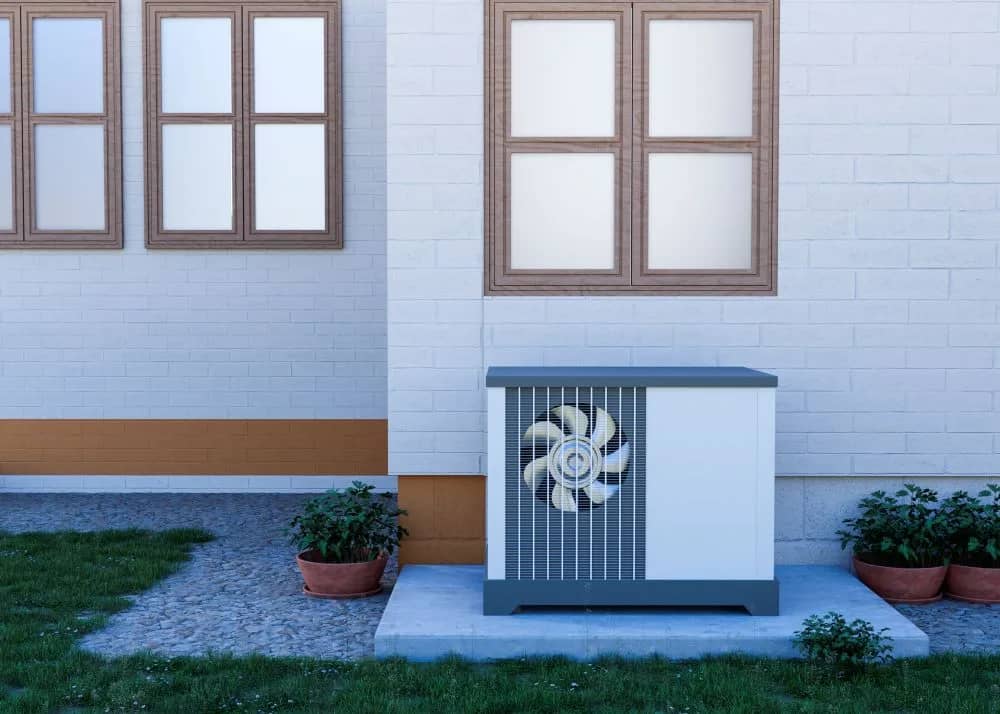
Most detached homes in the Las Vegas valley rely on gas furnaces, paired with electric air conditioners. Gas offers strong heat output and pairs well with existing duct systems in typical tract housing and master‑planned communities. Some rural or fringe properties that lack natural gas lines use propane furnaces instead, storing fuel onsite in tanks. Electric resistance furnaces and heat pumps appear in some communities, especially condominiums or developments built without gas service. In those cases, local furnace service often overlaps with broader HVAC maintenance, since many components are shared. Regardless of fuel type, combustion safety (for gas and propane) and electrical safety (for electric furnaces) remain central goals of every service visit.How local furnace services fit into whole home HVAC care
Because the same blower, duct network, and sometimes control systems serve both heating and cooling, furnace care cannot be isolated from the rest of the HVAC system. A dirty evaporator coil from summer cooling, for example, can restrict airflow during winter heating, forcing the furnace to operate hotter and cycle off on safety limits. Conversely, leaky ducts identified during a furnace visit will continue wasting cooled air next summer if left unsealed. Many Las Vegas homeowners now view HVAC as a single integrated system: furnace, air conditioner or heat pump, ducts, filtration, and controls. Scheduling coordinated service improves reliability across the board, reduces the chance of seasonal “surprises,” and often gives technicians a better historical view of the equipment when recommending repairs or upgrades.What to expect from a reputable local heating company
A reputable heating company begins every visit with listening and observation. Technicians typically ask about recent symptoms, home comfort issues, and any changes in the property. They then perform a visual inspection, run the system through a heating cycle, check safety controls, and test instruments such as carbon monoxide meters or manometers where appropriate. Clear communication is another hallmark of good service. Homeowners should expect an explanation of findings in plain language, a distinction between urgent safety issues and optional improvements, and written estimates before work proceeds. Many experts emphasize that professional installation and service are not just about comfort; they are about efficiency, safety, and system longevity. That same perspective should be evident in how a local company presents options.Quick checklist to decide if you need furnace service now
Several warning signs suggest that scheduling a furnace visit should not be delayed. Unusual odors, especially burning, metallic, or gas-like smells, warrant prompt attention. So do new or louder noises, such as banging, screeching, or rumbling that persists after a few cycles. Frequent on‑off cycling, noticeable cold spots in some rooms, or a thermostat that does not seem to match actual room temperature also indicate underlying issues. Repeatedly needing to reset the furnace, relight a pilot, or flip breakers points to deeper reliability problems. Even without dramatic symptoms, any furnace that has gone a full year without professional attention is a good candidate for a tune up before the next heating season. Treating the checklist as a preventive tool, rather than waiting for a full breakdown, usually results in lower overall repair costs and fewer disruptions.Key safety outcomes of proper furnace service
Effective furnace service is partly about performance, but its most important function is safety. Technicians examine heat exchangers for cracks, verify that flue gases vent properly, test for carbon monoxide, confirm that flame sensors and limit switches operate correctly, and look for signs of overheating or improper combustion. These steps reduce the risk of fire, gas leaks, or undetected carbon monoxide buildup. Homeowners sometimes underestimate these risks because furnace operation is largely invisible once the cabinet is closed. Regular professional inspection turns that hidden system into something that is measured, documented, and aligned with current safety expectations. A simple way to think about it: a tune up may improve comfort, but its greatest value is avoiding rare but serious hazards. For this first major section, the main takeaway is that local furnace services in Las Vegas span maintenance, repair, safety, and system-wide HVAC performance, all tailored to a demanding desert climate.
Tune ups vs repairs vs replacements at a glance
When the heater misbehaves, many homeowners are unsure whether they are facing a quick adjustment, a repair, or the start of a replacement conversation. Understanding the typical scope and cost range of each category removes guesswork and clarifies what to ask for when scheduling service. It also helps set realistic expectations about timeframes and budget.What a furnace tune up includes and when to schedule it
A furnace tune up is a structured maintenance visit designed for a system that still runs, but may not have been inspected recently. Technicians usually clean burners, check ignition and flame sensors, inspect the heat exchanger, verify gas pressure and combustion, lubricate moving parts where applicable, test safety switches, and calibrate thermostat operation. Filters and airflow are checked, and any developing issues are documented. In the Las Vegas area, tune ups make the most sense in early fall, before sustained heating is needed. Scheduling at that point allows time to address any findings or order parts without waiting in peak‑season queues. Many maintenance plans lock in a regular annual or semiannual visit, which simplifies remembering and often costs less per visit than one‑off appointments.What counts as a furnace repair visit
A repair visit focuses on diagnosing and fixing a specific problem. The furnace may fail to start, shut down shortly after ignition, blow cool air, make loud noises, or trip breakers. Technicians trace symptoms back through controls, sensors, and mechanical parts to identify the root cause, then replace or adjust components as needed. Depending on the issue, repairs can be relatively minor or more extensive. Cost expectations help frame decisions. Minor furnace repairs in Las Vegas typically cost between $100 and $300, while more extensive issues can reach into the $300 to $1,000 range or beyond. Knowing that rough range helps homeowners compare estimates and decide whether a proposed repair aligns with the age and condition of the equipment.When emergency furnace service is the right choice
Emergency furnace service is reserved for situations where waiting until regular business hours could endanger health or property. Examples include smelling gas, hearing persistent loud popping or booming from the furnace, seeing visible flames outside the burner area, or losing heat during a cold snap when vulnerable family members are present. Some homeowners also call for emergency service when indoor temperatures drop fast overnight and there is no safe alternative heat source. In those scenarios, companies often prioritize response even after hours or on weekends. Homeowners should be prepared for higher diagnostic or trip fees, but the trade‑off is rapid mitigation of safety risks. It is helpful to describe clearly, when calling, why the situation feels urgent so that dispatchers can triage correctly. For a step by step breakdown of what to do when you need fast help, our emergency furnace repair guide for Las Vegas homeowners walks through how to describe your situation and what to expect. If your furnace quits in the middle of the night, our 24 hour emergency furnace repair guide for Las Vegas explains what truly requires a 2 a.m. Visit and what can safely wait until morning.When it is time to talk about furnace replacement
Replacement becomes part of the conversation when a furnace is older, experiences frequent breakdowns, or requires a repair so costly that it approaches a substantial fraction of the price of a new unit. Safety issues can also tip the balance. A cracked heat exchanger, for instance, may technically be repairable, but many manufacturers and contractors treat it as a signal that replacement is the more responsible option. For budgeting, it helps to know that the average cost of installing a forced‑air gas furnace in Las Vegas-sized around eighty to one hundred thousand BTU with efficiency in the low‑eighties AFUE-has been estimated at roughly $3,050.52 (ProMatcher cost report for Las Vegas). Comparing a major repair quote against that ballpark figure can clarify whether to invest in the existing system or direct funds toward a newer, more efficient model.How memberships and maintenance plans simplify decisions
Service memberships and maintenance plans turn sporadic, reactive visits into a planned schedule. Typically, these plans include periodic tune ups, priority scheduling, and discounted repair rates. Some also offer reduced diagnostic fees or credits toward future replacements. For Las Vegas homeowners who depend on both heating and cooling, an HVAC plan that covers both seasons can provide continuity of care. The psychological benefit is also real: decisions become less about “Should we call someone?” and more about using an already‑paid service. That structure encourages earlier intervention, which usually preserves equipment and limits the need for emergency responses. Common questions or objections. Many homeowners worry that tune ups are “just sales visits” or that maintenance plans lock them into unnecessary costs. A useful counterpoint is to ask companies for written checklists of what a tune up includes and how plan pricing compares with their standard rates over a year or two of typical service; transparency on those points usually separates serious providers from purely sales‑driven offerings. The key takeaway for this section is that understanding the difference between tune ups, repairs, emergencies, and replacements helps Las Vegas homeowners choose the right level of service and avoid both overspending and unsafe delays.Deep examine each local furnace service type
Looking more closely at each type of furnace service reveals how they work together over the life of a system. Tune ups help prevent failures, diagnostic visits address specific problems, emergency service manages high‑risk situations, and replacement or installation decisions ensure that the home’s heating infrastructure keeps pace with changing needs, codes, and energy prices.Annual furnace tune up for safe efficient operation
During an annual tune up, technicians treat the furnace as a system rather than a collection of parts. They inspect combustion quality, verify that burners are clean and aligned, check ignition sequences, and look for any discoloration or distortion on the heat exchanger that might signal overheating. Electrical connections are tightened, amperage draws are compared with manufacturer specifications, and motors or bearings are assessed for early signs of wear. This process does more than keep components within spec. It documents the furnace’s condition over time, which can reveal patterns-for example, repeated signs of high temperature limits tripping-that might justify duct improvements or airflow adjustments. For homeowners, that longitudinal view often proves as valuable as any single adjustment made during a visit.Diagnostic furnace repair when you notice a problem
Once symptoms appear, diagnostic repair becomes the primary tool. A good technician begins with the complaint but then verifies the entire sequence of operation: thermostat call, safety checks, ignition, flame sensing, blower start, and shutdown. At each point, there are potential failure modes, from sticky relays to pressure-switch failures to failing inducer motors. Effective diagnosis avoids replacing parts based on guesswork. It also helps ensure that apparent problems-like repeated flame failure-are not symptoms of deeper issues such as venting blockages or undersized gas lines. Homeowners benefit when technicians explain both the immediate fix and any upstream causes that might require additional attention.Emergency furnace service during cold weather or safety events
Emergency service adds a layer of triage and temporary safeguarding to the usual diagnostic process. Technicians responding to gas odors may first shut off gas supply, ventilate the area, and perform leak detection before even opening the furnace cabinet. When no heat is available during a cold snap, they may implement a temporary repair or bypass only if it can be done without compromising safety, returning later for a permanent solution and full inspection. Because emergency calls frequently occur outside normal hours, clear communication about likely costs and response times is important. Homeowners can help by providing accurate details about the equipment model, any error codes displayed, and what changed just before the failure. That information can shorten diagnostic time and increase the chance of same‑visit resolution.Furnace installation and replacement for older systems
Installation and replacement are not just about swapping boxes. A responsible replacement project begins with assessing heat load, duct condition, venting routes, gas supply, and the home’s broader energy profile. In Nevada, that assessment increasingly intersects with property values. Between early 2020 and mid‑2022, the median home sale price in Nevada rose from $303,000 to $415,000, an increase of about 37% according to Nevada housing market analysts. For many homeowners, a new furnace is now part of protecting a much more valuable asset than it was a few years ago. Installation quality has lasting consequences. Properly sized and installed furnaces tend to cycle less, maintain more even temperatures, and experience fewer premature failures. Duct adjustments, improved filtration, and smarter controls are often easiest to implement at replacement time, making that project an opportunity to correct long‑standing comfort or noise complaints. If you are comparing bids or planning a full upgrade, our guide to choosing a furnace installation contractor in Las Vegas shows how to evaluate installers, proposals, and long term value.Propane furnace service and safety essentials
Propane furnaces share many components with natural gas units but come with distinct safety and handling considerations. Tanks must be maintained, fuel lines protected from physical damage, and regulators checked for correct pressures. Because propane is stored on site, any leaks can accumulate in confined areas, so leak testing and proper ventilation become non‑negotiable parts of service visits. Technicians servicing propane systems also pay close attention to combustion tuning, since incomplete combustion can lead to soot accumulation or elevated carbon monoxide. Homeowners using propane heat benefit from both regular furnace servicing and periodic evaluation of the storage and delivery infrastructure feeding the appliance. For propane specific maintenance checklists and safety tips, see our propane furnace service guide for Las Vegas homeowners.Safety inspections and carbon monoxide screening
Dedicated safety inspections focus explicitly on verifying that the furnace and venting system do not present hidden hazards. Carbon monoxide (CO) screening uses sensitive instruments to detect even low‑level leakage into the living space or around the furnace cabinet. Technicians may perform “worst case” testing by closing interior doors and running exhaust fans to simulate conditions that could backdraft flue gases into the home. These inspections take on added importance against a backdrop of rising costs in the broader economy, such as the Producer Price Index for final demand increasing 2.6% over a recent twelve‑month period, according to economic data. As construction materials and labor grow more expensive, preventing catastrophic failures that require major remediation becomes even more financially prudent.Furnace service for homes with combined heating and cooling
In homes with shared air handlers, coil cabinets, and ductwork, furnace service inevitably intersects with cooling performance. A technician inspecting a furnace may notice that an evaporator coil is dirty, condensate drains are misrouted, or duct insulation is deteriorating. Addressing those findings benefits both heating and cooling seasons by improving airflow and reducing system strain. From a homeowner’s perspective, this integrated approach means that booking a “furnace visit” can, in practice, become an HVAC health check. Over time, that holistic perspective tends to reduce the likelihood of one neglected component undermining the performance of otherwise well‑maintained equipment.Indoor air quality checks linked to furnace operation
Furnaces is essential for indoor air quality because they move large volumes of air through filters and ducts. During service visits, technicians may note excessive dust accumulation, visible microbial growth in damp areas, or signs that filters are either too restrictive or not effective enough. In some cases, adding better filtration, sealing duct leaks, or adjusting humidity control strategies can substantially improve perceived air quality. For households with allergy or asthma concerns, linking furnace service to indoor air quality conversations can yield concrete benefits. Small adjustments-such as relocating returns away from pollutant sources, upgrading filter media, or improving fresh‑air ventilation-are often easiest to implement when the system is already open for inspection. The overarching takeaway from this final section is that each type of furnace service, from annual tune ups to full replacements, forms part of a long‑term strategy to keep Las Vegas homes safe, comfortable, and resilient in a challenging desert climate.Ready for Reliable Furnace Service in Las Vegas?
See why homeowners trust us — view our industry awards and certifications.
You may qualify for federal tax credits that reduce your upfront cost.
Related service: Need furnace service in Las Vegas? Explore our furnace repair and heating maintenance services for Las Vegas homeowners.
Need HVAC Service in Las Vegas?
The Cooling Company provides expert HVAC service throughout Las Vegas, Henderson, and North Las Vegas. Our licensed technicians deliver honest assessments, upfront pricing, and reliable results.
Call (702) 567-0707 or visit heating, furnace repair, heat pump installation, or heating maintenance for details.