

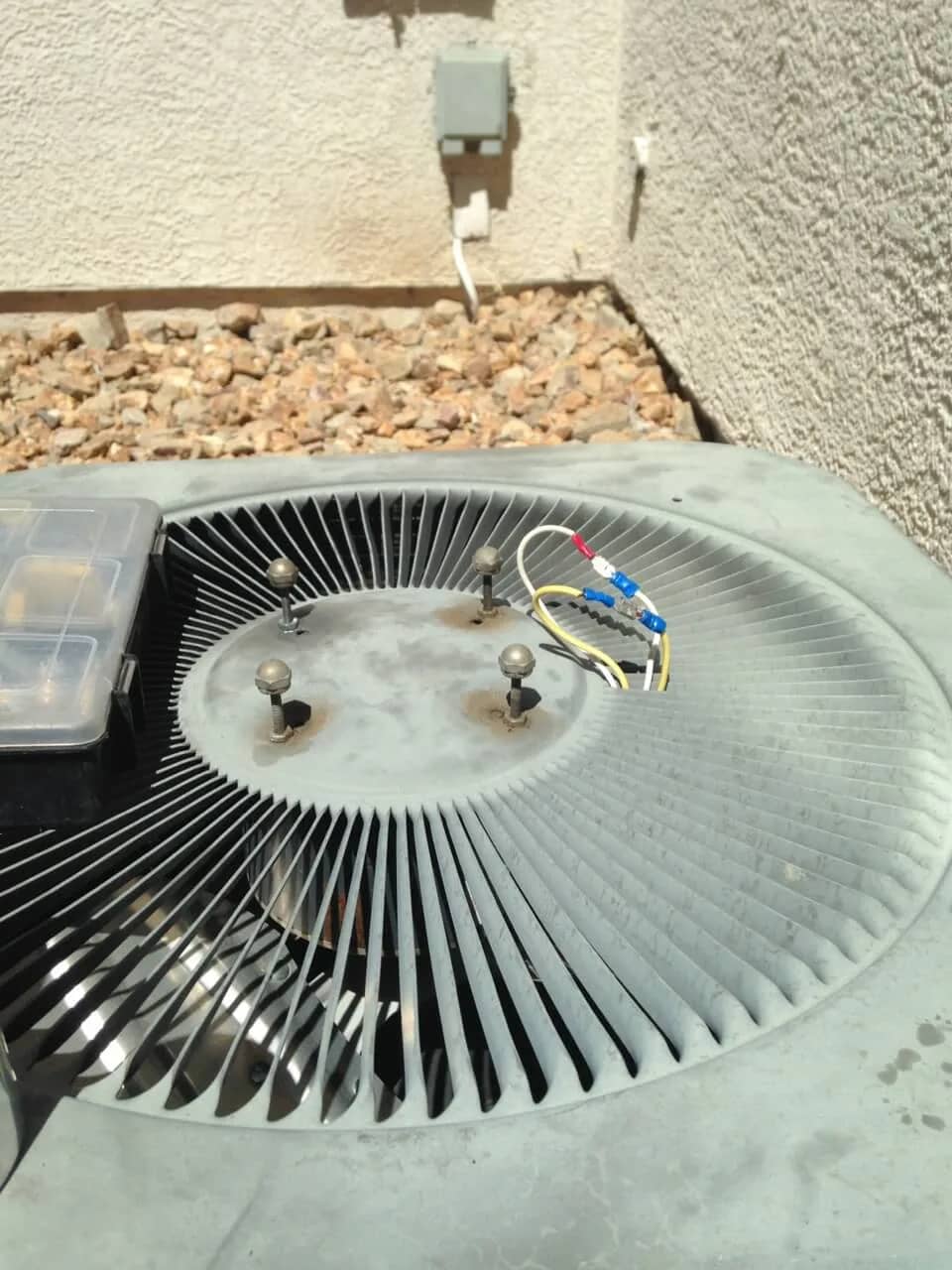
Short answer: The most energy-efficient air conditioners use inverter-driven variable-speed compressors and carry SEER2 ratings of 20 or higher. Look for AHRI-certified efficiency numbers — not just marketing claims — and pair the unit with sealed ductwork and proper refrigerant charge for real-world savings.
The most efficient air conditioners use inverter-driven compressors and heat pump designs to cut energy use. Proper sizing, tight ducts, and correct refrigerant charge keep real savings near rated values. Pick models with verified SEER2, EER, and HSPF2 numbers for fair comparisons. (Source: Energy gov HVAC Efficiency Basics)
Key Takeaways
- Pick inverter heat pumps or multi-zone mini-splits for the best part-load savings.
- Demand AHRI-certified SEER2/EER/HSPF2 numbers and a documented Manual J load calc.
- Fix ducts, set the right refrigerant charge, and verify airflow to get rated savings.

Which systems cut energy use most?
Variable-speed inverter heat pumps and multi-zone ductless mini-splits often give the best real-world efficiency. They run the compressor at low speed when demand is light. That reduces on-off cycling and saves energy during most hours of the cooling season.
Central split systems with variable-speed compressors can match mini-splits when ducts are tight and the air handler is efficient. Leaky ducts erase much of a condenser's savings. For whole-house projects, compare duct losses, blower motor type, and control schemes before you buy.
What is SEER and why does it matter?
SEER stands for Seasonal Energy Efficiency Ratio and measures cooling efficiency over a season. It gives a simple way to compare the energy a unit uses across many conditions. Use SEER to estimate annual cooling energy, but remember it is a lab-based metric.
How does EER differ from SEER?
EER is the Energy Efficiency Ratio measured at a single hot condition, often ninety-five degrees. It shows how a unit performs on peak hot days. If your location has many very hot days, a higher EER can reduce peak energy use and demand spikes.
What is HSPF and cooling efficiency?
HSPF measures heating efficiency for heat pumps and does not rate cooling. High-HSPF models often use better compressors and controls, which can help cooling. In mixed climates, weigh HSPF along with SEER and EER for year-round cost and comfort. (Source: Energy gov HVAC Efficiency Basics)
For a deeper explanation of SEER and efficiency metrics, see our SEER rating guide.
Which systems use inverter compressors?
Inverter compressors vary speed to match the load and avoid frequent starts. You find them in most modern mini-splits and many high-end central systems. The result is smoother control, lower peak draw, and better humidity control than single-speed compressors.
Are window units ever the cheapest option?
Window units and PTACs can be lowest-cost for single rooms or rentals. They skip ducts and let you cool only the spaces you use. For one or two rooms, a high-EER window unit often outperforms an old central system in cost per cooled square foot.
What role do ductless mini-split systems play?
Ductless mini-splits fit retrofits, additions, and homes with poor ductwork. They avoid duct losses and offer room-by-room control. Multi-zone mini-splits can reach very high seasonal efficiency and cut energy use when rooms are used at different times.
How to compare models and metrics?
Start by checking verified ratings in the AHRI Certified Product Directory. Marketing claims can mislead. Look for SEER2 and HSPF2 numbers where they exist, since those reflect updated test rules and closer real-world performance.
Compare SEER and EER together, not one alone. Use SEER to judge annual energy use and EER for peak hot-day efficiency. Also check rated capacity at different outdoor temps, because some units lose capacity more than others as heat rises.
How to read SEER labels?
SEER labels list seasonal numbers and often show EER and HSPF. Confirm the exact model and the matched indoor coil in AHRI. If a label shows SEER but the AHRI match is missing, the rated performance may not apply in your setup.
Can EER predict peak savings?
Yes. EER predicts how a unit performs on very hot days. In regions with long heat waves, higher EER lowers peak kW draw. That can reduce demand charges and peak-period costs on your electric bill.
Which brands lead in SEER ratings?
Several major brands offer high-SEER models with inverter compressors. Market leaders change with new products. Instead of choosing by brand alone, confirm AHRI-certified numbers, warranty terms, and the local installer's experience with that brand.
Do ENERGY STAR models save more?
ENERGY STAR units usually beat minimum standards and can save more energy. ENERGY STAR Most Efficient lists show top models each year. Use ENERGY STAR to narrow options and then verify AHRI ratings and rebate eligibility before you buy.
Learn about available rebates on new HVAC systems for energy-efficient equipment.
Are lifecycle costs higher for premium units?
Premium units cost more up front but often lower operating costs over time. Over ten to fifteen years, higher efficiency can make up the initial price gap. Include expected repairs and warranty costs when you compare lifecycle cost. [Point 1] (Source: Energy gov HVAC Efficiency Basics)
What installation factors affect efficiency?
Installation quality often controls real-world efficiency more than ratings. Wrong refrigerant charge, poor airflow, and leaky ducts commonly reduce performance by ten to thirty percent. Ask installers for measured supply temps, amp draw, and airflow at acceptance to verify the system.
Ductwork is a major source of loss in central systems. Even moderate leakage wastes a lot of cooling and raises run time. Include duct sealing, insulation, and a post-install leakage test in the work scope to capture expected savings.
Why is a Manual J load calc needed?
A Manual J calculation estimates your home's true cooling and heating needs. It looks at insulation, windows, orientation, infiltration, and occupancy. Without it, contractors often oversize systems, which causes short cycling, poor humidity control, and wasted energy.
How does ductwork leakage hurt efficiency?
Leaky ducts send cooled air into attics and crawl spaces, not living rooms. That increases run time and reduces comfort in occupied areas. In many homes, leaks raise energy use by twenty to thirty percent, making sealing a high-return step.
When is duct sealing worth the cost?
Duct sealing makes sense when leaks exceed about ten percent of system airflow or when ducts run through unconditioned spaces. Payback varies by climate and energy price, but sealing often pays back in under five years if leaks are large.
Who should perform refrigerant charging?
Certified HVAC technicians should handle refrigerant. EPA 608 certification is required in the U.S. Proper charging uses gauges, weigh-in methods, or superheat and subcooling checks. Incorrect charge cuts efficiency and shortens compressor life.
What is proper refrigerant charge?
Proper charge matches manufacturer specs at known operating conditions. Techs use superheat and subcooling methods or weigh in refrigerant for modern systems. Both overcharge and undercharge harm efficiency. Get documented charge numbers at install.
Can smart thermostats improve run time?
Smart thermostats can reduce wasted runtime and help scheduling. They allow remote control and offer adaptive schedules. For multi-stage or variable-speed systems, pick a thermostat that supports those functions to avoid limiting system performance.
Are variable speed fans important?
Variable-speed blower motors match airflow to demand and use less energy at part load. They run longer at low speed and improve dehumidification. Pairing an ECM blower with a variable compressor gives much better comfort and closer-to-rated efficiency.
Do installers follow AHRI match guidelines?
Good installers follow AHRI match rules to ensure indoor and outdoor parts are compatible. A mismatch can void rated SEER and reduce performance. Ask for AHRI reference numbers and verify them in the AHRI directory before you sign the contract. [Point 2] (Source: Energy gov HVAC Efficiency Basics)
Installation checklist
A clear checklist helps guarantee a verified install. Require Manual J and Manual D, AHRI match verification, duct leakage testing, refrigerant charge documentation, airflow and temperature checks, and a final functional test. Keep signed documents for warranty and resale.
How to estimate savings and ROI?
Estimate savings from your current bills and expected run hours. Use old and new SEER ratios as a starting point and adjust for duct losses and fan energy. Include rebates and expected electricity-rate changes for a fuller picture of payback.
To calculate payback, divide net installed cost by annual energy savings. Add maintenance and likely repairs. For many hot homes, swapping a ten-SEER unit for a sixteen-SEER model can cut cooling energy by about thirty to forty percent.
How to calculate annual energy savings?
Start with current annual cooling kWh from bills or a run-hour estimate. If data is lacking, estimate run hours and capacity. Use NewEnergy = OldEnergy * (OldSEER / NewSEER) as a rough rule and then adjust for ducts and fan differences.
What payback period is realistic?
Payback depends on climate, energy price, and rebates. In very hot climates, upgrades often pay back in three to eight years. In mild climates payback is usually longer. Include comfort and humidity control as added value, not just dollar savings.
Which rebates lower upfront cost?
Utilities, states, and some manufacturers offer rebates for high-efficiency heat pumps and ENERGY STAR models. Many rebate programs need AHRI reference numbers and documented installation steps. Ask your contractor to handle rebate paperwork to avoid delays.
Do utility demand charges change ROI?
Do utility demand charges change ROI involves several important factors that homeowners should understand. Working with a qualified HVAC professional ensures you get accurate information tailored to your specific situation and local requirements.
Yes. Commercial demand charges make peak kW important. Variable-speed compressors and soft-start features cut peak draw. Residential time-of-use rates also favor systems that avoid high peaks during on-peak periods.
How does climate affect savings?
Climate guides whether SEER or EER matters more. Hot-humid climates need better EER and strong dehumidification. Dry climates gain from inverter modulation. Mild climates have fewer cooling hours, so very high-SEER units have longer payback. In extreme desert heat, efficiency ratings only tell part of the story -- our Las Vegas extreme heat AC guide explains why EER2 matters more than SEER2 when outdoor temperatures exceed 115 degrees.
Are SEER improvements linear to savings?
No. SEER gains give a rough idea but are not perfectly linear to savings. Duct losses, fan motors, and controls change outcomes. Use conservative estimates or measured data when you project savings to avoid surprise shortfalls. [Point 3] (Source: Energy gov HVAC Efficiency Basics)
Can ENERGY STAR help qualify rebates?
Yes. Many rebate programs require ENERGY STAR or the ENERGY STAR Most Efficient label. That often unlocks larger incentives. Confirm program rules and provide AHRI numbers and installation photos when needed to qualify.
What maintenance reduces operating costs?
Routine maintenance keeps efficiency near rated levels. Change filters regularly, clean coils, and check refrigerant charge. Seal and insulate ducts and schedule annual tune-ups to catch small issues before they grow into big, costly repairs.
Should property managers track runtime data?
Yes. Monitoring runtime and faults helps spot issues early. Modern thermostats and controls log runs and faults. Use those logs to find over-cooling, schedule maintenance, and verify savings after upgrades across a property portfolio.
What financing options exist for upgrades?
Financing options include utility loans, on-bill financing, PACE loans, contractor plans, and traditional loans. Some programs offer low or zero percent rates. Compare terms and include rebates when sizing the financed amount. Ask The Cooling Company about local financing when you request a quote.
What maintenance and monitoring keep efficiency high?
Regular checks and data monitoring prevent slow efficiency loss. Schedule annual tune-ups that include coil cleaning, filter checks, fan motor inspection, refrigerant verification, and airflow measurement. These steps keep efficiency near rated levels and catch small issues early.
Invest in simple monitoring like smart thermostats and runtime logs. They show off-hour use and control issues. For larger systems, use building management or fault detection to flag anomalies and guide targeted maintenance actions.
What routine tasks should homeowners do?
Homeowners can replace filters, clear debris from condensers, and keep vents unobstructed. Check thermostat batteries and basic drain lines to prevent stress on the system. These simple tasks cut energy waste and reduce service calls in many homes.
When should owners call a pro?
Call a certified HVAC technician if cooling falls off, strange noises occur, or bills rise. Also call after storm damage or if breakers trip often. Certified techs handle refrigerant, electrical work, and verified performance tests safely.
How does monitoring reduce repair risk?
Monitoring logs runtime, faults, and odd run hours. Patterns can point to failing capacitors, blocked coils, or charge drift. Early detection often leads to a small fix rather than a major component replacement and big bills.
What records should be kept?
Keep AHRI reference numbers, load calc reports, commissioning documents, maintenance logs, and invoices. These records support warranty claims and improve resale value. They also help future techs find parts and understand the original design choices.
Ready to upgrade your cooling system?
If you are in Las Vegas, Henderson, or North Las Vegas, call The Cooling Company at (702) 567-0707 for an on-site Manual J load calculation and system evaluation. The team will verify AHRI matches, perform duct leakage tests, and document refrigerant charge and airflow at install.
Expect a written proposal that shows installed cost, rebate help, and a clear payback estimate. The Cooling Company offers permit support, commissioning, and post-install verification to make sure your new system delivers the promised savings. Ask for financing options and rebate filing help.
Out-of-area readers should look for NATE-certified technicians and check the AHRI Certified Product Directory for ratings. NATE resources are at natex.org to help find qualified pros in other regions. For Las Vegas area projects call The Cooling Company at (702) 567-0707. The company serves Las Vegas, Henderson, and North Las Vegas.
Related reading: what to explore next?
- Hot Upstairs Cold Downstairs: 5 Fast Fixes to Try Now to Save Energy
- AC Efficiency Tips for Las Vegas Homes
- Compare Air Conditioner Efficiency: Save up to 30% on Cooling Costs
About The Cooling Company
- Phone: (702) 567-0707
References
- U.S. Department of Energy (Energy.gov) (accessed 2025-12-25)
- U.S. Environmental Protection Agency (EPA) (accessed 2025-12-25)
- ASHRAE (Standards and guidance) (accessed 2025-12-25)
- ENERGY STAR (Heating & cooling) (accessed 2025-12-25)
Related service: Considering a heat pump for your Las Vegas home? Explore our heat pump installation and heating services services for Las Vegas homeowners.
Need HVAC Service in Las Vegas?
The Cooling Company provides expert HVAC service throughout Las Vegas, Henderson, and North Las Vegas. Our licensed technicians deliver honest assessments, upfront pricing, and reliable results.
Call (702) 567-0707 or visit AC repair, maintenance, heating, or installation for details.