

Blower Motor
A blower motor is the electric motor inside your HVAC system's air handler or furnace that powers the fan responsible for pushing conditioned air through your ductwork and into every room. It draws return air in, forces it across the evaporator coil or heat exchanger, and distributes heated or cooled air throughout your home. Blower motors come in single-speed, multi-speed, and variable-speed varieties, each offering different levels of comfort, noise control, and energy efficiency. Because the blower motor runs almost every time your system operates, it is one of the hardest-working components in the entire HVAC system.
💡 Key Takeaways
- ✓A blower motor is the electric motor inside your HVAC system's air handler or furnace that powers the fan responsible for pushing conditioned air through your ductwork and into every room. It draws return air in, forces it across the evaporator coil or heat exchanger, and distributes heated or cooled air throughout your home. Blower motors come in single-speed, multi-speed, and variable-speed varieties, each offering different levels of comfort, noise control, and energy efficiency. Because the blower motor runs almost every time your system operates, it is one of the hardest-working components in the entire HVAC system.
- ✓Variable-speed blower motors use significantly less electricity and provide more even temperatures than single-speed models.
- ✓A dirty air filter forces the blower motor to work harder, which shortens its lifespan and increases energy bills.
- ✓Blower motor capacitors can fail independently of the motor itself, so a technician should test both during diagnosis.
Blower Motor
/ˈbloʊər ˈmoʊtər/
Definition
A blower motor is the electric motor inside your HVAC system's air handler or furnace that powers the fan responsible for pushing conditioned air through your ductwork and into every room. It draws return air in, forces it across the evaporator coil or heat exchanger, and distributes heated or cooled air throughout your home. Blower motors come in single-speed, multi-speed, and variable-speed varieties, each offering different levels of comfort, noise control, and energy efficiency. Because the blower motor runs almost every time your system operates, it is one of the hardest-working components in the entire HVAC system.
What does a blower motor do in an HVAC system?
The blower motor powers the fan that pushes heated or cooled air through your ductwork and into your living spaces. Without it, conditioned air has no way to circulate.
Source: The Cooling Company

Quick Facts
How Blower Motor Works
The blower motor drives all airflow through your heating and cooling system.
Real-World Application
When your AC or furnace cycles on, the blower motor is what actually pushes the conditioned air through the ducts and out of your vents. In Las Vegas summers, a failing blower motor means your AC compressor may run but little or no cool air reaches your rooms, creating uncomfortable hot spots and wasted energy.
Pro Tip
Listen for unusual squealing, grinding, or rattling sounds from your air handler. These often signal blower motor bearings wearing out. Catching the issue early can save you from a complete motor failure during peak summer heat.
“Listen for unusual squealing, grinding, or rattling sounds from your air handler. These often signal blower motor bearings wearing out. Catching the issue early can save you from a complete motor failure during peak summer heat.”
Important Things to Keep in Mind
- Variable-speed blower motors use significantly less electricity and provide more even temperatures than single-speed models.
- A dirty air filter forces the blower motor to work harder, which shortens its lifespan and increases energy bills.
- Blower motor capacitors can fail independently of the motor itself, so a technician should test both during diagnosis.
Did You Know?
A variable-speed blower motor can use up to 75% less electricity than a standard single-speed motor while delivering quieter, more consistent airflow throughout your home.
FAQ
How do I know if my blower motor is going bad?
Common signs include weak or no airflow from vents, unusual humming, squealing, or rattling noises, and the system cycling on and off frequently.
How much does it cost to replace a blower motor?
Residential blower motor replacement typically costs between $300 and $900 including parts and labor, depending on the motor type and system access.
Can I run my AC without a working blower motor?
No. Without the blower motor, air cannot circulate. Running the compressor without airflow can freeze the evaporator coil and cause further damage.
Related Services
Need help with blower motor? Our licensed technicians in Las Vegas are ready to assist.
Share This Page
Why Homeowners Trust Us


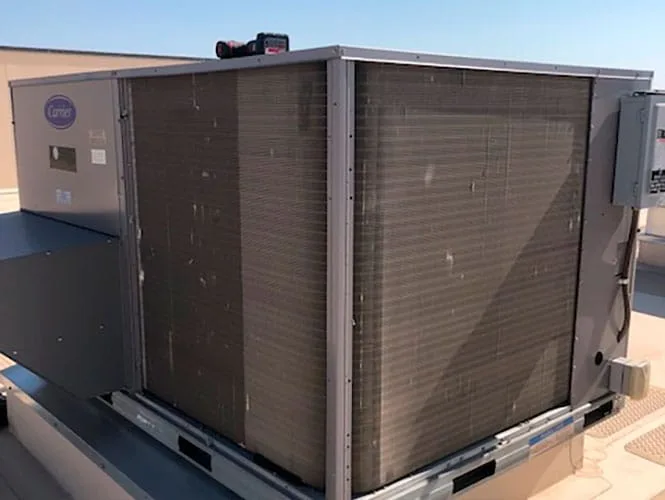
Keep Cool Air Flowing with Expert Blower Motor Service
Get a Free Estimate
Fill out the form below. Our goal is to reach you within minutes.