

Short answer: Total HVAC cost for a new build typically runs $10,000–$35,000 depending on home size, system type, and duct complexity. Smart design choices — right-sizing with Manual J, tighter duct layouts, and heat pump selection — can save thousands without sacrificing comfort.
New-build HVAC costs vary widely by system, ductwork, design fees, permits, and labor. Early Manual J/D/S design and coordinated routing can cut equipment and labor needs. Budget for ventilation, commissioning, and testing. Smart layout and right-sized systems often save thousands over the build and lifetime. (Source: ASHRAE Technical Resources)
Key Takeaways
- Plan for equipment, ducts, labor, permits, and commissioning when budgeting for new-build HVAC.
- Require Manual J, Manual D, and Manual S before accepting any bid.
- Add testing, ventilation, and permit fees as line items to avoid surprises.
- Consider heat pumps and ERVs for long-term savings and better indoor air quality.

What drives new-build HVAC costs?
Several clear factors drive the final price on a new HVAC system. Equipment choice is the main line item. Ductwork, labor, permits, and commissioning follow and can change totals by thousands of dollars.
Site conditions and climate change the needs and the price. Hot, humid climates need dehumidification and larger cooling capacity. Cold sites need reliable heating and sometimes backup systems.
Which components make up total cost?
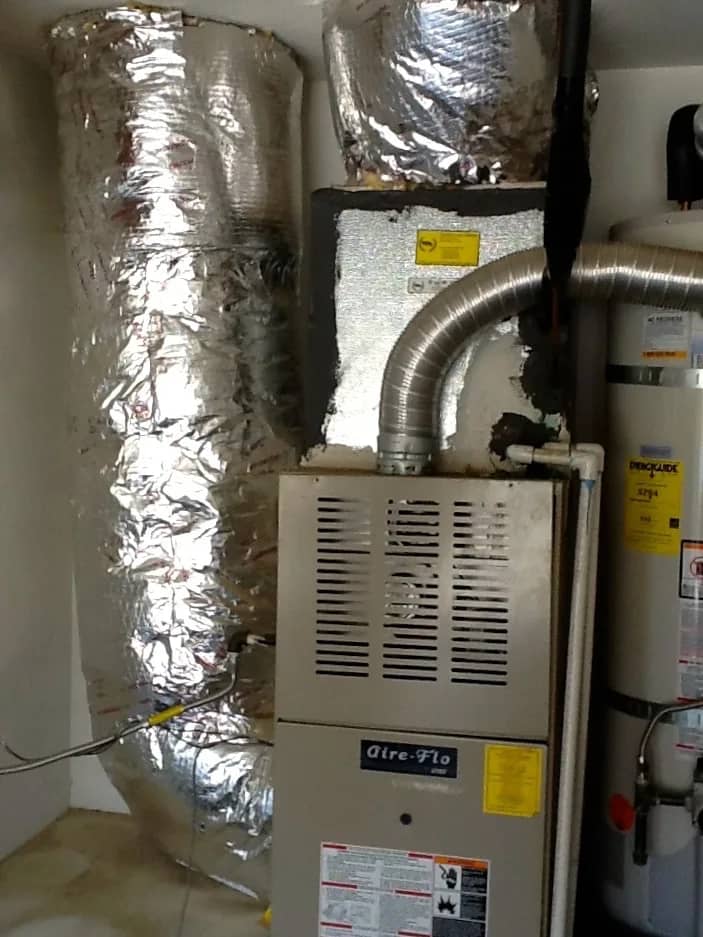
Equipment like condensers, air handlers, and furnaces is the headline cost. Ductwork, registers, insulation, and controls add a large share. Labor for sheet metal, electric, and refrigerant work often equals equipment cost.
Design fees and testing appear as separate items. Manual J, Manual D, and Manual S reports cost extra up front. Commissioning, TAB work, and leakage testing add budget but lower long-term risk.
How much do equipment and units cost?
Outdoor units vary by efficiency and size. Lower-efficiency units can start near two thousand dollars. High-efficiency or cold-climate heat pumps can fall in the four to seven thousand dollar range or higher.
Learn about available rebates on new HVAC systems for energy-efficient equipment.
Indoor equipment like air handlers or furnaces adds to the total. Matched systems, variable-speed blowers, and two-stage compressors cost more up front but help comfort and efficiency over time.
What are typical labor and installation fees?
Labor includes duct fabrication, equipment set, refrigerant charging, and wiring. For many homes, labor matches or exceeds equipment cost. Simple installs might run three to six thousand dollars.
Complex duct runs, multizone systems, or rooftop installs push labor higher. Open framing cuts routing time. Retrofits or tight cavities increase hours and raise the final price.
How do permits and inspections add cost?
Permit fees vary by jurisdiction and project scope. They may be a few hundred to several thousand dollars on large builds. Inspections add time and can require correction work if issues appear.
Allow for permit turnaround and inspection windows in your schedule. Delays cost time and sometimes money. Add a small contingency for permit-related fixes in your budget. (Source: ASHRAE Technical Resources)
Our new construction HVAC cost guide for Las Vegas breaks down the costs you can expect.
Why is ductwork cost sometimes overlooked?
Ductwork needs careful planning for layout, sizing, sealing, and insulation. Many buyers focus on the outdoor unit price and miss the duct labor. Duct fabrication and sealing take time and skill.
Poorly sized or sealed ducts cause comfort and efficiency issues. Fixing ducts after drywall installs is expensive. Estimate duct costs early and list them clearly in bids.
What extra costs do ventilation and IAQ add?
Whole-house ventilation like ERVs or HRVs typically cost eight hundred to four thousand dollars installed. Filters, UV lights, and IAQ sensors raise costs further. Proper ventilation is often required by modern codes.
Humid climates may need dehumidifiers or dedicated ventilation. These systems cut mold risk and improve comfort. Budget early to place ducts and electrical provisions correctly.
Which HVAC system is best for new builds?
The best system depends on climate, budget, and owner goals. Heat pumps are popular for electrification and rebates. Gas furnaces still make sense in some cold regions and for specific buyer needs.
Pay attention to whole-home performance, not only rated efficiency. Duct losses and poor installation can undo high-efficiency equipment. Match equipment to the home envelope and local incentives.
Split vs heat pump vs packaged: which saves more?
Central split systems pair an outdoor unit with an indoor furnace or air handler. Heat pumps often save more where electricity prices are reasonable. In mild climates, heat pumps usually lower annual costs.
Packaged rooftop units fit some multifamily or tight spaces. They free interior space and ease some maintenance steps. Choose based on layout, service access, and life-cycle cost.
What role do SEER and HSPF play?
SEER rates cooling efficiency. A higher SEER reduces cooling energy. HSPF rates heat pump heating efficiency and shows winter performance.
For help understanding SEER and HSPF ratings, read our SEER rating guide.
Modern ratings now use SEER2 and HSPF2. Compare ratings but remember real savings depend on duct work and installation quality.
How does AFUE or COP affect operating cost?
AFUE shows furnace fuel-to-heat efficiency. A 95 percent AFUE furnace uses less gas than an 80 percent model for the same heat output. COP measures heat pump efficiency per watt.
Compare AFUE and COP with local fuel prices to estimate annual operating costs. Modeling helps identify which option pays back sooner.
Are ductless minisplit systems cost-effective?
Ductless minisplits cut distribution losses and allow zoning. Equipment cost per ton is higher than central systems. Install labor can be lower in new builds with no ductwork.
For small, tight homes, minisplits can be the lowest-cost option. Large homes with many zones may find multisplit systems more complex and costly.
When is a packaged rooftop unit the right choice?
Rooftop units suit commercial and multifamily types with limited interior mechanical space. They remove equipment from living areas and simplify some service tasks. Safe rooftop access is essential.
Single-family homes rarely use rooftop units. Flat-roofed large homes may consider them. Factor in structural support and crane lift costs when choosing this option. [Point 1] (Source: ASHRAE Technical Resources)
How should HVAC be sized and specified?
Correct sizing is vital for comfort and low energy bills. Manual J load calculations guide the right capacity. Manual D and Manual S then ensure ducts and equipment match the loads.
Documented reports protect owners and contractors. Ask for copies of the Manual J, Manual D, and Manual S before equipment is ordered or installed.
What is a Manual J load calculation?
Manual J is the standard for residential load calculations. It factors insulation, windows, orientation, and local climate. The result shows precise heating and cooling needs in BTU per hour or tons.
A proper Manual J stops oversizing. Right-sized systems run longer and control humidity better. Expect a report that lists assumptions and climate data.
How does Manual D duct design lower losses?
Manual D defines duct sizing, branch runs, and register locations. Proper design balances airflow and keeps static pressures in range. Balanced ducts reduce noise and comfort issues.
Sizing ducts correctly avoids undersized trunks and oversized branches. The result is lower fan energy use and a more even temperature across rooms.
Why follow Manual S for equipment selection?
Manual S matches equipment to the calculated loads. It ensures indoor coils and outdoor units pair correctly. Matched systems perform better at part-load conditions.
Manufacturers expect matched equipment for warranty coverage. Manual S also helps pick airflow and refrigerant charge ranges that fit the design.
How does oversizing affect efficiency and comfort?
Oversized units short-cycle and run for short bursts. Short cycles reduce dehumidification and increase indoor humidity in summer. Frequent starts raise wear and lower life expectancy.
Proper sizing improves comfort and lowers maintenance. Dimension equipment from accurate load reports rather than square-foot rules.
When is zoning worth the added cost?
Zoning helps when rooms face different sun loads or usage. Bedrooms and sunrooms often need separate control. Zoning adds dampers, a control panel, and thermostats.
Expect zoning to add several hundred to several thousand dollars. The payoff is better comfort and possible energy savings when people use fewer zones.
What commissioning steps ensure performance?
Commissioning checks airflow, refrigerant charge, and controls. Technicians record static pressures and temperature splits. Blower door and duct leakage tests confirm tightness.
A commissioning report documents performance and catches issues before handover. Include commissioning as a line item to ensure it happens.
How should builders evaluate contractor bids?
Clear bids reduce misunderstandings and reduce change orders. Ask bidders to list equipment, ducts, labor, design, permits, and commissioning separately. Compare bids by scope, not only price.
Request supporting documents like Manual J reports, duct schematics, and warranty details. Document assumptions so you can compare apples to apples across bids. [Point 2] (Source: ASHRAE Technical Resources)
What line items should appear in a bid?
List equipment model numbers and efficiency ratings. Describe duct scope, insulation, register counts, and access panels. Show labor hours and subcontractor roles.
Permit fees, testing, and commissioning should be separate lines. Any allowances for unforeseen work should be capped where possible.
How to compare labor hours and markups?
Ask for estimated man-hours and hourly rates. Ask if the bid includes overtime, travel, or material markups. Compare the installed price and the underlying assumptions.
A very low bid with few hours often leads to change orders. Favor contractors who document labor assumptions and give a clear work schedule.
Which warranties and maintenance plans matter?
Look for both equipment and workmanship warranties. Manufacturer warranties cover parts. Contractor warranties should cover leaks and labor.
Longer workmanship warranties suggest confidence in quality. Maintenance plans reduce emergency calls and help equipment last longer.
How to estimate lifecycle costs and ROI?
Estimate annual energy using local rates, system efficiency, and usage estimates. Use Manual J outputs to set hours and loads. Add maintenance and filter costs to the annual budget.
Calculate payback for efficiency upgrades. Compare the extra upfront cost to yearly savings. Include rebates and tax incentives to improve return on investment.
How to calculate annual operating cost?
Start with annual heating and cooling hours from the load calculation. Use SEER, HSPF, AFUE, or COP to estimate energy use. Multiply energy use by local electricity or fuel prices.
Add ventilation, fan, and standby loads plus routine maintenance and filter costs. That gives a realistic annual operating budget for ownership decisions.
What typical lifespans do major components have?
Air conditioners and heat pumps often last twelve to twenty years with good care. Furnaces commonly serve fifteen to twenty-five years. Ductwork can last decades but seals and insulation degrade.
Controls and thermostats may be updated sooner. Plan for mid-life component replacement around ten to fifteen years to capture newer efficiency gains.
How to compare upfront vs running costs?
Total cost of ownership equals purchase price plus operating costs over life. Use a simple payback or discounted cash flow for precision. Compare different systems on a common time frame.
High-efficiency gear costs more up front but reduces operating bills. Local fuel prices and usage patterns determine whether the premium pays off.
Which rebates, tax credits, or incentives apply?
Utilities and federal programs often rebate heat pumps and high-efficiency equipment. State programs sometimes add rebates for insulation and ventilation. Check current programs while planning.
Incentives can shorten payback to a few years on some upgrades. Add incentive checks to budget estimates to see true net cost. [Point 3] (Source: ASHRAE Technical Resources)
Can heat pumps beat gas in lifecycle cost?
In many climates, modern heat pumps can beat gas over the life cycle. Cold-climate heat pumps have improved low-temperature performance. Electricity price and rebates matter a lot in the comparison.
Run a local cost model with current fuel prices and efficiencies. Incentives for electrification can push heat pumps ahead in many areas.
How does insulation and envelope affect sizing?
A tighter, better-insulated home cuts heating and cooling loads. Upgrades can downsize equipment by a full ton or more. Envelope work often costs less than buying a larger HVAC system.
Coordinate insulation, window choices, and HVAC early. Builders who design the envelope and system together pay less for mechanicals.
What maintenance keeps efficiency high?
Change filters per schedule and clean coils yearly. Keep outdoor units clear of debris and shade them appropriately. Check refrigerant charge and airflow on a planned basis.
Sign an annual maintenance plan with a qualified tech. Preventive care extends life and keeps bills down over time.
Ready to get a free design review and estimate?
The Cooling Company offers a zero-obligation design review for Las Vegas area builders and homeowners. We'll review your Manual J/D/S, proposed equipment, duct layouts, and commissioning plan. Expect a clear estimate with line items for equipment, ducts, testing, and permits.
We work with builders to reduce change orders and speed schedules. Our team identifies simple layout choices that cut duct length and labor. The aim is a right-sized system that saves money now and later.
How do I request a customized quote?
Call The Cooling Company at (702) 567-0707 to schedule a free estimate in Las Vegas, Henderson, or North Las Vegas. We will collect plans, set a site visit, and deliver a written proposal with clear scope lines and testing steps.
Expect a site walk with a technician who notes mechanical room access, planned duct routes, and thermostat locations. We include commissioning and testing options in the proposal when requested.
What info will the estimator need?
Provide floor plans, insulation R-values, window specs, and proposed mechanical locations. If you have a Manual J or other reports, share them before the visit. Tell us about thermostat plans and ventilation preferences.
If you are outside our service area, find a NATE-certified contractor near you. NATE keeps a searchable list at natex.org. For Las Vegas area projects, contact The Cooling Company at (702) 567-0707 for a detailed local design review covering Las Vegas, Henderson, and North Las Vegas.
What results should I expect from a design review?
A design review identifies opportunities to reduce duct length, lower fan power, and avoid oversizing. You will get clear options for equipment and ventilation. The review includes suggested commissioning tests and a list of likely costs.
Builders who adopt the recommendations often see reduced install hours and fewer site changes. Buyers benefit from better comfort and lower operating costs over time.
Final checklist before you sign a contract
Ask for Manual J, Manual D, and Manual S reports and paper copies of each. Confirm duct materials, insulation, and register counts. Make sure permits, testing, and commissioning are listed as separate line items.
Verify labor hours and markups, and ask about warranty lengths. Get a clear schedule and a plan for mid-project changes. A tight checklist reduces surprises and keeps the project on budget.
Related reading: what to explore next?
- AC Monitoring System: Catch Problems Early with Smart Alerts
- New Construction HVAC Cost per Square Foot
- HVAC Cost for New Construction: How to Estimate and Save
About The Cooling Company
- Phone: (702) 567-0707
References
- U.S. Department of Energy (Energy.gov) (accessed 2025-12-29)
- U.S. Environmental Protection Agency (EPA) (accessed 2025-12-29)
- ASHRAE (Standards and guidance) (accessed 2025-12-29)
- ENERGY STAR (Heating & cooling) (accessed 2025-12-29)
Need HVAC Service in Las Vegas?
The Cooling Company provides expert HVAC service throughout Las Vegas, Henderson, and North Las Vegas. Our licensed technicians deliver honest assessments, upfront pricing, and reliable results.
Call (702) 567-0707 or visit AC repair, maintenance, heating, or installation for details.