

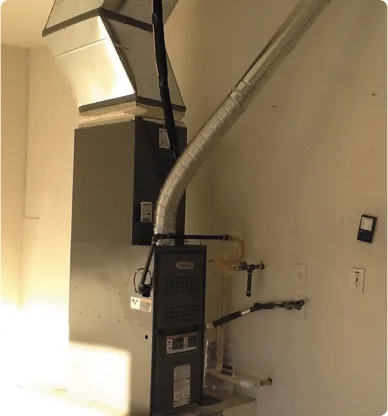
A full HVAC replacement usually costs from about $5,000 to $22,000. Final price depends on system type, labor, ductwork, and local permits. Smart upgrades raise initial cost. They often cut energy bills, improve comfort, and lower lifetime cost when chosen for your climate and usage patterns. (Source: ASHRAE Technical Resources)
Key Takeaways
Short answer: A new HVAC system costs $11,000–$30,000 installed, with most Las Vegas homeowners paying $13,000–$22,000 for a standard split system replacement. The final price depends on system type, efficiency rating, ductwork condition, and permits. Smart upgrades like variable-speed equipment cost more upfront but can cut energy bills 20–40% in our desert climate. Get a free quote from The Cooling Company at (702) 567-0707.
- Expect installed costs from about $4,000 to $22,000 depending on system type and scope.
- Require a Manual J load calculation and itemized bids to compare offers.
- Budget for duct repairs, permits, and possible refrigerant transition like R-22.
- Consider smart controls, insulation, and zoning to lower lifetime energy costs.

How much does a new HVAC system cost?
National and local factors both shape final price. Equipment, labor, permits, and duct work add up. Expect higher totals in expensive labor markets or when ducts need major work.
Plan for surprises in older homes. Access issues, electrical upgrades, or hidden damage can add to time and cost. Include a 5–15 percent contingency when budgeting for a whole-home replacement.
What's the national average replacement price?
A standard central AC and gas furnace often runs between $6,000 and $11,000 in moderate climates. High-efficiency heat pumps and premium systems can reach $8,000 to $22,000. Ductless mini-splits for several zones may cost $4,000 to $10,000 depending on brand and labor.
How does equipment cost break down by component?
Outdoor condensing units and indoor air handlers usually make up about half the equipment cost. Furnaces, heat pumps, or boilers add the rest. Accessories like thermostats and upgraded air filters add a modest percentage to parts cost.
What labor and permit fees should I expect?
Labor for a standard whole-home swap commonly ranges from $1,000 to $4,000. Hard access, complex duct runs, and electrical upgrades push labor higher. Installers include time for mounting, wiring, and startup testing.
Permits vary by city and county and often cost $50 to $500. Mechanical inspection fees and final sign-offs add small costs. Confirm who pulls permits before signing a contract to avoid surprise fees.
How does ductwork add to total cost?
If ducts are in good shape, sealing and balancing may cost $300 to $1,500. Partial duct repairs or reruns typically run $1,000 to $4,000. Full duct replacement often costs $3,000 to $8,000 for a typical home, depending on layout and materials.
Leaky or mis-sized ducts reduce system performance and comfort. Ask for a professional duct inspection that measures airflow and static pressure. Those numbers help compare bids and decide if a duct rebuild is needed. (Source: ASHRAE Technical Resources)
Are there extra costs for refrigerant or R-22 replacement?
Older systems that use R-22 refrigerant can face high repair costs. R-22 supply is limited, so recharges may cost hundreds to thousands of dollars in some cases. Replacing the whole system avoids future supply risk and often makes more sense.
For a detailed cost breakdown, see our HVAC cost guide.
Retrofits to use newer refrigerants may need new coils or piping. Certified technicians must perform these changes. Ask contractors to check the refrigerant type at the first visit and include needed work in writing.
How do high-efficiency units affect upfront price?
High-efficiency models with top SEER, SEER2, HSPF, or AFUE ratings cost more up front. Expect a premium of 10–40 percent for top-tier units. The exact premium depends on brand and features like variable-speed blowers.
Use our SEER rating guide to estimate your potential savings.
Savings depend on local energy prices, runtime, and climate. In hot climates, higher SEER pays off faster. Look for rebates and tax credits to offset the higher initial cost when available.
You may qualify for rebates and tax credits that reduce your upfront cost.
What rebates and tax credits reduce cost?
Utilities and state programs often offer rebates for heat pumps and high-efficiency installs. Federal tax credits sometimes apply to qualifying systems and building upgrades. Check local utility pages and state energy offices for current offers.
Contractors can often help with rebate paperwork. Confirm rebate amounts and eligibility before signing a contract. Some offers require pre-approval or specific equipment models to qualify.
How to estimate lifetime operating cost versus purchase?
Estimate lifecycle cost by adding purchase and install cost to expected fuel or electric use over 10–15 years. Include routine maintenance and likely repairs. Use system efficiency ratings and local energy rates for realistic numbers.
Compare options by total lifecycle cost, not just sticker price. A higher-efficiency system can cost more up front but save in operating costs over time. Use conservative runtime assumptions for payback estimates.
For a full breakdown of 2026 pricing by system type, efficiency tier, and refrigerant, see our complete AC replacement guide.
What drives the price of a replacement?
Several core factors move the total price. System type, home size, duct condition, local labor rates, and climate are main drivers. Knowing these helps you read bids and avoid surprises.
Hidden items often increase cost once work starts. Asbestos, rotten framing, or unexpected electrical needs can appear after demo. Plan for a contingency and insist on a clear change-order process in the contract.
Which home factors most affect costs?
House size and layout determine required capacity and duct length. Older homes may need insulation upgrades or duct repair. Crawlspaces and tight attics increase labor time and cost when installing equipment or running ducts.
Fuel access also shapes price. If a gas furnace is chosen but no gas line exists, running a line can cost thousands. Confirm fuel choices before bidding to avoid major scope changes.
How does system sizing and Manual J matter?
Manual J load calculations estimate accurate heating and cooling needs. Proper sizing prevents short cycling and poor humidity control. Require a Manual J on every serious bid to validate proposed capacities.
Oversized systems cost more and often reduce comfort. Undersized units may fail to reach setpoints during extreme weather. Ask contractors to give you the Manual J report with their proposal. [Point 1] (Source: ASHRAE Technical Resources)
Does climate and seasonal demand change choices?
Hot climates make cooling efficiency more valuable, so higher SEER often pays back sooner. Cold climates benefit from high AFUE furnaces or heat pump HSPF ratings. Local extremes change the cost-benefit of different systems.
Seasonal demand also affects scheduling. Peak season can lengthen lead times and sometimes push prices up. Schedule installs off-peak when possible to find more flexible crews and faster start dates.
How do duct condition and leaky returns influence price?
Leaky ducts can waste 10–30 percent of conditioned air and reduce comfort. Contractors should inspect for gaps, poor insulation, and wrong sizing when quoting. Sealing and insulating ducts can yield quick payback in many homes.
Replacing duct runs raises cost but can fix persistent comfort problems. Ask for before-and-after airflow numbers and static pressure tests to show the difference when ducts are repaired or replaced.
Can brand and model choice change longevity?
Brands and components differ in expected lifespan and repair frequency. Mid-range units usually provide solid value. Premium models may last longer and need fewer repairs but come with a higher upfront cost.
Warranty length and terms matter as well. Look for longer compressor and heat exchanger warranties. Check whether labor is covered and what actions void the warranty.
How to compare contractor bids?
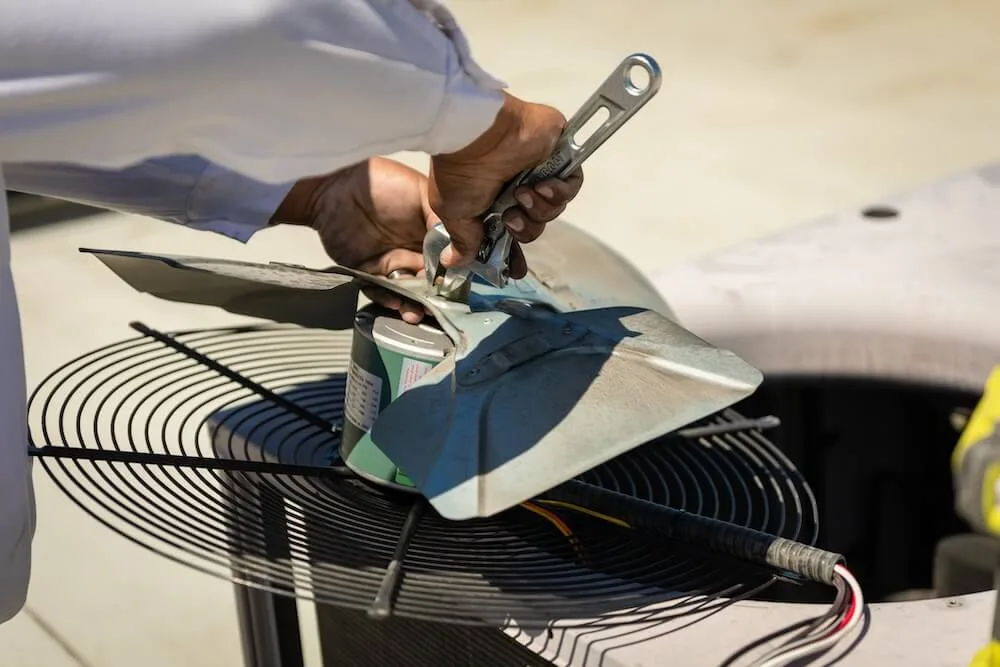
A low sticker price is not a win by itself. Compare scope of work, equipment specs, sizing documents, duct testing, permits, and warranty details. An itemized bid prevents surprise costs at the end of the job.
Ask for references and verify licenses and insurance. Bids that skip Manual J or airflow testing often lead to comfort issues later. Use a checklist to compare offers and force apples-to-apples comparisons.
What should a complete written estimate include?
A complete estimate lists make, model, capacity, and efficiency ratings for each major component. Labor, materials, permit fees, and any required electrical or duct work should be itemized. Clear start and finish dates are also needed.
The bid should state assumptions, such as reuse of existing ducts or required upgrades. Require Manual J and Manual D documentation when relevant. Also ask for warranty details in writing.
Which red flags mean lowball bids?
Very low bids can hide missing items like permits, load calculations, or startup testing. Vague scopes and oral promises are another warning. Pushy sales tactics that demand immediate decisions are common with lowball offers.
If a bid looks too cheap, ask detailed follow-up questions. Request a written change order for any work outside the original scope. Multiple bids help spot outliers and protect you from surprise costs.
How to verify licensing and insurance?
Ask for the contractor’s license number and proof of liability and workers’ compensation insurance. Call your local licensing board to confirm status if you need more certainty. Keep copies of all documents with the contract.
Valid licensing and insurance protect you from liabilities and poor work. Unlicensed jobs can void permits and affect resale value. Make verification a non-negotiable step before work begins. [Point 2] (Source: ASHRAE Technical Resources)
What questions should you ask about warranties?
Ask if warranties cover parts only or parts plus labor. Confirm lengths for compressors and heat exchangers. Also ask whether warranties transfer to a new owner if you sell the home.
Verify whether annual maintenance is required to keep warranties valid. Ask who handles warranty repairs and what documentation is needed to make a claim. Get warranty terms in your contract.
How to compare SEER, AFUE and efficiency claims?
SEER rates cooling efficiency for air conditioners and heat pumps. AFUE rates gas furnace efficiency. HSPF and COP measure heat pump heating performance. Higher numbers generally mean lower energy use, all else equal.
Compare real savings by using your local energy costs and expected runtime. A small SEER jump may not pay off if you rarely run the AC. Ask bidders for estimated annual energy use under local conditions.
What role do load calculations play in bids?
Load calculations show required capacity based on area, insulation, windows, and orientation. Correct Manual J sizing prevents oversizing and thermal comfort problems. Bids without load calculations should be treated with caution.
Ask each contractor to provide the Manual J and show how they chose the unit. That transparency helps you compare rivals and prevents debates after installation.
How to evaluate contractor references and reviews?
Request recent customers with similar jobs and call them. If possible, visit completed jobs to inspect work quality. Online reviews help spot patterns but watch for overly positive or clearly fake posts.
Look for repeated complaints about missed deadlines, poor cleanup, or warranty denial. Strong local references and steady business presence are good signs when picking a contractor.
What timeline and staging should be expected?
Simple equipment swaps often finish in one day when access is good and ducts match. Jobs with duct changes, electrical work, or framing needs can take several days to a week. Agree on a realistic timeline in writing.
Ask about staging, daily cleanup, and work hours. Confirm who is responsible for debris and how the techs will protect floors and landscaping during work.
Are written test reports and permits required?
Permits and final inspections are commonly required for HVAC replacements. Contractors should pull permits and provide inspection receipts. Written startup and test reports like airflow and refrigerant pressures prove the job was done to spec.
Keep startup reports and inspection sign-offs with your equipment manual and warranty. These documents are often needed for rebates and warranty claims later.
Which smart upgrades save money long term?
Smart controls, zoning, and building shell improvements often deliver strong returns. They can reduce run time and improve comfort more than a small jump in equipment efficiency in some homes. Match upgrades to your home's needs and patterns.
Combine thermals and controls for best results. Upgrading insulation or sealing air leaks reduces the needed capacity. Then choose controls that optimize runtimes and maintain comfort in occupied zones only. [Point 3] (Source: ASHRAE Technical Resources)
Will a smart thermostat cut energy bills?
Smart thermostats can save 5–15 percent on heating and cooling when used properly. Savings depend on occupant behavior and system type. Remote control and learning features help reduce wasted runtime when people are away.
Installers should configure the thermostat for your system. Verify compatibility before buying and ask the installer to show optimal schedules and settings during the walkthrough.
Is zoning worth the extra cost?
Zoning uses dampers and multiple thermostats to control different areas. It can cut energy by conditioning only occupied spaces and improve comfort in large or multi-story homes. Cost-effectiveness depends on home layout and usage patterns.
If some rooms are rarely used or temperature differences are common, zoning often pays back over several years. Ask for a heat load map and estimated runtime improvements before committing.
How does insulation and air sealing impact savings?
Sealing air leaks and adding insulation reduce heating and cooling loads. A tighter shell means lower run time and possibly smaller equipment needs. The building envelope often gives the highest return per dollar spent.
A blower-door test highlights leaks and shows where targeted sealing will help most. Combine shell work with HVAC upgrades to maximize comfort and lower long-term costs.
Ready to save? Get a free estimate?
When you are ready to move forward, request an on-site evaluation that includes Manual J sizing and a duct inspection. On-site visits catch access issues and hidden defects that phone estimates miss. Bring recent utility bills and note comfort problems for the tech.
A clear, itemized proposal should include equipment, labor, permit fees, and testing reports. Ask about rebate help, financing offers, and maintenance plans. Compare at least three detailed bids before deciding to protect your budget.
How to request a site visit and quote?
Call contractors and ask for an in-home evaluation rather than a phone estimate. Request Manual J sizing, duct inspection, and a written, itemized proposal. Schedule visits at similar times of day to compare baseline comfort and loads.
Provide recent utility bills and describe problem areas during the visit. Ask for start and completion dates, permit handling, and a clear warranty in the written quote. Use those items to compare bids fairly.
Call to action
If you live in Las Vegas, Henderson, or North Las Vegas, call The Cooling Company at (702) 567-0707 for a free on-site estimate. Our licensed technicians perform Manual J calculations, duct inspections, and full-system installs with permits and written startup reports. We will explain rebate and financing options.
Outside our service area, look for NATE-certified technicians through natex.org to verify credentials. If you want local help, The Cooling Company serves Las Vegas, Henderson, and North Las Vegas and will walk you through system choices, smart upgrades, and permit logistics.
How to make a final decision with confidence?
Compare bids using the same assumptions on duct reuse, insulation, and thermostat type. Favor contractors who provide documentation like Manual J, startup reports, and warranty terms in writing. Look for steady local reviews and verifiable references.
Plan for a small contingency and a maintenance schedule after install. Annual or semi-annual tune-ups protect efficiency and warranty coverage. Early planning and clear documents reduce the chance of costly surprises.
Final practical checks to do before signing
Verify the contractor’s license and insurance. Ask for model numbers and efficiency ratings in writing. Confirm who pulls permits and who handles rebate paperwork. Check the proposed start date and cleanup plan.
Request a list of what will trigger a change order and ask the contractor to put it in the contract. Keep copies of all documents and startup reports with your warranty and owner manual for future claims.
Related reading: what to explore next?
- Smart Thermostat Energy Savings: How to Cut Your Bills Fast Now
- New HVAC System Cost in Las Vegas: Pricing, Factors, and Savings
- New HVAC Cost: Breaking Down the Costs of Your Upgrade
- Should You Replace Furnace and AC at the Same Time?
About The Cooling Company
- Phone: (702) 567-0707
References
- U.S. Department of Energy (Energy.gov) (accessed 2025-12-27)
- U.S. Environmental Protection Agency (EPA) (accessed 2025-12-27)
- ASHRAE (Standards and guidance) (accessed 2025-12-27)
- ENERGY STAR (Heating & cooling) (accessed 2025-12-27)
Related service: Need AC service in Las Vegas? Explore our AC repair and AC maintenance services for Las Vegas homeowners.
Need HVAC Service in Las Vegas?
The Cooling Company provides expert HVAC service throughout Las Vegas, Henderson, and North Las Vegas. Our licensed technicians deliver honest assessments, upfront pricing, and reliable results.
Call (702) 567-0707 or visit AC repair, maintenance, heating, or installation for details.