

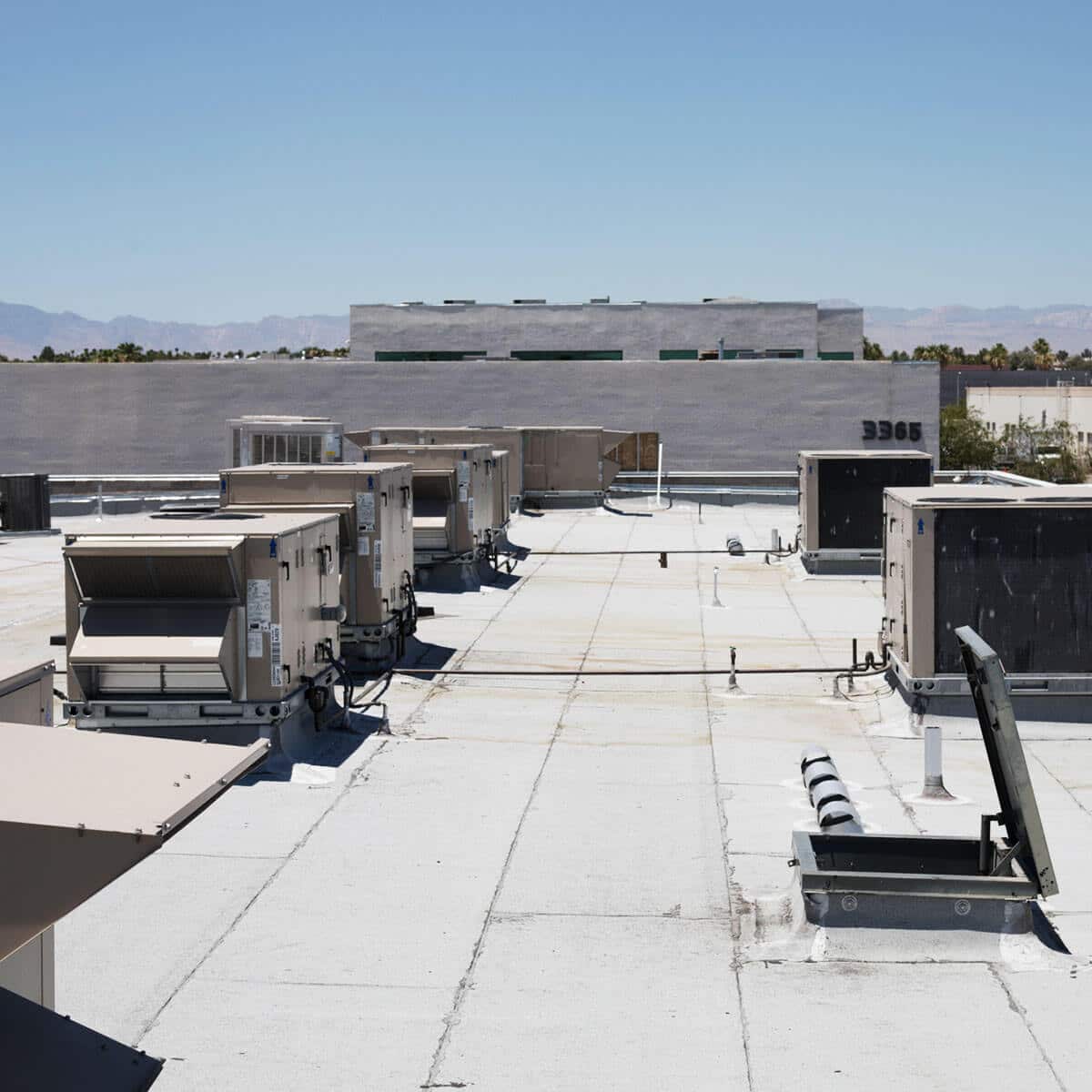
Open-loop ground source heat pumps use well or surface water directly as the heat-transfer fluid. They can cut heating and cooling bills where wells supply steady flow and water chemistry is acceptable. Test yield, chemistry, and permits before choosing open-loop over closed-loop or air-source systems. (Source: ASHRAE Technical Resources)
Key Takeaways
Short answer: An open-loop ground source heat pump draws well or surface water through a heat exchanger to heat and cool your home, achieving COPs of 3.0–5.0 — far more efficient than conventional systems. They work best where wells deliver steady flow with clean water chemistry and local permits allow discharge. For Las Vegas homeowners exploring geothermal options, call The Cooling Company at (702) 567-0707 to discuss what system fits your property.
- Open-loop systems use groundwater or surface water through a heat exchanger.
- Typical design flows are about 2–4 gpm per ton; confirm with pump test.
- Expect COPs often in the 3.0–5.0 range when water and flow are favorable.
- Always get a full water panel and check local discharge permits early.

What is an open-loop ground source heat pump?
Open-loop ground source heat pumps draw groundwater or surface water and send it through a heat exchanger. The system extracts heat from or rejects heat to the water and then returns or discharges the water per permit rules. That direct contact with water often gives higher efficiency than air-source systems.
Many open-loop installs use a plate or shell-and-tube exchanger to separate water from refrigerant. Pumps, filters, and controls manage flow and protect equipment. Designers choose equipment based on measured yield, water chemistry, and discharge options to ensure long-term, low-cost operation.
How does an open-loop system work?
A well pump or intake lifts water into the mechanical room at a steady flow. Water passes through a heat exchanger where heat moves into or out of the heat pump. After the exchanger, water returns to a permitted discharge point or reinjection well.
Controls keep flow steady and protect against low-yield conditions. Filters stop sediment and iron before the exchanger. Many systems use variable-speed pumps to match flow to load and to save pump energy.
What role does groundwater play?
Groundwater provides a stable temperature sink in summer and source in winter. Temperatures often vary less than outdoor air, which keeps the heat pump efficient across seasons. That stability helps produce higher COP values than many air-source systems.
Flow rate and incoming water temperature set the heat transfer capacity. Higher flow typically raises available tons; warmer winter water improves heating COP. Designers use measured temperature and a pump test to size the system correctly.
How is a heat exchanger used?
A heat exchanger keeps raw water apart from refrigerant or closed hydronic loops. Plate exchangers are common for their compact size and ease of service. Double-wall or certified shell-and-tube exchangers are needed where codes demand physical separation.
See why homeowners trust us — view our industry awards and certifications.
Choosing the right exchanger material depends on water chemistry. Stainless steel, titanium, or coated surfaces resist corrosion and scaling. Proper selection reduces maintenance and helps preserve the heat pump warranty. (Source: Energy gov Heat Pump Tips)
How efficient are open-loop systems?
Open-loop systems often reach high COPs because of stable water temperatures and direct heat transfer. Under good site conditions, a system may deliver COPs in the 3.0–5.0 range. Higher COPs translate directly to lower operating costs for heating and cooling.
For help understanding efficiency ratings, see our SEER rating guide.
Real performance depends on design, controls, and maintenance. Poor water quality, low flow, or undersized pumps can reduce COP. A carefully designed system with proper filtration and monitoring preserves efficiency over time.
What is COP and why does it matter?
COP, or coefficient of performance, is heat output divided by electrical input at that moment. A COP of 4 means four units of heat for one unit of electricity. Higher COP values mean lower energy bills for the same indoor comfort.
COP varies with incoming water temperature, load, and staging. Designers should provide expected COP at measured groundwater temperatures and show seasonal estimates for better comparisons across options.
How efficient are open-loop systems in practice?
Many real systems show 30–60 percent reductions in HVAC energy compared with older gas or electric systems. Savings vary by local electricity prices, home efficiency, and how well the system is sized and maintained. Summer savings can be strong in hot climates.
Track gpm per ton, water temperature, and pump kilowatts to verify performance. These simple metrics help owners spot fouling or flow drops that would lower COP and raise bills.
What site tests and permits are required?
Before committing to open-loop, perform a sustained pump test and a full water chemistry panel. The pump test confirms sustainable gpm and drawdown. The chemistry panel shows pH, hardness, TDS, iron, manganese, silica, chloride, and bacteria levels.
Permit needs vary by state and county. Well alterations, surface discharge, or reinjection often require permits. Confirm local rules early to avoid design changes and cost surprises during permitting.
What permits are typically required?
Most jurisdictions require well permits for drilling or modifying a well used for heat rejection or withdrawal. Surface discharge to a pond or stream may need environmental approval. Reinjection wells often need separate groundwater permits.
Check with state well boards and local environmental agencies early. Permit timelines can add weeks to months, and some permits require lab results and engineered plans.
How do discharge rules vary by location?
Some areas allow surface discharge to a pond or stream with limits on temperature and contaminants. Other regions prohibit surface discharge and require reinjection or sewer connection. Local groundwater protections shape those rules.
Designers must plan discharge paths that comply with rules and practical site limits. Early conversations with authorities avoid redesign and extra costs during construction.
What water tests should homeowners request?
Ask for a lab panel with pH, TDS, hardness, iron, manganese, silica, chloride, and bacterial counts. Measure incoming water temperature and record seasonal values if possible. Include metals if the well or aquifer has known concerns.
A certified lab report helps choose exchanger materials, filters, and treatment steps. Keep the report for permitting and future maintenance records. (Source: Energy gov Heat Pump Tips)
Is my property suitable for open-loop?
Suitability depends on three main items: sustainable well yield, acceptable water chemistry, and a legal discharge route. Space for equipment and access for service work also matter. If any of these items are weak, consider closed-loop or hybrid systems.
A professional pre-screen saves money. Early tests and a pump report will tell you if open-loop is viable. If not, designers can propose alternatives like closed loops or reinjection wells.
How is system size determined?
Start with a Manual J load calculation to set the home heating and cooling needs. Convert the load into system tons and then calculate required flow in gpm per ton. Designers then confirm that the well can supply the needed flow.
Sizing also factors in pump head, exchanger capacity, and part-load controls. Oversized systems may short-cycle, while undersized ones will not meet comfort targets.
How does well yield affect performance?
Well yield in gpm limits how much heat you can move. Rule-of-thumb designs often use 2–4 gpm per ton. If a well cannot supply needed flow, the system will short-cycle or need buffering storage.
A professional pump test shows sustained gpm, drawdown, and recovery. Designers use these numbers to size pumps, select a buffer tank, or recommend reinjection or closed-loop options.
What inspection standards should designers follow?
Designers should follow IGSHPA guidelines and local well and plumbing codes. Manufacturer installation instructions and ASHRAE recommendations help ensure safe and efficient systems. Keep documentation for permits and warranties.
Inspections typically include flow tests, temperature logs, and water chemistry confirmation. Thorough commissioning verifies operation and catches installation errors before warranty periods start.
What maintenance and monitoring are needed?
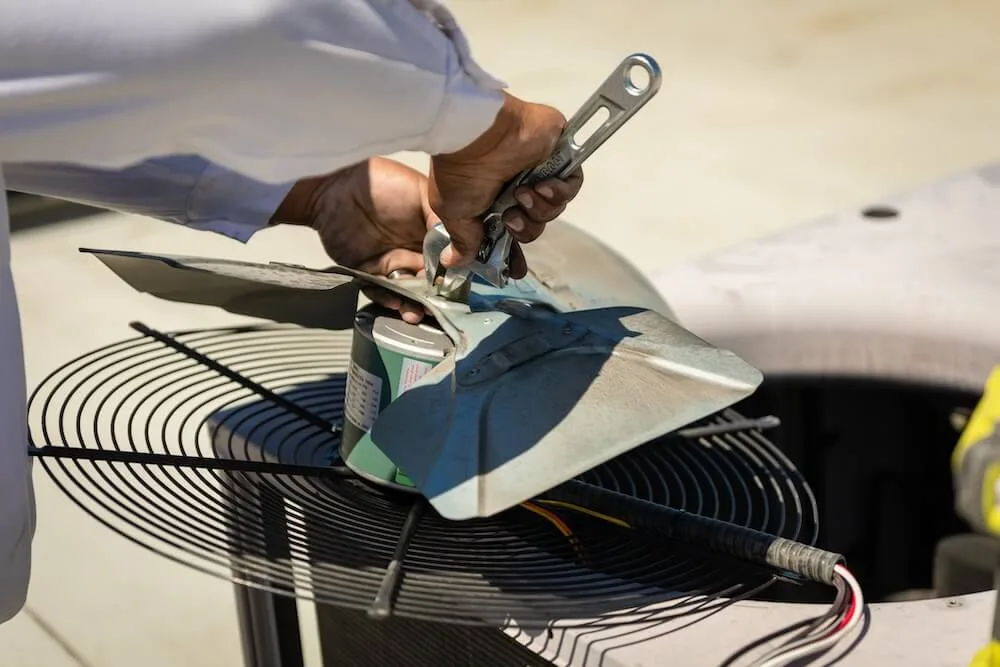
Routine checks protect efficiency and extend equipment life. Expect filter checks, water tests, and pump inspections at scheduled intervals. Plate exchangers need visual checks for fouling and occasional chemical cleaning.
Monitoring flow, temperature, and pump kW helps detect issues early. Remote alerts and simple data logging can notify owners or service techs before small problems grow into big failures.
What water quality issues should I check?
Look for high hardness, iron, manganese, silica, and elevated TDS. Hardness above roughly 120 ppm and iron over 0.3 mg/L raise fouling risks. Low pH can cause corrosion in some metals.
When chemistry is poor, designers may add softeners, filters, or chemical feed. In extreme cases, a double-wall exchanger or closed-loop option is safer and cheaper over the long run.
How often should filters and exchangers be serviced?
Filter frequency depends on water quality and sediment loads. Many systems use monthly checks at first and move to quarterly checks when water is clean. Exchangers often get a visual inspection yearly and a cleaning as needed.
If iron or bacteria are present, expect more frequent service. Keep a maintenance log to track trends and avoid unexpected downtime. [Point 1] (Source: Energy gov Heat Pump Tips)
What monitoring systems are recommended?
Install flow meters, inlet and outlet temperature sensors, and pump power monitoring. Log data for at least a week during commissioning to establish baselines. Remote alerts help catch sudden drops in flow or rises in head.
These simple tools prove performance for incentives and warranty claims. They also help contractors tune controls for lowest energy use.
What are the costs and payback timelines?
Installed costs vary by site work, exchanger type, and permit needs. Typical small to medium home installs often range widely, with many falling between $15,000 and $45,000. Costs rise with complex well work or reinjection requirements.
Payback depends on local energy prices, incentives, and actual COP. Good sites often see simple paybacks in 6–12 years. Include maintenance and water-treatment costs when modeling life-cycle savings.
What is the upfront cost range?
Expect the heat pump, exchanger, pumps, controls, and well or reinjection work to be part of the total. Local labor and permit fees affect price strongly. Getting detailed, line-item quotes helps compare bids properly.
Ask for assumptions in each quote, like gpm per ton, exchanger type, and permit handling. That lets you compare apples to apples when choosing a contractor.
How do operating costs compare year to year?
Operating costs are often much lower than older electric resistance or inefficient fossil systems. Savings are larger where electricity prices are moderate and heating loads are sizable. Cooling savings add up where groundwater is cooler than outdoor air.
Plan for modest annual maintenance and water-treatment costs. Those usually pay back quickly through lower energy bills and reduced peak charges.
Are there rebates or tax incentives?
Many utilities and states offer incentives for geothermal heat pumps. Programs change over time, and some need pre-approval or certified installers. Check current local and federal incentives early in the planning phase.
Learn about available rebates and tax credits for energy-efficient HVAC equipment.
Incentive availability can move payback estimates by several years. Getting pre-approval or required documentation is often part of qualifying for rebates.
How does open-loop compare to other systems?
Open-loop often gives higher efficiency than air-source heat pumps in cold climates and can be cheaper than closed-loop when a good well exists. Closed-loop avoids most water-quality and discharge problems but may cost more for loop piping.
Compare life-cycle costs and local permit complexity before choosing. For many homes with acceptable water and permits, open-loop offers the best mix of efficiency and cost.
How does open-loop differ from closed-loop?
Open-loop uses groundwater directly through an exchanger. Closed-loop circulates a glycol mixture in buried piping. Open-loop needs a water source and discharge plan, while closed-loop needs land or drilling for loop fields.
Closed-loop avoids most water testing and discharge permits. It also reduces corrosion and fouling risks but can cost more for loop installation depending on site conditions. [Point 2] (Source: Energy gov Heat Pump Tips)
What are pros versus air-source heat pumps?
Air-source units are easier to install and cost less up front. They lose efficiency when outside air is very cold or very hot. Open-loop systems use groundwater, which stays more stable and gives higher COPs in many climates.
If upfront cost is the main concern, air-source may win. If operating cost and long-term savings matter more, open-loop often looks better where the site allows it.
What failure modes should homeowners know?
Common failures include pump burnout due to low flow, exchanger fouling from scaling, and corrosion-induced leaks. Control wiring or valve failures also occur. Early signs include reduced flow, higher pump kW, and lower COP.
Scheduled monitoring catches these problems early. Fixing a small filter clog or cleaning an exchanger is far cheaper than replacing a failed pump or heat exchanger.
What questions should you ask a contractor?
Request documented pump-test results, a full water chemistry lab report, and a Manual J load calculation. Ask about IGSHPA experience, recommended exchanger type, and a sample maintenance schedule. Also get references for local installs.
Require a line-item quote showing well work, exchanger cost, pumps, and permit fees. Compare the bids based on assumptions and expected performance rather than price alone.
Ready to schedule a site assessment?
If you want a hands-on assessment in the Las Vegas area, call The Cooling Company at (702) 567-0707. Our technicians will review well logs, schedule a pump test, and arrange a full water chemistry panel. We provide a clear design recommendation and cost estimate based on measured data.
For homeowners in Las Vegas, Henderson, or North Las Vegas, we also explain permit paths and likely timelines. If you live outside our area, use NATE at natex.org to find certified technicians and bring their test results to us for remote guidance and a free consult.
How does The Cooling Company conduct assessments?
First, we review available well logs and property data to pre-screen feasibility. Next, we schedule a one- to two-hour pump test and collect water for lab analysis. Finally, we produce a scope of work, permit list, and maintenance plan tied to measured results.
Our team documents flow, temperature, and chemistry so you can compare options and get accurate permits. We also offer monitoring setup and recommended maintenance schedules to protect long-term performance.
What should you expect after the assessment?
You will receive a written estimate with line items for well work, heat exchanger, pumps, controls, and permit handling. The report shows expected COP, yearly energy savings, and a simple payback range. We also include recommended filters and service intervals.
If you decide to move forward, The Cooling Company can manage permits, coordinate inspections, and perform commissioning. Our goal is a reliable system that meets code and delivers the savings you expect.
How do I contact The Cooling Company?
Las Vegas area homeowners can call The Cooling Company at (702) 567-0707 to schedule a free site assessment. Mention geothermal or open-loop screening and we will give a clear next step. Service areas include Las Vegas, Henderson, and North Las Vegas.
Out-of-area readers can visit NATE at natex.org to find certified technicians near them. You may also bring lab and pump-test results back to The Cooling Company for a remote consult and cost estimate.
Final notes and next steps
[Point 1] Open-loop ground source heat pumps deliver strong efficiency gains where wells provide steady flow and water chemistry is acceptable. Start with a pump test and a full lab panel. Early planning saves time and avoids costly redesigns during permitting.
When in doubt, collect measured data and ask for a line-item quote. For Las Vegas, Henderson, and North Las Vegas homeowners, call The Cooling Company at (702) 567-0707 to schedule a free assessment and see whether open-loop is the right fit.
Related reading: what to explore next?
- Smart Thermostat Energy Savings: How to Cut Your Bills Fast Now
- Radiant Heat Pump: Combining Radiant Heating with Heat Pump Efficiency
- Do Heat Pumps Use a Lot of Electricity?
About The Cooling Company
- Phone: (702) 567-0707
References
- U.S. Department of Energy (Energy.gov) (accessed 2025-12-27)
- U.S. Environmental Protection Agency (EPA) (accessed 2025-12-27)
- ASHRAE (Standards and guidance) (accessed 2025-12-27)
- ENERGY STAR (Heating & cooling) (accessed 2025-12-27)
Related service: Considering a heat pump for your Las Vegas home? Explore our heat pump installation and heating services services for Las Vegas homeowners.
Need HVAC Service in Las Vegas?
The Cooling Company provides expert HVAC service throughout Las Vegas, Henderson, and North Las Vegas. Our licensed technicians deliver honest assessments, upfront pricing, and reliable results.
Call (702) 567-0707 or visit heating, heat pump installation, furnace repair, or heating maintenance for details.