

Short answer: Homeowners, take heed: as the temperature begins to drop, one of the most unpleasant surprises you can face is turning on your furnace, much akin to toggling an air conditioning (AC) unit nestled in your attic, only to be met by strange sounds instead of the welcoming warmth expected throughout each room. This issue is akin to discovering that your phone isn't working due to an overlooked system update, or finding your vital HVAC products, like a humidifier or air conditioner, failing due to disregarded pre-winter care. A clear sign of this negligence could be a buildup of dust on your dear furniture. Some appliances, like your air conditioning (AC) unit, require regular tune-ups and HVAC maintenance. To prevent these issues, it's crucial to prepare your furnace and other essential HVAC equipment by following the appropriate steps mentioned in the system's manual.
HVAC Furnace Maintenance
Your furnace is the heart of home comfort in winter. For Las Vegas homeowners, maintenance should focus on dust control, safe ignition, and efficient airflow so your system runs reliably through occasional cold snaps.
- Check the pilot or electronic ignition. If your furnace uses a pilot light, confirm it stays lit and the flame is steady and blue. For electronic ignitions, listen for repeated attempts to start, which can indicate a failing ignition control.
- Inspect the blower and cabinet for dust build-up. Desert dust in the Valley can clog components faster than humid climates. A quick vacuum of the blower compartment and a wipe down of access panels reduces strain.
- Verify the flue and venting. Ensure the exhaust vent is clear of debris and animal nests. Improper venting can lead to unsafe combustion or carbon monoxide exposure.
- Look for signs of wear. Rust, oil stains, or soot around the heat exchanger or burners require professional inspection.
When to call a professional
If you notice any of the following, schedule service:- Strange smells of gas or persistent burning odors
- Repeated failure to ignite, frequent cycling, or loud banging noises
- Visible cracks or heavy rust on the heat exchanger
- For urgent failures, consult our emergency guide and service options: Emergency Heating and Cooling Service: 7 Quick Fixes for Emergency.
Quick pro tip
Document model and serial numbers, last service date, and any odd sounds you hear. This information speeds up diagnostics when you call a technician and improves repair accuracy.
In-Depth HVAC Winter Preparation:
- Professional Inspection: While DIY checks have their merits, contractors who are experts in HVAC systems can conduct more thorough inspections. They can carefully check for issues like carbon monoxide leaks, faulty wiring, or mechanical wear and tear, that may not be easily detectable to the untrained eye. Ensuring your HVAC unit's health, both from a physical and auditory perspective, is vital for the well-being of your family.
- The remaining sections continue as is until the end, providing integral tips for maintaining and winterizing your HVAC system – delivering a warm, efficient and hassle-free winter.
- Sealing and Insulation: With the help of a heat pump, check for drafts around windows, doors, and ductwork by feeling for any cold air entering around these areas. Proper sealing and insulation can prevent heat loss, reduce energy bills, and ensure your system isn't overworked.
- Upgrading Your Thermostat: Consider the opportunity to switch to a programmable or smart thermostat if you haven't already: These devices can optimize your heating schedule, reduce energy usage, and even alert you to system problems.
- Regular Cleaning: Beyond just the furnace blower compartment, ensure that all components, especially the outdoor unit, are free from debris and obstructions such as grass clippings. Leaves, dirt, and snow can impair efficiency and lead to costly repairs down the line.
- System Optimization: Have a technician ensure your system is running at peak efficiency. This might include adjusting fan speeds, ensuring proper airflow, and checking refrigerant levels in heat pumps.
- Educate Household Members: Make sure everyone in your family understands basic operation and what signs might indicate a problem with your HVAC systems by listening to the sound of the devices. Early detection, at times, translates to avoiding minor issues from becoming major breakdowns.
- Emergency Preparedness: Know what to do and whom to call if your system fails in the middle of winter. Having a plan can reduce the time you're without heat and prevent you from making rushed choices that might lead to unnecessary costs.
- Consider Upgrades: If your HVAC unit is old and frequently needs repairs, it might be more cost-effective to replace it. Modern systems are more energy-efficient and reliable, offering an array of product choices to fit your home's requirements.
- Duct Maintenance: Dirty or leaky ducts can significantly reduce system efficiency. Have them inspected and cleaned as needed. Don't forget to repair or replace faulty components; this includes paying attention to the ductwork, a critical area often overlooked during maintenance.
Long-Term Benefits:
- Cost Savings: Regular maintenance and timely repairs can prevent more expensive problems and reduce energy costs by maintaining efficiency.
- Comfort: A well-maintained system provides consistent warmth and better air quality, making your home more comfortable during the harsh winter months.
- Longevity: Regular care can extend the life of your HVAC system, delaying the need for costly replacements.
Preparing your HVAC for winter is about more than just a quick check; it's about ongoing care and understanding the integral role your HVAC systems play in your family's comfort and safety. By combining DIY checks with professional services, product reviews, and making smart upgrades, you can ensure a warm, efficient, and trouble-free winter. Remember, the best time to prepare is before the cold weather sets in, so plan your maintenance accordingly.
Change your HVAC Filter
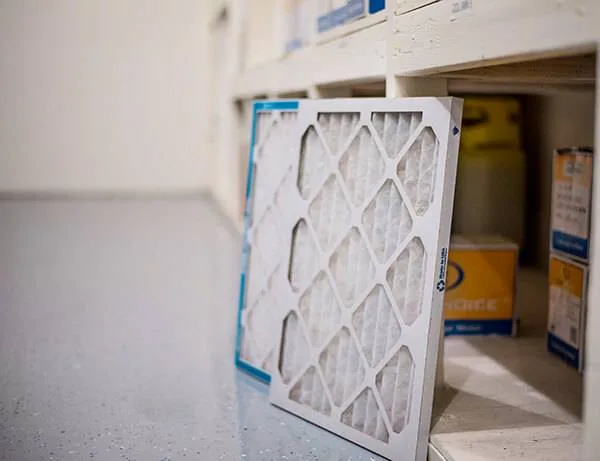
A clean filter is the single most effective DIY step to keep a furnace running well. In Las Vegas, fine desert dust and seasonal pollen mean filters need more attention.
- Frequency: Replace or clean filters every 1 to 3 months. If you have pets, allergies, or high dust exposure, change monthly.
- Choose the right filter: Aim for a MERV 8 to MERV 11 for homes. Higher MERV ratings capture more particles but may reduce airflow on older systems. Check your furnace manual or a technician if unsure.
- How to replace:
- Turn off the furnace power at the switch or breaker.
- Locate the filter slot, usually near the return air grille or blower compartment.
- Note the filter size printed on the frame, slide the old filter out, and insert the new one with arrows pointing toward the furnace.
- Turn power back on and record the replacement date.
Checklist: Filter replacement
- - Turn off power to the furnace
- - Confirm filter size and MERV rating
- - Inspect the old filter for excessive dust or moisture
- - Install new filter with airflow arrow toward furnace
- - Mark replacement date on calendar
Practical note for Las Vegas: consider a slightly higher-grade filter (MERV 10 to 11) during dusty springs and monsoon season for better indoor air quality, but schedule a professional airflow check if you upgrade to avoid strain.
For homes with duct issues or frequent filter clogging, see considerations for duct condition and replacement costs: Air Duct Replacement Cost: What Commercial Owners Should Expect Today.
Our cost guide breaks down the costs you can expect.
Test your HVAC Thermostat
A properly working thermostat ensures your furnace runs only when needed, saving energy and preventing unnecessary wear.
- Basic tests:
- Replace batteries then set the thermostat to heat and raise the setpoint 3 to 5 degrees above room temperature. The furnace should respond within a few minutes.
- Test both heating and fan modes. If the fan runs but the furnace does not ignite, note the symptom for a technician.
- Smart thermostat checks:
- Confirm Wi-Fi connection and that the schedule reflects your daily routine.
- Use the system test mode (most smart thermostats include this) to run the furnace briefly to confirm cycles.
- Calibration:
- Compare the thermostat reading to a simple room thermometer placed nearby. If readings differ by more than 2 to 3 degrees, recalibrate or replace the thermostat.
- Heat pump note:
- If your home uses a heat pump partnered with a furnace, test the emergency heat and make sure the system switches modes correctly. For more about heat pump considerations in Las Vegas, see: Heat Pump Cost Las Vegas: What You Need to Know.
Quick troubleshooting tip
If the thermostat does not call for heat but the furnace works manually, the issue is likely the thermostat wiring or settings. If it calls but the system does not start, Heater Not Turning on: Quick Troubleshooting Steps Before Calling has steps you can try before scheduling a service call.Check your Vents
Sealing, Insulation, and Draft-Blocking Checklist (Las Vegas)
Even in Las Vegas, sealing leaks and proper insulation reduce energy waste and keep heating demand low during cold evenings.
- Inspect common leak points:
- Weatherstrip doors and windows, especially older frames in historic neighborhoods like Downtown Vegas and East Las Vegas.
- Seal gaps where ducts pass through attics or crawl spaces with mastic or foil-backed tape.
- Attic and crawlspace insulation:
- Check attic insulation depth. If it is low or compressed, add insulation to recommended levels. Even moderate R-values make a difference in desert climates by stabilizing night-to-day temperature swings.
- Simple draft tests:
- On a breezy evening, use a lit incense stick to find drafts near doors, windows, and outlets.
- Professional sealing:
- For stubborn leaks or if you plan ductwork replacement, get an estimate for repair work: Cost to Install HVAC System with Ductwork: Find Exact Cost Ranges Now.
DIY checklist
- - Add weatherstripping to exterior doors
- - Caulk gaps around window frames and utility penetrations
- - Insulate accessible attic spaces to recommended depth
- - Seal duct seams in accessible areas with approved materials
Blocked or closed vents reduce airflow and create hot or cold spots. Proper vent inspection balances comfort and efficiency.
- Walk each room and feel airflow with your hand. Weak flow can indicate closed vents, dirty ducts, or leaks.
- Keep vents unobstructed. Furniture, curtains, and rugs should not block registers.
- Clean vent covers yearly. Remove and vacuum or wash covers to clear dust that can carry inside from outdoor desert conditions.
- Look for signs of pest intrusion or mold around vents and duct seams. Any sign of contamination should be addressed by a technician.
Balancing and airflow
- If rooms are unevenly heated, slightly close vents in warmer rooms (no more than 20 percent) rather than fully closing them, which can raise system pressure and cause duct leakage.
- If you suspect duct damage or frequent airflow problems, learn more about duct repair and replacement costs to plan upgrades: Cost to Install HVAC System with Ductwork: Find Exact Cost Ranges Now.
Quick vent checklist
- - Test airflow in each room
- - Remove obstructions from registers
- - Wash vent covers if visibly dirty
- - Note uneven rooms and track changes after filter replacement
Carbon Monoxide Safety: Detectors and Testing
Carbon monoxide (CO) is a silent, deadly risk when combustion appliances run improperly. Make CO safety part of your winter prep.
- Install CO detectors on every level of your home and outside sleeping areas. Replace detectors every 5 to 7 years or per manufacturer guidance.
- Test detectors monthly. Press the test button and replace batteries annually, or when prompted by the device.
- If you smell gas or your CO detector alarms:
- Evacuate everyone immediately and call 911.
- Do not re-enter until first responders say it is safe.
- For furnace-related emergencies and guidance, review our emergency service recommendations: Emergency Heating and Cooling Service: 7 Quick Fixes for Emergency.
- Schedule an annual professional CO check when your furnace is inspected. Technicians measure CO levels at the flue and in the combustion chamber to ensure safe operation.
Practical Las Vegas tip: because winters are milder and residents often run HVAC systems intermittently, verify CO detectors after the first prolonged run each season to catch any issues from long idle periods.
Related service: Need furnace service in Las Vegas? Explore our furnace repair and heating maintenance services for Las Vegas homeowners.
Need HVAC Service in Las Vegas?
The Cooling Company provides expert HVAC service throughout Las Vegas, Henderson, and North Las Vegas. Our licensed technicians deliver honest assessments, upfront pricing, and reliable results.
Call (702) 567-0707 or visit heating, furnace repair, heating maintenance, or heat pump installation for details.