

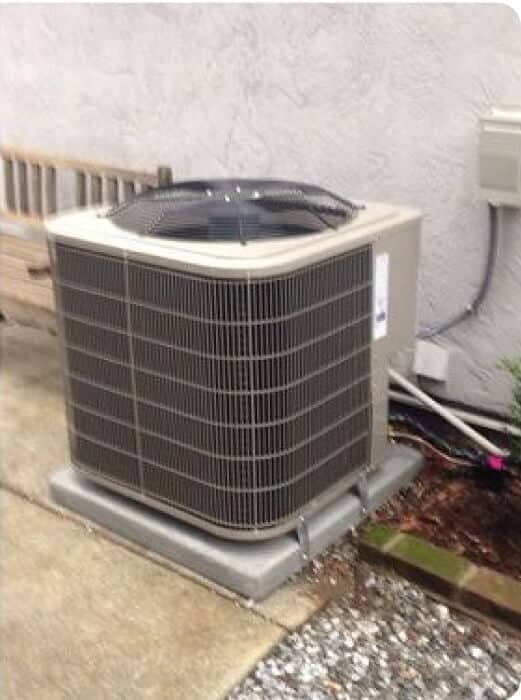
Short answer: A radiant heat pump system combines a heat pump's efficiency with hydronic radiant floor heating, circulating warm water through tubing beneath your floors. It delivers even, draft-free comfort at lower operating temperatures than forced air, making it one of the most efficient and comfortable heating methods available.
Radiant heat pumps pair a heat pump with water-filled tubing to warm floors, walls, or ceilings. They run water at lower temps than boilers, which lets the heat pump work more efficiently. When sized and controlled right, they cut energy use and give steady, quiet comfort for many homes. (Source: Energy gov Heat Pump Tips)
Key Takeaways
- Low supply temps increase COP and lower bills.
- Ground loops help in cold climates; air-to-water works well elsewhere.
- Good controls and proper flow matter more than brand names.
- Incentives and careful sizing speed payback.

What is a radiant heat pump?
A radiant heat pump is a system where a heat pump heats water that circulates inside tubing in floors, ceilings, or panels. The tubing transfers heat into the slab or panel. That slab then radiates and convects warmth to people and surfaces in the room.
Most systems use air-to-water or ground-source heat pumps to raise water temperature. Heat pumps run at lower water temps than boilers. Lower temps mean higher heat-pump efficiency when paired with large-area emitters like slab floors or ceiling panels.
How does hydronic radiant heating work?
Hydronic radiant moves warm water through loops of PEX or similar tubing embedded in a slab or panel. Heat moves from the loops into the concrete or panel and then into the room air. The process gives slow, even heat and fewer air temperature swings than forced air.
A manifold directs flow to each loop and lets you balance rooms. Pumps push water and controllers manage flow and setpoints. You will also see parts like expansion tanks and automatic air vents in most systems.
Why does radiant feel more comfortable?
Radiant warms surfaces first, which warms people directly. That raises comfort without raising air temperature a lot. Warm floors reduce cold feet and cut drafts that happen with vents.
The slab acts as thermal mass. It smooths short swings in heat demand and keeps the space stable. Many homeowners report a quieter, steadier feel compared to forced-air systems.
Which heat pump types suit radiant best?
Both air-to-water and ground-source heat pumps work with radiant distribution. Air-to-water units tend to cost less to install. They do well in moderate climates and with cold-climate models for colder areas.
Ground-source heat pumps offer steadier COP in long cold spells because the ground temperature is stable. They need a ground loop field, which raises installation cost. Choose the source that matches your budget and climate.
How efficient are air-to-water heat pumps?
Air-to-water heat pump efficiency depends on outdoor air and needed supply temperature. COPs often fall in a range that depends on the unit and conditions. Lower supply temperatures give higher COPs and better seasonal performance.
Manufacturers publish seasonal COPs or tables. Use those tables when planning. Expect performance to fall at very low outdoor temps unless the unit is a cold-climate model built for those conditions.
Can ground source systems outperform air source?
Ground-source heat pumps often have higher and steadier COPs than air-source units. The ground or groundwater stays near a constant temperature year round. That steady source keeps capacity and efficiency higher in cold weather.
Still, ground loops add large upfront cost. Drilling or excavation may be needed. Some homes will pay off the extra cost over time. Others will find air-to-water fits their budget better.
For a detailed cost breakdown, see our HVAC cost guide.
What supply temperatures maximize COP?
Lower supply temperatures usually maximize COP. For many radiant systems, keeping supply between 85 and 120 °F works well. Staying near 85–110 °F often gives the best mix of comfort and efficiency.
If you must supply higher temps for old radiators, expect lower COP. In that case, consider large-area emitters or a hybrid system to keep efficiency acceptable.
How low can radiant water temps be for comfort?
Well-insulated homes can often use supply temps as low as 80–95 °F for slab floors. That range keeps floor surfaces comfortable while letting the heat pump run efficiently. The exact minimum depends on slab thickness, insulation, and room heat load.
Thin floor coverings and high emitter area help a system run at lower temps. Older homes with high heat loss usually need higher supply temperatures to keep occupants comfortable. (Source: Energy gov Heat Pump Tips)
Do radiant floors require a buffer tank?
Buffer tanks help when short cycling is a risk or when heat pumps have minimum run-time limits. Small heat pumps can short cycle if the piping volume is too small. Adding a buffer tank gives thermal mass and reduces frequent on/off cycles.
A common starting rule is 10–20 gallons per ton equivalent, but exact sizing varies. A pro should size the tank based on compressor minimum run time and the system piping volume.
When does radiant plus heat pump make sense?
Radiant plus heat pump works best when a home has moderate heat loads and large emitter area. In-slab radiant, ceiling panels, or big low-temperature radiators let a heat pump run at high COP. That cuts electrical input and gives steady comfort.
Retrofits can work if the slab is insulated and emitter area is adequate. New builds give the most design flexibility to aim for low supply temperatures. Climate still matters; very cold regions may need ground loops or backup heat.
Which climates favor ground source solutions?
Very cold climates with long winters often favor ground-source heat pumps. Ground temperatures stay stable deeper below grade. That stability keeps the heat pump efficient and able to meet loads in long cold snaps.
Moderate climates can use air-to-water systems that cost less to install. For places with intermixed mild and cold weather, consider cold-climate air-source units before jumping to ground loops.
How to estimate heat loss for sizing?
Get a Manual J heat loss for accuracy. The Manual J method looks at insulation, windows, air leakage, and room-by-room loads to give a precise heating need. Use these numbers to size emitters and the heat pump.
If you need a fast estimate, try 20–40 BTU per square foot depending on the house vintage and insulation. That rule is rough and should not replace a pro calculation when sizing equipment.
What role does insulation play in system size?
Insulation lowers the needed heat output and allows lower supply temperatures. Adding wall, roof, or slab insulation cuts heat loss and lets you choose a smaller heat pump. This change often gives faster payback than changing HVAC equipment.
If you skip insulation, you will need bigger emitters or higher supply temps. That choice reduces heat-pump efficiency. Invest in the building envelope first for the biggest energy wins.
Can existing slab systems retrofit a heat pump?
Many slabs can retrofit a heat pump if the emitter area and insulation are adequate. Existing tubing and manifolds may work with a new air-to-water or ground-source unit. Check slab construction and delta-T needs before switching heat sources.
If the tubing spacing is wide or emitter area is small, you may need to add emitters or use supplemental heat. A thermal scan and load calc will help decide how much retrofit work is needed.
When is bedroom zoning recommended?
Bedroom zoning is smart when occupants want different night and day temps or when rooms have different heat loss. Zoning helps reduce waste by heating only the spaces in use. It also improves comfort for different sleeping preferences.
Radiant systems can use manifold zones or thermostatic controls for bedrooms. Make sure pump capacity and piping layout handle zone changes without large delta-T swings.
How to size a heat pump for radiant?
Start with a proper heat load. Use Manual J to find peak heating demand. Size the heat pump to run always at common cold temperatures, not just rare design lows. Continuous operation boosts efficiency and lowers wear.
Avoid oversizing to stop short cycling and poor cooling dehumidification. Match the heat pump to the distribution system. Low-temperature emitters often let you pick a smaller, more efficient heat pump.
What rule of thumb estimates kW per room?
A rough rule is 0.5–1.0 kW per 100 ft² for a well-insulated modern home. Older or poorly insulated homes might need 1.5–2.0 kW per 100 ft². These numbers depend on where you live and how the house is used.
Always use room-by-room Manual J numbers when possible. The rule of thumb helps early planning but does not replace a full load calc by a qualified pro.
How do inverter compressors affect performance?
Inverter compressors modulate speed to match load. That reduces cycling and improves part-load efficiency. For radiant systems, they hold water temps steady and lower short on/off cycles that can waste energy.
Inverter units cost more upfront. Many homeowners see energy savings and comfort gains that offset the higher price over time, especially in homes with variable daily demand.
What is the needed flow rate per loop?
Use GPM = BTU/h ÷ (500 × ΔT) to size flow. For a 20,000 BTU/h loop at a 10 °F delta-T, you need 4.0 GPM. If delta-T is 8 °F, flow must rise to 5.0 GPM for the same heat.
Keep each loop within manufacturer flow limits for tube size and pump head. High flow in small tubing raises pressure drop and pump energy. Balance the flow per loop for best efficiency. [Point 1] (Source: Energy gov Heat Pump Tips)
How to calculate tubing spacing for slabs?
Spacing depends on slab type, insulation, and required output. Typical spacing ranges from 6 to 12 inches on center. Closer spacing boosts output and speeds response time, while wider spacing lowers cost.
Start from the room heat loss per square foot and consult manufacturer output charts for given water temps and spacing. A pro will choose spacing that meets design temps and cost targets.
What controls improve part load efficiency?
Weather compensation and outdoor reset lower supply temps as outdoor conditions improve. Modulating pumps and inverter logic match flow and compressor output to real load. These controls raise COP in mild weather.
Choose controls that coordinate compressor staging, pumps, and any backup heat. Proper control logic avoids wasted energy and makes the system feel more responsive.
How important are low temperature radiators?
Low-temperature radiators matter when slabs or panels are not possible. They can deliver required heat at lower supply temps than small old radiators. That keeps heat-pump efficiency higher.
If you must keep legacy high-temp radiators, plan for a hybrid system or larger heat pump. Replacing those radiators with low-temp panels often improves efficiency and lowers bills.
Can radiant panels handle cooling loads?
Some radiant systems can cool using chilled water in panels. Ceiling panels are safer for cooling than floor slabs, as floors can form condensation. Cooling needs careful controls and dehumidification to avoid moisture issues.
Many homeowners combine radiant heating with ducted or mini-split cooling for simplicity. Use sensors and controls to keep surface temps above the dew point when chilled water is used.
What maintenance do heat pumps and hydronics need?
Annual checks keep COP high and equipment reliable. For heat pumps, clean filters, test refrigerant charge, and inspect electrical connections. Hydronic care includes pump checks, air separation, and manifold inspection.
Flush and refill loops when needed and watch for leaks. Keep records and schedule a yearly service by a qualified tech to catch issues early and extend equipment life.
What upgrades cut energy bills fastest?
The fastest savings come from lowering demand and improving control. Add insulation, seal air leaks, and upgrade windows where the cost makes sense. Next, tune controls like weather compensation to lower supply temps on mild days.
Upgrade to an efficient heat pump and match emitter area to the load. Add variable speed pumps and a right-sized buffer tank. Those changes cut wasted energy and improve comfort in both mild and cold weather.
Which smart thermostat works with hydronics?
Look for thermostats that support heating curves and can control external relays for pumps and valves. Thermostats that send setpoints to a weather-compensated controller work best. Confirm compatibility before buying.
Some smart controllers integrate via OpenTherm or other protocols. Check both the thermostat and heat-pump manuals to ensure they will talk to each other in your setup.
How do weather compensation controls save energy?
Weather compensation drops supply water temperature as outdoor temps rise. Lower supply temps increase heat-pump COP and reduce run time. The result is lower electric use on mild days.
The control keeps indoor setpoints steady and avoids overshoot. Weather compensation is one of the easiest upgrades to make a hydronic system run more efficiently.
Are variable speed circulators worth it?
Variable speed circulators match flow to demand and cut pump energy. They also reduce noise and smooth pressure across the manifold. Over a year, their energy savings often pay back the higher cost in larger systems.
Pick a pump with good controls so it can follow zone demand and keep delta-T near the design point. That helps the heat pump run in its most efficient range.
What is buffer tank sizing best practice?
A common starting point is 10–20 gallons of buffer per ton of heat pump capacity. The buffer reduces short cycling and smooths flow when zones switch on or off. Final sizing depends on compressor minimum run time and the piping volume.
Avoid oversizing the tank, which lowers responsiveness. Undersized tanks may not stop cycling. Let a pro calculate the right balance for your system.
Can cheaper controls give similar savings?
Some low-cost controls can cut run time, but high-quality weather compensation and modulating pumps give steadier gains. Cheap controls may lack fine staging and can cause overshoot or poor delta-T control.
Invest in reliable controls that report data and allow tuning. Data helps you prove the savings and tune the system for real-world conditions. [Point 2] (Source: Energy gov Heat Pump Tips)
What sensor placement matters most?
Place sensors on supply and return lines near the manifold to measure delta-T. Use outdoor sensors for weather compensation. Floor or surface sensors help verify occupant comfort and avoid hot spots.
Good sensor placement makes commissioning easier and provides data to tune curves. Replace failing sensors quickly to keep automation accurate.
How to operate and maintain the system?
Operating a radiant heat pump requires managing supply temps, zoning, and seasonal curves. Set heating curves so the supply drops on mild days. Use setback schedules at night while accounting for slab thermal mass.
Maintenance is mostly annual checks for the compressor and routine hydronic care. Watch manifolds, valves, and pump energy. Clean filters and confirm refrigerant charge to keep COP high and avoid costly repairs.
How often should you flush the loop?
Flush when you see sediment, poor flow, or after repairs. Many closed systems with good inhibitors can go 5–10 years between professional flushes. New installations often need commissioning flushes to remove debris.
Listen for noisy pumps or watch for cold spots in slabs. These signs can mean blockages or trapped air that require a flush and refill with treated water.
What refrigerant inspections are required?
Check refrigerant circuits yearly for leaks, proper charge, and oil return. Local codes often require certified techs for refrigerant handling. Low refrigerant reduces capacity and risks compressor damage.
Keep service records and follow local rules for leak checks and refrigerant recovery. Certified techs will measure pressures and adjust charge to the manufacturer specs.
How to set heating curves for comfort?
Start with the manufacturer’s recommended curve and monitor indoor setpoints and surface temps. Adjust the slope in small steps if rooms feel too warm or too cool. Let the slab stabilize after each change.
Use room sensors to verify even comfort. Fine-tune room-by-room or zone-by-zone to avoid hot or cold spots and keep energy use low.
When should you bleed air from loops?
Bleed air if you hear gurgling, see odd temperature patterns, or notice erratic pump behavior. New systems need several purge cycles during commissioning. Older systems can trap air over time from small leaks or low pressure.
Install auto vents at high points and manual vents at manifolds. Check vents during routine service and purge when needed to restore steady flow.
What safety devices protect the heat pump?
Common safety devices include pressure relief valves, low-pressure cutouts, flow switches, and high-limit thermostats. These parts stop damage from blocked flow, frozen circuits, or compressor overheat. Expansion tanks handle pressure changes.
Test these devices at annual service. Replace parts that show wear so you avoid shutdowns or costly repairs from failed safety items.
How to spot a failing compressor early?
Watch for higher vibration, odd noises, or longer runtimes. Check for falling COP, higher amperage draw, or frequent short cycling. These signs can mean restricted refrigerant, oil issues, or mechanical wear.
Early detection during an annual check saves money. A tech can test motor windings and pressures to catch problems before full failure.
Are antifreeze solutions necessary in cold climates?
Glycol antifreeze is often needed where loops face freeze risk or outdoor piping is exposed. Glycol prevents freezing in ground loops and some outdoor piping. Use the concentration the manufacturer recommends to avoid reduced heat transfer.
Test glycol mix and inhibitor levels yearly. Old or wrong mixes can corrode components and cut system efficiency.
What tools do pros use for commissioning?
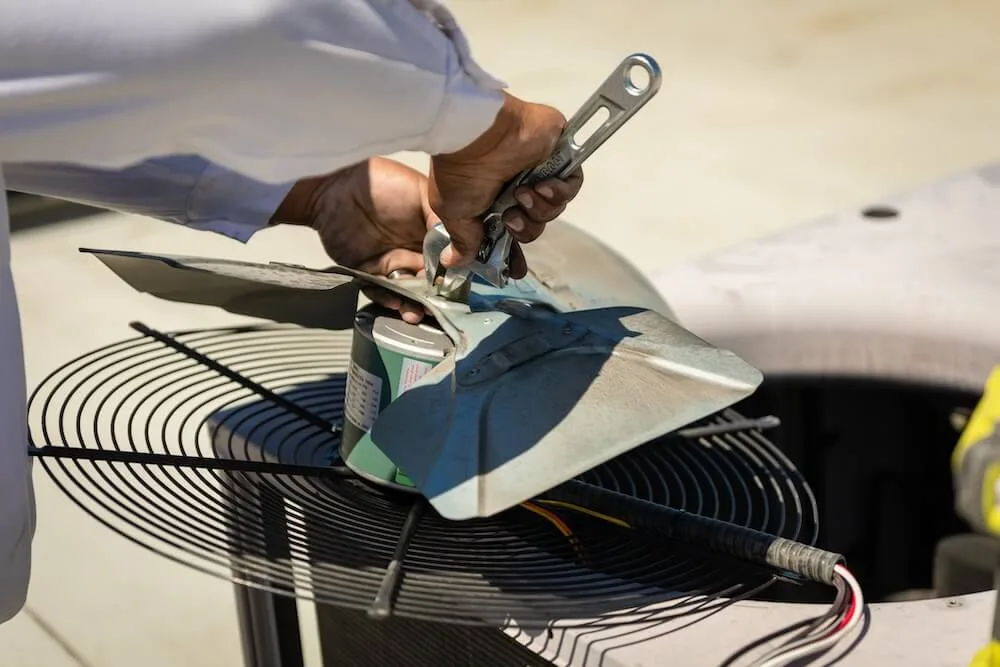
Technicians use manometers, thermal cameras, flow meters, and refrigerant gauges. They measure delta-T across emitters and GPM in loops. These tools verify the system meets design targets and help tune pump head and controls.
Good commissioning includes a written report with measured flows, pressure drops, and electrical demand. That data helps future troubleshooting and proves the installer met specs.
How to balance zones for even heat?
Begin by setting flow per zone on each manifold. Measure delta-T and room temps to check balance. Adjust loop valves until all rooms meet their setpoints and delta-T targets.
Differential pressure controllers or variable circulators help when many zones open and close often. Keep pump head within limits to avoid wasted energy. [Point 3] (Source: Energy gov Heat Pump Tips)
What are common operational mistakes?
Running supply temps too high and skipping manifold balancing are common errors. Ignoring refrigerant checks and keeping legacy radiators that need high temps also cut efficiency. Oversized pumps and poor control logic waste energy.
Fix these by tuning controls, upgrading emitters, and scheduling routine service. Simple changes often give the largest gains.
How to minimize electrical demand peaks?
Stagger compressor starts and backup heat to avoid simultaneous peaks. Use buffer tanks to smooth quick load swings. Program thermostats to limit large setbacks that force high recovery loads.
Consider demand response or a small battery to shave peaks in larger homes. Variable-speed drives on pumps and compressors also smooth electrical demand.
What are costs and ROI?
Costs depend on system type, climate, and site work. Air-to-water retrofits for small homes often run $10k–$30k. Ground-source systems commonly start higher, often $20k–$45k or more because of loop-field costs. Prices vary by region and site specifics.
ROI depends on current fuel costs, efficiency gains, and incentives. Switching from electric resistance or oil often pays back in 5–15 years. Higher electricity prices or strong incentives shorten payback. Run numbers for your home to decide.
How much does a typical retrofit cost?
Expect $10k–$30k for an air-to-water retrofit that updates manifolds and controls for many homes. If you must alter the slab or do major piping work, costs rise. Ground-source retrofits with vertical bores add tens of thousands for drilling.
Get multiple quotes and insist on line-item estimates. Compare installed performance like COP at your design temperature, not only the sticker price.
What incentives reduce upfront cost?
Incentives include federal tax credits, state rebates, and local utility programs. Many areas offer rebates for qualifying heat pumps and for ground-loop work. Programs often require ENERGY STAR or performance targets to qualify.
Learn about available rebates and incentives for energy-efficient HVAC equipment.
Check DSIRE and local utilities for current incentives and paperwork. Most rebates need proof of installed performance and a commissioning report to qualify.
Ready to schedule a free consult?
If you live in the Las Vegas area, call The Cooling Company at (702) 567-0707 for a free in-home consult. The Cooling Company will inspect your slab, insulation, electrical service, and existing piping. The team produces load calculations and a clear quote tailored to your home.
We serve Las Vegas, Henderson, and North Las Vegas. If you are outside our service area, use NATE at natex.org to locate certified technicians near you. Still have questions? The Cooling Company can review designs remotely and advise on what to ask local contractors.
How to get accurate quotes from contractors?
Ask for a Manual J heat load, pump and loop sizing, and COP tables at your target supply temps. Request separate line items for equipment, loop work, controls, and commissioning. Insist on a written commissioning report and a clear warranty.
Compare quotes by checking indoor setpoints, design outdoor temperatures, and whether the quote includes buffer tanks, antifreeze, and electrical upgrades. These details keep bids comparable.
FAQs
Q: Will a heat pump work with my old radiators?
A: Often not at peak efficiency. Small, old radiators may require 140 °F supply. Running a heat pump at that temp lowers COP. Consider hybrid systems, larger emitters, or swapping to low-temp radiators to improve performance.
Q: Do I need a new electrical panel?
A: Possibly. Many heat pumps need dedicated circuits and more panel capacity. An electrician should review your panel during the proposal stage and add upgrades in the quote if needed.
Q: How long does a ground loop installation take?
A: Horizontal loops can often be installed in a few days. Vertical bores need drilling and may take several days to a week depending on depth and site access. Local site issues can affect the schedule.
Q: Can one heat pump handle space heat and domestic hot water?
A: Some systems do both, but they may need higher-temperature options or separate heat exchangers. That setup can reduce overall efficiency. Many homeowners use a heat pump for space heat and a separate DHW solution or hybrid system.
Call The Cooling Company at (702) 567-0707 to schedule a free Las Vegas-area consult. We serve Las Vegas, Henderson, and North Las Vegas, and we will review your Manual J loads, slab details, and which radiant heat pump upgrades cut energy bills fastest. If you are outside our area, check NATE at natex.org to find qualified installers nearby.
Related reading: what to explore next?
- How to Check Air Ducts for Leaks: 6 Quick DIY Tests to Save Energy
- Radiant Floor Heating Pros and Cons: Comfort, Costs, and Payoff
- What Is Radiant Heat in a House? The Basics You Should Know
- Do Heat Pumps Use a Lot of Electricity?
About The Cooling Company
- Phone: (702) 567-0707
References
- U.S. Department of Energy (Energy.gov) (accessed 2025-12-29)
- U.S. Environmental Protection Agency (EPA) (accessed 2025-12-29)
- ASHRAE (Standards and guidance) (accessed 2025-12-29)
- ENERGY STAR (Heating & cooling) (accessed 2025-12-29)
Need HVAC Service in Las Vegas?
The Cooling Company provides expert HVAC service throughout Las Vegas, Henderson, and North Las Vegas. Our licensed technicians deliver honest assessments, upfront pricing, and reliable results.
Call (702) 567-0707 or visit heating, furnace repair, heating maintenance, or heat pump installation for details.