

Manifold
In plumbing and HVAC systems, a manifold is a central hub that distributes water or gas to various outlets within the system. In water heating and plumbing, manifolds distribute hot and cold water directly to fixtures and appliances with minimal loss of pressure or heat. This direct distribution supports efficient water use, easier isolation for repairs, and reduced leak risk. In HVAC systems, a manifold can also refer to a device that manages refrigerant distribution and return for efficient operation.
💡 Key Takeaways
- ✓In plumbing and HVAC systems, a manifold is a central hub that distributes water or gas to various outlets within the system. In water heating and plumbing, manifolds distribute hot and cold water directly to fixtures and appliances with minimal loss of pressure or heat. This direct distribution supports efficient water use, easier isolation for repairs, and reduced leak risk. In HVAC systems, a manifold can also refer to a device that manages refrigerant distribution and return for efficient operation.
- ✓Manifold design should match outlet count, usage demands, and system pressure.
- ✓Regular inspection of the manifold and lines helps prevent leaks.
- ✓HVAC manifolds require precise calibration for proper refrigerant flow.
Manifold
/ˈmænɪˌfəʊld/
Definition
In plumbing and HVAC systems, a manifold is a central hub that distributes water or gas to various outlets within the system. In water heating and plumbing, manifolds distribute hot and cold water directly to fixtures and appliances with minimal loss of pressure or heat. This direct distribution supports efficient water use, easier isolation for repairs, and reduced leak risk. In HVAC systems, a manifold can also refer to a device that manages refrigerant distribution and return for efficient operation.
What does a manifold do in plumbing?
It distributes water from a central hub to individual lines, improving control, pressure balance, and serviceability.
Source: The Cooling Company

Quick Facts
How Manifold Works
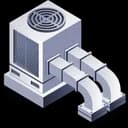
Manifolds centralize distribution and simplify maintenance.
Real-World Application
A homeowner renovates with a plumbing manifold system, giving each line its own shutoff valve. This makes repairs easier without shutting off the whole house and keeps water pressure consistent at each outlet.
Pro Tip
When installing a new plumbing or HVAC system, consider a manifold for improved efficiency and easier maintenance. Retrofitting can enhance performance but should be evaluated for compatibility and space.
“When installing a new plumbing or HVAC system, consider a manifold for improved efficiency and easier maintenance. Retrofitting can enhance performance but should be evaluated for compatibility and space.”
Important Things to Keep in Mind
- Manifold design should match outlet count, usage demands, and system pressure.
- Regular inspection of the manifold and lines helps prevent leaks.
- HVAC manifolds require precise calibration for proper refrigerant flow.
Did You Know?
Manifold concepts in plumbing and HVAC are adapted from automotive and aerospace engineering.
FAQ
Are manifold systems better than traditional plumbing layouts?
They can be. Manifolds provide individual shutoffs and more even pressure, though they require more piping and space.
Can I retrofit a manifold into an existing home?
Sometimes. A professional can determine if there is space and access for a manifold layout.
Do HVAC manifolds need service?
Yes. Proper refrigerant distribution depends on correct calibration and periodic inspection.
Related Services
Need help with manifold? Our licensed technicians in Las Vegas are ready to assist.
Share This Page
Why Homeowners Trust Us


Upgrade Your Home with Efficient Manifold Systems
Get a Free Estimate
Fill out the form below. Our goal is to reach you within minutes.