

Access Clearance
Access clearance refers to the minimum space required around HVAC and plumbing equipment for safe and efficient installation, operation, and maintenance. These clearances are defined by manufacturers and industry standards to ensure equipment can be accessed for repairs or replacements and can operate safely without overheating or creating hazards.
💡 Key Takeaways
- ✓Access clearance refers to the minimum space required around HVAC and plumbing equipment for safe and efficient installation, operation, and maintenance. These clearances are defined by manufacturers and industry standards to ensure equipment can be accessed for repairs or replacements and can operate safely without overheating or creating hazards.
- ✓Failing to meet clearance requirements can lead to inefficiency, safety risks, and a voided warranty.
- ✓Access clearance is especially important in compact spaces where placement is tight.
- ✓Requirements vary by equipment type and manufacturer.
Access Clearance
/ˈækses ˈklɪərəns/
Definition
Access clearance refers to the minimum space required around HVAC and plumbing equipment for safe and efficient installation, operation, and maintenance. These clearances are defined by manufacturers and industry standards to ensure equipment can be accessed for repairs or replacements and can operate safely without overheating or creating hazards.
Why is access clearance important for HVAC equipment?
Access clearance ensures technicians can safely service equipment and that systems have adequate space for airflow and heat dissipation. Skipping clearance requirements can increase breakdown risk and compromise safety.
Source: The Cooling Company

Quick Facts
How Access Clearance Works
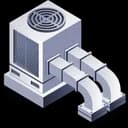
Typical access clearance zones for safe servicing and airflow.
Real-World Application
Access clearance is planned into equipment placement so technicians can safely service furnaces, air handlers, and water heaters without removing walls or relocating equipment.
Pro Tip
Always check the manufacturer’s guidelines for access clearance requirements when installing or relocating HVAC and plumbing equipment.
“Always check the manufacturer’s guidelines for access clearance requirements when installing or relocating HVAC and plumbing equipment.”
Important Things to Keep in Mind
- Failing to meet clearance requirements can lead to inefficiency, safety risks, and a voided warranty.
- Access clearance is especially important in compact spaces where placement is tight.
- Requirements vary by equipment type and manufacturer.
Did You Know?
Electrical panels also have specific clearance requirements for safety reasons.
FAQ
Who sets access clearance requirements?
Clearance requirements come from equipment manufacturers and local building codes. Always follow the more restrictive requirement to stay compliant and safe.
Can limited clearance affect system performance?
Yes. Tight clearances can reduce airflow, trap heat, and make maintenance difficult, which can shorten equipment lifespan and reduce efficiency.
What should I do if my equipment lacks clearance?
Schedule a professional inspection. A technician can recommend relocation, access panels, or other solutions to meet code and manufacturer guidelines.
Related Services
Need help with access clearance? Our licensed technicians in Las Vegas are ready to assist.
Share This Page
Why Homeowners Trust Us

Ensure Safe and Efficient Operation of Your Systems
Get a Free Estimate
Fill out the form below. Our goal is to reach you within minutes.