

Fire Resistance
Fire resistance is the ability of a material or building assembly to withstand fire for a specified time. In HVAC and building design, fire-resistant walls, floors, doors, and duct penetrations slow the spread of fire and smoke, protect structural integrity, and provide safe evacuation time. Ratings are typically measured in hours based on standardized tests.
💡 Key Takeaways
- ✓Fire resistance is the ability of a material or building assembly to withstand fire for a specified time. In HVAC and building design, fire-resistant walls, floors, doors, and duct penetrations slow the spread of fire and smoke, protect structural integrity, and provide safe evacuation time. Ratings are typically measured in hours based on standardized tests.
- ✓Fire resistance is part of a full fire safety strategy with alarms and sprinklers.
- ✓Ratings depend on assembly design, not just material type.
- ✓Regular inspections keep fire-rated barriers effective over time.
Fire Resistance
/ˈfaɪər rɪˈzɪstəns/
Definition
Fire resistance is the ability of a material or building assembly to withstand fire for a specified time. In HVAC and building design, fire-resistant walls, floors, doors, and duct penetrations slow the spread of fire and smoke, protect structural integrity, and provide safe evacuation time. Ratings are typically measured in hours based on standardized tests.
What does fire resistance mean in building systems?
It means components can withstand fire for a rated duration to slow spread and protect occupants.
Source: The Cooling Company

Quick Facts
How Fire Resistance Works
Fire resistance ratings define how long assemblies withstand fire.
Real-World Application
In a high-rise, fire-rated walls and duct penetrations compartmentalize a fire, slowing spread while HVAC safety features help protect occupants.
Pro Tip
Coordinate HVAC penetrations, fire dampers, and rated assemblies early in design to stay code-compliant.
“Coordinate HVAC penetrations, fire dampers, and rated assemblies early in design to stay code-compliant.”
Important Things to Keep in Mind
- Fire resistance is part of a full fire safety strategy with alarms and sprinklers.
- Ratings depend on assembly design, not just material type.
- Regular inspections keep fire-rated barriers effective over time.
Did You Know?
Intumescent coatings expand when heated, adding protective insulation to structural elements.
FAQ
How is fire resistance rated?
It’s rated in hours based on standardized fire testing of assemblies.
Does fire resistance replace sprinklers?
No. Fire resistance complements active systems like sprinklers and alarms.
Do HVAC penetrations affect fire ratings?
Yes. Penetrations must be protected with rated assemblies and dampers.
Related Services
Need help with fire resistance? Our licensed technicians in Las Vegas are ready to assist.
Share This Page
Why Homeowners Trust Us
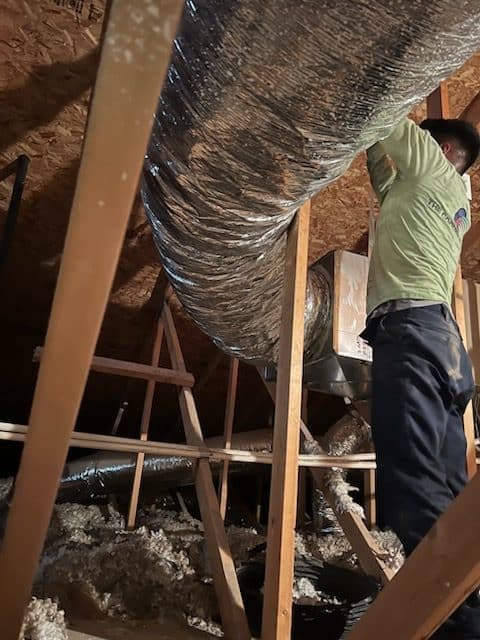
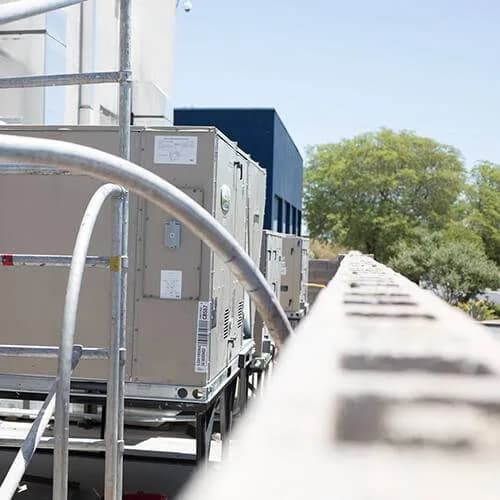
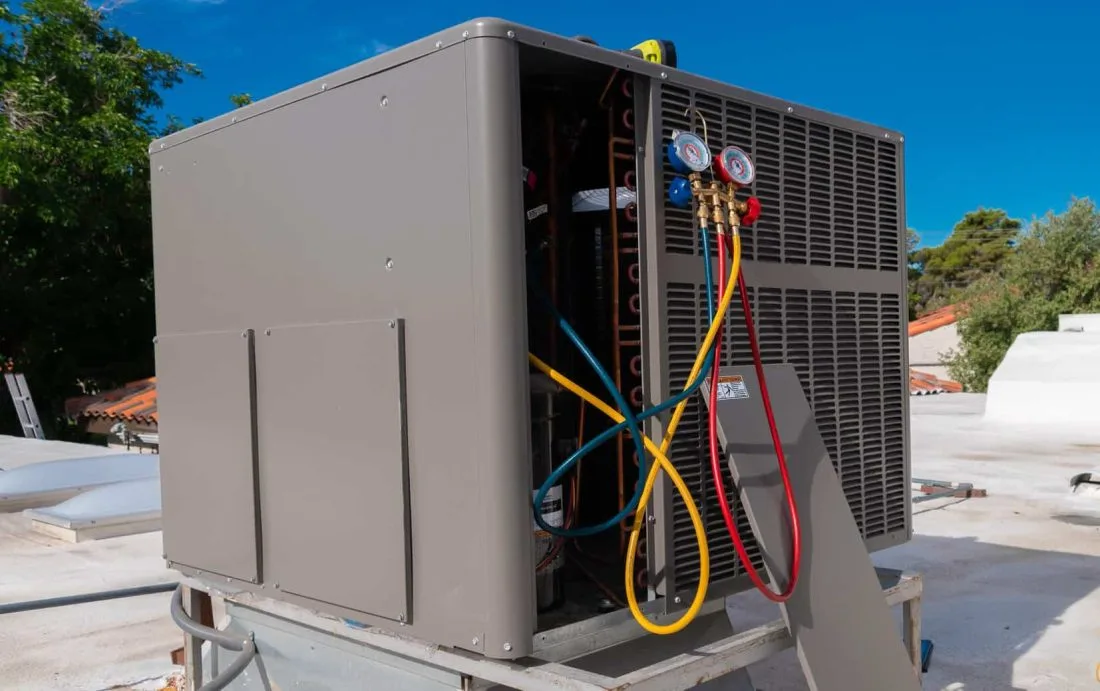
Enhance Your Building's Fire Safety with Fire-Resistant Solutions
Get a Free Estimate
Fill out the form below. Our goal is to reach you within minutes.