

Air Barrier
An air barrier is a system integrated into a building envelope that controls air movement between the conditioned interior and the unconditioned exterior. It reduces air leakage, improves energy efficiency, and supports indoor comfort and air quality.
💡 Key Takeaways
- ✓An air barrier is a system integrated into a building envelope that controls air movement between the conditioned interior and the unconditioned exterior. It reduces air leakage, improves energy efficiency, and supports indoor comfort and air quality.
- ✓Air barriers differ from vapor barriers; air barriers stop air leakage while vapor barriers limit moisture transmission.
- ✓Installation around penetrations and junctions is crucial for performance.
- ✓Air barrier effectiveness is measured by air permeance, with lower values indicating better sealing.
Air Barrier
/ˈɛər ˈbæriər/
Definition
An air barrier is a system integrated into a building envelope that controls air movement between the conditioned interior and the unconditioned exterior. It reduces air leakage, improves energy efficiency, and supports indoor comfort and air quality.
What does an air barrier do in a building?
An air barrier limits uncontrolled air leakage through the building envelope. This keeps conditioned air inside, reduces drafts, and improves energy efficiency.
Source: The Cooling Company

Quick Facts
How Air Barrier Works
Air barriers block leaks to keep conditioned air indoors.
Real-World Application
A properly installed air barrier helps keep indoor temperatures stable and reduces HVAC workload, especially in windy or cold climates.
Pro Tip
Even small leaks reduce effectiveness, so ensure the air barrier is sealed at all penetrations and junctions.
“Even small leaks reduce effectiveness, so ensure the air barrier is sealed at all penetrations and junctions.”
Important Things to Keep in Mind
- Air barriers differ from vapor barriers; air barriers stop air leakage while vapor barriers limit moisture transmission.
- Installation around penetrations and junctions is crucial for performance.
- Air barrier effectiveness is measured by air permeance, with lower values indicating better sealing.
Did You Know?
Historic buildings often lacked air barriers, leading to higher energy use and less consistent comfort.
FAQ
Is an air barrier the same as a vapor barrier?
No. Air barriers stop airflow, while vapor barriers control moisture diffusion. Some materials can do both, but they serve different purposes.
Where should an air barrier be installed?
Air barriers should be continuous around the building envelope, including walls, rooflines, and around windows, doors, and penetrations.
How do I know if my home needs air sealing?
Drafts, uneven temperatures, and high utility bills often signal air leakage. A professional energy audit can identify problem areas.
Related Services
Need help with air barrier? Our licensed technicians in Las Vegas are ready to assist.
Share This Page
Why Homeowners Trust Us

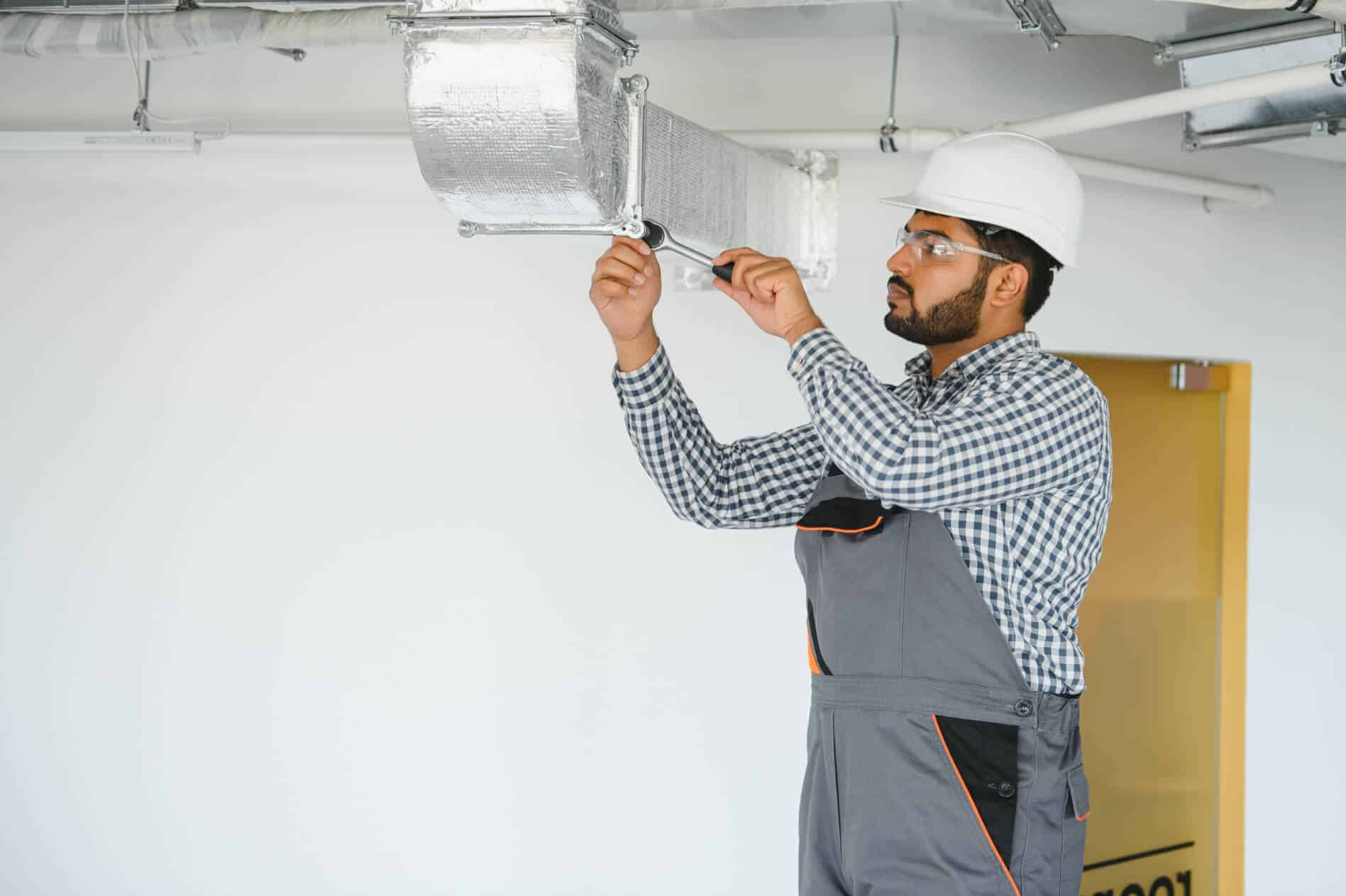
Optimize Your Energy Efficiency with Professional Air Barrier Installation
Get a Free Estimate
Fill out the form below. Our goal is to reach you within minutes.