

CFM (Cubic Feet per Minute)
Cubic Feet per Minute (CFM) measures airflow volume, how many cubic feet of air pass a point each minute. In HVAC, CFM determines how well a system can circulate and replace air in a space, directly affecting comfort, efficiency, and indoor air quality.
💡 Key Takeaways
- ✓Cubic Feet per Minute (CFM) measures airflow volume, how many cubic feet of air pass a point each minute. In HVAC, CFM determines how well a system can circulate and replace air in a space, directly affecting comfort, efficiency, and indoor air quality.
- ✓CFM needs vary by room size, layout, and heat gain or loss.
- ✓Equipment CFM should match ductwork to avoid noise and uneven comfort.
- ✓Ventilation guidelines like ASHRAE help set minimum CFM for IAQ.
CFM (Cubic Feet per Minute)
/ˈkjuː.bɪk fiːt pər ˈmɪnɪt/
Definition
Cubic Feet per Minute (CFM) measures airflow volume, how many cubic feet of air pass a point each minute. In HVAC, CFM determines how well a system can circulate and replace air in a space, directly affecting comfort, efficiency, and indoor air quality.
What does CFM mean in HVAC?
CFM measures airflow volume per minute, indicating how much air a system delivers to a space.
Source: The Cooling Company

Quick Facts
How CFM (Cubic Feet per Minute) Works
Proper CFM improves comfort, efficiency, and ventilation.
Real-World Application
When sizing an HVAC system, technicians match equipment CFM to room size and duct capacity so every space receives adequate airflow.
Pro Tip
Replace or clean filters regularly, dirty filters reduce CFM and strain the system.
“Replace or clean filters regularly, dirty filters reduce CFM and strain the system.”
Important Things to Keep in Mind
- CFM needs vary by room size, layout, and heat gain or loss.
- Equipment CFM should match ductwork to avoid noise and uneven comfort.
- Ventilation guidelines like ASHRAE help set minimum CFM for IAQ.
Did You Know?
Zoned HVAC systems can adjust CFM by area for better comfort and energy savings.
FAQ
Is higher CFM always better?
Not always. Too much airflow can be noisy and uncomfortable, while too little reduces comfort and efficiency.
What lowers CFM in a system?
Dirty filters, clogged coils, leaky ducts, or undersized ductwork can all reduce airflow.
How is CFM measured?
Technicians use tools like anemometers or flow hoods to measure airflow at vents.
Related Services
Need help with cfm (cubic feet per minute)? Our licensed technicians in Las Vegas are ready to assist.
Share This Page
Why Homeowners Trust Us

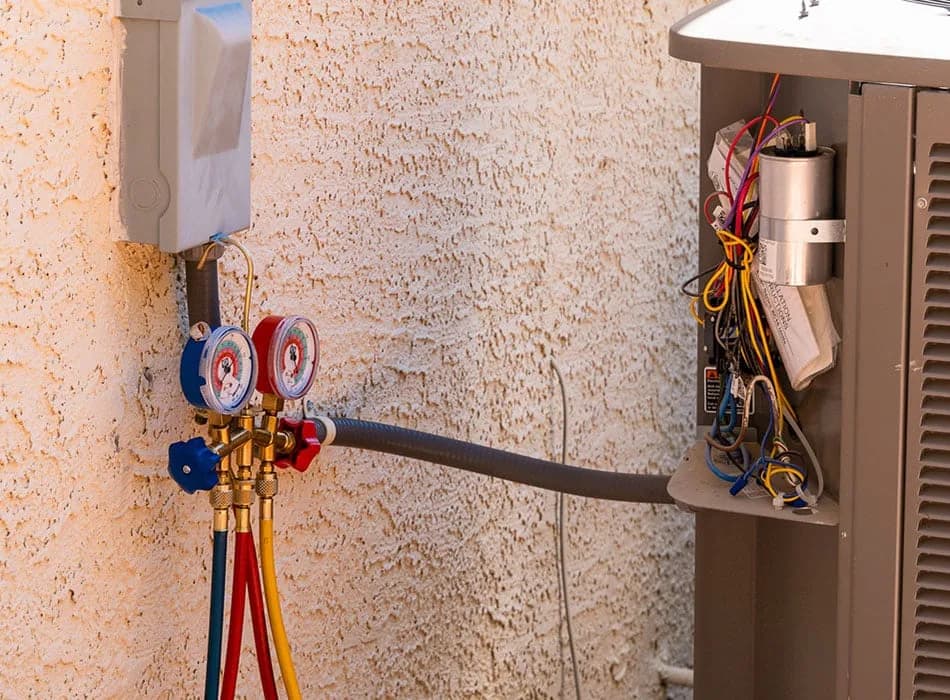
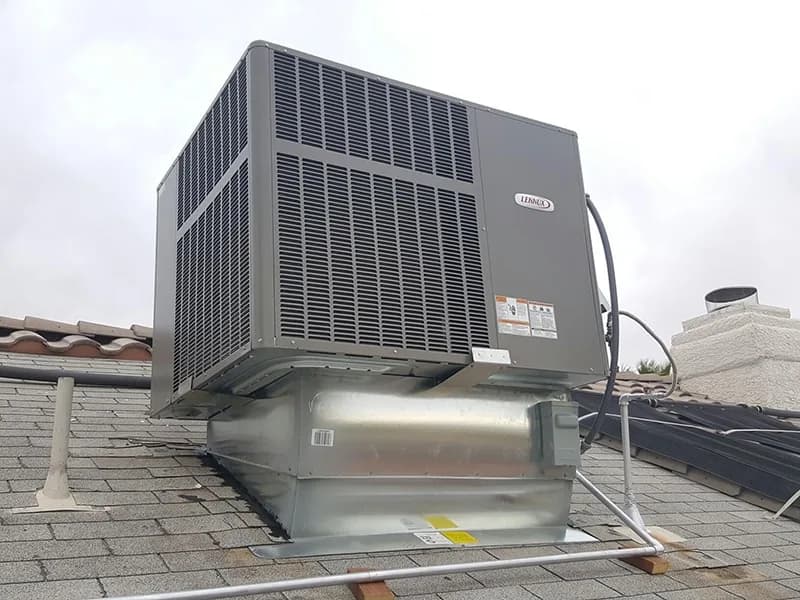
Optimize Your Comfort with Professional HVAC Services
Get a Free Estimate
Fill out the form below. Our goal is to reach you within minutes.