

Geothermal Heat Pump
A geothermal heat pump (ground-source heat pump) uses the earth’s stable underground temperature to heat and cool a building efficiently. A buried loop circulates fluid to exchange heat with the ground, and the indoor unit transfers that heat to or from the home. Because it moves heat rather than generating it, a geothermal system can deliver high efficiency and low operating costs.
💡 Key Takeaways
- ✓A geothermal heat pump (ground-source heat pump) uses the earth’s stable underground temperature to heat and cool a building efficiently. A buried loop circulates fluid to exchange heat with the ground, and the indoor unit transfers that heat to or from the home. Because it moves heat rather than generating it, a geothermal system can deliver high efficiency and low operating costs.
- ✓Upfront costs are higher, but energy savings and incentives can offset them.
- ✓Soil conditions and available land influence loop design.
- ✓Maintenance needs are low, but periodic inspections keep efficiency high.
Geothermal Heat Pump
/ˌdʒiːoʊˈθɜrməl hiːt pʌmp/
Definition
A geothermal heat pump (ground-source heat pump) uses the earth’s stable underground temperature to heat and cool a building efficiently. A buried loop circulates fluid to exchange heat with the ground, and the indoor unit transfers that heat to or from the home. Because it moves heat rather than generating it, a geothermal system can deliver high efficiency and low operating costs.
How does a geothermal heat pump work?
It moves heat between the ground and the building using a buried loop and a heat pump, providing efficient heating and cooling.
Source: The Cooling Company

Quick Facts
How Geothermal Heat Pump Works
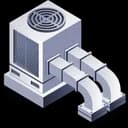
Ground loops exchange heat for efficient heating and cooling.
Real-World Application
A home in a region with hot summers and cold winters uses a geothermal heat pump to keep indoor temperatures stable while cutting energy bills.
Pro Tip
A proper site evaluation and loop design are critical for performance, so work with a qualified geothermal installer.
“A proper site evaluation and loop design are critical for performance, so work with a qualified geothermal installer.”
Important Things to Keep in Mind
- Upfront costs are higher, but energy savings and incentives can offset them.
- Soil conditions and available land influence loop design.
- Maintenance needs are low, but periodic inspections keep efficiency high.
Did You Know?
Ground loops can last 50+ years, while the indoor heat pump often lasts 20–25 years.
FAQ
Is a geothermal heat pump worth the cost?
Often yes for long-term owners, especially with rebates and lower energy bills.
Does a geothermal heat pump provide hot water?
Some systems include a desuperheater to preheat domestic hot water.
Can geothermal systems be installed in existing homes?
Yes, if there is enough space for the ground loop and proper access.
Related Services
Need help with geothermal heat pump? Our licensed technicians in Las Vegas are ready to assist.
Share This Page
Why Homeowners Trust Us

Transform Your Home's Energy Use with a Geothermal Heat Pump
Get a Free Estimate
Fill out the form below. Our goal is to reach you within minutes.