

HVAC (Heating, Ventilation, and Air Conditioning)
HVAC stands for Heating, Ventilation, and Air Conditioning. It describes the systems that heat and cool buildings, circulate air, and manage indoor air quality through filtration and ventilation. HVAC ranges from small residential systems to large commercial installations and is essential for comfort, health, and energy efficiency.
💡 Key Takeaways
- ✓HVAC stands for Heating, Ventilation, and Air Conditioning. It describes the systems that heat and cool buildings, circulate air, and manage indoor air quality through filtration and ventilation. HVAC ranges from small residential systems to large commercial installations and is essential for comfort, health, and energy efficiency.
- ✓System design and installation affect efficiency and comfort.
- ✓Zoning and smart thermostats improve control and savings.
- ✓Regular maintenance prevents breakdowns and preserves air quality.
HVAC (Heating, Ventilation, and Air Conditioning)
/ˈeɪtʃ.væk/ or /ˈeɪtʃˌvæk/
Definition
HVAC stands for Heating, Ventilation, and Air Conditioning. It describes the systems that heat and cool buildings, circulate air, and manage indoor air quality through filtration and ventilation. HVAC ranges from small residential systems to large commercial installations and is essential for comfort, health, and energy efficiency.
What does HVAC include?
Heating, ventilation, and air conditioning systems that manage indoor temperature and air quality.
Source: The Cooling Company

Quick Facts
How HVAC (Heating, Ventilation, and Air Conditioning) Works
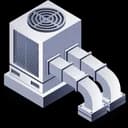
Heating, cooling, and ventilation work together for comfort.
Real-World Application
An office building uses HVAC to control temperature, filter air, and balance humidity year-round for occupant comfort.
Pro Tip
Schedule seasonal HVAC maintenance and replace filters on time to boost efficiency and air quality.
“Schedule seasonal HVAC maintenance and replace filters on time to boost efficiency and air quality.”
Important Things to Keep in Mind
- System design and installation affect efficiency and comfort.
- Zoning and smart thermostats improve control and savings.
- Regular maintenance prevents breakdowns and preserves air quality.
Did You Know?
Modern HVAC systems integrate sensors and automation to optimize comfort and energy use.
FAQ
How often should I service my HVAC system?
At least twice per year, once before cooling season and once before heating season.
Does HVAC affect indoor air quality?
Yes. Filtration, ventilation, and humidity control all influence IAQ.
Can HVAC systems reduce energy bills?
Yes. Efficient equipment and proper maintenance lower operating costs.
Related Services
Need help with hvac (heating, ventilation, and air conditioning)? Our licensed technicians in Las Vegas are ready to assist.
Share This Page
Why Homeowners Trust Us


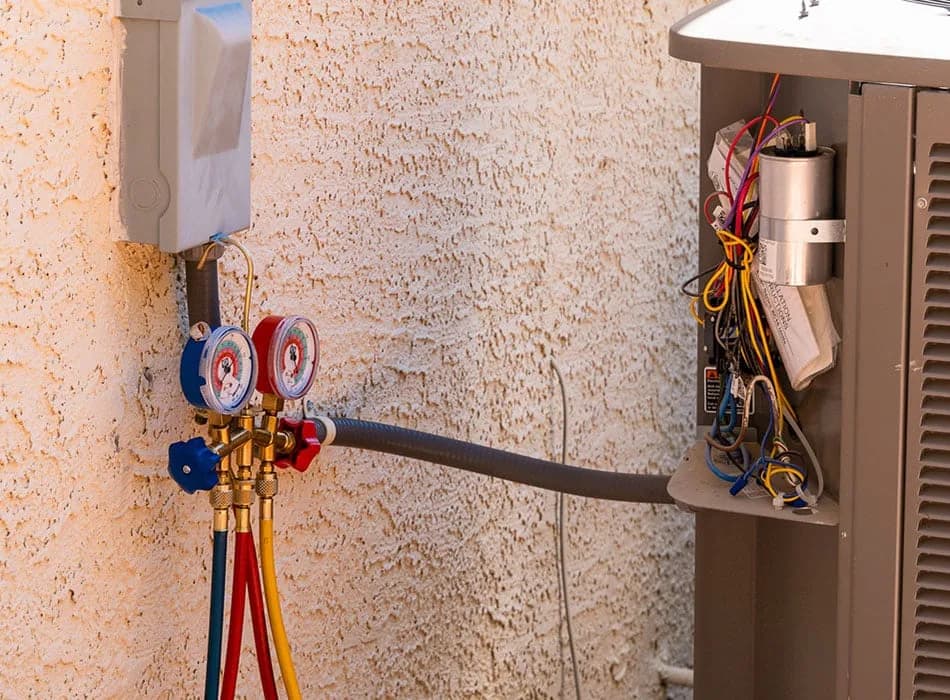
Optimize Your Comfort and Air Quality with Professional HVAC Services
Get a Free Estimate
Fill out the form below. Our goal is to reach you within minutes.