
HVAC Controls
HVAC controls are the devices and systems that regulate heating, cooling, ventilation, and air quality. They range from basic thermostats to smart controls and building management systems that adjust equipment based on occupancy, schedules, and outdoor conditions. Good controls improve comfort, reduce energy waste, and extend equipment life.
💡 Key Takeaways
- ✓HVAC controls are the devices and systems that regulate heating, cooling, ventilation, and air quality. They range from basic thermostats to smart controls and building management systems that adjust equipment based on occupancy, schedules, and outdoor conditions. Good controls improve comfort, reduce energy waste, and extend equipment life.
- ✓Controls must be properly installed and calibrated for accuracy.
- ✓Regular maintenance keeps sensors, thermostats, and automation reliable.
- ✓Integrating controls with zoning can improve comfort and efficiency.
HVAC Controls
/ˈeɪtʃ.væk kənˈtroʊlz/
Definition
HVAC controls are the devices and systems that regulate heating, cooling, ventilation, and air quality. They range from basic thermostats to smart controls and building management systems that adjust equipment based on occupancy, schedules, and outdoor conditions. Good controls improve comfort, reduce energy waste, and extend equipment life.
Why do HVAC controls matter?
They manage temperature, airflow, and schedules to improve comfort while reducing energy use.
Source: The Cooling Company

Quick Facts
How HVAC Controls Works
Smart controls optimize comfort while lowering energy use.
Real-World Application
A commercial building uses a building management system to reduce HVAC output in unoccupied zones while maintaining comfort where people are present.
Pro Tip
Upgrade to programmable or smart thermostats to match HVAC operation to your schedule and reduce energy waste.
“Upgrade to programmable or smart thermostats to match HVAC operation to your schedule and reduce energy waste.”
Important Things to Keep in Mind
- Controls must be properly installed and calibrated for accuracy.
- Regular maintenance keeps sensors, thermostats, and automation reliable.
- Integrating controls with zoning can improve comfort and efficiency.
Did You Know?
Modern HVAC controls use IoT sensors and analytics to predict maintenance needs and optimize performance.
FAQ
Do smart thermostats really save energy?
Yes. Optimized schedules and adaptive controls often reduce heating and cooling costs.
Can HVAC controls improve indoor air quality?
Yes. Controls can manage ventilation rates and filtration schedules.
When should HVAC controls be upgraded?
If comfort is inconsistent, energy bills are high, or equipment is outdated.
Related Services
Need help with hvac controls? Our licensed technicians in Las Vegas are ready to assist.
Share This Page
Why Homeowners Trust Us

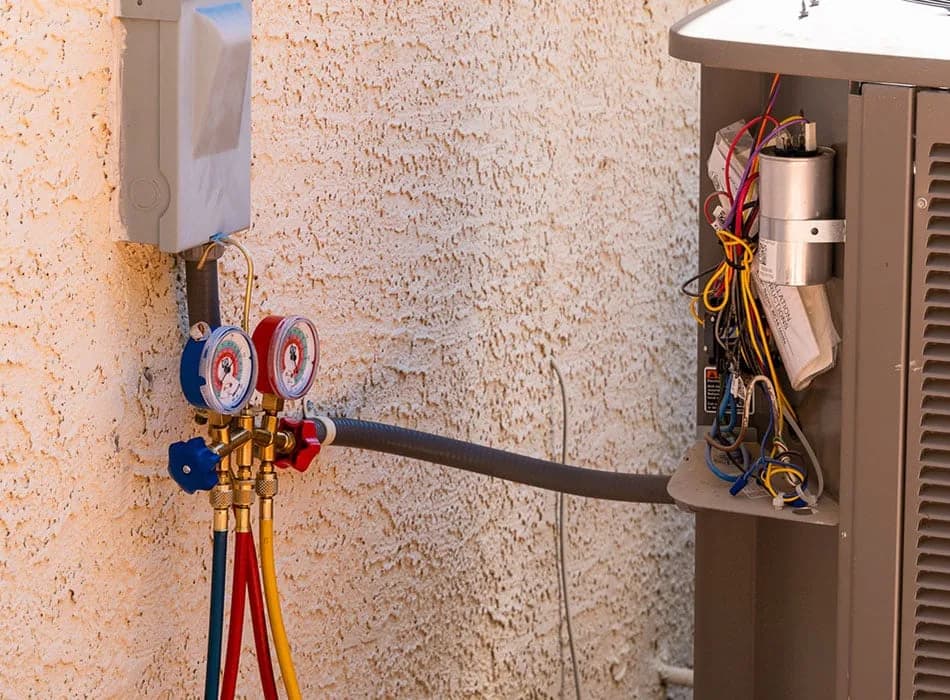
Maximize Efficiency with Advanced HVAC Controls
Get a Free Estimate
Fill out the form below. Our goal is to reach you within minutes.