

Instantaneous water heating, often called tankless, heats water on demand without a storage tank. When a tap opens, cold water passes through a heat exchanger where a burner or electric element heats it instantly. This eliminates standby losses and saves energy while providing continuous hot water.
/ɪnˈstæntəniəs ˈwɔːtər ˈhiːtɪŋ/
Instantaneous water heating, often called tankless, heats water on demand without a storage tank. When a tap opens, cold water passes through a heat exchanger where a burner or electric element heats it instantly. This eliminates standby losses and saves energy while providing continuous hot water.
What is instantaneous water heating?
It heats water on demand without a storage tank, providing continuous hot water efficiently.
Source: The Cooling Company

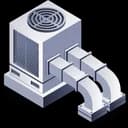
Tankless systems heat water only when needed.
A family installs a tankless heater and runs back-to-back showers without running out of hot water.
Choose a model based on required flow rate and temperature rise to avoid hot water shortfalls.
“Choose a model based on required flow rate and temperature rise to avoid hot water shortfalls.”
Many tankless units can last 20+ years with regular maintenance.
Will a tankless water heater save money?
Often yes, especially for households with steady hot water use.
Can tankless heaters run multiple showers?
Yes, if sized correctly for the combined flow rate.
Do tankless systems need maintenance?
Yes. Periodic descaling keeps efficiency high, especially in hard water.
Need help with instantaneous water heating? Our licensed technicians in Las Vegas are ready to assist.
Fill out the form below. We typically respond within minutes.


