

Mechanical Ventilation
Mechanical ventilation refers to the use of mechanical systems to replace or supplement natural ventilation in a building. It intentionally introduces outdoor air while removing indoor air. Systems can be exhaust, supply, balanced, or energy recovery ventilation, and they help maintain indoor air quality, control humidity, and remove contaminants.
💡 Key Takeaways
- ✓Mechanical ventilation refers to the use of mechanical systems to replace or supplement natural ventilation in a building. It intentionally introduces outdoor air while removing indoor air. Systems can be exhaust, supply, balanced, or energy recovery ventilation, and they help maintain indoor air quality, control humidity, and remove contaminants.
- ✓Different spaces require different ventilation strategies.
- ✓Proper design and installation determine system effectiveness.
- ✓Routine inspections protect efficiency and longevity.
Mechanical Ventilation
/məˈkæn.ɪ.kəl ˌven.tɪˈleɪ.ʃən/
Definition
Mechanical ventilation refers to the use of mechanical systems to replace or supplement natural ventilation in a building. It intentionally introduces outdoor air while removing indoor air. Systems can be exhaust, supply, balanced, or energy recovery ventilation, and they help maintain indoor air quality, control humidity, and remove contaminants.
What does mechanical ventilation do?
It intentionally brings in outdoor air and removes indoor air to control air quality, humidity, and contaminants.
Source: The Cooling Company

Quick Facts
How Mechanical Ventilation Works
Exhaust, supply, balanced, and energy recovery methods.
Real-World Application
In a restaurant kitchen, exhaust ventilation removes heat and airborne grease. In hospitals, balanced ventilation helps control airborne pathogens.
Pro Tip
Regular maintenance keeps mechanical ventilation performing well. Replace filters, clean components, and schedule inspections to maintain airflow and efficiency.
“Regular maintenance keeps mechanical ventilation performing well. Replace filters, clean components, and schedule inspections to maintain airflow and efficiency.”
Important Things to Keep in Mind
- Different spaces require different ventilation strategies.
- Proper design and installation determine system effectiveness.
- Routine inspections protect efficiency and longevity.
Did You Know?
Mechanical ventilation can integrate with HVAC systems to improve energy efficiency and air quality.
FAQ
Is mechanical ventilation only for commercial buildings?
No. Many homes use mechanical ventilation, especially newer, tighter homes that need fresh air.
What is the difference between ERV and HRV systems?
Both recover energy from exhaust air, but ERVs also transfer moisture while HRVs primarily transfer heat.
How often should filters be replaced?
It depends on the system and usage, but most filters should be checked every 1-3 months.
Related Services
Need help with mechanical ventilation? Our licensed technicians in Las Vegas are ready to assist.
Share This Page
Why Homeowners Trust Us
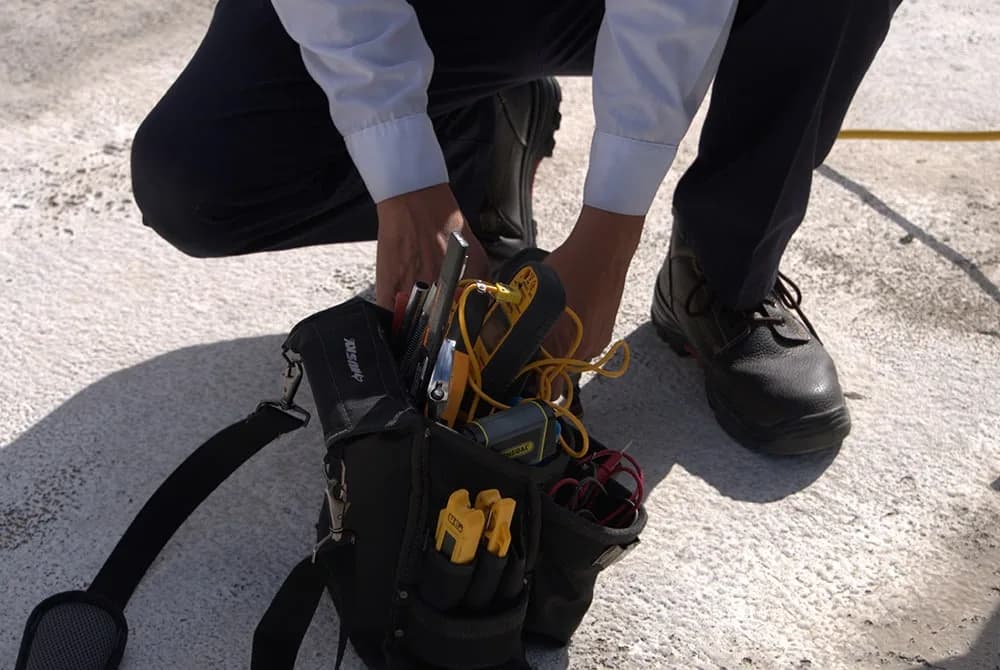
Improve Your Indoor Air Quality with a Mechanical Ventilation System
Get a Free Estimate
Fill out the form below. Our goal is to reach you within minutes.