

Open Loop System
An open loop system draws water or another fluid from an external source, passes it through the system for heat exchange, and then discharges it back to the environment or a drainage system. This differs from closed loop systems, which recirculate fluid in a sealed circuit. Open loop systems are common in geothermal and water-source heat pump applications but require adequate water supply and compliance with environmental regulations.
💡 Key Takeaways
- ✓An open loop system draws water or another fluid from an external source, passes it through the system for heat exchange, and then discharges it back to the environment or a drainage system. This differs from closed loop systems, which recirculate fluid in a sealed circuit. Open loop systems are common in geothermal and water-source heat pump applications but require adequate water supply and compliance with environmental regulations.
- ✓Water quality can affect maintenance due to sediment or biological growth.
- ✓Environmental impact and discharge regulations must be managed carefully.
- ✓Seasonal water temperature changes can affect performance.
Open Loop System
/ˈoʊpən luːp ˈsɪstəm/
Definition
An open loop system draws water or another fluid from an external source, passes it through the system for heat exchange, and then discharges it back to the environment or a drainage system. This differs from closed loop systems, which recirculate fluid in a sealed circuit. Open loop systems are common in geothermal and water-source heat pump applications but require adequate water supply and compliance with environmental regulations.
What is an open loop system?
It uses water from an external source for heat exchange and then discharges it rather than recirculating it in a closed loop.
Source: The Cooling Company

Quick Facts
How Open Loop System Works
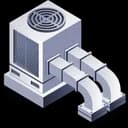
Source water in, heat exchange, discharge out.
Real-World Application
A commercial building near a lake uses an open loop system to draw water for cooling and return it after heat exchange.
Pro Tip
Evaluate water quality, availability, and local regulations before choosing an open loop system to ensure long-term compliance and performance.
“Evaluate water quality, availability, and local regulations before choosing an open loop system to ensure long-term compliance and performance.”
Important Things to Keep in Mind
- Water quality can affect maintenance due to sediment or biological growth.
- Environmental impact and discharge regulations must be managed carefully.
- Seasonal water temperature changes can affect performance.
Did You Know?
Open loop systems have been used for centuries, with modern designs improving efficiency and environmental safeguards.
FAQ
Are open loop systems more efficient than closed loop?
They can be, depending on water source temperature and system design.
Do open loop systems require permits?
Often yes. Local rules may govern water withdrawal and discharge.
What maintenance do open loop systems need?
Regular monitoring of water quality, filters, and heat exchangers is common.
Related Services
Need help with open loop system? Our licensed technicians in Las Vegas are ready to assist.
Share This Page
Why Homeowners Trust Us

Explore Sustainable Heating and Cooling with Open Loop Systems
Get a Free Estimate
Fill out the form below. Our goal is to reach you within minutes.