
Short answer: Learn HVAC maintenance tips to spot 7 silent blower motor signs before complete failure and avoid costly emergency breakdowns by catching issues early.
Key Takeaways
- Use a room-by-room Manual J load calculation (not a square-foot rule).
- Select equipment with Manual S and verify ducts with Manual D for comfort and efficiency.
- Avoid oversizing: short-cycling wastes fuel and can create uneven temperatures.
Key takeaways (N/A)
A blower motor affects comfort, humidity control, and energy use. When it begins to fail, symptoms appear gradually. You might first notice reduced airflow, a faint burning odor, higher electric bills, or a change in fan sounds. Early detection gives time to repair a part like a capacitor or bearing before the motor seizes or causes compressor damage.
Preventive steps matter. Use correct filters, keep panels clean, and log changes in noise or runtime. For major repairs or electrical faults, always call a trained technician. For readers in Las Vegas, Henderson, and North Las Vegas, The Cooling Company provides local service. Keep the system safe: do not handle capacitors or open electrical panels unless trained.

What does a blower motor do?
The blower motor moves conditioned air through the furnace or air handler. In heating mode it forces air across the heat exchanger. In cooling mode it sends air across the evaporator coil. This airflow equalizes room temperatures and helps control indoor humidity. If the motor loses torque the fan cannot reach its design speed and airflow drops.
Torque loss raises electrical draw and shortens motor life. Lower airflow makes rooms feel uneven and forces longer run times to reach setpoints. Longer runtimes increase wear on the motor, bearings, and controls. Technicians spot torque loss by comparing current draw to measured airflow. A pattern of rising current and falling airflow points to internal friction, worn bearings, or a failing motor.
How blower torque affects performance
Blower torque is the turning force the motor delivers to the fan. That force must overcome duct resistance and static pressure to produce the design airflow. If torque drops, the fan will run slower under load. Slower airflow reduces heat transfer at the coil and increases cycle time.
Technicians often detect torque loss indirectly. They measure current while noting airflow and static pressure. If the motor draws more amps but delivers less air, internal friction or bearing drag is likely. Early correction prevents higher energy use and avoids immediate motor failures that lead to complete breakdowns.
Impact on humidity and coil freeze
Airflow also handles moisture removal. Low airflow reduces the coil’s ability to condense and remove humidity. That makes your home feel clammy even when the temperature reading appears correct. In cooling mode, very low airflow can let the coil temperature drop enough to freeze moisture on the coil surface.
A frozen coil further blocks airflow and can cause the compressor to short-cycle or overheat. If you see frost or ice on the coil or lines, shut the system off and call a technician. Tracking humidity and checking supply temperatures helps find early airflow degradations before a freeze occurs.
Types of blower motors
Blower motors come in a few common designs: PSC (permanent split capacitor), ECM (electronically commutated motor), BLDC (brushless DC), and motors controlled by a VFD (variable frequency drive). Each type has trade-offs in cost, noise, efficiency, and serviceability. The right choice depends on system design, controls, and your comfort goals.
When planning a repair or upgrade, confirm compatibility with the air handler and the control board. Replacing an older PSC with an ECM or PM motor can save energy but may need control changes. Work with a qualified technician to match mounts, shaft size, voltage, and control signals to get reliable results.
What is a PSC motor?
A PSC motor uses a run capacitor and fixed speed taps on the motor to shift electrical phase for torque. They are common in older furnaces and air handlers. PSC motors are simple and low cost. They are reliable when clean and properly loaded, but tend to be louder and less efficient than modern motors.
PSC motors do well in basic single-speed systems. However, frequent short-cycling or heavy loads speed bearing wear. When a PSC begins to fail, common fixes include capacitor replacement or, if bearings are sealed and worn, motor replacement. Upgrading to a variable motor often reduces operating cost but needs careful control matching.
Why choose an ECM or BLDC?
ECM and BLDC motors include integrated electronics that allow precise, multi-speed operation. They maintain torque at low RPM, which improves quiet operation and better humidity control in cooling season. Homes with long fan runtimes, multi-stage equipment, or zoned systems benefit from smoother fan control and lower fan energy.
These motors cost more upfront. They may also need compatible controls or software setup. When installed and commissioned correctly, ECM or PM motors often pay back the higher price through reduced electric bills and improved comfort. Confirm the motor fits the air handler and matches the control board signals.
Use our energy saving tips to estimate your potential savings.
How do VFDs affect performance?
A variable frequency drive (VFD) changes the supplied AC frequency to vary motor speed smoothly. VFDs reduce inrush current at startup and manage acceleration and deceleration. Properly tuned drives lower mechanical stress and can extend the motor service life while saving energy.
VFDs add electrical complexity. Installers must check for harmonic distortion, proper grounding, and compatible encoder or feedback when required. Drives can produce electrical noise that affects sensitive controls. A trained technician must tune a VFD and verify airflow and motor temperature across the operating range.
How to spot the silent signs of failure?
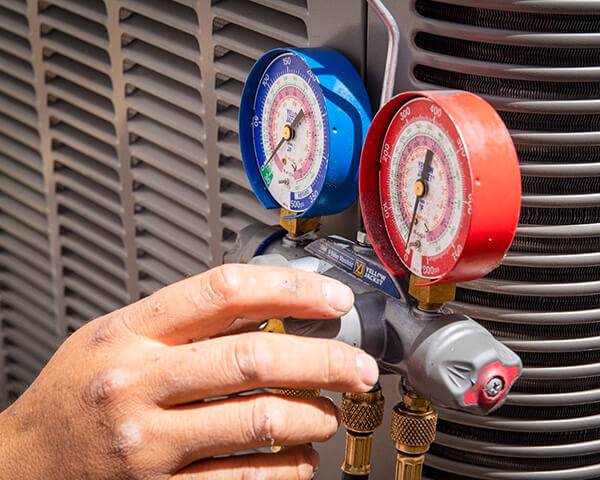
Silent signs let you act before a complete failure. The main clues are reduced airflow, subtle burning smells, a new or changing tone from the fan, and unusual cycling. Homeowners often miss these hints because they develop slowly. Regular observation and a short symptom log help spot trends and guide technicians.
Check supply registers in several rooms, listen near the return, and note how long the fan runs each cycle. Record thermostat setpoint, outside temperature, and whether the system was in heating or cooling. This context helps technicians reproduce intermittent faults and speeds diagnostics when the problem is not constant.
Why is unusual noise a warning?
New noises usually indicate mechanical wear or looseness. Worn bearings often produce a growl, rumble, or high-pitched squeal that changes with fan speed. A fan wheel rubbing the housing creates a rhythmic thump or scrape once per revolution. Even a faint tonal change can mean a fast-moving problem.
Technicians use tools like listening stethoscopes and vibration meters to trace noise sources. Early fixes such as bearing replacement, wheel cleaning, or realignment can stop a problem from damaging the motor, shaft, or housing. Ignoring noise often leads to faster and more costly failures.
Why does the system smell like burning?
A hot, acrid smell can indicate overheating windings, melted insulation, or arcing at electrical terminals. Dust burned on a warm motor after a long shutdown can also create a transient smell that fades quickly. Persistent or worsening odors often point to an electrical or mechanical fault.
If the smell does not fade in minutes, stop the unit and call a licensed technician. Continued operation risks fire or permanent motor damage. A pro will test winding resistance, inspect wiring and terminals, and check control boards for signs of heat or arcing.
Why is airflow reduced?
Reduced airflow comes from several sources. A motor losing torque cannot spin the fan at design speed. Clogged filters, dirty coils, duct restrictions, or a damaged fan wheel also lower delivered airflow. Restricted or collapsed ducts can mimic motor failure by cutting volume.
Measure airflow and compare it to known baselines when possible. If filters and coils are clean and ducts are clear, the motor or fan assembly likely needs attention. Restoring full torque and cleaning the fan wheel often returns proper airflow and prevents coil freeze during cooling.
What causes cycling or surging airflow?
Surging airflow points to electrical or control problems. A failing start or run capacitor can make the motor stutter at startup. Erratic thermostats or control boards may call the fan on and off unpredictably. Mechanical issues like a slipping belt or an intermittently seized bearing can also change the airflow rhythm.
Document when surges occur with mode, fan speed, and ambient conditions. That record helps a technician reproduce the fault under the same conditions. Accurate reproduction saves diagnostic time and finds intermittent faults that may otherwise be missed.
When should you call a technician?
Call a trained technician if you detect electrical smells, see arcing, notice sudden loss of airflow, or hear rapidly worsening noise. These signs often require safe handling and test meters to diagnose. Technicians bring the right tools to test current, voltage, and control signals safely.
Homeowners can do basic checks before the call: replace dirty filters, clear debris from around the unit, and inspect visible wiring for scorch marks. Do not open electrical panels, discharge capacitors, or attempt live tests unless you are trained and have insulated tools. For safety and accurate diagnosis, let a pro handle electrical faults.
Can homeowners inspect the motor?
Yes, homeowners can perform safe, non-invasive checks. Look for dust and debris buildup, clogged or mis-sized filters, and blocked vents. Check exterior access panels for loose screws. Note any visible scorch marks or melted wiring insulation.
Always turn the breaker off before removing a light access panel. Do not touch terminals or components once panels are open unless you are certified. Visual checks help identify obvious problems, but they do not replace electrical tests and measurement that a technician must perform.
See why homeowners trust us — view our best HVAC companies in Las Vegas.
How do you test motor bearings?
Technicians listen for bearing roughness and may use a vibration meter to detect abnormal vibration. They inspect axial and radial play by slowly spinning the fan and feeling for looseness. Thermal imaging or spot thermometers show hot bearings, which indicate wear or lubrication failure.
Many modern motors use sealed bearings. When sealed bearings fail, technicians often replace the motor. Serviceable bearings can be greased, but only with the correct grease and schedule. Over-greasing can be as harmful as under-greasing.
How to check the capacitor safely?
Capacitors store a hazardous charge and must be handled by trained personnel. Technicians turn power off, discharge the capacitor with an insulated tool, and then test with a proper microfarad meter. Measured values are compared to the nameplate rating to detect drift or failure.
Homeowners should not attempt capacitor testing or replacement without training. Improper handling risks severe shock or equipment damage. If you suspect a bad capacitor, shut off power and call a qualified technician to perform safe, correct testing and replacement.
How to choose a replacement motor
Selecting the right motor requires matching the physical, mechanical, and electrical specs. Confirm shaft size, mounting pattern, RPM, torque rating, voltage, and phase. Service factor and insulation class indicate how the motor handles heat and transient loads. Using a wrong motor leads to noise, poor airflow, or early failure.
Also weigh long-term energy and comfort benefits. Upgrading a PSC to an ECM or PM motor can lower fan energy and improve dehumidification. However, the upgrade may mean control board changes or a VFD. Have a technician verify fit and tune the controls after replacement.
What size and specs matter?
Key specs include horsepower (or fraction), RPM, torque rating, shaft diameter and length, mounting pattern, voltage, and phase. The motor nameplate provides most of these details. Service factor and insulation class tell how much overload and heat the motor can handle for short periods.
Always match the site supply voltage and phase. Incorrect voltage or phase will cause overheating, reduced life, or immediate failure. Use manufacturer manuals and the old motor nameplate to pick a compatible replacement and avoid costly mistakes.
Why upgrade to ECM or PM motors?
ECM or PM motors run efficiently at many speeds and keep torque at low RPM. This improves humidity control and quieter operation. For homes with long run times or zoned HVAC systems, the smoother control can give noticeable comfort and energy gains.
The initial cost is higher. Still, many homeowners recover the cost through lower electric bills and less maintenance over several years. Always confirm compatibility with your control board or VFD before upgrading so you get the expected benefits.
How to maintain blower motors
Routine maintenance extends motor life and prevents surprise failures. Replace filters on schedule, keep the cabinet and coil clean, and inspect the fan wheel for dust and balance. Tighten mounts and check for loose fasteners. During service, technicians measure current and temperature to spot gradual trends.
Keep a simple maintenance log with filter change dates, service visits, and any test values the tech records. That log makes it easier to spot rising current draw, increasing vibration, or other early failure signs. Timely maintenance is often the least expensive way to avoid full motor replacement.
When should you clean or replace filters?
Change disposable filters every one to three months based on dust and pet levels. Pleated or high-efficiency filters may last longer but still need regular checks. Dirty filters raise motor temperature and restrict airflow, increasing motor load and energy use.
You may qualify for federal energy credits that reduce your upfront cost.
Inspect filters monthly in homes with pets or heavy dust. Use the correct filter size and type to protect the blower and improve indoor air quality. A visibly dirty filter is a clear sign to replace it immediately.
How often to lubricate bearings?
Many modern blower motors have sealed bearings that do not require lubrication. If your motor has serviceable bearings, technicians usually lubricate them annually during routine service. Use the motor maker's recommended grease and avoid over-greasing, which can cause overheating.
When bearings show noise, play, or heat, replacement is often the long-term fix. Correct lubrication on serviceable bearings helps life, but worn bearings will eventually need replacement to prevent secondary damage.
How to align belts and pulleys?
For belt-driven fans, correct belt tension and pulley alignment prevent slippage and reduce bearing load. Replace belts that show cracks, fraying, or glazing. Clean pulley faces and follow the manufacturer's recommended belt deflection, often about 1/2 inch on long runs.
Use simple alignment tools to ensure shafts run true. Proper alignment reduces noise and extends life for belts, bearings, and the motor. A misaligned drive can hide itself as increased current draw or intermittent vibration.
What commissioning checks improve efficiency?
After a motor replacement or major service, verify airflow, static pressure, and control settings under real load. Check motor ramp times and vibration at multiple speeds. Record baseline values for future comparison and warranty support.
Proper commissioning ensures the system meets design airflow and prevents callbacks for noise or imbalance. It also helps validate expected energy savings when upgrading motors or drives.
If you notice faint burning smells, odd noises, reduced airflow, or repeated surging, schedule a professional inspection. Quick tests of current, voltage, and capacitance often reveal failing parts before they cause a total breakdown. A proper inspection can also find duct or filter issues that mask as motor faults. For readers in Las Vegas and nearby areas, call The Cooling Company at (702) 567-0707 to book prompt service. The company serves Las Vegas, Henderson, and North Las Vegas and can dispatch trained technicians quickly. Outside the area, ask for NATE-certified techs and a written scope of work.
A technician will secure the system, verify power isolation, and measure voltage and current under load. They will check bearings, fan balance, airflow, static pressure, and record capacitor and control board test values. Infrared can reveal hot spots and a careful listen often finds vibration issues. After testing, expect a written estimate with repair and replacement options.
Blower motors quietly affect comfort, safety, and energy use. Small signs like faint smells, reduced airflow, or new noises usually indicate early motor problems. Acting early with safe checks and professional tests avoids larger failures and saves money over time. When electrical faults or drive problems appear, call trained technicians. If you live in Las Vegas, Henderson, or North Las Vegas, contact The Cooling Company at (702) 567-0707. Outside the area, request NATE-certified technicians and a written scope of work. For further technical guidance, see ASHRAE Technical Resources.
Related reading: what to explore next?
Expand your knowledge with these related guides from our experts. Each article provides in-depth information to help you make informed decisions about your HVAC system and home comfort needs.
Need HVAC service help in Las Vegas?
If you're facing an HVAC emergency in Las Vegas, Henderson, or North Las Vegas, The Cooling Company offers fast, reliable service from licensed technicians. We understand that heating and cooling emergencies don't wait for business hours.
Call us now at (702) 567-0707 for emergency service. Our team is ready to help restore your comfort quickly and safely.
About The Cooling Company
The Cooling Company has been serving the Las Vegas valley with professional HVAC services for over a decade. Our team of licensed, NATE-certified technicians specializes in air conditioning repair, heating system maintenance, and complete HVAC installations. We provide honest, reliable service with upfront pricing and a 100% satisfaction guarantee on all work performed.
- Phone: (702) 567-0707
- Reviews: 4.8/5 stars (780+ reviews) - See reviews
Service Areas
We proudly serve homeowners and businesses throughout the Las Vegas metropolitan area, including Las Vegas, Henderson, and North Las Vegas. Our service technicians are available for same-day appointments in most areas, with emergency service available 24/7 for urgent HVAC issues.
For cooling mode basics, see the government guide to air conditioning at the U.S. Department of Energy. For technology-level HVAC efficiency resources, view the Better Buildings Solution Center. For indoor air quality details, consult the EPA Indoor Air Quality page.
Need HVAC Service in Las Vegas?
The Cooling Company provides expert HVAC service throughout Las Vegas, Henderson, and North Las Vegas. Our licensed technicians deliver honest assessments, upfront pricing, and reliable results.
Call (702) 567-0707 or visit AC repair, AC maintenance, heating, or installation for details.