


Short answer: Installing an HVAC system with ductwork in Las Vegas typically costs $2-$12 per square foot for light commercial systems, or $10-$35 per linear foot for ductwork. Total installed costs range from $20,000-$75,000 for small commercial buildings to hundreds of thousands for large facilities. Key cost drivers include system type, ductwork complexity, site access, and equipment efficiency. Las Vegas's extreme heat requires properly sized systems and well-insulated ductwork to control energy costs. Desert conditions and monsoon season can affect installation timing and material choices.
For more information, see our guide on ductwork cost per linear foot.
For more information, see our guide on ductwork and HVAC efficiency.
Key Takeaways
- Use a room-by-room Manual J load calculation (not a square-foot rule).
- Select equipment with Manual S and verify ducts with Manual D for comfort and efficiency.
- Avoid oversizing: short-cycling wastes fuel and can create uneven temperatures.
By: The Cooling Company

Las Vegas-Specific Installation Considerations
Las Vegas presents unique challenges for HVAC installations with ductwork:
Extreme Heat and Cooling Demand
- Extended cooling season: March through October requires reliable cooling, increasing system runtime
- High cooling loads: Las Vegas buildings need 20-30% more cooling capacity than moderate climates
- Attic ductwork: Many Las Vegas buildings have attic ductwork where extreme heat (140°F+) accelerates energy loss
- Energy costs: Proper sizing, duct sealing, and insulation are critical to control NV Energy bills
Desert Environment Impact
- Dust and debris: Desert conditions can clog filters and damage outdoor units faster
- UV degradation: Intense sunlight degrades ductwork insulation and outdoor components
- Monsoon season: Sudden storms can cause physical damage and require protective measures
- Rooftop installations: Extreme rooftop temperatures affect equipment performance and installation timing
Installation Timing
- Peak season scheduling: Summer installations may cost more due to high demand and heat stress
- Crane windows: Extreme heat limits safe crane operation windows
- Roof access: Hot rooftop conditions require additional safety measures and may slow installation
Cost to Install HVAC System with Ductwork - Key takeaways?
Early budgeting should use per-ton equipment benchmarks and per-square-foot or per-linear-foot allowances for ductwork. Those early numbers let owners set a realistic contingency and scope for bidders. They also help you require specific deliverables in the RFP, such as TAB and commissioning reports, so the proposals can be compared fairly.
For retrofit projects, plan a larger contingency to cover hidden conditions like asbestos, structural issues, or unexpected routing conflicts. New construction with complete drawings and confirmed site access usually needs a smaller contingency. Always document required items in the contract: permits, rigging, crane hours, hazardous-material contingencies, and basic commissioning.
Early budgeting per-ton and duct allowances?
For very early estimates, use per-ton ranges and duct allowances only as planning tools. Typical installed per-ton ranges are: small systems $3,000–$8,000; mid systems $3,000–$6,500; and central plants $3,500–$12,000+. Ductwork often runs $2–$12 per ft2 or $10–$35 per linear foot. These numbers include basic installs but exclude high-access rigging, heavy structural reinforcement, or major electrical upgrades.
Pair per-ton figures with a required ASHRAE load calculation and SMACNA-level duct specs in your bid documents. Insist bidders list rigging, TAB, controls, permits, and hazardous-material allowances separately so you can compare proposals line by line.
Owner contingency and RFP requirements?
Budgeting should explicitly state the owner contingency you will carry and how contractors should quote alternates. For retrofits, a 15–25% contingency is common because hidden conditions often drive change orders. Require bidders to supply itemized pricing for equipment, ductwork, insulation, controls, TAB, commissioning, permits, and rigging.
Ask for written assumptions and sample TAB and commissioning reports. Require certified refrigerant handling for any refrigerant work and include hazardous-material surveys in retrofit bids. Those deliverables reduce disputes and protect the owner from scope gaps.
What are typical installed cost ranges by system?
Installed costs vary by system type, project size, and site complexity. Packaged rooftop units, split systems, and central chilled-water plants have different installed cost drivers. Rooftop installs often need curbs, crane work, and curb flashing. Central plants need pumps, piping, and mechanical-room fit-up. These extras can raise installed cost per ton substantially.
When comparing bids, insist contractors include equipment, ducting, controls, TAB, permits, rigging, and basic commissioning. Itemized proposals expose omitted scope. When you see large differences between bids, compare unit labor hours and allowances to find where assumptions diverge.
Rooftop packaged units cost ranges?
Rooftop packaged units are common for small commercial and retail buildings. Typical installed pricing for single-unit rooftop jobs is often in the $3,000–$8,000 per ton range. That range assumes curb installation, rooftop rigging, standard transitions, and basic controls.
Expect added cost for curb fabrication, extended electrical work, extended refrigerant piping, and any roof protection or flashing. If a crane or rigging is difficult to schedule, or if roof penetrations need fire-stopping, add separate allowances. Multiple-unit purchases can lower the per-ton price through volume pricing.
Split systems installed cost?
Split systems work well where rooftop access is limited or where individual zone control is needed. Typical installed costs fall in the $3,000–$7,000 per ton range. This includes the outdoor condenser, the indoor air handler, refrigerant lines, and duct tie-ins.
Concealed condensers, long refrigerant runs, or difficult condenser locations increase labor and materials. Be sure bids include EPA-certified refrigerant handling and trained technicians for compliance and safety. Long refrigerant lines sometimes need additional oil or refrigerant-charge adjustments that should be listed as allowances.
Chillers and central plants price bands?
Chillers and central plants are capital-intensive and require coordination among multiple trades. Budget $3,500–$12,000+ per ton depending on chiller type (air-cooled, water-cooled, absorption), pumps, piping, controls, and mechanical-room fit-up. Lead times and long-lead components can also affect price and schedule.
Central plants also require allowances for vibration isolation, condenser water piping, chemical treatment, and potential cooling-tower work. Include structural and electrical coordination in the early budget, and allow for commissioning that verifies plant-level controls and sequences.
Per square foot and ductwork benchmarks?
Owners often use per-square-foot figures because they are easy to apply to an area. Light commercial systems commonly range $2–$12 per ft2 installed for HVAC and ductwork. That range depends on zoning, VAV boxes, and testing requirements. Linear-foot ductwork pricing is often $10–$35 per linear foot depending on complexity.
Use per-square-foot numbers only as high-level approximations. Pair them with per-ton allowances and be clear in the bid documents about the expected number of zones, TAB requirements, and air-quality targets. For retrofit work, ductwork often represents 20–40% of hard costs and can be the largest single unknown.
Per square foot cost benchmarks explained
Per-square-foot benchmarks are useful for early planning when building type and typical loads are known. They become less reliable in complex buildings with many zones or special air-quality needs. Use them together with Manual J and Manual D deliverables to refine your budget once you have measured loads.
For a detailed cost breakdown, see our HVAC pricing guide.
Las Vegas pricing context: Expect similar ranges, but add 10-15% for proper sizing to handle extreme heat. Attic ductwork installations require better insulation (R-8 minimum) to prevent energy loss. Energy-efficient systems (16+ SEER) are recommended to control summer energy bills. NV Energy offers rebates for high-efficiency equipment that can offset installation costs.
Learn about available federal tax credits for energy-efficient HVAC equipment.
Try our energy savings calculator to see how much you could save.
If a building runs many hours per year or if tenant comfort is critical, raise assumptions for equipment and labor to avoid underestimating lifecycle costs. Also consider incentives and local utility programs that may change the optimal equipment selection.
Ductwork cost drivers
Duct cost depends on length, size, fittings, insulation, and access. Long runs, many transitions, rooftop penetrations, and poor ceiling access increase both material and labor. Fabrication quality and SMACNA compliance affect long-term performance and should be specified in the RFP.
Include allowances for liner, rigid insulation, external wrap, premium gasketing, and post-install leakage testing. Specify leakage targets and contractually require testing and repairs so the installed system meets performance expectations.
Ductwork per linear foot and per square foot trade-offs
Linear-foot pricing works well for trunk-and-main estimates and highlights routing complexity. Square-foot pricing can be a faster tool for new construction with standard layouts. For retrofit work, linear-foot pricing often reveals concealed complexities and unknowns that square-foot allowances hide.
Choose the pricing method that matches your design stage. For early planning use square-foot allowances; for detailed bids use linear-foot estimates and require clear duct schedules and SMACNA-level drawings.
How do site conditions affect price?
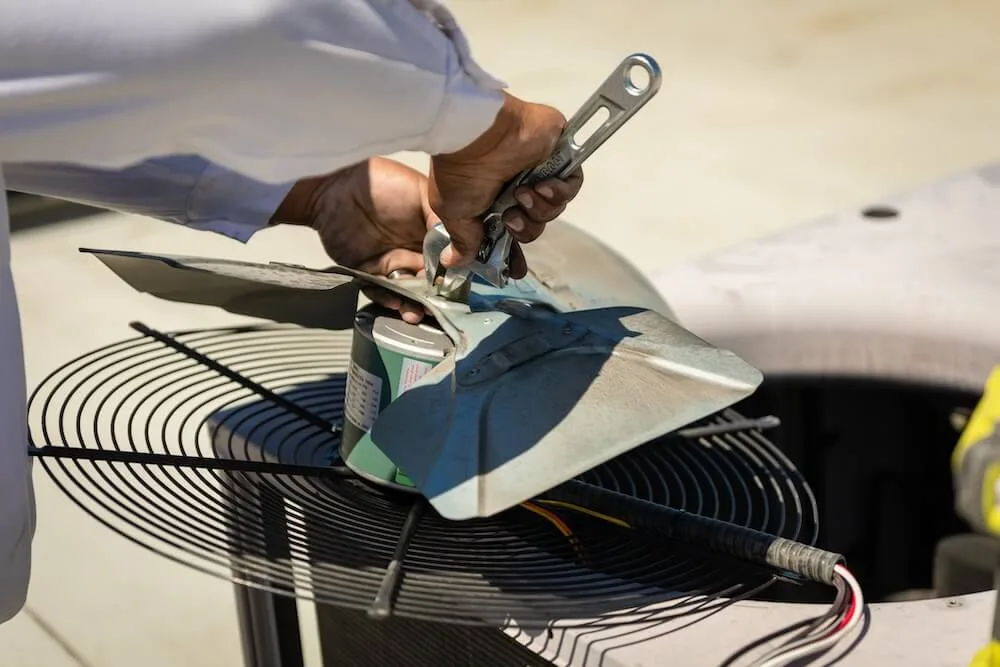
Site conditions are frequent causes of change orders and schedule delays. Rooftop access, ceiling plenum height, hazardous materials, and structural constraints affect methods and labor. Early site surveys and photos reduce surprises and let contractors prepare firmer, more competitive bids.
Include photos, drawings, and clear access notes in your RFP. Require bidders to list crane hours, curb fabrication, and shoring. When access is restricted, expect higher labor rates and longer schedules, and reflect that in your contingency.
Roof access and curb work impacts
Tight rooftop access or missing curbs raises rigging and crane costs. Crane mobilization, lift windows, and rooftop protection are direct costs and should be shown separately in bids. When roof penetrations require fire-stopping or new flashing, include roofing contractor allowances in the budget.
Missing curbs often mean additional metal fabrication and labor. That can add thousands of dollars per unit. Ask bidders to show curb fabrication and crane hours so you can compare proposals and avoid surprises.
Ceiling plenums and space constraints
Low or congested plenums increase labor and require creative routing. Installers may need to reduce duct sizes, reroute services, or use low-profile diffusers. Those changes often require design revisions and additional coordination time.
Expect more field fittings and extended labor where space is tight. Consider access panels for future service and include those costs in the bid rather than adding them later as change orders.
Asbestos and remediation cost triggers
Hazardous materials like asbestos require pre-work testing and abatement. Abatement is priced separately and can add significant cost and delay. Require hazardous-material surveys in retrofit bids so contractors can plan remediation and include allowances in their proposals.
Clarify who manages remediation and how costs will be documented. Unmanaged hazardous finds are common causes of large change orders on retrofit projects and can derail schedules if not addressed early.
Structural reinforcement needs
Large rooftop units or heavy chillers may require roof strengthening, concrete pads, or steel framing. Structural engineering, permits, and steel fabrication add time and cost, and they can be a major driver in total installed price.
Ask bidders to include a structural review allowance. If strengthening is required, get an early structural assessment and include those costs in the owner contingency rather than letting them appear as change orders.
Which design choices change lifecycle costs?
Design choices influence energy use, maintenance, and occupant comfort over the system life. High-efficiency equipment, advanced controls, variable-speed drives, duct quality, and commissioning raise first cost but often reduce lifecycle cost. Use lifecycle costing, not just first cost, when comparing options.
Some measures, like duct sealing and VFDs, often pay back quickly in high-run facilities. Other investments, such as premium chillers or full plant upgrades, require longer payback windows. Require bidders to show rebate and lifecycle assumptions in their proposals.
Does higher efficiency reduce payback time?
Higher-efficiency equipment lowers operating costs while increasing initial capital. Payback depends on run hours, local energy prices, and available incentives. In buildings with long operational hours, efficiency premiums usually pay back sooner.
Use simple-payback and lifecycle-cost models to compare options. Include utility rebates and tax incentives in the analysis, since they can change which efficiency level is cost-effective.
How do controls affect operating cost?
Controls coordinate systems to avoid simultaneous heating and cooling and to adjust ventilation to occupancy. Building automation systems reduce wasted energy in larger buildings and support fault detection, which lowers operating risk.
Good controls improve occupant comfort and reduce runtime. Costs vary with system complexity, but in larger or mixed-use buildings the benefits typically justify the investment. Require clear sequences and integration details in the bid.
Variable speed drives worth the cost?
VFDs allow motors to match speed to load and can cut energy use significantly. They often pay back in two to five years where loads vary. Consider VFDs on fans and pumps that operate across a wide load range.
Also budget for VFD integration with controls and for harmonic mitigation if your site electrical specs require it. Proper commissioning of VFDs is essential to capture expected savings.
Duct sealing and insulation value?
Proper duct sealing and insulation reduce energy losses and improve comfort. Post-install leakage testing is a relatively low-cost method that validates performance and protects ventilation assumptions. Specify leakage targets and require testing in the contract.
Las Vegas ductwork tips: Attic ductwork in Las Vegas requires R-8 minimum insulation to prevent energy loss in extreme heat. Duct leakage targets should be <6% of fan flow or <6 CFM25 per 100 ft². Proper sealing with mastic (not duct tape) is critical in desert conditions. Well-sealed and insulated ducts can reduce energy costs by 20-30% in Las Vegas's extreme climate.
Sealing and insulation pay back faster in conditioned spaces and in systems that run many hours. Contractual leakage limits and repair obligations reduce the risk of poor long-term performance.
Decision Checklist: Evaluating Installation Bids
Use this checklist to ensure you're comparing apples-to-apples bids:
Required Documentation
- Manual J load calculation: Room-by-room load calculation, not square-foot rules
- Manual D duct design: Duct layout with airflow CFM per supply/return
- Equipment specifications: Make, model, SEER/AFUE ratings, capacity in BTU/h
- Duct specifications: Materials, insulation R-value, sealing method (mastic vs. tape)
- Leakage targets: Duct leakage test targets (<6% fan flow or <6 CFM25 per 100 ft²)
Cost Breakdown to Verify
- Equipment: Separate pricing for HVAC units, controls, thermostats
- Ductwork: Linear feet, materials, insulation, sealing method
- Labor: Hours, crew size, hourly rates for key tasks
- Permits: Mechanical, electrical, building permits included
- Testing: TAB (Testing, Adjusting, Balancing) and commissioning included
- Rigging: Crane work, rooftop access, equipment lifting
- Contingencies: Allowances for hidden conditions, asbestos, structural work
Las Vegas-Specific Items
- Rooftop access: Crane windows, heat safety measures, roof protection
- Duct insulation: R-8 minimum for attic installations, proper sealing
- Energy efficiency: 16+ SEER systems recommended for energy cost control
- Rebates: NV Energy rebate assistance and documentation
How to evaluate contractor bids
A fair bid evaluation needs itemized, comparable proposals and a clear scope. Require Manual J and Manual D or ASHRAE load calculations, SMACNA duct specifications, TAB, and commissioning in the bid documents. Walk bidders through the site and require written assumptions so you compare like for like.
Itemized bids reduce the chance that a low bid has omitted scope. Review labor hours, crew sizes, and unit rates. Ask for references and sample TAB and commissioning reports to verify capability and past performance.
Which line items should be itemized
Insist on separate pricing for major categories: equipment, ductwork, insulation, controls, TAB, commissioning, permits, rigging, crane work, hazardous remediation, and contingency. That breakdown exposes where bidders compress price or drop scope.
Itemized bids make negotiation clearer and allow you to accept alternates without losing clarity. They also make it much easier to document change orders and track contingency usage.
How to compare labor rates fairly
Ask bidders to show labor hours, crew size, and hourly rates for key tasks. Normalize assumptions across bids to the same task list. Comparing unit labor hours for duct runs, diffusers, and VAV installations highlights where bids diverge.
Be mindful of warranty and service rates. Sometimes a low installation price hides higher future service costs. Check references and verify that quoted crews match the level of experience you expect.
Need HVAC service help in Las Vegas? If you're facing an HVAC emergency in Las Vegas, Henderson, or North Las Vegas, The Cooling Company offers fast, reliable service from licensed technicians. We understand that heating and cooling emergencies do not wait for business hours. Call us now at (702) 567-0707 for emergency service. Our team restores comfort quickly and safely.
How to prepare your site for bidding: gather drawings, existing equipment specs, photos of rooftops and mechanical rooms, and notes about access and occupied hours. Share structural reports and rooftop access details so bidders can price rigging and structural allowances with confidence.
Contact us for a tailored estimate: Las Vegas area building owners can call The Cooling Company at (702) 567-0707 for a site visit and a detailed commercial estimate. We provide NATE-certified technicians and experienced commercial crews. Outside our area, ask bidders for NATE certification and require the same TAB and commissioning deliverables you would expect from us.
You Might Also Like
This aspect deserves careful consideration as you evaluate your options. Understanding the details helps you make more informed decisions. Consulting with qualified professionals provides additional insights specific to your situation. Take time to consider how this information applies to your particular needs and circumstances. Making well-informed choices typically leads to better long-term outcomes and greater satisfaction.
This section lists related topics to explore if you plan an HVAC project. Understanding the details helps you make better decisions. Consult qualified professionals for site-specific advice and to refine budgets and schedules.
Prevention Tips: Maintaining Your New System
Proper maintenance protects your investment and prevents costly repairs, especially in Las Vegas's harsh climate:
Monthly Maintenance Tasks
- Filter replacement: Check and replace filters monthly to prevent coil freezing and reduced efficiency
- Visual inspection: Check outdoor units for visible damage, debris buildup, or corrosion
- Clearance check: Ensure 24 inches clearance around outdoor units
- Listen for sounds: Unusual noises may indicate problems—address immediately
Seasonal Professional Maintenance
- Spring tune-up: Before cooling season (March), check refrigerant levels, test for leaks, inspect ductwork
- Fall inspection: Evaluate system before heating season, check for wear from summer stress
- Annual duct inspection: Check for leaks, insulation damage, and proper sealing
- Energy audit: Annual assessment of system efficiency and energy costs
Early Warning Signs
- Reduced cooling/heating: System not maintaining set temperature
- Rising energy bills: Inefficient systems consume more electricity
- Frequent cycling: System turning on and off frequently may indicate problems
- Uneven temperatures: Some rooms too hot/cold may indicate ductwork issues
Las Vegas bid tip
For Las Vegas projects, ask bidders to break out roof access, crane windows, and summer heat scheduling. These line items often swing total cost and timeline during peak season.
Need HVAC service help in Las Vegas?
If you're facing an HVAC emergency in Las Vegas, Henderson, or North Las Vegas, The Cooling Company offers fast, reliable service from licensed technicians. We understand that heating and cooling emergencies don't wait for business hours.
Call us now at (702) 567-0707 for emergency service. Our team is ready to help restore your comfort quickly and safely.
About The Cooling Company
The Cooling Company serves the Las Vegas valley with professional HVAC services for more than a decade. Our licensed, NATE-certified technicians specialize in repair, maintenance, and commercial installations. We emphasize clear communication, documented testing, and verified commissioning on commercial projects.
We are experienced with rooftop rigging, mechanical-room fit-ups, and phased retrofit schedules that protect tenants and operations. For a site visit or estimate call (702) 567-0707 or schedule online.
Business details and contact
Las Vegas homeowners and building owners trust The Cooling Company for professional HVAC services. Whether you need routine maintenance, repairs, or new system installation, our licensed technicians deliver quality work backed by a satisfaction guarantee. Ready to get started? Call (702) 567-0707 or schedule online.
- Phone: (702) 567-0707
- Reviews: 4.8/5 stars (780+ reviews) - See reviews
Service Areas
This aspect deserves careful consideration as you evaluate your options. Put simply, understanding the details helps you make more informed decisions. Consulting with qualified professionals provides additional insights specific to your situation. Take time to consider how this information applies to your particular needs and circumstances. Making well-informed choices typically leads to better long-term outcomes and greater satisfaction.
We serve homeowners and businesses throughout the Las Vegas metropolitan area. Our technicians are available for same-day appointments in many areas and we provide 24/7 emergency service for urgent HVAC issues. Clear local coverage reduces travel time and helps us respond quickly.
Where we serve
We serve Las Vegas, Henderson, and North Las Vegas. For common service pages and local booking options see the links below.
Ready to Install HVAC with Ductwork in Las Vegas?
Installing an HVAC system with ductwork requires expertise in load calculations, duct design, and Las Vegas-specific considerations. The Cooling Company specializes in commercial HVAC installations with proper ductwork design and installation. Our NATE-certified technicians understand the unique challenges of Las Vegas buildings—extreme heat, desert conditions, and energy efficiency needs.
We provide comprehensive assessments including Manual J load calculations, Manual D duct design, and site evaluations. Our team helps you choose the right system type and ductwork configuration based on your building's structure, budget, and comfort goals. We also coordinate permits, inspections, TAB testing, and commissioning to ensure your system operates efficiently.
With our satisfaction guarantee and Lennox Premier Dealer status, you can trust in our expertise. Contact Us today at (702) 567-0707 for a free consultation and detailed estimate for your HVAC installation project.
Sources and further reading
Share This Page
- ASHRAE Technical Resources
- U.S. Department of Energy (Energy.gov) (accessed 2026-01-03)
- U.S. Environmental Protection Agency (EPA) (accessed 2026-01-03)
- ASHRAE (Standards and guidance) (accessed 2026-01-03)
- ENERGY STAR (Heating & cooling) (accessed 2026-01-03)
Critical compliance notes: Require EPA-compliant refrigerant handling and certified technicians on all refrigerant work. Include hazardous-material surveys in retrofit bids and require TAB and commissioning reports for final acceptance.
Need HVAC Service in Las Vegas?
The Cooling Company provides expert HVAC service throughout Las Vegas, Henderson, and North Las Vegas. Our licensed technicians deliver honest assessments, upfront pricing, and reliable results.
Call (702) 567-0707 or visit ductwork, duct repair, duct cleaning, or duct inspection for details.