

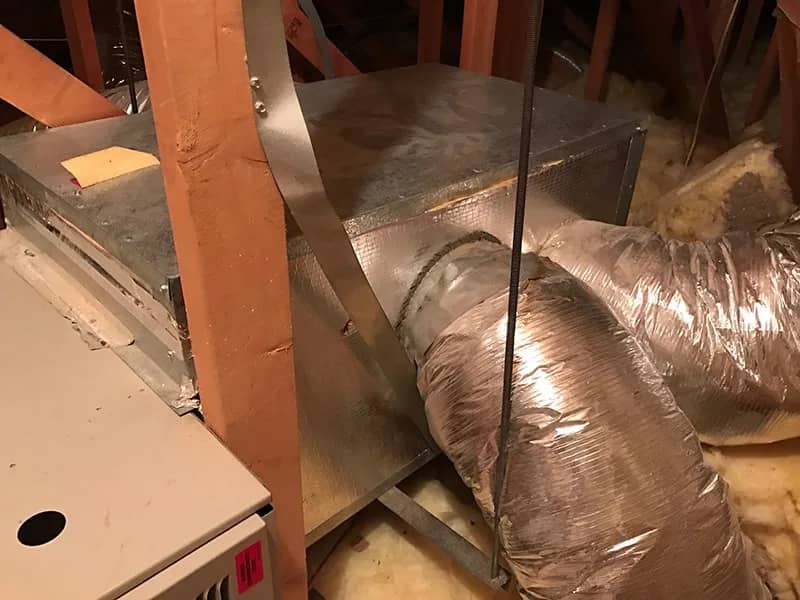
Short answer: Expect to pay about $4,000–$9,000 for a standard like‑for‑like 2‑ton heat pump and matched air handler swap. Costs can climb to $8,500–$15,000 with higher efficiency, electrical upgrades, or duct work. In Las Vegas, factor in high ambient heat ratings, desert dust protection, and peak demand management to avoid costly energy bills. Always get a Manual J load calculation, itemized bids, and rebate checks before choosing a contractor.
For more information, see our guide on furnace maintenance checklist.
For more information, see our guide on common heater problems.
What can change replacement cost
- System efficiency rating (SEER2/HSPF2) and variable-speed features
- Ductwork condition and required repairs or upgrades
- Electrical panel capacity and needed upgrades
- Installation complexity (attic access, rooftop placement, crane work)
- Brand selection and warranty terms
- Local labor rates and permit fees
- Peak season vs. off-season installation timing
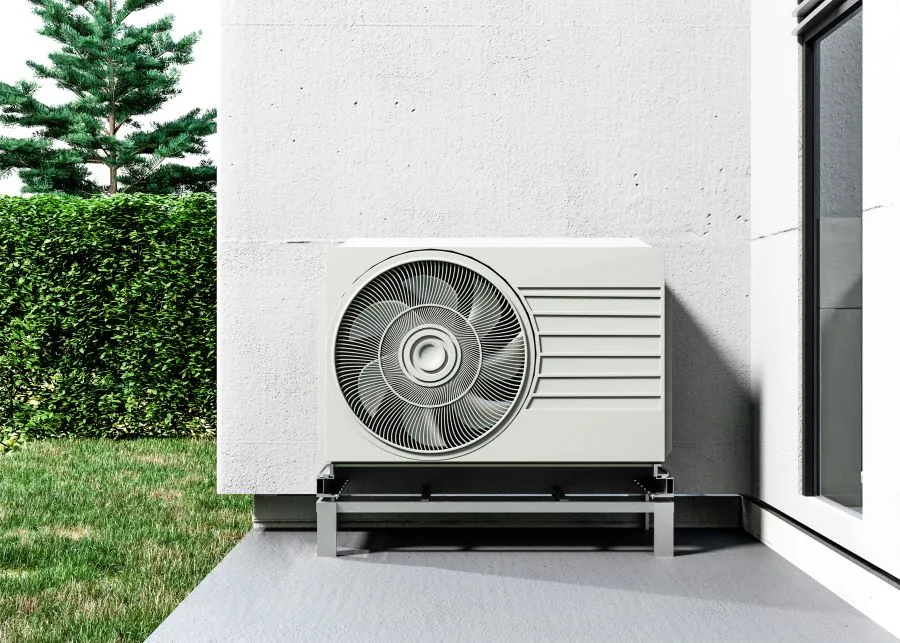
Las Vegas replacement tip
In Las Vegas, extreme summer heat (105°F+ days) and rapid temperature swings stress heat pumps more than in moderate climates. Desert dust loads filters faster and can clog coils, reducing efficiency. Monsoon season (July-September) adds humidity load, forcing systems to work harder. Peak demand charges during afternoon hours (2-6 PM) can double energy bills if systems aren't properly sized or controlled. When replacing a 2-ton system, prioritize high ambient-rated equipment (125°F+), variable-speed compressors for better humidity control, and proper duct sealing to maximize efficiency during long cooling seasons.
Key Takeaways
- Typical like‑for‑like replacement: $4,000–$9,000.
- High‑efficiency or complex jobs: $8,500–$15,000+.
- Always get a Manual J load calc and itemized bids.
- Check rebates, refrigerant rules, and NATE credentials.
What does a 2-ton replacement include?
A 2‑ton replacement normally swaps the outdoor heat pump condenser and the indoor matched coil or air handler. Technicians remove the old units, set the new pad, and reconnect the line set. They also perform start‑up checks and verify electrical connections for safety and performance.
Installers often replace the drier, fittings, and the refrigerant charge during the swap. They will verify blower settings and check airflow in ducts. If the indoor coil is mismatched, they usually recommend replacing the air handler too to keep rated efficiency and warranty coverage.
A proper job includes permits and documented start‑up tests in many jurisdictions. Permit pulls add time but protect homeowners and preserve manufacturer warranties. Always ask whether the installer includes permit fees and final inspection paperwork in the bid.
What parts are replaced and why?
Typical parts replaced are the outdoor condenser, indoor coil or air handler, and sometimes the line set. Technicians also swap the pad, electrical disconnect, and condensate drain components. These parts affect system match, airflow, and long‑term reliability. (Source: Energy gov Heat Pump Tips)
If the indoor coil is corroded or mismatched, efficiency drops and compressor life shortens. Replacing the matched coil or air handler keeps the SEER and HSPF ratings intact. A matched pair also simplifies warranty claims and future service calls.
Try our energy savings calculator to see how much you could save.
What inspections and startup checks are done?
Start‑up checks include refrigerant charge verification, airflow testing, and electrical amp draws. Technicians measure static pressure and check blower RPM to confirm correct airflow. They also test thermostat operation and confirm proper defrost cycles for heat pumps.
Technicians often record results on a start‑up sheet you should keep. That sheet helps with warranty service and future troubleshooting. Ask for a copy after installation so you have documented proof of proper commissioning.
What affects the total cost?
Equipment brand, efficiency, and features set the base price for the system. Labor, accessibility, and local wages drive installation cost. Extra work like duct sealing, electrical upgrades, or long refrigerant runs add predictable line items to the quote.
Site factors change time and risk for the crew. Tight attics, long stair carries, or rooftop placement can add crane or rigging fees. Permit costs and required inspections also vary by city, so clarify those items early with each bidder.
Many contractors add a contingency for unknowns found after removal of old equipment. Ask how they price unexpected items. A clear, itemized bid reduces surprises and helps compare real differences between contractors.
Cost drivers: Understanding pricing breakdown
Several factors significantly impact your total 2-ton heat pump replacement cost:
For a detailed cost breakdown, see our HVAC pricing guide.
- Equipment cost: Base unit price varies by brand, efficiency rating (SEER2/HSPF2), and features. Higher efficiency units cost more upfront but save on energy bills, especially in Las Vegas where systems run 8-12 hours daily during summer.
- Installation complexity: Rooftop units require crane work ($500-2,000+). Duct modifications, electrical upgrades, or structural reinforcements add costs.
- System features: Variable-speed compressors add $500-1,500 but improve humidity control and comfort. Inverter technology adds $800-2,000 but reduces energy use.
- Ductwork condition: Leaky or undersized ducts reduce system performance. Simple sealing ($200-800) vs. major replacement ($2,000-6,000+) impacts total cost.
- Electrical upgrades: Adding a breaker ($200-500) vs. full panel upgrade ($1,500-4,000) varies by home age and capacity.
- Labor rates: Peak season (May-September) may have premium rates. Licensed, insured contractors cost more but provide better warranties.
- Permits and inspections: Required permits ($100-400) and inspections add to total cost but protect homeowners and preserve warranties.
How much do equipment and labor usually cost?
A basic 2‑ton condenser often runs $1,800–$4,500. Matched indoor air handlers or coils usually cost $700–$2,500. Premium inverter and variable‑speed combinations push the pair higher, sometimes $4,500–$7,000 for top models.
Labor for a like‑for‑like swap typically runs $1,000–$3,000. Simple swaps finish in a day if access is good. Expect additional labor charges when ducts, long line sets, or electrical panel upgrades are needed.
Will duct or electrical work add to cost?
Yes. Leaky or undersized ducts reduce system performance and often need repair before a new unit will work as intended. Simple duct sealing might cost a few hundred dollars, while major duct replacement can add several thousand.
Electrical upgrades are common when older homes lack available circuit capacity. Adding a breaker and proper disconnect may be a few hundred dollars. A full panel upgrade or new service can cost $1,500–$4,000 depending on local rates and equipment. [Point 1] (Source: Energy gov Heat Pump Tips)
How to choose the right efficiency and features?
Choose efficiency based on climate and runtime. In hot climates, higher SEER pays off faster. In colder areas, look at HSPF and cold‑climate performance for winter savings. Balance initial cost against expected energy use and rebates.
Learn about available federal tax credits for energy-efficient HVAC equipment.
First, fix major duct or envelope problems so a high‑SEER unit can deliver real savings. Prioritize sealing, insulation, and airflow. After that, consider variable speed, inverter compressors, and advanced controls to improve comfort and reduce runtime.
Also check current SEER2 and HSPF2 ratings on spec sheets. Ratings changed recently to reflect real‑world testing. Use the updated numbers to compare systems fairly and estimate operating costs.
What is SEER vs HSPF and why care?
SEER means Seasonal Energy Efficiency Ratio and shows cooling efficiency over a season. Higher SEER uses less electricity for cooling. HSPF means Heating Seasonal Performance Factor and measures heat pump heating efficiency.
New test methods call these SEER2 and HSPF2 in many specs. Ask for SEER2 and HSPF2 values so you compare modern units correctly. These numbers help you estimate energy savings when combined with local utility rates.
Is variable speed worth the extra cost?
Variable‑speed compressors and blowers run more often at low power and reduce short cycling. They improve humidity control and steady comfort while saving energy on light loads. Many homeowners notice better comfort with the higher upfront cost.
If ducts are in good shape and you plan to stay in the home for years, variable speed often gives the best ROI. For tight budgets, a modest SEER increase still improves efficiency without the full variable‑speed premium.
How to compare and read installer quotes?
Line‑by‑line comparison beats total price alone. Make sure bids list exact model numbers, SEER/HSPF ratings, labor hours, permit fees, and separate duct or electrical work. Matching item names prevents apples‑to‑oranges comparisons.
Ask each contractor to include estimated install time and a start‑up checklist. Check whether permits, refrigerant recovery, and disposal are included. Also request warranty terms in writing, showing parts and labor coverage periods.
Finally, compare contractor credentials and reviews. NATE certification, local licensing, and insurance protect you. A slightly higher price from a reputable contractor can save money over the system life by avoiding callbacks. [Point 2] (Source: Energy gov Heat Pump Tips)
Which line items should match across bids?
Quotes should list the outdoor unit brand and model, indoor air handler or coil model, SEER/HSPF numbers, and proposed refrigerant. They should also list the exact labor tasks and hours, permit fees, and disposal or refrigerant recovery charges.
If one bid says "2‑ton heat pump" and another names a model, ask the first contractor for a model number. Matching the specs makes the bids comparable and shows whether a lower price hides vague or omitted items.
How do I spot a lowball bid?
Low bids often miss permit fees, refrigerant recovery, or enough labor hours. They may use vague descriptions like "install new unit" without model numbers or start‑up checklists. Watch for unusually short install times on the proposal.
Also check warranty handling and service response time. Some lowball bidders cut corners to save time. That can cost you more in callbacks and shortened equipment life than the initial savings.
How to prepare for installation day?
Good prep shortens the job and reduces surprises. Clear areas around the outdoor unit and indoor cabinet. Remove stored items from attics or closets so installers can work safely and quickly.
Label or photograph thermostat wiring so reconnection is straightforward. Have permit paperwork, rebate forms, and your utility bill handy. Confirm parking and access so the crew can unload equipment without delays.
Plan for pets and children to be away from work areas. If electrical work is likely, talk to your electrician and the installer ahead of time so both crews can coordinate and avoid extra trips.
How long will the install take?
A simple like‑for‑like swap often finishes in one full workday. That includes removal, installation, charging, and start‑up checks. More complex installs with duct work or electrical upgrades can take 2–4 days total.
Panel upgrades, crane work, or long refrigerant runs add time and scheduling. If an inspector must visit, plan for that scheduling window too. Ask your contractor for a clear timeline before they start.
What should I do the day before?
Clear a 3–5 foot work area around outdoor and indoor units so crews can move safely. Remove fragile items near access paths. Take photos of the old unit nameplate and wiring if you have not already. [Point 3] (Source: Energy gov Heat Pump Tips)
Confirm parking and gate codes with the crew. Also make sure someone is home for permit signoffs or final walkthroughs. A short prep list prevents delays and extra labor charges.
Who should I call for a local quote and warranty service?
If you live in Las Vegas, Henderson, or North Las Vegas, call The Cooling Company at (702) 567-0707 for a clear, itemized quote. The team offers Manual J sizing, NATE‑certified technicians, and permit handling to get your system installed right the first time.
The Cooling Company provides written start‑up reports and handles rebate paperwork when possible. They also explain warranty coverage and offer labor warranty options. Expect itemized bids that separate equipment, labor, permits, and any duct or electrical work.
Outside our service area? Use NATE at natex.org to find certified technicians near you. Compare bids using the same model numbers, Manual J sizing. Documented start‑up checks so you can pick the best local installer.
What services does The Cooling Company provide?
The Cooling Company does a full site assessment, Manual J load calculation, and written, itemized quotes. Technicians handle permit pulls, install, refrigerant recovery, and start‑up verification. They also file common rebate forms when applicable to reduce your net cost.
You can expect NATE‑certified technicians who test airflow, verify refrigerant charge, and set blower curves. The company offers clear warranty documentation and will walk you through maintenance needs to preserve factory warranties.
What if I am outside Las Vegas area?
If you live outside Las Vegas, use NATE at natex.org to find local certified technicians and verify credentials. Ask any contractor for Manual J sizing, itemized bids, and start‑up checklists to match the standards listed here.
Keep copies of receipts, model numbers, and start‑up sheets for warranty and rebate claims. A careful comparison across bids protects you no matter where you live.
Prevention and maintenance: Protecting your investment
Proper maintenance extends equipment life and prevents costly repairs. In Las Vegas, these steps are especially critical:
- Regular filter changes: Desert dust loads filters faster. Change filters monthly during peak season (May-September) to maintain efficiency and prevent coil fouling.
- Coil cleaning: Schedule professional coil cleaning every 3-4 months. Dirty coils reduce efficiency by 10-30% and increase energy costs, especially during Las Vegas summers.
- Annual tune-ups: Professional inspections catch refrigerant leaks, electrical issues, and airflow problems early. Annual service costs $100-300 but prevents $500-2,000+ emergency repairs.
- Duct maintenance: Inspect ducts annually for leaks, damage, or insulation gaps. Sealing leaks can improve efficiency by 10-20%.
- Thermostat programming: Use setback schedules to reduce runtime during unoccupied hours. Smart thermostats can save 5-15% on energy bills.
- Outdoor unit care: Keep outdoor unit clear of debris, vegetation, and dust buildup. Maintain 2-3 feet clearance for proper airflow.
Decision checklist: Choosing the right system
Use this checklist to evaluate your 2-ton heat pump replacement options:
- Sizing verification: ✓ Manual J load calculation completed
- Efficiency rating: ✓ SEER2/HSPF2 ratings compared
- System matching: ✓ Indoor and outdoor units matched per AHRI certificate
- Ductwork assessment: ✓ Ducts inspected and tested for leaks
- Electrical capacity: ✓ Panel capacity verified for new system
- Contractor credentials: ✓ NATE certification, licensing, and insurance verified
- Warranty coverage: ✓ Parts and labor warranty terms reviewed
- Rebate eligibility: ✓ Federal, state, and utility rebates checked
- Financing options: ✓ Payment plans and financing terms compared
- Installation timeline: ✓ Project schedule and permit timeline confirmed
Final checklist before you sign a quote?
Confirm the exact model numbers and SEER2/HSPF2 ratings on the proposal. Make sure permits, refrigerant recovery, and disposal fees are shown as separate line items. Ask for a written start‑up report and warranty terms.
Request a Manual J load calc and confirm the recommended tonnage. Check whether duct work or electrical upgrades are included or listed separately. Finally, verify technician credentials and ask about typical response times for warranty service.
If you are in Las Vegas, Henderson, or North Las Vegas and want a reliable, itemized quote with permits and NATE‑certified technicians, call The Cooling Company at (702) 567-0707. For readers outside our area, visit NATE at natex.org and use this guide to compare local bids.
Related reading: what to explore next?
Need HVAC service help in Las Vegas?
If you're facing a heat pump replacement decision in Las Vegas, Henderson, or North Las Vegas, The Cooling Company offers fast, reliable service from licensed, NATE-certified technicians. We understand that HVAC emergencies don't wait for business hours, and we're here to help you make informed decisions about your 2-ton heat pump replacement.
Call us now at (702) 567-0707 for a professional assessment and itemized quote. Our team provides Manual J load calculations, AHRI-certified system matching, and transparent pricing to help you choose the right system for your home and budget.
We serve Las Vegas, Henderson, and North Las Vegas with professional heat pump installation, maintenance, and repair services. Whether you need routine maintenance, emergency repairs, or a complete system replacement, our licensed technicians deliver quality work backed by a satisfaction guarantee. Ready to get started? Call (702) 567-0707 or Schedule Now.
Share This Page
About The Cooling Company
- Phone: (702) 567-0707
References
- U.S. Department of Energy (Energy.gov) (accessed 2025-12-29)
- U.S. Environmental Protection Agency (EPA) (accessed 2025-12-29)
- ASHRAE (Standards and guidance) (accessed 2025-12-29)
- ENERGY STAR (Heating & cooling) (accessed 2025-12-29)
Related service: Considering a heat pump for your Las Vegas home? Explore our heat pump installation and heating services services for Las Vegas homeowners.
Need HVAC Service in Las Vegas?
The Cooling Company provides expert HVAC service throughout Las Vegas, Henderson, and North Las Vegas. Our licensed technicians deliver honest assessments, upfront pricing, and reliable results.
Call (702) 567-0707 or visit heating, furnace repair, heat pump installation, or heating maintenance for details.