
Duct Cleaning Las Vegas: What You Need to Know
Short answer: Duct cleaning in Las Vegas removes dust, soot, and debris from HVAC ducts and vents, restoring airflow and reducing odors after wildfire smoke. While cleaning alone provides modest savings (typically a few percent in energy reduction), combining it with coil cleaning, blower cleaning, duct sealing, and filter upgrades can reduce cooling energy costs by 3-12%. Typical residential costs range $350-$900; wildfire smoke remediation or commercial jobs cost more ($800-$2,000+). In Las Vegas's dusty desert environment, ducts accumulate fine sand and dust faster than in other climates, making regular maintenance important. Hire NADCA-trained technicians who use negative-pressure HEPA vacuums and provide before/after photos for best results.
For more information, see our guide on duct installation.
For more information, see our guide on ductwork cost per linear foot.
For more information, see our guide on ductwork and HVAC efficiency.
Key Takeaways
- Clean ducts after visible mold, heavy dust, pest signs, or wildfire smoke exposure.
- Choose NADCA-trained techs who use negative-pressure HEPA vacuums and show before/after photos.
- Combine duct cleaning with coil and blower work, filter upgrades, and duct sealing for best ROI.
- Typical residential costs in Las Vegas range $350–$900; smoke or commercial jobs cost more.
Duct cleaning in Las Vegas removes dust, soot, and debris from HVAC ducts and vents. It restores airflow and often reduces odors after wildfire smoke. Savings are modest alone but larger when combined with coil cleaning, sealing, and a higher-grade filter. Hire NADCA-trained techs who use HEPA vacuums and photos. (ASHRAE Technical Resources)
Why clean ducts in Las Vegas?
Duct cleaning matters in Las Vegas because desert dust and fine sand enter homes easily. Wind, open windows, and frequent renovations add dust and lint to return grilles and trunks. Over time, these particles settle on duct walls and in the air handler, narrowing passages and reducing the delivered airflow to rooms.
This buildup can also trap smoke residue after wildfires and produce lingering odors in vents. Allergy and asthma symptoms may rise when vents release trapped particles. Cleaning removes that material and helps the HVAC system move air with less effort and fewer long runtime cycles.
How does dust affect HVAC airflow?
Dust forms layers on duct walls and around registers that narrow airflow paths. When airflow drops, static pressure rises and the blower must work harder to move air. That extra load makes the system run longer to reach set temperatures. Increases electricity use and wear on fan motors.
Technicians measure cubic feet per minute, or CFM, to document airflow before and after cleaning. Improved CFM and lower static pressure are common after thorough coil, blower, and duct cleaning. These measurements show real performance gains and verify the value of the work.
What local dust and smoke risks exist?
Las Vegas sees high levels of fine dust from desert winds and nearby construction sites. Wildfire smoke can travel into the valley and leave fine soot on vents and coils. Hotels, rentals, and older homes with attic plenums often face higher dust loads from frequent use and less-sealed ducts.
Rodent activity and pests sometimes add hair, droppings, and nesting materials into returns and plenums. When biological material is present, a professional assessment and targeted remediation are needed. Particle-count testing helps document smoke or soot severity after wildfire events.
How does duct cleaning affect airflow and energy costs?
Cleaning ducts affects performance most when blockages or heavy dust obstruct airflow. Removing that debris lowers pressure drops in trunks and at registers. Once airflow improves, rooms reach set temperatures faster and runtimes drop, which can lower electricity bills.
Direct savings from duct cleaning alone are usually modest. Larger and more measurable savings appear when cleaning is bundled with coil and blower cleaning, duct sealing, and filter upgrades. Those combined measures reduce wasted cooled air and improve system efficiency for sustained savings.
How much energy can duct work save?
Energy savings vary by system condition and duct leakage. Cleaning alone often yields small gains, typically a few percent in energy reduction. Field reports show combined services, like coil and duct cleaning plus sealing, often produce cooling energy savings in the 3%–12% range.
Try our energy savings calculator to see how much you could save.
Your exact savings depend on local electric rates, system age, and how leaky the ducts are. Ask a contractor to measure runtime and CFM before and after work to calculate a practical ROI based on your bills and local rates. (ASHRAE Technical Resources)
Browse our project portfolio to see examples of our installation work.
What gains come from coil and blower cleaning?
Evaporator coils collect greasy dust that reduces heat transfer and lowers cooling capacity. A dirty coil forces the system to run longer to remove the same heat load. Cleaning coils helps the refrigerant system work more efficiently and reach setpoints faster.
Blower wheels also trap lint and debris. A balanced and clean blower moves air with less resistance. Homeowners often see sharper comfort gains from coil and blower cleaning than from duct cleaning alone, making combined work the best choice for many systems.
How to choose a reputable Las Vegas provider?
Choosing the right provider avoids wasted money and poor results. Start by asking whether the company follows NADCA or ANSI protocols and whether techs are trained in negative-pressure HEPA vacuuming. Confirm Nevada State Contractors Board licensing and proper insurance coverage.
Request a written scope that lists inspected areas, tools used, and whether coils and blower wheels are included. Ask for before-and-after photos and particle-count testing options for smoke or mold jobs. A clear, itemized bid prevents surprises and clarifies what the company will deliver.
What qualifications should a tech have?
A qualified tech understands system layouts, access panels, and safe handling of components. NADCA training or similar instruction shows that the tech follows accepted cleaning protocols. Experience with local smoke and dust issues is useful for accurate estimates and effective remediation.
Good techs will document conditions and explain recommended steps in plain language. They should describe containment methods, PPE used. How they will prevent dust from spreading into the living space during work. Clear communication reduces risk and sets expectations.
Which certifications matter for safety?
NADCA certification is the recognized standard for duct cleaning practices and protocols. Technicians trained in NADCA methods follow industry guidance for containment and equipment use. For refrigerant handling, EPA Section 608 certification is required for techs who service coils and refrigerant lines.
NATE certification shows broader HVAC knowledge and testing skill. Ask to see certificates and confirm the company is listed with the Nevada State Contractors Board. These checks help confirm competence and legal compliance for contracted work.
How to verify local references?
Ask for recent Las Vegas-area references and photos from comparable jobs. Call or email references to ask about timeliness, professionalism, and cleanup. Look for reviews on Google and Yelp and check for unresolved complaints with the Contractors Board.
For large or commercial projects, ask for contacts at similar properties. A reputable contractor will gladly provide verifiable local references and examples of past work that match your property type and scale.
See why homeowners trust us — view our industry awards and certifications.
What costs, timelines, and examples should you expect?
Costs depend on house size, system complexity, and contamination level. Standard residential duct cleaning in Las Vegas often falls in the $350–$900 range if coils and blower cleaning are bundled. Wildfire smoke, testing, or mold work raises prices and adds time for testing and remediation.
Timelines vary by scope. A straightforward single-family home clean usually takes 2–4 hours. Large homes, multi-zone systems, or commercial rooftop units can take a full day or multiple visits. Plan for extra time when particle counts or remediation steps are required.
What are typical price ranges in Vegas?
Most single-family cleanings that include register and trunk cleaning cost $350–$550. Adding coil and blower work typically raises price to $600–$900. Wildfire smoke remediation often costs $800–$2,000 depending on testing and cleanup needs.
Small commercial jobs and rooftop systems start higher, often $1,200 and up. These systems require extra access work, containment, and coordination, which raise labor and equipment costs. Ask for itemized bids to compare scope and pricing. (ASHRAE Technical Resources)
How long does a typical job take?
A standard home cleaning typically requires two to four hours on site. Techs must access supply and return sides and may need to move furniture near registers. Coil and blower cleaning adds one to two hours, depending on access and condition.
Complex commercial or smoke remediation jobs often need a full day or multiple days. Testing for particles or moisture adds time before and after cleaning. Ask the contractor for a realistic timeline when you book a job.
Are coils and blowers an extra cost?
Coil and blower cleaning are commonly extra line items if not included in a bundled service. Some companies include them in a full-system package. Expect an add-on charge if the quote only covers trunk and register cleaning.
Bundling services in one visit often saves money versus separate appointments. Ask for a clear bundled price that lists coil and blower work, filter upgrades. Any testing to avoid surprise fees.
Can you get bundled discounts?
Many providers offer discounts for bundled coil, blower, and duct cleaning. Bundles reduce travel and labor and improve overall performance by addressing all major airflow components. This approach often gives better long-term value than single-item services.
Negotiate a firm written price and confirm what post-service verification, photos, and measurements are included. Clear documentation ensures the bundle delivers the expected results.
Will cleaning improve my energy bills?
Cleaning alone usually gives modest savings, often a few percent in cooling energy. Greater savings appear when cleaning is combined with sealing and filter upgrades. Those combined steps reduce wasted cooled air and shorten runtime cycles.
To estimate ROI, ask contractors to measure CFM and runtime before and after service. Use those numbers with your average summer bill and local rates to estimate annual dollar savings from the work.
What happens during a professional duct cleaning?
A reputable job starts with a visual inspection, photos, and a written scope. Techs open sample registers and may use a borescope camera to look into trunks. They document contamination and note any mold, rodent signs, or access issues before starting.
Containment and negative-pressure HEPA vacuuming are central to safe cleaning. Techs protect floors and furniture, remove and clean registers, and then use brushes or air whips to dislodge debris. A HEPA vacuum captures that material and prevents it from re-entering the living space.
How are ducts inspected and tested?
Inspections begin at registers and accessible trunks and may include borescope photos of deep trunks. Technicians photograph visible contamination and check for mold, pests, and damaged ductwork. Particle-count testing is sometimes used after wildfire exposure.
More thorough jobs include airflow and static pressure measurements. These readings provide a baseline and help quantify improvements after cleaning and any sealing work. Ask for pre- and post-service numbers to verify performance claims.
What equipment do pros use?
Professional crews use truck-mounted or high-capacity portable negative-pressure HEPA vacuums to pull debris from ducts. Rotary brushes, air whips, and controlled agitation tools free dirt from walls and registers. Cameras let techs document hard-to-reach areas without removing major duct sections.
For smoke or mold jobs, particle counters and moisture meters may be used to guide remediation. Proper personal protective equipment and sealed containment avoid spreading dust and protect occupants during work. (ASHRAE Technical Resources)
How is contamination contained?
Containment keeps dust and soot from moving through the home during cleaning. Contractors use plastic sheeting, doorway seals, and localized negative pressure to isolate work areas. HEPA vacuums capture dislodged material and route it outside or to contained collection units.
After cleaning, crews wipe down registers, clean returns, and replace filters. They should dispose of debris off-site and show you the before-and-after photos to verify containment and cleanup effectiveness.
How to maintain results and when to call back?
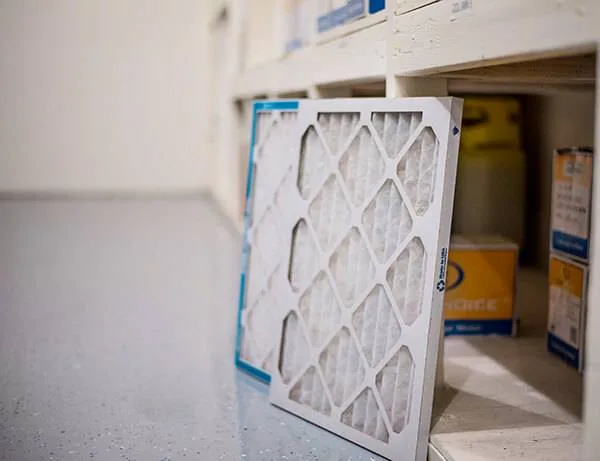
Maintaining results keeps ducts cleaner longer and protects system performance. Upgrade filters to MERV 8–13 where the air handler permits that level. Replace or clean filters on a schedule and choose pleated filters with deeper frames if the blower can handle them.
Seal major duct leaks to stop dust entry from attics and crawlspaces. Schedule annual coil and blower inspections to prevent build-up. Monitor airflow and pay attention to odors or renewed dust, and call the service provider quickly if problems return.
Which filters improve airflow?
MERV 8–13 filters capture more particles and reduce the dust that reaches ducts and coils. Filters with higher MERV ratings trap finer particles but may limit airflow if the system cannot overcome the resistance. Always check the air handler’s capabilities before upgrading.
Pleated filters with larger surface area hold more dust and often last longer. Replace filters per manufacturer guidance, or check monthly in dusty homes. Consistent filter changes maintain airflow and reduce recontamination of cleaned ducts.
How often should ducts be cleaned?
Most homes do not need annual cleaning. A targeted approach based on evidence works best. Clean ducts when you see visible contamination, persistent odors, or after wildfire smoke, renovation, or pest activity.
Typical Vegas homes without specific triggers may benefit from cleaning every 3–5 years. Homes with pets, smokers, or heavy dust loads may need more frequent attention and closer monitoring between professional services.
Can upgraded filters reduce dust?
Yes, better filters reduce the particle load moving into ducts and on coils. That lowers how fast deposits build up on surfaces and slows recontamination of the system. Over time, cleaner filters result in fewer needed cleanings.
Balance filtration choices with fan performance. If a new filter restricts airflow too much, it can harm efficiency and comfort. Consult a technician before moving to very high MERV filters to ensure compatibility with your fan motor.
What role does sealing play long term?
Sealing major leaks prevents outside dust from entering duct lines and reduces wasted cooled air. Sealed systems deliver more conditioned air to rooms, which shortens runtime and improves comfort. Sealing also keeps cleaned surfaces cleaner longer by blocking new dust paths.
Professionals use pressure tests and visual inspection to find leaks at takeoffs and seams. When sealing follows cleaning, the work secures clean surfaces and improves the lifetime value of the service.
Should you schedule seasonal cleanings?
Schedule non-urgent work in spring or fall to avoid the busiest summer months. Doing maintenance before cooling season keeps systems running efficiently when demand peaks. Avoid scheduling during wildfire season unless remediation is needed urgently.
Seasonal checks let techs focus on filters and coils first, then decide if full duct cleaning is necessary. This staged approach keeps maintenance predictable and less disruptive for families and renters. (ASHRAE Technical Resources)
How to monitor airflow after service?
Measure CFM at registers or watch runtime cycles to check for improvements. Shorter runtimes and steadier room temperatures usually indicate better airflow. Request that the contractor supply before-and-after static pressure and airflow readings when possible.
If measured gains are absent, follow up with the provider. Sometimes additional sealing, duct repair, or deeper coil work is needed to reach expected performance levels.
When to call back your provider?
Call the provider if dust or odors return quickly after service, or if the company missed items in the written scope. Report any warranty-covered issues promptly so the crew can revisit and correct them. Quick follow-up prevents escalation.
If new mold appears or pests re-enter returns, contact the contractor for re-evaluation. Professional teams often offer short-term workmanship guarantees to address such problems within a defined period.
Ready to schedule Duct Cleaning in Las Vegas?
Call The Cooling Company at (702) 567-0707 for fast, local service in Las Vegas, Henderson, and North Las Vegas. We provide phone estimates, virtual assessments, and in-home inspections. Tell us about system type, size, and any smoke, mold, or pest concerns to get an itemized quote quickly.
If you live outside our service area, ask any contractor for NADCA-standard methods and NATE-certified technicians. Those checks help ensure a quality job no matter where you live. For Las Vegas-area service, call The Cooling Company at (702) 567-0707 and ask about bundled coil, blower. Sealing discounts for better ROI.
What information will the contractor need?
Have basic system details ready: model year, system type, and number of supply and return registers. Tell the contractor about recent smoke exposure, renovations, or pest sightings. Photos of vents accelerate the estimate and help set the right scope for the on-site visit.
Provide access times and note any areas needing special permission. Clear access and accurate details save time and avoid surprise charges. If you want particle-count testing, mention that up front so the techs bring the needed equipment.
How to get a clear fast quote?
Ask for an itemized estimate that lists inspection, register cleaning, trunk access, coil and blower work, and any testing or sealing. Compare bids line-by-line and watch for missing containment or HEPA vacuuming in low-ball offers. Written scopes reduce disputes and clarify deliverables.
When you call The Cooling Company at (702) 567-0707, we explain options, show expected timelines, and confirm pricing for Las Vegas, Henderson, and North Las Vegas. Our goal is clear documentation and measurable results on every job.
Final checklist before you hire
Ask for NADCA-standard cleaning methods and proof the team uses negative-pressure HEPA vacuums. Confirm whether coils and blower wheels are included and whether duct sealing is available. Request before-and-after photos, written scope, and any particle-count testing needed for smoke jobs.
Check local licensing and insurance, and ask for recent Las Vegas-area references. Get warranty terms in writing and confirm who handles follow-up. Keep all photos and test results for future comparisons and possible warranty claims.
Summary
Duct cleaning in Las Vegas helps when you have visible contamination, lingering smoke odors, or pest signs. The best value comes from combining cleaning with coil and blower work, filter upgrades, and targeted sealing. Choose NADCA-trained techs who document work with photos and use HEPA containment.
For a local, documented approach, call The Cooling Company at (702) 567-0707. We serve Las Vegas, Henderson, and North Las Vegas and offer clear scopes, bundled pricing, and post-service verification. Outside the area, ask for NATE-certified techs and NADCA-standard methods when hiring locally.
About The Cooling Company
The Cooling Company has been serving the Las Vegas valley with professional HVAC services for over a decade. Our team of licensed, NATE-certified technicians specializes in air conditioning repair, heating system maintenance, and complete HVAC installations. We're committed to providing honest, reliable service with upfront pricing and a 100% satisfaction guarantee on all work performed.
- Phone: (702) 567-0707
- Reviews: 4.8/5 stars (780+ reviews) - See reviews
Service Areas
We proudly serve homeowners and businesses throughout the Las Vegas metropolitan area, including Las Vegas, Henderson, and North Las Vegas. Our service technicians are available for same-day appointments in most areas, with emergency service available 24/7 for urgent HVAC issues.
Need HVAC Service in Las Vegas?
The Cooling Company provides expert HVAC service throughout Las Vegas, Henderson, and North Las Vegas. Our licensed technicians deliver honest assessments, upfront pricing, and reliable results.
Call (702) 567-0707 or visit ductwork, duct repair, duct cleaning, or duct inspection for details.