

Emergency Heating and Cooling Service: 7 Quick Fixes for Emergency
Short answer: An HVAC problem is an emergency when it creates an immediate risk to life, health, or property. Typical emergency signs include a strong smell of natural gas, a carbon monoxide alarm sounding, visible fire or smoke, or complete loss of heat during freezing weather. In Las Vegas, where summer temperatures regularly exceed 110°F and winter nights can drop below freezing, fast response is critical for comfort and safety. Desert heat, dust storms, and rapid temperature swings make proper diagnosis and quality repairs essential.
Las Vegas Emergency HVAC Service Context
Las Vegas homeowners face unique challenges with emergency heating and cooling due to extreme desert climate. The Las Vegas Valley experiences 310+ days of direct sunlight annually, with summer highs regularly reaching 110-115°F and winter nights dropping below freezing. Unlike moderate climates, AC systems here operate nearly year-round, which increases wear and the likelihood of failures. Desert dust storms can clog filters and coils faster, leading to airflow issues and compressor strain that trigger emergency calls.
During peak summer months (June through September), cooling repair demand surges, and same-day service becomes critical. During winter cold snaps (December through February), heating failures can be dangerous. After-hours and weekend calls typically add 20-50% surcharges to labor rates. Neighborhoods across the valley—from Summerlin and Henderson to North Las Vegas, Paradise, and Enterprise—all face similar challenges, but system age, maintenance history, and equipment type vary significantly.
Key Takeaways
- Prioritize safety: evacuate for gas leaks, CO alarms, or smoke
- Do safe DIY checks first: thermostat, breaker, filter
- Call certified technicians for electrical or refrigerant work
- Expect after-hours premiums during peak demand
- Regular maintenance prevents most emergency calls
An HVAC problem is an emergency when it creates an immediate risk to life, health, or property. Typical emergency signs include a strong smell of natural gas, a carbon monoxide alarm sounding, visible fire or smoke, or complete loss of heat during freezing weather. These conditions require fast, safe action and usually a licensed technician.
When is an HVAC problem an emergency?
An HVAC problem becomes an emergency when it creates an immediate risk to life, health, or property. Clear emergency signs include a persistent natural gas odor, an activated carbon monoxide (CO) alarm, visible fire or heavy smoke, or a total loss of heat in freezing weather. These conditions justify evacuation and immediate professional response.
For other failures - such as reduced airflow, intermittent cycling, or thermostat malfunctions - you can often take protective steps and schedule service. But if symptoms are severe, worsening, or include burning smells, visible arcing, or repeated breaker trips, treat the situation as an emergency until a qualified technician confirms safety.
How do I tell if it is an emergency?
Look for clear danger signs. A strong or persistent gas smell, an active CO alarm, visible flames, or heavy smoke are emergencies. A total heat loss in freezing conditions can lead to burst pipes and major property damage. Electrical burning smells, visible sparks, or smoke around an electrical panel or HVAC equipment also require immediate evacuation.
If signs are unclear, move people and pets outside and call 911 or your gas utility. Record when symptoms began and any changes. That timeline helps first responders and technicians diagnose the cause faster. Do not try to diagnose gas or CO risks yourself; trained responders use calibrated detectors and procedures.
What immediate safety risks should I check?
If safe to do so from outside the equipment area, check for active alarms and strong odors. If you detect gas odor or a CO alarm, evacuate and call emergency services and your gas provider. Do not stay inside to search for the leak. A minor odor may be ventilated, but only when it is safe and alarms are not sounding.
Also look for water pooling near heating appliances or electrical panels. Water near combustion parts increases fire and shock risk. Keep people away from equipment that shows heat damage, charring, or clear electrical failure. Do not operate units that show these signs.
Can I shut off equipment safely?
Shutting off power or fuel can reduce hazards but requires caution. For strong gas odors, only trained people should shut off gas at the meter. If you are unsure, evacuate and wait for the gas company. Turning off the gas incorrectly can create other hazards and complicate re-start procedures.
For electrical burning smells or visible arcing, turn off the specific circuit breaker for the HVAC system if you know which breaker controls it. Do not manipulate fuel lines, replace gas valves, or touch control wiring. Improper actions can increase risk and may void warranties or insurance coverage.
What quick temporary steps reduce risk?
Temporary steps can lower risk while a professional is on the way. Use only reversible, low-risk measures. If your furnace has stopped working, our heater not working troubleshooting guide covers safe DIY checks. These include ventilating mild odors, moving occupants to a safe area, opening cabinet doors near plumbing to let warm air reach pipes, and running a slow trickle of water on exposed lines to prevent freezing.
Avoid bypassing safety devices. Never jump relays, disable limit switches, or add refrigerant unless you are certified. Those actions increase danger and can invalidate warranties and insurance. Use common-sense, safe steps and then call a licensed contractor to assess the problem.
How can I ventilate for gas or CO safely?
Ventilate only when the odor is mild and it is safe to remain in the area. Open windows and doors to create airflow. Do not run building HVAC fans that might spread gas or CO to other rooms. Avoid portable fans that push fumes into occupied spaces.
If alarms are sounding or the smell is strong, evacuate immediately and call emergency services and your gas utility. Do not re-enter until trained responders or technicians have tested and cleared the space with calibrated detectors.
How to prevent frozen pipes with short fixes?
If heat is lost during cold weather, protect plumbing with low-risk measures. Raise the thermostat to a safe minimum (commonly about 55°F or 13°C) if power and equipment allow. Open cabinet doors under sinks where plumbing is exposed so warm room air reaches pipes.
Run a slow trickle from faucets on exposed lines. If you have approved pipe insulation or heat tape and know how to apply it safely, use those materials on exposed lines. Never use open flames or unsafe space heaters near plumbing.
Safe short-term measures to protect occupants and systems
Prioritize actions that reduce harm without altering system safety controls. Move people and pets to safe areas. Protect critical devices such as medical oxygen or refrigerated medicines. Use approved portable heaters only if they meet clearance rules and are on proper circuits.
Document everything you do. Note times, thermostat settings, and actions taken so technicians can assess the sequence later. Reversible steps help technicians restore and verify system safety.
What quick fixes can restore heat or cooling temporarily?
Many sudden losses of heating or cooling come from simple, low-risk causes. Start with basic checks you can do safely: verify power at the main and breaker, inspect and replace dirty filters, confirm thermostat settings and batteries, and clear visible obstructions from vents and outdoor condensing units.
Do not attempt electrical repairs beyond resetting a tripped breaker. Never bypass safety switches, short control wires, or handle refrigerant without proper certification. Unsafe repairs can cause injury and increase long-term costs.
Can resetting breakers restore system operation?
A tripped breaker commonly causes sudden shutdowns. Turn the thermostat off, locate the HVAC breaker, and reset it. Wait a few minutes before turning the thermostat back on. This sequence often restores operation after a minor overload or transient fault.
If the breaker trips again, stop and call a technician. Repeated trips indicate an electrical problem that can lead to fire or equipment damage. Continued resetting can mask a deeper issue.
Will changing a clogged filter help immediate airflow?
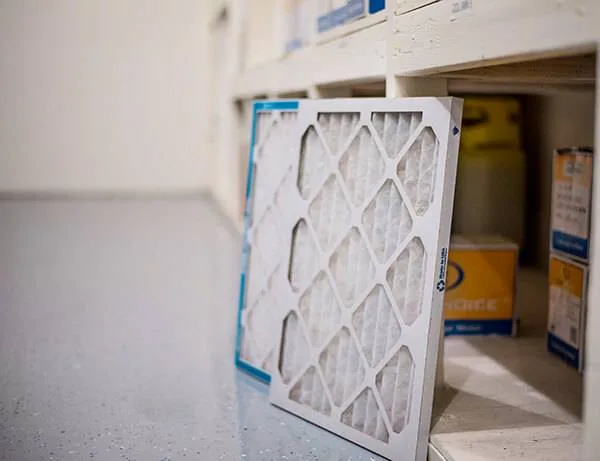
A very dirty filter restricts airflow and can cause the system to overheat or lose capacity. See our air filter guide for choosing the right MERV rating and replacement schedule. Replacing a visibly clogged filter with the correct size and proper orientation often restores airflow quickly. That can improve comfort until a technician arrives.
Choose a filter with an appropriate MERV rating for your system. Very high MERV filters can restrict airflow on some units. Follow manufacturer guidance to avoid straining the fan or motor.
Is a tripped condensate switch causing shutdown?
A clogged drain or condensate overflow can trip a float or safety switch and shut the system down. If safe to access, clear visible debris from the drain pan and remove blockages with a wet/dry vacuum or a safe siphon method. This may reset the float switch and allow restart.
If the float remains active after clearing, do not force the system to run. Call a technician to clean or replace the drain, correct trapped lines, and address underlying airflow problems that create excess condensate.
What SLA and response times should I require?
Service-level agreements (SLAs) define expected response times, fees, and escalation steps for emergency HVAC work. For homes with life-safety risk from gas or CO, ask for a written response window such as two hours. Commercial sites with critical loads may require faster windows, like one hour or guaranteed on-site triage.
A strong SLA should state arrival windows, after-hours fees, mobilization caps, and what temporary measures the contractor will provide. Written SLAs reduce disputes and help both parties set priorities during weather events or system-wide outages.
What are typical after-hours premiums?
Emergency work outside normal hours usually costs more. Common multipliers range from 1.5x to 2.5x the base rate, plus a mobilization fee to cover travel and initial diagnostics. Ask for written rates and any caps before authorizing emergency work when time allows.
Some contractors offer service plans with fixed emergency call allowances or reduced after-hours rates for retained clients. Compare terms across vendors so you understand likely out-of-pocket costs during an emergency.
How to compare emergency SLAs?
Compare guaranteed arrival times, priority dispatch rules, and escalation contacts. Look for SLAs that include temporary equipment support and parts procurement timelines. Confirm whether rental or temporary units are included and who bears setup costs.
Read exclusions carefully. Weather, utility failures, labor shortages, and force majeure events often limit obligations. Make sure the SLA explains how the contractor will prioritize multiple emergency calls during wide-scale outages.
When should I call a qualified technician?
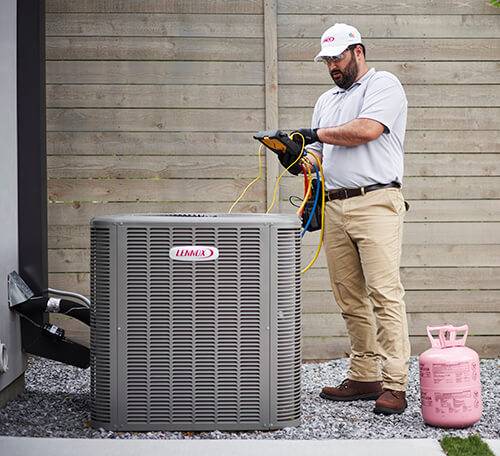
Call licensed technicians for gas smells, CO alarms, refrigerant leaks, visible smoke, electrical faults, or repeated system shutdowns. Whether you need AC repair, furnace repair, or heating services, these problems need trained hands, calibrated tools, and documented procedures. Certified technicians provide repair documentation that helps with warranty and insurance claims.
Do not attempt repairs on gas piping, sealed refrigeration systems, or complex control wiring yourself. A licensed tech will document the cause, list repairs, and suggest any needed replacements or temporary measures.
Who should I hire for emergency HVAC repair?
Hire technicians with the right certifications for the work. EPA Section 608 certification is required for refrigerant handling. NATE (North American Technician Excellence) certification indicates system competence and troubleshooting skill. For gas work, confirm local gas fitter or plumbing licenses.
Also verify proof of insurance and worker licensing. Ask contractors for references and examples of past emergency response. A good contractor will provide credentials and written SLA terms without pressure.
Do certifications like EPA 608 and NATE matter?
Yes. EPA Section 608 is a legal requirement for anyone who handles refrigerants. NATE certification shows a technician has passed industry-standard tests on system operation and troubleshooting. These credentials are reliable indicators of training and procedural knowledge.
Certified technicians generally diagnose faster, follow proper recovery and disposal rules, and document repairs correctly. That reduces environmental risk and supports warranty and insurance claims.
What documentation should I request from the technician?
Request a written failure analysis that states the probable cause and sequence of failure. Get itemized invoices, parts lists, and work reports. Ask for copies of any safety tests, pressure checks, or calibration results performed during the visit.
This documentation helps insurance adjusters and warranty administrators understand what happened and supports timely settlement of claims.
Emergency HVAC Service Decision Checklist
- ✓ Is this a true emergency (gas smell, CO alarm, smoke, no heat/cooling with vulnerable occupants)?
- ✓ Have you done safe DIY checks (thermostat, breaker, filter)?
- ✓ Is the system older than 10-12 years (consider replacement)?
- ✓ Does repair cost approach 50% of replacement cost?
- ✓ Have you asked for written estimate before work begins?
- ✓ Is the contractor licensed, insured, and certified?
- ✓ Have you compared multiple quotes (if time allows)?
Prevention Tips for Las Vegas Homeowners
Preventive maintenance reduces emergency calls and costs, especially in Las Vegas climate extremes:
- Annual tune-ups: Schedule spring AC maintenance and fall heating maintenance
- Filter changes: Replace filters every 1-3 months, especially during dust storms
- Coil cleaning: Clean indoor and outdoor coils annually
- Drain line maintenance: Clear drain lines quarterly
- Carbon monoxide detectors: Test and replace batteries annually
- Monitor energy bills: Track costs to spot efficiency declines
- Outdoor unit care: Keep condenser clear of debris and plants
- Listen for unusual sounds: Grinding, squealing, or rattling indicate problems
Final action steps and emergency contacts
Following the proper process ensures optimal results and prevents common mistakes. Start by gathering the necessary information and understanding your specific needs. Consult with qualified professionals who can assess your situation and recommend the best approach. Document important details throughout the process for future reference. Taking these steps systematically leads to better outcomes and helps you avoid potential complications.
This section groups triage, commercial priorities, documentation steps, and local emergency contact details. Use the checklist below to act quickly and safely. Keep clear records and photos throughout the event. After immediate safety is ensured, call the right responders and your chosen HVAC contractor.
How to triage commercial HVAC emergencies?
Triage in commercial sites must balance safety, revenue, and compliance. Prioritize life-safety systems such as lab ventilation, fume hoods, and egress airflow. Next, protect temperature-sensitive inventory like food, pharmaceuticals, and server rooms. Rank spaces by criticality before an event so dispatch decisions are faster when multiple failures occur.
Create a site-specific plan listing critical zones, single points of failure, and preferred vendors for temporary equipment. Having this plan speeds decisions and reduces downtime for revenue-sensitive operations.
Which failures risk inventory or operations most?
Loss of refrigeration, server-room cooling, and clean-room environments cause the most immediate financial and compliance risk. Food and pharmaceutical sites can face same-day spoilage or regulatory action. Identify the electrical and ducting needs for temporary units ahead of time to reduce setup time during an emergency.
Work with vendors who can supply and install skids, ducting, and power adapters quickly and who understand permit and code implications.
Can temporary equipment prevent revenue loss?
Yes. Temporary chillers, heaters, and modular HVAC can protect stock and keep critical processes running. For residential systems, see our emergency AC repair cost guide to understand typical pricing. Compare rental costs against potential losses from spoiled inventory or stalled production. Consider lead time, electrical needs, and safe ducting paths when choosing rentals.
Select vendors who handle permits, safe shutdowns, and provide documentation showing the temporary solution’s capacity and limitations. That documentation matters for insurance and regulatory reporting.
How should I document incidents for insurance claims?
Thorough documentation speeds insurance and warranty claims. Photograph equipment, visible damage, model and serial numbers, and any alarm displays. Record times, temperatures, and steps you took before professional arrival. Save technician reports and invoices in both digital and physical form.
Good records show the timeline and the reasonable steps you took to limit damage. Keep copies of texts, emails, and alarm logs. Request a written cause-and-effect report from the technician to support claims.
Call The Cooling Company for Las Vegas Emergency HVAC Service
If you need immediate help in the Las Vegas area, call The Cooling Company for emergency HVAC services at (702) 567-0707. They provide 24/7 EPA- and NATE-qualified emergency response with written arrival windows. Service covers Las Vegas, Henderson, and North Las Vegas. Have photos or error codes ready to speed diagnosis.
We offer:
- 24/7 emergency response with fast dispatch
- Licensed, EPA-certified, and NATE-certified technicians
- Clear, upfront pricing with written estimates
- Parts-on-truck for common failures
- Priority scheduling for life-safety emergencies
If you are outside that area, require EPA Section 608 and NATE certification, proof of insurance, and a written emergency SLA before authorizing work. Prioritize contractors that document arrival windows and fee structures.
Related services: AC Repair | Heating Services | Furnace Repair | Heat Pump Installation | Heating Maintenance
Final action checklist
- Evacuate immediately for strong gas odors or carbon monoxide alarms and call emergency services.
- Turn off power for burning smells; do not attempt complex shutoffs unless trained.
- Use safe short-term measures: open cabinet doors, run trickle taps, apply pipe insulation, or deploy approved temporary HVAC only when safe and reversible.
- If local to Las Vegas, Henderson, or North Las Vegas, call The Cooling Company at (702) 567-0707 for 24/7 EPA- and NATE-qualified emergency response.
- Outside the area, hire EPA Section 608 and NATE-certified technicians and require a documented emergency SLA before authorizing work.
Sources and compliance notes
Reliable sources and clear compliance rules matter for safety and insurance. Follow these authoritative resources and reminders after an HVAC incident. Do not attempt gas, refrigerant, or high-voltage work yourself. Preserve technician reports, invoices, and photographs for insurance and warranty claims.
- See detailed heat pump and HVAC safety guidance from the U.S. Department of Energy: Energy gov Heat Pump Tips.
- For indoor air quality topics, consult EPA guidance: EPA Indoor Air Quality.
- For technical resources and error-code references, consult ASHRAE guidance: ASHRAE technical resources.
- DOE Better Buildings material on HVAC: DOE Better Buildings – HVAC.
This guide does not replace professional diagnosis. When in doubt, evacuate and call emergency responders or a licensed HVAC technician.
About our sources
This material aims to summarize safe, reversible steps and best practices for emergency HVAC events. It is derived from government and industry guidance listed above. Preserve technician reports and photographs for claims. Always defer to trained professionals and follow local codes.
This page is informational. It is not a substitute for emergency responders, the gas utility, or licensed HVAC technicians.
Need HVAC service help in Las Vegas?
If you're facing an HVAC emergency in Las Vegas, Henderson, or North Las Vegas, The Cooling Company offers fast, reliable service from licensed technicians. We understand that heating and cooling emergencies don't wait for business hours.
Call us now at (702) 567-0707 for emergency service. Our team is ready to help restore your comfort quickly and safely.
We prioritize life-safety events and provide emergency dispatch across Las Vegas, Henderson, and North Las Vegas. For common repair and installation requests, see our AC Repair Las Vegas page.
About The Cooling Company
The Cooling Company has been serving the Las Vegas valley with professional HVAC services for over a decade. Our team of licensed, NATE-certified technicians specializes in air conditioning repair, heating system maintenance, and complete HVAC installations. We're committed to providing honest, reliable service with upfront pricing and a 100% satisfaction guarantee on all work performed.
- Phone: (702) 567-0707
- Reviews: 4.8/5 stars (780+ reviews) - See reviews
Service Areas
We proudly serve homeowners and businesses throughout the Las Vegas metropolitan area, including Las Vegas, Henderson, and North Las Vegas. Our service technicians are available for same-day appointments in most areas, with emergency service available 24/7 for urgent HVAC issues.
Need HVAC Service in Las Vegas?
The Cooling Company provides expert heating and cooling service throughout Las Vegas, Henderson, and North Las Vegas. Our licensed technicians deliver honest assessments, upfront pricing, and reliable results.
Call (702) 567-0707 or visit heating, furnace repair, AC repair, heat pump installation, or heating maintenance for details.
Share This Page
References
- U.S. Department of Energy (Energy.gov) (accessed 2026-01-03)
- U.S. Environmental Protection Agency (EPA) (accessed 2026-01-03)
- ASHRAE (Standards and guidance) (accessed 2026-01-03)
- ENERGY STAR (Heating & cooling) (accessed 2026-01-03)