

When HVAC systems fail, fast action protects people, property, and business continuity. Emergency HVAC teams offer 24/7 dispatch, rapid diagnosis, safe temporary mitigation, and prioritized repair or replacement. Knowing when to call, what to tell dispatchers, and how to act before technicians arrive improves outcomes and can cut downtime and damage. This guide collects practical steps, triage rules, cost.
Short answer: Emergency HVAC services provide 24/7 rapid response when systems threaten life, safety, or critical operations. In Las Vegas, where summer temperatures exceed 110°F and AC systems run nearly year-round, complete cooling loss becomes dangerous quickly. Expect 1-4 hour response windows for critical calls, after-hours premiums of 1.5x-3x normal rates, and diagnostic fees of $500-$3,000. Las Vegas homeowners should prioritize contractors with EPA-certified technicians, stocked parts inventory, and documented SLAs. Regular maintenance, smart controls, and proactive replacement reduce emergency risk and costs.
See why homeowners trust us — view our industry awards and certifications.
Key Takeaways
- Recognize true emergencies by risk to life, property, or critical operations.
- Expect faster service but higher after-hours costs and trip fees.
- Keep pre-authorized spend limits, access info, and a clear contact list.
- Ask about SLA windows, parts inventory targets, and certified refrigerant handling.
How do I know it's an HVAC emergency?
HVAC problems are emergencies when they threaten life, safety, or essential business processes. Examples include a full loss of heat during freezing weather, complete cooling loss in extreme heat, visible smoke, or strong gas odors. If equipment shows fire, sparks, or heavy smoke, treat the issue as an emergency. If you are unsure, call an emergency line and describe the situation. Dispatchers can help decide whether the condition needs immediate response.
Consider building occupants and use. Babies, older adults, people with medical conditions, or temperature-sensitive products make otherwise minor faults urgent. Tell dispatch who is at risk and why. If a system failure could damage inventory, interrupt critical services, or create regulatory exposure, elevate the call. Accurate, concise information helps the dispatcher send the right crew, tools, and parts the first time.
What immediate dangers should I watch for?
Watch for gas smells, visible flames, heavy smoke, or burning electrical odors from equipment. These are signs of immediate fire or explosion risk and require evacuation and 911. Do not try to diagnose or repair in those scenarios. Move people away from the hazard and call emergency services first. Contact an emergency HVAC team afterward so technicians can assess and secure the site safely.
Also watch for health symptoms in occupants. Dizziness, headaches, nausea, or fainting may indicate carbon monoxide or refrigerant exposure. Carbon monoxide is odorless, so treat any related symptoms seriously. Move affected people to fresh air and seek medical help if symptoms persist while waiting for technicians.
Is loss of all cooling an emergency?
Loss of cooling is an emergency when extreme heat places people or goods at risk. Homes with infants, elderly adults, or medically fragile people need immediate solutions. In commercial settings, a loss of cooling can spoil perishable inventory or stop critical production processes. If outdoor temperatures are moderate and no one is vulnerable, classify the outage as urgent but not life-saving.
Always tell dispatch about building use, the number of occupants, and any heat-sensitive processes. That information lets the contractor prioritize the call and choose the right temporary mitigation, such as portable cooling units or spot coolers.
Is no heat in freezing weather an emergency?
No heat in freezing weather is an emergency because pipes can freeze and burst, and occupants can develop hypothermia. Even short outages can let interior plumbing freeze inside walls. Call an emergency HVAC team quickly and consider safe temporary heat or relocation for people at risk. If water pipes may freeze, open faucets to a slow drip to help reduce freeze risk until heat is restored.
Technicians can provide temporary heat sources and plan safe repairs or replacements on site. They will advise on steps to reduce pipe-freeze damage and recommend insulation or reroutes to reduce repeat events.
Could strange smells mean a carbon monoxide risk?
Strange smells from heating equipment can indicate serious problems. Carbon monoxide itself has no smell, but fuel smells, exhaust odors, or any unusual appliance odors require caution. A rotten-egg smell typically signals a natural gas leak when gas has been mercaptanized, and that needs immediate evacuation and 911.
Trained technicians use calibrated CO detectors and combustion analyzers to inspect heat exchangers and venting. If CO is confirmed, crews will disable the appliance, ventilate the area, and advise on safe next steps. Do not use the equipment until a qualified technician signs it safe.
What counts as a refrigerant leak emergency?
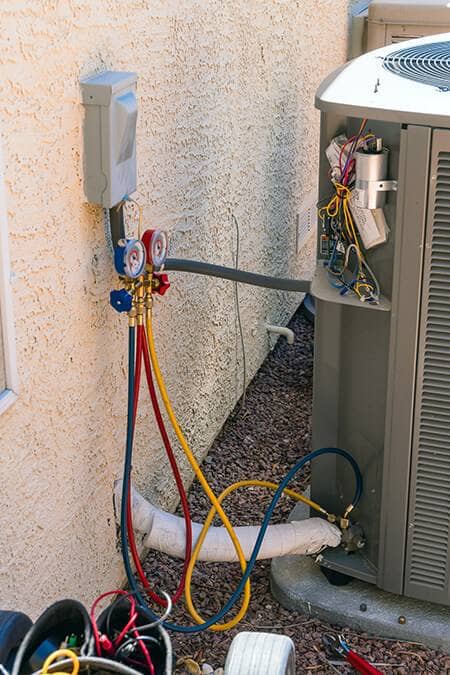
Refrigerant leaks are emergencies when they cause breathing problems or when a large system loses pressure quickly. Some refrigerants can displace oxygen in confined spaces and lead to dizziness or fainting. Signs include audible hissing, oily stains, frost on piping, or sudden loss of cooling.
Technicians handle refrigerants under EPA rules. They isolate the system, recover refrigerant, and repair piping or components. Large commercial leaks may also trigger regulatory reporting. Document what you observe and report it to the crew so they can manage the leak correctly and comply with reporting requirements.
When does frozen pipe risk need urgent HVAC help?
Frozen pipes need urgent attention when you see bulging pipes, seepage, or clear bursts. Hidden freezing inside walls or ceilings is dangerous because thawing can release large volumes of water and cause major water damage. Respond quickly to limit structural harm and mold risk.
Avoid open flames or improvised heating methods that risk fire. A contractor can restore safe heat and recommend proper thawing techniques. They may also suggest insulation, heat tracing, or rerouting to prevent future freezing in vulnerable areas.
Can overflowing condensate cause mold or damage?
Yes. Overflowing condensate from clogged drains or damaged pans soaks building materials and insulation. Moisture allows mold to grow within 24 to 48 hours in warm conditions. Standing water also damages finishes, drywall, and structural materials.
Technicians clear drains, replace damaged pans, and install secondary drains or float switches. They will inspect surrounding materials for moisture and advise on drying and remediation steps. Timely mitigation reduces repair scope and health risks from mold.
Should I shut the system off before help arrives?
Shut the system off when you smell gas, see sparks, or detect smoke. Turning off power or gas reduces the risk of fire or explosion. If shutoff valves or breakers are within reach and you know how to operate them safely, turn them off and tell dispatch exactly what you did. Clear notes help technicians start diagnostics faster.
Do not power down for minor issues unless a dispatcher advises it. Turning systems off can erase diagnostic codes and obscure evidence of the failure. If you do perform actions, log the time and steps taken. That documentation helps technicians understand the timeline and root cause when they arrive.
What information should I give the dispatcher?
Give clear facts: exact address, contact name and phone number, building occupancy, and a short list of symptoms. Report smells, visible water, anyone affected, and whether life-safety systems depend on HVAC. State service agreements, pre-authorized spend limits, and any access details like gate codes or lockboxes.
Answer questions briefly and truthfully. Short, clear answers speed proper triage and ensure technicians arrive with the right tools and parts. If possible, have someone on site meet the crew and provide access to mechanical rooms for faster intervention.
What to expect from 24/7 emergency HVAC?
Emergency HVAC teams provide rapid dispatch, on-site diagnosis, and safe temporary mitigation to protect people and assets. Crews carry common parts, portable heaters, spot coolers, and tools for quick repairs. They document work for insurance and safety compliance and explain options before major work begins.
A responsible contractor gives a written estimate or scope before performing significant repairs. Expect a timeline for permanent fixes and a list of follow-up tasks. Written reports and safety sign-offs are standard for life-safety items. Keep these documents for warranty and insurance purposes.
How fast is typical emergency response time?
Response times depend on contract SLAs and local crew availability. In metro areas, critical calls often get a one- to two-hour arrival window. High-priority comfort calls in severe weather typically get two- to four-hour windows. Non-urgent issues may be scheduled for the next business day.
Factors such as peak demand, crew location, and weather affect arrival times. Ask dispatch for realistic windows and whether a local crew is nearby. Written SLAs clarify expectations and reduce uncertainty during an emergency.
Will a tech perform temporary mitigation?
Yes. Technicians often use temporary measures to restore basic safety and comfort quickly. Common steps include portable heaters, spot coolers, temporary fans, condensate pumps, and sealed containment for refrigerant issues. These measures protect occupants and goods while planning permanent repairs.
Contractors choose temporary fixes that meet code and safety standards. They document the mitigation and recommend a timeline for permanent repairs. Use temporary fixes to buy time, but plan for a permanent solution to avoid repeatcalls and long-term costs.
Do emergency repairs cost more after hours?
After-hours work carries higher rates because technicians earn premiums for nights and weekends. Expect urgent trip or dispatch fees plus higher hourly labor. Small residential emergency calls often range from $500 to $1,500 for first-dispatch fees. Commercial diagnostics and first-dispatch fees commonly run $800 to $3,000.
Major commercial repairs or full replacements can reach five figures. Ask for itemized pricing and financing options when large repairs are needed. If you have a service plan, review its emergency coverage to reduce surprise costs.
Can a temporary fix prevent a full replacement?
Sometimes a temporary fix is enough to keep a unit running through a critical period. Replacing a failed part can restore function while parts for a full replacement are ordered. Temporary repairs reduce immediate downtime but may be less reliable long term.
If a system is old or shows multiple failures, replacement may be more cost-effective than repeated temporary repairs. Ask the technician for a repair-versus-replace cost comparison, including downtime and warranty considerations.
What warranties cover emergency repairs?
Warranties differ by manufacturer and contractor. Manufacturer warranties may cover parts but often exclude after-hours labor. Contractors commonly offer workmanship warranties that range from 30 to 365 days. Emergency parts may have separate vendor warranties.
Get warranty terms in writing when possible. Confirm whether post-emergency follow-up visits during normal hours are included. Written terms protect you and clarify responsibilities for return visits or additional repairs.
How are emergency HVAC calls triaged?
Dispatchers triage calls by risk and impact. They ask targeted questions to classify jobs as critical, high, or normal priority. Critical calls involve life-safety systems or imminent property damage. High-priority jobs affect comfort or business operations severely. Triage determines the response window, crew size, and parts to bring.
Provide honest, concise answers about occupancy, vulnerable people, and critical processes. That helps dispatchers send the right team and can reduce arrival time. Proper triage also reduces return trips and speeds a safe, permanent fix.
How do dispatchers prioritize residential vs commercial?
Dispatchers weigh scale, impact, and safety. Commercial sites with perishable goods or process-critical loads often get higher priority. Residential calls with at-risk occupants also receive urgent status when lives are at stake. Geographic proximity and crew availability also influence prioritization.
If a contractor maintains a local on-call crew, response can be very fast. Share critical details about the site and the nature of the failure to ensure correct prioritization and quicker arrival.
What questions will a dispatcher ask?
Dispatchers will ask for your exact location, a contact number, and a brief symptom list. They will also ask if you smell gas, see water, or notice smoke. Expect questions about building access, keys, or gate codes and whether you have a service agreement.
Answer briefly and factually. Short, clear answers speed the right response and reduce the chance technicians arrive without needed tools or parts. If you have any photos or device error codes, have them ready to share.
When is remote troubleshooting possible?
Remote troubleshooting is possible when systems have smart controls, connected thermostats, or remote monitoring. Dispatchers can walk you through simple checks like power, thermostat settings, or visible breakers. They may also read error codes remotely if the system reports them.
Remote fixes save time for small issues but cannot replace on-site repairs for hardware failures. Remote triage depends on safe and authorized access to controls and clear communication between the person on site and the dispatcher.
Can techs provide temporary cooling or heating?
Yes. Technicians often bring portable cooling units, spot coolers, and industrial fans. They may install temporary ducting or rent portable split systems for longer-duration needs. These measures protect occupants and goods while permanent work is planned.
Temporary equipment installations include safety checks, secure mounting, and attention to ventilation. Contractors explain the limits of temporary solutions and recommend timelines for permanent repairs or replacements.
Will they recommend emergency replacement onsite?
Technicians recommend emergency replacement when repairs are unsafe or uneconomical. Catastrophic failures, such as cracked heat exchangers or major compressor damage, often call for replacement. The tech will explain options and list lead times for parts and equipment.
Request written estimates and parts availability before approving large replacements. Pre-authorized spend limits speed approvals and avoid delays when immediate action is needed.
How are safety risks escalated?
Technicians escalate safety risks immediately to supervisors and emergency services when needed. Crews evacuate areas for gas leaks, fire hazards, or toxic vapors and use lockout/tagout procedures. They document findings with photos and timestamps during escalation.
Escalation also includes notifying building managers and temporarily shutting down affected systems. Contractors follow OSHA and NFPA guidance to protect people and property during these steps.
What SLA should I expect for response?
SLA tiers vary by contractor. Critical life-safety SLAs commonly promise a one- to two-hour response. High-priority SLAs often give two- to four-hour windows. Normal service levels typically mean next-business-day arrival.
Ask about guaranteed arrival windows, escalation paths, and any penalties for missed response times. Review recent performance metrics for the contractor in your region, since performance can vary by season and geography.
Do insurers accept emergency repair reports?
Insurers usually accept well-documented emergency reports as proof of mitigation. Include photos, timestamps, diagnostics, and a detailed list of actions taken. Clear records help support claims and reduce disputes.
Call your insurer early to confirm preferred documentation formats. Keep copies of invoices, safety sign-offs, and photos to streamline claims and subrogation processes.
How is work documented for liability?
Technicians provide written work orders with diagnostic notes, parts used, and signatures. Key items include observed symptoms, steps taken, and safety checks performed. Photos and timestamps add clarity for liability records.
Complete documentation protects owners and contractors. These records also support warranty claims and help plan preventive maintenance to avoid repeat issues.
How much do emergency HVAC services cost?
Emergency HVAC costs vary by system size, time of day, and parts needed. Residential first-dispatch fees commonly range from $500 to $1,500. Commercial diagnostic visits often run $800 to $3,000. Major repairs and replacements scale higher and can reach five figures depending on equipment and complexity.
After-hours labor has a premium, and expensive components such as compressors or control boards add cost. Ask for an itemized estimate and any financing or phased repair options to manage larger bills. Keep copies of estimates for comparison and insurance claims.
For a detailed cost breakdown, see our HVAC guide.
What are typical after-hours labor premiums?
After-hours premiums typically range from 1.5x to 3x normal labor rates. Night, weekend, and holiday work all carry higher fees. Urgent travel or dispatch fees add to emergency totals. Some service plans cap after-hours costs or waive trip charges.
Review your agreement to avoid surprise fees. Consider pre-authorized spend limits to speed approvals and reduce downtime when immediate repairs are necessary.
How much can commercial downtime cost per hour?
Downtime costs vary greatly by industry. Retail and restaurants may lose thousands per hour during peak periods. Critical operations like data centers, labs, or manufacturing lines can lose tens of thousands per hour or more.
Knowing your per-hour cost of downtime helps set priorities for emergency response and spare-part strategies. Many businesses invest in quick-replacement contracts or maintain spare parts to reduce mean time to repair.
Are temporary fixes cheaper than replacements?
Temporary fixes cost less up front and restore function quickly. They reduce immediate risk and allow time to plan a full replacement. Over time, repeated temporary repairs can cost more than a single replacement.
Weigh repair frequency, system age, and future reliability. Ask a technician for lifecycle cost estimates to decide the best long-term path.
How should I budget for emergency HVAC risk?
Budget for an emergency reserve, spare-parts fund, and service plan premiums. For critical assets, keep spare parts on site or with a local supplier. A common rule is to hold spares valued at roughly 2% to 5% of installed equipment value for key systems.
Service plans and priority dispatch often pay off by reducing downtime and after-hours rates. Review past failures to set a realistic annual reserve for unexpected work.
How can I prevent future HVAC emergencies?
Preventing emergencies combines routine maintenance, monitoring, and planning. In Las Vegas, where extreme heat and dust accelerate wear, schedule seasonal inspections before peak cooling season (late spring) and heating season (fall). Install sensors for vibration, amperage, refrigerant pressure, or temperature on critical machines to spot trends early. Maintain a spares policy and budget to keep often-used parts available locally.
Las Vegas homeowners should prioritize filter changes every 1-2 months during peak season, coil cleaning before summer, and annual refrigerant charge checks. Desert dust storms can clog filters and coils faster than moderate climates, requiring more frequent maintenance. Consider investing in on-site spares for high-cost downtime systems to reduce mean time to repair. Regular maintenance records help technicians spot recurring issues and support better budgeting for replacements when needed.
Las Vegas Emergency Prevention Checklist
- Pre-summer (March-April): Schedule AC tune-up, clean outdoor coils, check refrigerant charge, test capacitors and contactors, verify condensate drain flow
- Monthly during peak season: Change filters, clear debris around outdoor unit, check for unusual noises or odors, monitor energy bills for spikes
- Pre-winter (October-November): Test heating system, check gas connections, verify CO detectors, inspect ductwork for leaks
- Year-round: Keep 2-3 feet clearance around outdoor units, maintain proper thermostat settings, document all service visits, enroll in maintenance plan for priority scheduling
What maintenance tasks reduce emergency risk?
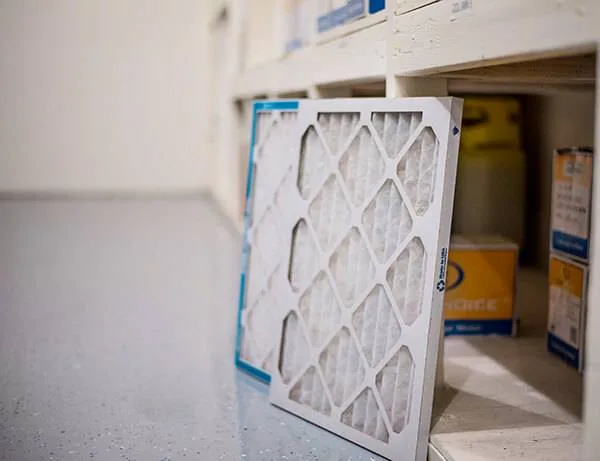
Key maintenance tasks include filter changes, coil cleaning, condensate drain clearing, and lubrication of moving parts. Technicians also check belts, electrical connections, and refrigerant charge. These tasks cut strain on components and prevent common HVAC failures during peak loads.
Seasonal tune-ups should include combustion safety checks for heating systems and compressor checks for cooling systems. Document each visit to build a maintenance history for insurers and contractors.
When should I schedule seasonal inspections?
Schedule heating inspections in early fall (September-October) and cooling checks in late spring (March-April), before heavy demand seasons. In Las Vegas, where cooling season extends 10-11 months, schedule AC maintenance before May when temperatures begin climbing. Doing so helps catch worn parts and performance issues ahead of peak loads. Commercial sites may need quarterly or monthly inspections depending on usage and equipment age.
Book inspections well ahead of seasonal peaks. Las Vegas contractors see high demand during heat waves, so early scheduling ensures availability and avoids emergency premiums. This gives technicians time to order parts and recommend upgrades before stress events occur.
Can a service plan include 24/7 priority?
Yes. Many plans include 24/7 priority dispatch, reduced after-hours fees, and maintenance credits. Plans vary on included parts and response windows. Choose a plan that matches your risk profile and critical systems.
Compare service contracts for SLA guarantees, exclusions, and documented performance. Ensure a clear escalation path for life-safety systems.
How do smart controls help early detection?
Smart thermostats and building controls send alerts for sudden temperature swings, long run times, and power loss. They can detect short-cycling and abnormal runtimes that precede failures. Data from these devices helps technicians diagnose issues before a full call-out.
Use smart devices as part of a larger monitoring plan. They are helpful but do not replace routine physical inspections by trained technicians.
What upgrades reduce repeat failures?
Upgrades to variable-speed motors, modern controls, and matched components reduce cycling and mechanical stress. Replacing aging compressors or worn control boards cuts repeat calls and improves reliability. Proper system sizing and matched components lengthen equipment life.
Technicians can recommend parts with longer service lives and advise on OEM or approved equivalents to boost reliability and reduce emergency risk.
Should I upgrade old single-stage systems?
Upgrading single-stage units to two-stage or variable-speed systems improves comfort and reduces cycling stress. Modern systems handle load swings better and often use less energy. Energy savings can help offset upgrade costs over time. See our repair vs. replace guide for help deciding.
If failures are frequent and repairs are costly, replacement is often the better value. Consider lifecycle costs and downtime risk when deciding on upgrades.
Can better ductwork prevent system strain?
Leaky or undersized ducts force equipment to work harder and increase failure risk. Proper sealing, insulation, and balanced returns improve airflow and lower strain on compressors and fans. Duct repairs often improve comfort and efficiency.
Include a duct assessment in preventive maintenance to find leaks, blockages, or poor layouts that cause uneven performance and premature failures.
How do I document maintenance for insurers?
Keep dated service reports, signed inspection checklists, and photos of major repairs. Store invoices and mitigation records in an easily accessible digital folder. Good documentation helps claims and shows proactive care.
Supply insurers with clear records after any emergency to support coverage for mitigation and repairs. Consistent logs also aid warranty claims and help contractors plan preventive steps.
What basic training should occupants get?
Train occupants to spot emergency signs like gas smells, standing water, or sudden health symptoms. Teach safe actions such as evacuating and calling emergency services for gas or fire. Show how to locate labeled shutoffs when occupants are trained to use them.
Short drills and clear labels reduce panic during real events. Well-briefed occupants act calmly and improve response time, which improves outcomes during emergencies.
Are surge protectors worth the cost?
Whole-building surge protection helps prevent damage from power spikes. It protects control boards, sensors, and expensive compressors. Surge protectors are a modest investment compared to major control replacements.
Install surge protection where power quality is poor or where equipment is critical. Combine surge protection with regular electrical maintenance for best results.
What parts commonly fail in emergencies?
Common failure points include compressors, capacitors, contactors, fan motors, and condensate pumps. Electrical problems like shorted capacitors often cause sudden shutdowns. Refrigerant leaks and clogged drains are frequent causes of service calls.
Track failure trends and keep spare parts for items that fail most often. This reduces repair time and lowers emergency costs.
When is proactive replacement justified?
Proactive replacement is justified when repair frequency rises, parts become obsolete, or repair cost approaches replacement cost. For critical equipment, proactive swaps often avoid costly downtime and emergency premiums.
Work with your technician to run lifecycle cost estimates and prioritize replacements across your portfolio. Staggered replacements smooth capital spending and improve reliability.
Ready for 24/7 emergency HVAC help?
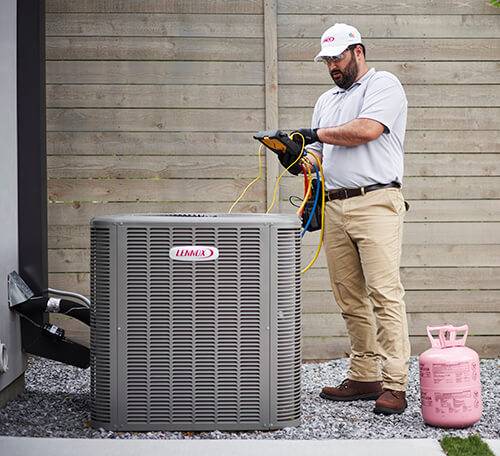
If you face an HVAC emergency in Las Vegas, Henderson, or North Las Vegas, call The Cooling Company at (702) 567-0707 for immediate dispatch and support. Our crews provide fast diagnostics, temporary mitigation, and EPA-compliant refrigerant handling to protect people and property. We understand Las Vegas heat challenges and stock common parts to enable same-day repairs for many failures. Our NATE-certified technicians serve the entire Las Vegas Valley with documented response times and clear pricing.
Keep your site contact details, gate codes, and any service agreements handy when you call. Note life-safety risks and any heat-sensitive loads. Pre-authorized spend limits speed work and reduce delays when immediate action is needed. For Las Vegas area residents, our maintenance plan members receive priority dispatch and reduced after-hours rates.
Decision Checklist: When to Call Emergency HVAC
- Immediate call (911 + HVAC): Gas odor, visible smoke/flames, CO alarm sounding, electrical burning smells
- Emergency HVAC (within 1-2 hours): Complete cooling loss in 100°F+ heat with vulnerable occupants, no heat in freezing weather, refrigerant leak with health symptoms, water flooding from HVAC equipment
- Urgent but not emergency (same-day): Partial cooling loss, unusual noises, rising energy bills, intermittent operation
- Schedule next available: Reduced efficiency, minor leaks, routine maintenance needs
How to request emergency dispatch now?
If you are in Las Vegas, Henderson, or North Las Vegas, call The Cooling Company at (702) 567-0707 and give your address, a contact number, and a short list of symptoms. Mention any life-safety risks and whether you have a service agreement. This helps the dispatcher assign priority and stage parts before arrival.
If you are outside our area, tell potential contractors you need NATE-certified technicians and EPA 608 verification for refrigerant handling. Ask for a written SLA that covers response windows and after-hours rates. These checks improve safety and help you compare bids objectively.
Call to action
Las Vegas area readers: For immediate emergency HVAC help in Las Vegas, Henderson, or North Las Vegas call The Cooling Company now at (702) 567-0707. Tell us the location, symptoms, and whether people are at risk. Ask for 24/7 priority dispatch, temporary mitigation, and a written estimate on site.
Out-of-area readers: When hiring emergency HVAC, ask for NATE-certified technicians, EPA 608 refrigerant handling, spare-part policies, and clear SLAs. If you later need service in the Las Vegas area, contact The Cooling Company at (702) 567-0707 for trusted emergency HVAC support.
Related Guides
These related guides cover specific emergency scenarios, troubleshooting, and maintenance strategies to help you stay prepared.
- Emergency AC Repair: Get Same Day Service
- Emergency AC Repair Las Vegas: Save Money with Expert Tips
- 24 Hour HVAC Repair: Fast Emergency Service Las Vegas
- AC Odors: How to Identify and Fix Strange Smells
- HVAC Maintenance: Save up to 30% on Energy
- Ruud Furnace Problems: 11 Checks Before Calling a Pro
Sources: ASHRAE Technical Resources
About The Cooling Company
The Cooling Company has been serving the Las Vegas valley with professional HVAC services for over a decade. Our team of licensed, NATE-certified technicians specializes in air conditioning repair, heating system maintenance, and complete HVAC installations. We're committed to providing honest, reliable service with upfront pricing and a 100% satisfaction guarantee on all work performed.
- Phone: (702) 567-0707
- Reviews: 4.8/5 stars (780+ reviews) - See reviews
Service Areas
We proudly serve homeowners and businesses throughout the Las Vegas metropolitan area, including Las Vegas, Henderson, and North Las Vegas. Our service technicians are available for same-day appointments in most areas, with emergency service available 24/7 for urgent HVAC issues.
Share This Page
References
- U.S. Department of Energy (Energy.gov) (accessed 2026-01-03)
- U.S. Environmental Protection Agency (EPA) (accessed 2026-01-03)
- ASHRAE (Standards and guidance) (accessed 2026-01-03)
- ENERGY STAR (Heating & cooling) (accessed 2026-01-03)
Need Emergency HVAC Service in Las Vegas?
The Cooling Company provides 24/7 emergency HVAC service throughout Las Vegas, Henderson, and North Las Vegas. Our licensed technicians deliver fast response, honest assessments, and reliable results.
Call (702) 567-0707 or visit AC repair, heating repair, HVAC services, or maintenance plans for details.