

Short answer: Energy-efficient home upgrades reduce bills by 15-30% through air sealing, insulation, duct sealing, and right-sized HVAC systems. In Las Vegas, where AC systems run 10-11 months per year and summer temperatures exceed 110°F, envelope improvements deliver faster payback. Start with blower door and duct leakage tests, then prioritize attic insulation, air sealing, and duct sealing before equipment upgrades. Las Vegas homeowners can save $100-300+ monthly with comprehensive upgrades. Federal tax credits and utility rebates can offset 30-50% of costs. Regular maintenance and smart controls maximize savings.
Key Takeaways
- Start with air sealing, attic insulation, and duct sealing for fastest savings.
- Run a blower-door and duct tests, then do Manual J/S before replacing HVAC.
- Consider a heat pump, smart thermostat, and balanced ventilation to cut energy use.
- Use incentives and hire certified pros for safety, permits, and accurate sizing.
Start with a home energy audit and blower-door test to find leaks. Seal air leaks, add attic insulation, and fix duct leaks first. Right-size or replace HVAC using Manual J/S. Consider a heat pump and smart controls. Use local incentives and hire certified pros for safety and proper performance. (ASHRAE Technical Resources)

Why upgrade your home now?
Upgrading your home lowers energy bills and improves comfort right away. Many homes waste a lot of conditioned air through leaks and poorly sealed ducts. In Las Vegas, where extreme heat and extended cooling seasons amplify energy waste, fixing those issues reduces runtime and often cuts heating and cooling costs by double digits in a season. Helps pay for the work.
A tighter, better insulated home also keeps humidity and drafts under control. Las Vegas homeowners face unique challenges: desert heat, dust storms that clog filters faster, and high summer energy bills. Comfort gains come with fewer hot or cold spots in living spaces. Proper sizing and service extend equipment life and cut repair needs. Upgrades can save money both monthly and over years.
Las Vegas Home Upgrade Priority
- Highest impact: Attic insulation (R-38+), air sealing (attic bypasses, rim joists), duct sealing in attics
- High impact: Duct insulation, window weatherstripping, smart thermostat
- Medium impact: Window upgrades (if single-pane), wall insulation, HVAC equipment upgrade
- Ongoing: Filter changes every 1-2 months, annual tune-ups, monitoring energy bills
What is an energy efficient home?
An energy efficient home keeps the same comfort while using less delivered energy. It has a tight, insulated envelope, efficient HVAC, and controlled ventilation. Simple fixes like sealing and insulation often give the fastest returns on cost and effort.
Try our energy savings guide to see how much you could save.
How much can upgrades cut bills?
Whole-home weatherization often saves 15% to 30% of energy use in many houses. Attic insulation and sealing alone commonly reduce space-conditioning costs by 10% to 20%. Results vary by climate, fuel type, and how leaky the house was to start.
Which systems use the most energy?
Heating and cooling usually make up the single largest share of residential energy use. Water heating and appliances follow. Cutting the load on space conditioning gives the biggest potential savings for most homeowners, especially in extreme climates. (ASHRAE Technical Resources)
How does the building envelope affect HVAC?
A leaky or poorly insulated envelope forces HVAC systems to run more often and work harder. That raises energy use and shortens equipment life. Sealing gaps and adding insulation lowers load and improves humidity control during hot or cold spells.
Which upgrades deliver biggest savings?
Start with low-cost, high-impact measures like air sealing and attic insulation. Those steps often reduce load enough to avoid upsizing HVAC. Sealing ducts in unconditioned spaces is another high-value measure with quick payback in many homes.
After envelope and duct work, upgrade HVAC equipment and controls where needed. Right-sized heat pumps and smart thermostats cut runtime and boost efficiency. Combining measures gives the best overall results and the shortest paybacks when incentives are applied.
How much does attic insulation save?
Adding attic insulation commonly yields 10% to 20% savings on space conditioning for typical homes. Savings depend on existing R-value and local climate. Costs range widely, and local rebates often lower out-of-pocket spend, improving payback time for most homeowners.
Learn about available federal tax credits for energy-efficient HVAC equipment.
What are benefits of air sealing?
Air sealing closes gaps, cuts drafts, and reduces moisture entry. That lowers HVAC runtime and improves comfort in all rooms. After sealing, add mechanical ventilation if needed to keep indoor air healthy and meet code or best-practice ventilation guidelines.
Do heat pumps reduce heating costs?
High efficiency heat pumps can cut heating costs versus old gas furnaces or electric resistance heaters. Modern cold-climate models keep efficiency in low temperatures. Savings depend on electricity rates, fuel prices, and how tight and insulated the house already is.
Can duct sealing improve comfort?
Sealing ducts reduces lost conditioned air, which often makes rooms more even in temperature. Learn more about ductwork and HVAC efficiency. Leaks to attics or crawlspaces waste energy and raise run time. Test ducts with a duct-blaster and seal leaks with mastic or approved foil tape for best results.
Are window upgrades cost effective?
Replacing windows gives comfort and reduces heat gain or loss, but payback is usually longer than sealing and insulation. Consider storm windows, interior shades, or film as lower-cost options. Choose replacement only when windows are in poor condition or you need egress or safety upgrades.
How to prioritize retrofit steps?
Tackle diagnostic testing first, then low-cost fixes, then larger upgrades that depend on new loads. A blower-door test and visual inspection show worst leaks. Fix those first to avoid oversizing new HVAC equipment and to maximize rebate eligibility. (ASHRAE Technical Resources)
Sequence work to avoid undoing previous steps. For example, seal and insulate before replacing HVAC. After envelope upgrades, repeat load calculations and adjust HVAC plans. This sequence ensures proper sizing and better long-term efficiency.
What diagnostics should I start with?
Begin with a blower-door test and a basic visual inspection of the attic and crawlspace. Add a duct-blaster test if ducts travel through unconditioned areas. Include combustion safety testing when fuel-burning appliances exist in the home.
How does a blower-door test work?
A blower door mounts in a main doorway and pulls air out of the house to measure leakage. Technicians record airflow at a set pressure and report ACH50 or CFM50 numbers. That data shows how leaky the house is and guides sealing priorities.
When is a duct leakage test needed?
Run a duct-blaster when ducts run through attics, basements, or garages. Large leakage, often over 10% of system flow, can cost hundreds of dollars a year. Testing quantifies leaks and shows where sealing or rebuilding ducts pays off.
How to estimate payback and ROI?
Estimate annual energy savings by multiplying predicted reduction in runtime by local energy rates. Subtract incentives and divide project cost by annual savings for payback years. Typical paybacks range from three to fifteen years depending on scope and rebates.
Which projects are DIYable?
Homeowners can do simple tasks like weather-stripping doors, caulking small gaps, and adding loose-fill attic insulation. Avoid DIY work that affects combustion appliances, major duct runs, or structural framing unless you have relevant skills and permits.
When must I hire licensed HVAC pros?
Hire licensed pros for load calculations, HVAC replacements, major ductwork, and any combustion appliance changes. Professionals ensure safety testing, proper permits, and eligibility for most rebates. Ask for Manual J and Manual S documentation when replacing equipment.
How to sequence envelope then HVAC?
Do air sealing and insulation first, then re-test leakage with a blower door. Next, run Manual J heat-loss and heat-gain calculations for accurate loads. Right-sizing equipment after envelope work prevents oversizing and saves both installation and operating costs.
What safety checks are essential?
Combustion appliance safety tests and carbon monoxide checks must follow sealing work. Verify proper venting and combustion air. Also check for moisture or mold risks that sealing could worsen if ventilation is not added or balanced. (ASHRAE Technical Resources)
How to budget for a whole-home retrofit?
Create tiers: small fixes ($500 to $5,000), mid-range upgrades ($3,000 to $15,000), and full packages ($8,000 to $30,000). Include diagnostics, permit fees, and contractor labor. Account for rebates to lower net costs and speed payback.
What maintenance ensures lasting efficiency?
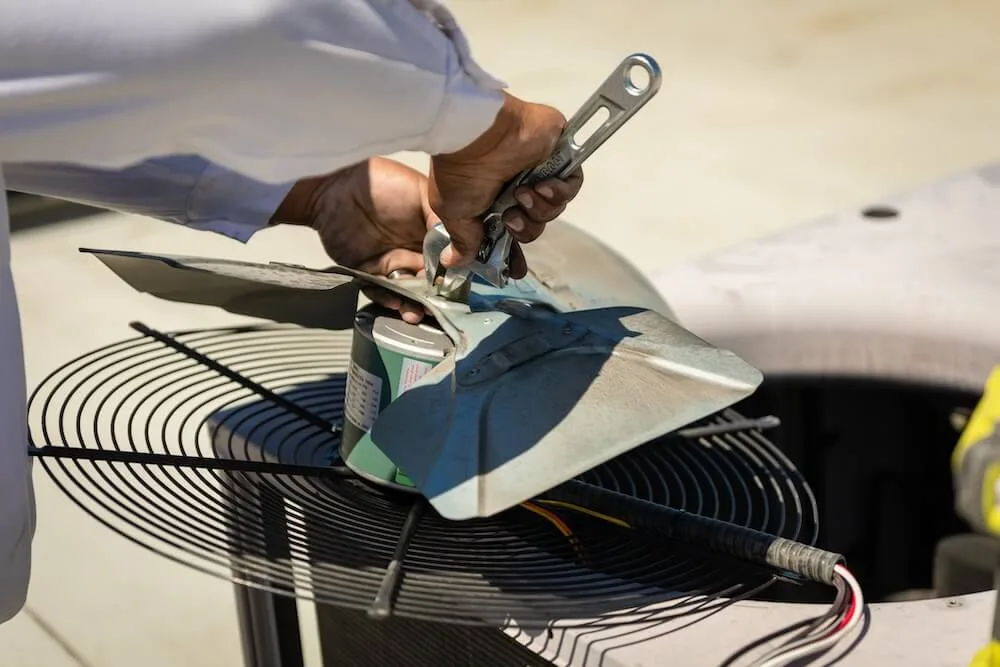
Keep a regular maintenance schedule to preserve efficiency gains. Annual tune-ups, filter changes, and duct inspections keep equipment running well. Also inspect insulation and seals after storms and make small repairs to prevent bigger problems.
Simple upkeep like replacing filters and clearing vents prevents airflow problems and keeps systems efficient. Track service dates and stick stickers on equipment with the last service and contact. That habit helps when selling the home or applying for warranty service.
How often should filters be changed?
Change standard fiberglass or pleated filters every one to three months based on use. Higher-MERV filters may last longer but can raise pressure drop and harm airflow. Check filters monthly at first to learn how fast they load in your home.
What HVAC tuneups are recommended?
Annual tuneups should include cleaning coils, checking refrigerant charge, inspecting belts and motors, and testing airflow and controls. For gas systems include combustion analysis and flue inspection. Proper tuning keeps efficiency high and reduces breakdown risk.
How to maintain insulation and seals?
Inspect attic and crawlspace insulation yearly for signs of moisture, compression, or gaps around penetrations. Reseal flashing and trim around windows and doors as caulk ages. Keep insulation dry and free of stored items that compress it.
What incentives and financing help?
Many utilities, state programs, and the federal government offer rebates or tax credits for energy upgrades. Incentives often cover insulation, heat pumps, and diagnostic testing. Check requirements early to ensure projects meet program rules and qualification steps.
Financing options include PACE, utility loan programs, contractor financing, and personal loans. Compare rates, terms, and prepayment penalties. Some programs attach loans to the property tax bill, which can ease monthly payments but adds long-term obligations.
What rebates do utilities offer?
Utilities commonly rebate insulation, duct sealing, and heat pump installs. Rebate amounts vary by region and project type. Call your local utility or check their online rebate finder to confirm current offerings and pre-approval steps. (ASHRAE Technical Resources)
Are federal tax credits available?
Federal tax credits may apply to high-efficiency heat pumps and certain retrofit measures. Program details and eligible equipment lists change over time. Keep contractor invoices and product model numbers for tax or rebate documentation.
How to find local weatherization programs?
Search state energy office listings, county programs, or utility sites to find local weatherization help. Nonprofits and low-income weatherization services often offer reduced-cost work. Call agencies early to learn income limits and application steps.
Can incentives cover heat pump costs?
Combined utility rebates and federal credits can cover a large share of heat pump costs in many cases. Availability depends on local offers and contractor participation. Apply early and confirm program rules to maximize incentive capture.
What financing options exist for retrofits?
PACE financing, utility on-bill programs, personal loans, and contractor financing are common. Compare interest rates, term lengths, and fees. Some lenders require energy savings projections or contractor verification for approval.
Do energy audits unlock incentives?
Many rebate programs require an energy audit or diagnostic testing to qualify for higher incentive tiers. Audits document baseline conditions and savings potential. Hiring a certified auditor often speeds approvals and supports rebate claims.
How to document work for rebates?
Keep invoices, product model numbers, diagnostic reports, and before-and-after photos. Submit forms and documentation promptly. Some programs require pre-approval, so get written confirmation before work starts to avoid denied claims.
What are typical payback timelines?
Payback ranges vary widely from three to fifteen years. Small measures like sealing often pay back faster. Larger equipment swaps depend on incentives, local energy prices, and fuel type. Use conservative estimates when deciding on projects.
Get help and next steps
Gather diagnostic data first and plan work that gives the biggest savings per dollar. Start with a blower-door test and a duct-blaster if ducts run in attics or crawlspaces. Prioritize sealing and attic insulation before new HVAC purchases.
Document work and check rebate rules before you start. Ask contractors for Manual J and Manual S reports when they propose new equipment. Keep a project folder with invoices and test reports to make future maintenance and resale easier.
Cost Drivers: Las Vegas Home Upgrades
- Diagnostics: Blower door test $200-$400; duct leakage test $200-$400
- Air sealing: $500-$2,000 depending on home size and leak severity
- Attic insulation: $1,500-$4,000 to reach R-38+
- Duct sealing: $500-$2,000; duct replacement $3,000-$8,000+
- HVAC equipment: $3,500-$10,000+ depending on system type and efficiency
- Rebates: Utility rebates $500-$1,500; federal tax credits up to $2,000
- Total savings: Las Vegas homeowners typically save $100-$300+ monthly with comprehensive upgrades
How to contact vetted installers?
If you are in Las Vegas call The Cooling Company at (702) 567-0707 for NATE-certified service. The Cooling Company serves Las Vegas, Henderson, and North Las Vegas. Ask for Manual J/S documentation, diagnostic reports, and rebate help when you call for an estimate.
Next steps checklist
Start by booking a home energy audit and blower-door test to find the biggest leaks. Prioritize air sealing, attic insulation, and duct sealing. Re-test after envelope work and then run Manual J load calculations to right-size HVAC. Check local incentives and keep documentation for rebates.
If you are outside our service area, seek NATE-certified technicians and ask contractors to show Manual J/S reports and test results. That verification helps ensure work quality and rebate eligibility wherever you live. For Las Vegas area estimates, call The Cooling Company at (702) 567-0707.
About The Cooling Company
The Cooling Company has been serving the Las Vegas valley with professional HVAC services for over a decade. Our team of licensed, NATE-certified technicians specializes in air conditioning repair, heating system maintenance, and complete HVAC installations. We're committed to providing honest, reliable service with upfront pricing and a 100% satisfaction guarantee on all work performed.
- Phone: (702) 567-0707
- Reviews: 4.8/5 stars (780+ reviews) - See reviews
Service Areas
We proudly serve homeowners and businesses throughout the Las Vegas metropolitan area, including Las Vegas, Henderson, and North Las Vegas. Our service technicians are available for same-day appointments in most areas, with emergency service available 24/7 for urgent HVAC issues.
Share This Page
Need Home Energy Efficiency Help in Las Vegas?
The Cooling Company provides expert HVAC service throughout Las Vegas, Henderson, and North Las Vegas. Our licensed technicians deliver energy assessments, duct testing, and efficiency upgrades with upfront pricing.
Call (702) 567-0707 or visit HVAC services, maintenance, heat pump installation, or AC installation for details.