

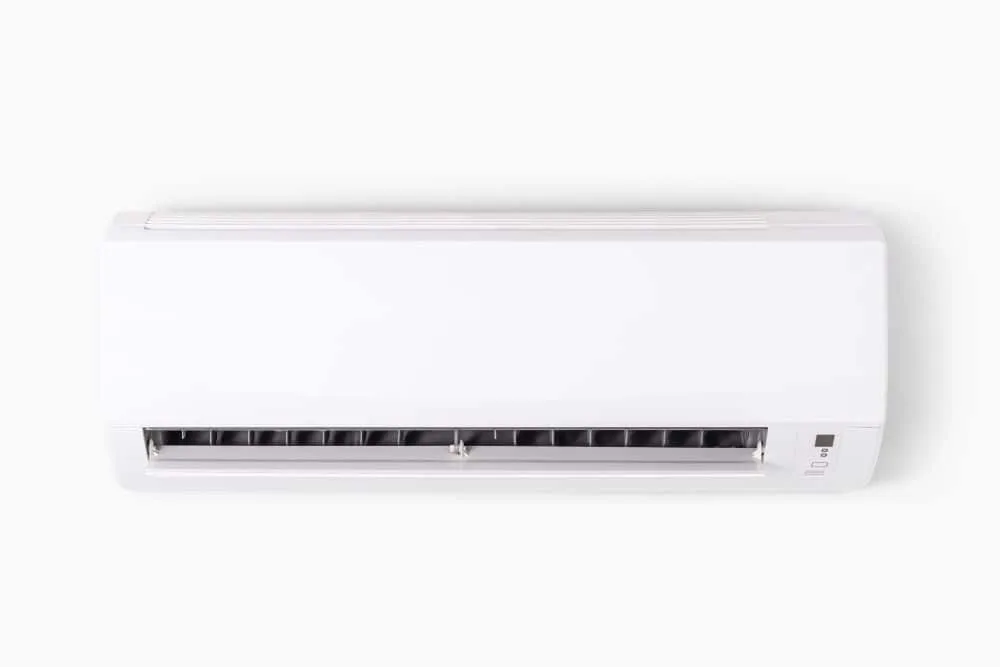
Start with easy fixes: seal leaks, change filters, set a smart thermostat, and add LED bulbs. These steps cut HVAC runtime and lower bills fast. Then add attic insulation and duct sealing for bigger gains. Track your bills and consider rebates before major upgrades. (Source: ASHRAE Technical Resources)
Short answer: Energy-saving tips reduce bills by 10-30% through simple fixes like filter changes, thermostat setbacks, air sealing, and LED bulbs. In Las Vegas, where AC systems run 10-11 months per year and summer temperatures exceed 110°F, these measures deliver faster payback. Start with low-cost fixes (filters, thermostats, sealing), then add insulation and duct sealing. Las Vegas homeowners can save $50-200+ monthly with comprehensive measures. Federal tax credits and utility rebates can offset upgrade costs. Regular maintenance and smart controls maximize savings.
Key Takeaways
- Start with thermostat setbacks, filter changes, air sealing, insulation, and duct work.
- Small, low‑cost measures often give the fastest bill cuts and better comfort.
- Schedule annual tune‑ups and hire pros for refrigerant, gas, or major duct work.

What quick changes save the most energy?
Quick changes cut runtime and give visible results the soonest. These tasks need little skill and low cost. They improve comfort and reduce wear on equipment. Aim for actions that cost under a few hundred dollars first.
Work in small blocks of time to get big value. Spend an hour on filters and vents, and a weekend on sealing and LED swaps. Combine smart thermostat programming with air sealing for automatic savings. Measure results with next month’s bills to confirm progress.
Which thermostat settings lower bills most?
Setbacks reduce run time and save energy without losing comfort. Try 68°F in winter and 78°F in summer when people are home. When away for hours, increase or decrease by 7–10°F to cut costs. Use a smart thermostat to automate those setpoints and keep schedules tight.
A programmable or smart unit avoids constant fiddling and reduces wasted runtime. Look for geofencing and simple scheduling features. Avoid tiny temperature swings that force short cycles. Larger, steady setbacks usually give the best savings with less wear.
How often should I change HVAC filters?
Check pleated filters monthly at first, then set a schedule that fits your home. Many homes need filter changes every 1–3 months, depending on pets and dust. Dirty filters cut airflow and force longer system run times, which raises bills and wears parts.
Buy a higher‑quality pleated filter if you want better protection, but monitor airflow after upgrading. Mark filter change dates on a calendar or set phone reminders. Keep spare filters on hand so you do not skip a change.
Will sealing air leaks improve comfort?
Yes. Air leaks let conditioned air escape and let outside air in, which raises HVAC load. Common leak spots are attic hatches, recessed lights, window frames, and gaps around plumbing and wiring. Sealing these places tightens comfort and cuts runtime.
Use caulk for small gaps and weatherstripping for moveable joints. For larger holes, apply low‑expansion spray foam. If you suspect hidden leakage, hire a pros to do a blower door test and prioritize repairs based on measured leakage.
Do LED bulbs cut lighting costs?
LED bulbs use about 75–85% less energy than incandescents and last much longer. Replacing bulbs in high‑use fixtures delivers quick savings and lower replacement cost over time. Look for ENERGY STAR ratings for good light quality and long life.
You may qualify for federal tax credits that reduce your upfront cost.
Check our HVAC pricing guide for current cost estimates.
Start with living areas, kitchens, and outdoor lights. Choose warm 2700–3000K tones for living rooms and cooler 3000–4000K for task areas. Dimmer compatibility matters, so test a bulb in a fixture before replacing many.
Can ceiling fans reduce AC use?
Ceiling fans move air to create a cooling feel without lowering temperature. That lets you raise the thermostat by about 3–4°F while feeling comfortable. Turn fans off when rooms are empty to avoid wasting energy.
Set fan spin counterclockwise in summer for a cooling breeze and clockwise in winter on low to push warm air down. Use fans with efficient motors and angled blades for best performance and low power draw.
What water heater temp saves energy?
Set your water heater to 120°F for a good balance of comfort and energy savings. Lower temperatures reduce standby heat loss and cut scald risk, especially with kids. If a dishwasher requires hotter water, check the appliance manual first.
Insulate older tanks and the first few feet of hot water piping to cut standby losses. If your tank is more than 10 years old, consider a replacement with better insulation or a heat pump water heater for bigger savings. (Source: ASHRAE Technical Resources)
How do weatherstrips stop drafts?
Weatherstripping seals gaps around doors and windows that let conditioned air escape. Use foam, vinyl, or metal strips on movable parts like doors and window sashes. A good seal reduces drafts and cuts heating and cooling loads.
Check and replace worn or crushed strips at least once a year. For sliding doors, use bulb or V‑strip weatherstrips. Properly installed weatherstrips can improve comfort quickly and cost very little.
Are smart power strips worth it?
Smart power strips cut standby power from TVs, chargers, and peripherals that draw energy when idle. They switch off power to secondary devices when the main device stops drawing power. Savings per device are small but add up across a home.
Place smart strips behind entertainment centers, printers, or home offices. Choose models with master outlet control or timed scheduling. They are low cost and simple to install, giving steady small reductions in your monthly bill.
Use our energy savings calculator to estimate your potential savings.
How do I find my home's biggest losses?
Finding where energy escapes helps you prioritize work that matters most. Start with a visual walk‑through looking at attic insulation, ducts, and leak spots. Use simple tests first, then move to diagnostic tools if needed.
Record problem areas and group them by cost and impact. A loose attic hatch or leaky door may be cheap to fix and give fast savings. Bigger problems like massive duct leakage or missing attic insulation often need pro help to measure and fix correctly.
How to run a simple DIY energy audit?
Use a flashlight, incense stick, and a thermometer to sample your home. Move along walls, windows, and door frames to spot drafts. Check attic and crawlspace insulation levels and note cold or hot rooms compared to thermostat areas.
Write down findings and rank them by ease and likely savings. Tackle quick fixes like caulking, weatherstripping, and filter changes first. If big issues remain, hire a professional audit for a deeper diagnosis.
What is a blower door test?
A blower door test installs a fan in an exterior door to create a pressure difference. That measures how much air leaks from the home and gives a baseline for sealing work. The number helps pros find the most effective air‑sealing targets.
Pros often pair this test with infrared imaging for precise leak locations. Results are measurable, letting you compare before and after performance. Consider a blower door test if you plan a major weatherization project or need rebates.
Can an infrared camera spot insulation gaps?
Infrared cameras show surface temperature differences that reveal missing insulation and air leaks. Run scans on a cool day in summer or a cold day in winter for best contrast. The camera helps find hidden problems behind walls and ceilings.
Small handheld cameras are affordable to rent, but interpretation matters. Moisture or reflective surfaces can mislead results. For a full scan, hire a pro who can combine camera data with other tests.
How to check for duct leaks?
Listen and feel for air at seams and joints while the system runs. Look for dust streaks or disconnected flex ducts and check insulation on ducts in attics or crawlspaces. Visible damage or large gaps often point to costly losses.
Sealing with mastic or UL‑approved foil tape and insulating exposed ducts is a durable fix. For more detail on duct issues, see our ductwork troubleshooting guide. For a quantified result, a professional duct blaster test measures leakage and guides repairs for the best return.
Should I analyze utility bill trends?
Yes. Reviewing 12 months of bills shows seasonal peaks and any abnormal spikes. Weather‑normalize the data if you can, and compare year‑over‑year use to spot changes after upgrades. This helps you confirm if measures are working.
Some utilities provide online graphs and neighborhood comparisons that make trends clear. Use a simple spreadsheet or your utility portal to log kilowatt‑hours or therms monthly and check the impact of any changes you make.
Which upgrades give the fastest payback?
Not all upgrades return equal savings or speed of payback. Start with low‑cost, high‑impact fixes, then plan larger upgrades only if you expect to stay long enough. Air sealing, insulation, and duct work often lead the list.
Check local rebates and tax credits to reduce upfront costs. For major equipment changes, insist on measured or modeled savings and a Manual J load calculation to avoid oversizing. Good installation matters as much as product efficiency.
How much does a smart thermostat save?
Smart thermostats commonly save 5–12% on heating and cooling costs depending on behavior. Heat pumps and furnaces often see strong gains when schedules reduce runtime. Features like learning or geofencing add convenience and savings if used correctly. [Point 1] (Source: ASHRAE Technical Resources)
Factor in small installation costs and possible compatibility checks with older systems. Many utilities offer rebates for qualifying models. Read the compatibility guide before buying to avoid extra adapter costs.
Does adding insulation pay off?
Adding attic insulation often gives strong payback, especially in older homes with low existing levels. Insulation cuts heat flow through the roof and lowers both heating and cooling needs. Savings depend on climate and current insulation.
In cold climates, adding to recommended R‑values can cut heating bills greatly. In hot climates, attic insulation reduces cooling runtime. Get contractor estimates and look for local rebates to improve payback.
When is a heat pump worth it?
Heat pumps are efficient when they can meet most heating and cooling needs. Modern cold‑climate heat pumps work well in many regions. They provide both cooling and efficient electric heating and can replace separate furnace and AC systems.
Consider a heat pump when your current system ages or when rebates and electricity rates make them competitive. Proper sizing and duct condition still matter for good performance and comfort.
Are high-efficiency furnaces cost-effective?
High‑efficiency furnaces with AFUE ratings above 90% use less fuel and lower heating bills. Cost effectiveness depends on fuel price, climate, and the state of your current equipment. In cold climates, payback is often faster.
If ducts leak a lot or airflow is poor, a new furnace alone might not deliver expected savings. Combine a furnace upgrade with duct sealing and thermostat controls to maximize return on investment.
Will duct sealing cut my heating bills?
Yes. Sealing ducts in unconditioned spaces often yields clear savings and better comfort. Many homes leak 10–30% of conditioned air through ducts. Fixing those leaks reduces wasted energy and improves system efficiency.
Use mastic or UL‑approved foil tape for long‑lasting seals, and insulate ducts in attics or crawlspaces. A professional test helps quantify leakage and measure the benefit of sealing work.
Can window upgrades reduce peak loads?
Window upgrades improve comfort and reduce solar heat gain, but payback can be slower than insulation or duct fixes. New windows cut drafts and lower peak loads in hot weather. For some homes, shading or films give faster payback.
If windows are single‑pane or very leaky, replacement can make sense. Otherwise, add interior or exterior shading, low‑E films, or storm windows for faster, lower‑cost gains.
What rebates exist for HVAC upgrades?
Rebates vary by utility, state, and program year and often target efficient HVAC, heat pumps, and insulation. Programs may require specific contractors or pre‑approval. Some rebates stack with tax credits for bigger savings.
Check DSIRE or your local utility site for current offers. Keep all receipts and compliance forms. Missing a pre‑approval step can disqualify your rebate, so confirm requirements before work starts.
How to estimate payback and ROI?
Estimate annual energy savings, then divide the upgrade cost by those savings to find simple payback years. Use recent utility bills to estimate current use and apply reasonable percent savings from tests or manufacturer data. Adjust for local energy prices and climate.
For large projects, include maintenance costs, equipment life, and a discount rate for net present value. When unsure, ask a qualified auditor or contractor for modeled or measured estimates.
Which upgrades need a licensed contractor?
Any work involving gas, refrigerant, major duct changes, combustion appliances, or structural changes needs a licensed pro. Load calculations, refrigerant charging, and venting work require certified technicians for safety and code compliance.
DIY is fine for filters, bulbs, and basic caulk. For projects needing permits or with safety risks, hire licensed contractors to protect warranties and meet local codes. Ask for proof of insurance and licenses.
What routine maintenance saves energy?
Routine care keeps systems efficient and extends equipment life. Regular checks cut energy use and prevent sudden failures. A seasonal checklist and prompt repairs can save both money and hassle over time.
Focus on simple, recurring tasks like cleaning coils, replacing filters, and clearing condensate drains. Keep vents open and unobstructed and check thermostat calibration. Small steps often avoid major repairs later. [Point 2] (Source: ASHRAE Technical Resources)
How often schedule HVAC tune-ups?
Schedule an annual tune‑up for heating and cooling systems. Inspect the cooling system in spring and the furnace in fall for best timing. Regular tune‑ups include coil cleaning, refrigerant checks, and airflow tests to spot small issues early.
If your home has heavy dust or pets, increase tune‑up frequency. Keep written records for warranties and rebate requirements. A timely tune‑up often prevents costly mid‑season failures.
Why clean vents and registers?
Clean vents and registers maintain good airflow and keep dust from circulating. Blocked or dirty registers make the system run longer and reduce comfort. That increases energy use and accelerates wear on equipment.
Vacuum registers and wipe them with a damp cloth several times per year. For deep cleaning or mold concerns, hire a professional duct cleaning service. Make sure furniture or curtains do not block supply vents.
What filter MERV rating should I use?
Select a filter that balances particle capture and airflow. For most systems, MERV 8–11 gives good filtration without overly restricting airflow. Higher MERV filters trap smaller particles but may reduce airflow if the fan cannot handle the extra resistance.
Check the system manual and monitor static pressure when moving to a higher MERV rating. Replace higher‑MERV filters more often to avoid flow loss. If asthma or severe allergies exist, consult a pro for options.

When should I call a pro or replace equipment?
Call a pro for gas smells, refrigerant leaks, electrical faults, or if the system cannot hold temperature. Licensed technicians can safely diagnose complex issues and recommend repairs or replacement. Timely service prevents dangerous situations.
If a system is 10–15 years old and needs frequent repairs, replacement can be more economical. Pair replacements with duct sealing or insulation to maximize benefits. Always ask for load calculations and multiple bids.
Is refrigerant work safe for DIY?
No. Handling refrigerants needs EPA certification and special tools. Incorrect charging harms system performance and the environment. Hire certified HVAC techs to test for leaks and do correct evacuation and recharge procedures.
A pro can also document the work for warranties and local codes. Keep service records showing certified technicians handled refrigerant and system repairs.
How to spot gas appliance issues?
Look for yellow flames, soot, pilot outages, or the smell of gas. Carbon monoxide alarms with readings or beeps need immediate attention. Any gas odor requires leaving the area and calling the gas utility and a licensed technician.
Schedule annual combustion appliance inspections to check venting, heat exchangers, and safety controls. Professionals test for CO, measure draft, and ensure safe operation during tune‑ups.
When does an HVAC system need replacement?
Replace when repair costs approach half the cost of a new unit with higher efficiency. Also consider replacement when reliability drops or the system cannot meet comfort needs. Age, repair frequency, and efficiency guide the decision.
Time replacements with duct fixes, insulation upgrades, or solar additions for better long‑term results. Always get a Manual J load calculation and at least two bids before buying new equipment.
How to verify proper system sizing?
A Manual J load calculation is the accepted method to size HVAC systems. It accounts for home size, insulation, windows, and climate. Correct sizing prevents short cycling, improves humidity control, and saves energy.
Ask contractors to provide the Manual J report and compare results. If a contractor refuses, seek another company. Proper sizing protects comfort and the life of the equipment.
What does SEER rating mean?
SEER is the Seasonal Energy Efficiency Ratio that measures cooling efficiency over a season. Higher SEER units use less electricity for the same cooling output during the season. Modern systems often fall in the high teens to low twenties for SEER.
Pair SEER with good installation and duct condition. A high‑SEER unit wrongly installed may underperform a lower‑SEER unit fitted correctly. Ask about projected seasonal energy use, not just the SEER number.
Can contractors provide load calculations?
Yes. Qualified HVAC contractors should perform Manual J load calculations before replacement. This ensures correct sizing and helps avoid oversizing. Ask for written calculations and compare between bids for clarity. [Point 3] (Source: ASHRAE Technical Resources)
If a contractor uses rule‑of‑thumb sizing, get a second opinion. Written calculations show the basis for equipment choices and protect your investment in comfort and efficiency.
How to check combustion safety?
Combustion safety checks include measuring carbon monoxide, checking venting, and inspecting the heat exchanger. Professionals test draft and burner performance during annual inspections. This prevents dangerous conditions from developing unnoticed.
Install CO detectors near bedrooms and the furnace room. If a detector alarms, shut off appliances and call a pro right away for an inspection.
Should I repair or replace ducts?
Repair ducts when leakage or poor insulation is the main problem. Sealing and insulating ducts usually costs less than full replacement and can restore much of the lost efficiency. Replacement fits when ducts are badly damaged or poorly sized.
Get a duct blaster test to quantify leakage and guide the decision. Pros can recommend targeted repairs that offer big gains without full replacement.
Are Energy Star appliances worth it?
ENERGY STAR appliances meet higher efficiency standards and can lower energy use. For HVAC, look for certified heat pumps, furnaces, and thermostats. Savings depend on model, usage, and climate but often come with rebates.
Compare estimated annual energy use on labels and factor in rebates to calculate lifecycle costs. A higher upfront cost can pay back quickly in many cases.
How to find a qualified HVAC pro?
Seek NATE‑certified technicians and licensed contractors with solid reviews. Ask for references, proof of insurance, and written proposals with load calculations and warranty details. Clear pricing and a defined scope matter for trust and long‑term value.
Local utilities and ENERGY STAR lists can point to reliable pros. For Las Vegas area readers, see the CTA below for a local option that does energy‑focused diagnostics and duct sealing.
What permits are required for HVAC work?
Permits often apply to major replacements, refrigerant line work, gas piping, and duct reconfigurations. They ensure work meets local codes and is inspected for safety. Rules vary by city and county, so check local requirements first.
Your contractor should pull permits and handle inspections. Doing work without permits may void warranties and create resale headaches later. Keep permit copies with service records.
Where to check warranties and rebates?
Check manufacturer warranties for parts and labor coverage and any transfer rules. Rebates are listed on utility and state program sites and sometimes require specific contractors or pre‑approval. Keep receipts and compliance documents for claims.
Before buying, confirm eligibility, efficiency levels needed, and any contractor lists. Missing a pre‑approval step can disqualify a rebate, so read program fine print closely.
Get started: next steps
Start with a short, focused project list you can finish in a weekend. Replace filters, seal visible gaps, swap high‑use bulbs to LEDs, and set thermostat setbacks. These steps cost little and show savings on the following bills. In Las Vegas, where cooling dominates most of the year, these quick fixes deliver immediate results.
If the next step needs more skill, gather two or three contractor bids and ask for a Manual J load calculation. Check rebate rules and request rebate paperwork before work starts. Keep records to prove compliance and to track actual savings.
Cost Drivers: Las Vegas Energy Savings
- Quick fixes: Filters $20-$50, LED bulbs $50-$200, weatherstripping $50-$150, thermostat $100-$300
- Mid-range: Air sealing $500-$2,000, attic insulation $1,500-$4,000, duct sealing $500-$2,000
- Major upgrades: HVAC equipment $3,500-$10,000+, windows $5,000-$15,000+
- Rebates: Utility rebates $500-$1,500; federal tax credits up to $2,000
- Monthly savings: Quick fixes $20-$50; comprehensive upgrades $100-$300+
Should I DIY or hire a contractor?
Do simple tasks yourself: filters, bulbs, weatherstrips, and basic caulk. These give quick payback and low risk. Hire a licensed contractor for refrigerant work, gas appliances, major ducts, load calculations, and work needing permits.
Get multiple bids for major projects and ask for written load calculations and rebate guidance. Compare energy estimates and check references. Proper contracting protects safety, warranty coverage, and long‑term savings.
Where to find rebates and calculators?
Start with your local utility website and the DSIRE database to find current rebates. Use DOE Home Energy Saver or ENERGY STAR calculators to model savings. For certified tech searches, use NATE at natex.org.
If you live in Las Vegas, Henderson, or North Las Vegas, call The Cooling Company at (702) 567-0707 for local HVAC tune‑ups, duct sealing, and replacement quotes. The Cooling Company does energy‑focused diagnostics and helps with rebate paperwork. Outside our area, use NATE and local utility resources.
Call The Cooling Company now at (702) 567-0707 for a free estimate or to schedule an energy inspection in Las Vegas, Henderson, or North Las Vegas. Let our techs diagnose HVAC losses, seal ducts, and recommend upgrades that lower bills and improve comfort. For others, start with DOE and ENERGY STAR tools and find NATE‑certified pros at natex.org.
Related reading: what to explore next?
- Smart Thermostat Energy Savings: How to Cut Your Bills Fast Now
- Energy Efficient Home: 7 Upgrades to Make Your Home More Efficient
- HVAC Energy Savings: How to Save Money During Winter
- How to Check Air Ducts for Leaks: 6 Quick DIY Tests
Related service: Want to lower your energy bills? Explore our AC maintenance and energy-efficient AC installation services for Las Vegas homeowners.
Need HVAC service help in Las Vegas?
If you're facing an HVAC emergency in Las Vegas, Henderson, or North Las Vegas, The Cooling Company offers fast, reliable service from licensed technicians. We understand that heating and cooling emergencies don't wait for business hours.
Call us now at (702) 567-0707 for emergency service. Our team is ready to help restore your comfort quickly and safely.
Need HVAC Service in Las Vegas?
The Cooling Company provides expert HVAC service throughout Las Vegas, Henderson, and North Las Vegas. Our licensed technicians deliver honest assessments, upfront pricing, and reliable results.
Call (702) 567-0707 or visit AC repair, maintenance, heating, or installation for details.
Share This Page
About The Cooling Company
- Phone: (702) 567-0707
References
- U.S. Department of Energy (Energy.gov) (accessed 2025-12-27)
- U.S. Environmental Protection Agency (EPA) (accessed 2025-12-27)
- ASHRAE (Standards and guidance) (accessed 2025-12-27)
- ENERGY STAR (Heating & cooling) (accessed 2025-12-27)