

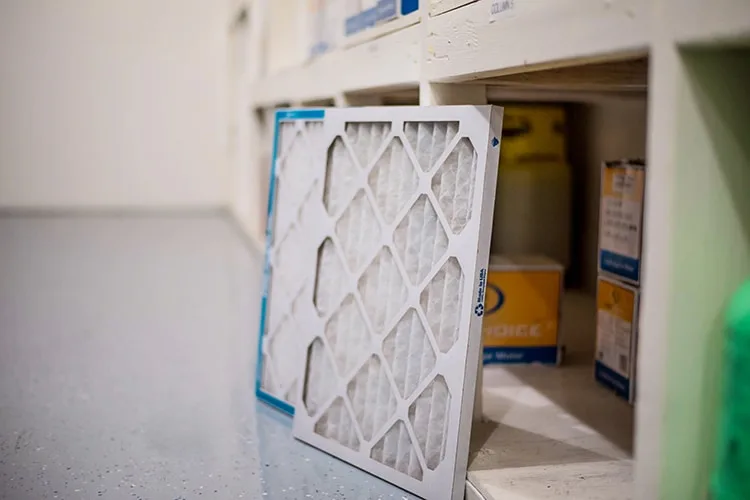
Short answer: A furnace heats indoor air by burning fuel or using electric resistance and distributes it through ducts. For Las Vegas homes, the biggest priorities are correct Manual J sizing, safe venting, and keeping ducts and filters clean to handle desert dust.
A furnace is your home’s main heating appliance. It warms indoor air by burning fuel or by using electric resistance elements. To keep comfort, safety, and energy bills in check, size the system correctly with an ACCA Manual J load calculation, schedule a yearly professional tune‑up, change filters regularly, and keep working carbon monoxide alarms.
Key Takeaways
- Schedule a yearly professional tune‑up and document the visit. Change filters every 1–3 months, depending on filter type and home conditions. With regular care, most furnaces last 15–20 years.
- Always use an ACCA Manual J load calculation before replacing or upsizing. Oversizing causes short cycling, higher energy bills, and uncomfortable fluctuations in temperature.
- High‑efficiency condensing furnaces (90–98% AFUE) save fuel most in very cold climates. Shorter payback wins come from smaller fixes: seal ducts, install programmable thermostats, and keep up with clean filters.
- Treat gas smells, CO alarms, yellow or sooty flames, or repeated ignition failures as emergencies. Evacuate and call emergency services and your gas utility.
Furnace: How It Works, Common Problems, Costs?
A furnace is your home’s main heating appliance. It warms indoor air by burning fuel or by using electric resistance elements. To keep comfort, safety, and energy bills in check, size the system correctly with an ACCA Manual J load calculation, schedule a yearly professional tune‑up, change filters regularly, and keep working carbon monoxide alarms. These steps are practical safeguards you can verify each year. (Source: ASHRAE Technical Resources)
What is a residential furnace?
A residential furnace heats indoor air and sends it through a network of ducts and registers. Gas furnaces burn fuel in a combustion chamber and transfer heat through a metal heat exchanger. Electric furnaces heat through resistance coils. Heat pumps, which move heat rather than generate it, are common in milder climates or as part of dual‑fuel systems.
Most U.S. Homes with central heating rely on forced‑air furnaces. These furnaces push warmed air through ducts with a blower. Furnaces are rated by AFUE (efficiency), input BTUs, and overall capacity.
How a gas furnace works
Cold return air enters through filters into the return plenum. When the thermostat calls for heat, the ignition system lights the burners. Combustion heats the heat exchanger. The blower pushes warmed air into supply ducts. Combustion gases exit through a flue or a PVC vent. Condensing furnaces extract extra heat and drain condensate.
Common ignition types include:
- Standing pilot (rare nowadays)
- Hot‑surface ignitor (ceramic element heats and ignites gas)
- Intermittent spark or electronic ignition
What AFUE means for efficiency
AFUE stands for Annual Fuel Utilization Efficiency. It measures how efficiently a furnace uses fuel to create heat over a year. Typical ranges:
- Older furnaces: under 80% AFUE
- Standard modern furnaces: 80–89% AFUE
- High‑efficiency condensing furnaces: 90–98% AFUE
A 95% AFUE furnace uses about 95% of the fuel for heat and wastes 5%. Replacing an 80% unit with a 95% unit often reduces annual fuel use by roughly 15%. Real savings depend on your climate and fuel prices.
Which fuels power residential furnaces?
Natural gas: common in many U.S. Areas. Propane: used where natural gas lines do not reach. Heating oil: used in parts of the Northeast. Electric resistance: simple but often costly where electricity is expensive. Heat pumps: electric devices that move heat; often paired with furnaces in cold climates.
Main furnace components and what to watch for?
Understanding parts helps you spot problems early and explain issues clearly to technicians.
Burners and ignition?
Burners mix gas and air and must ignite cleanly. Dirty burners cause yellow flames, soot, and poor combustion. Hot‑surface ignitors often last 5–10 years. If an ignitor fails, the furnace may produce no heat.
Heat exchanger?
The heat exchanger keeps combustion gases separate from the living space. Cracks let carbon monoxide (CO) into the home. Technicians inspect for cracks and corrosion using tests, dye tests, or a borescope. A cracked heat exchanger usually means the unit must be replaced.
Blower motor and fan?
Weak airflow, squealing bearings, or failure to start are common issues. Capacitors often cause slow or no starts. Older systems may use belts that require adjustment. Modern blowers are typically direct‑drive.
Controls, safety switches, and venting?
Limit switches, pressure switches, and control boards monitor safe operation. Flues and vents must be clear. Condensing units have condensate traps and drains that can clog or freeze.
How heat exchangers fail and how to check for issues
Heat exchangers crack from thermal stress, corrosion, or age. Homeowners can spot early signs:
- Look for rust or heavy soot near the furnace cabinet
- Note unexplained headaches, nausea, or CO alarm activations when the furnace runs
- During a tune‑up, ask the technician to perform a visual inspection and a CO test in the supply air stream
If a technician reports a cracked heat exchanger, replacement is usually recommended rather than patching.
Safety risks: gas, CO and venting?
Key risks include gas leaks, carbon monoxide exposure, and improper venting. Practical safety steps:
- Install and regularly test CO alarms on every level and outside sleeping areas. Replace batteries at least twice a year.
- If you smell gas, evacuate the home immediately. Do not use phones or switches inside. Call emergency services and your gas utility from a safe distance.
- If a CO alarm sounds, evacuate and call emergency services. Do not re‑enter until it’s cleared.
After danger is addressed, have a licensed HVAC technician perform a full safety inspection and provide written findings.
Basic homeowner checks before calling a technician?
These quick checks help narrow down problems:
Filter: inspect and replace if dirty. A clogged filter can dramatically reduce airflow. Thermostat: confirm setpoint, battery condition, and that the thermostat is set to heat. Vents and registers: ensure supply registers are open and not blocked by furniture or drapes. Electrical and fuel: verify the circuit breaker is not tripped and the gas valve is open if your system uses gas.
If the furnace still won’t run, note any error code flashes on the furnace LED and take a photo for the technician.
How to spot furnace problems - symptoms, causes and quick tests
Unusual noises: what they usually mean?
Rattling: loose panels, screws, or duct straps. Tighten as needed and check duct connections. Bang or a pop at startup: delayed ignition or thermal expansion in ducts. Delayed ignition often points to dirty burners. Squealing: worn blower bearings or belt issues. Check belt tension and replace as needed. Rumbling during operation: possible cracked heat exchanger or blocked vent. Shut down and call a professional.
Quick test: note when the noise occurs (start, run, or shutdown) to help a technician diagnose.
Weak airflow?
Common causes include dirty filters, blocked vents, failing blowers, or leaky ducts. Quick checks:
- Replace the filter and recheck airflow.
- Place a tissue at supply registers to gauge airflow; if it barely moves, airflow is restricted.
- A technician can measure temperature rise across the furnace to assess performance.
Thermostat issues and cycling?
Bad thermostat placement near heat sources or drafts can cause misreads. Multi‑stage furnaces require compatible thermostats. Mismatches lead to short cycling. Check wiring, settings, and program schedules.
When carbon monoxide becomes a risk
CO risk increases with incomplete combustion, blocked vents, cracked heat exchangers, or very dirty burners. Symptoms include headaches, dizziness, or flu‑like signs when the furnace runs. CO alarms provide protection; treat alarms seriously.
Error codes and control board flashes?
If the furnace displays an LED code, write down the pattern. Consult the manual or share the pattern with your technician. Repeated resets without diagnosis can hide a real fault.
Repair or replace: how to decide?
Typical lifespan and factors?
Most furnaces last 15–20 years. Lifespan depends on how long they run, maintenance quality, fuel type, and climate. An unit older than 15 years with frequent repairs or lower efficiency is a strong candidate for replacement.
Typical replacement costs (installed)?
- Basic mid‑efficiency gas furnace: $3,000–$6,000
- High‑efficiency condensing furnace: $4,500–$9,000
- Complex installations (duct redesign, gas upgrades, structural work): $10,000+
Costs vary by region, brand, warranty, and installer labor. Venting and condensate work can add to the price.
Simple cost‑benefit example (approximate)?
If your annual gas heating bill is $1,800, upgrading from 80% AFUE to 95% AFUE may reduce fuel use by about 15%, saving roughly $270 per year. If the high‑efficiency unit costs $3,000 more upfront, the simple payback is around 11 years. Rebates and changing fuel prices can alter this calculation.
When to repair vs replace: a practical checklist
Consider replacement when: The furnace is older than 15 years. Annual repair costs exceed about 30–40% of a new unit’s price over a short period. The unit has safety issues such as a cracked heat exchanger or persistent CO events. You want significantly better efficiency or stronger zoning.
Repair if:
- The problem is a single low‑cost part, such as an ignitor or capacitor
- The unit is relatively new (under 10 years) and otherwise reliable
- You plan to sell soon and want to limit immediate costs
Always get two written estimates and ask for a clear, reasoned recommendation from the technician.
How furnaces are sized
Sizing uses an ACCA Manual J load calculation. It considers insulation, windows, house orientation, infiltration, and design temperatures. Do not size a furnace by square footage alone. Oversizing can lead to short cycling, reduced comfort, and accelerated wear.
Ductwork and replacement decisions?
Leaky or undersized ducts can waste 10–30% of heated air. Before upsizing a furnace, inspect and seal ducts and add insulation where needed. Improving ducts can allow a smaller, more efficient furnace to perform well.
Permits and code?
Most areas require permits for furnace replacement, venting changes, and new gas runs. A licensed contractor typically pulls permits and coordinates inspections. Ask to see the permit number and inspection sign‑off.
Rebates and tax incentives?
Many utilities, states, and manufacturers offer rebates for ENERGY STAR equipment or whole‑home upgrades. Federal tax credits may apply for certain efficient equipment. Check your utility rebate finder and local programs. Rebates often require contractor documentation and preapproval.
Financing options
Common options include contractor financing, home equity lines of credit, energy loans, and on‑bill financing. Compare APR, loan term, and whether rebates reduce the loan principal.
Maintenance: how often and what to do
DIY checks and schedule
Monthly or seasonal DIY tasks:
Inspect or replace the air filter every 1–3 months for 1" pleated filters. If you use thicker filters, you may be able to go longer between changes. Keep the area around the furnace clear of storage and combustibles. Test CO alarms and replace thermostat batteries as needed. Ensure vents and returns are open and unobstructed.
Annual professional tune‑up (best done in fall):
Perform combustion and safety tests. Clean burners and inspect the heat exchanger. Check gas pressure and safety controls. Clean the blower and verify belt condition or drive alignment. Measure static pressure and provide ductwork recommendations.
Seasonal maintenance checklist for technicians
1) Visual check of the heat exchanger and vent alignment 2) Combustion analysis and CO measurements at the burner and in the supply air 3) Clean and adjust burners; inspect ignition and flame sensor 4) Test limit and safety switches and diagnose control boards 5) Clean the blower assembly, inspect motor and capacitor; replace belts if needed 6) Inspect and clear condensate traps and drain lines on condensing units 7) Measure airflow and static pressure; recommend duct repairs if pressure is high 8) Confirm correct gas pressure and manifold settings
Common furnace problems explained with practical checks
No heat at all
Initial checks:
Thermostat set to heat and batteries good. Breaker not tripped. Gas valve open (if you have gas). Filter clean and unobstructed airflow.
If power and fuel are present but there is no ignition, suspect the ignition module, gas valve, or control board. Call a professional.
Frequent short cycling
Short cycles mean the furnace runs briefly and then shuts off. Likely causes include oversized equipment, a dirty filter, restricted airflow, or a failing limit switch. Actions:
- Replace the filter and recheck airflow
- Check for blocked or closed vents
- If cycles persist, schedule a diagnostic to measure temperature rise and airflow
Gas smell
Any strong gas odor is an emergency. Evacuate immediately and call emergency services and your gas utility from outside. A faint odor at startup may indicate delayed ignition; have the furnace serviced promptly.
Yellow or sooty flame
A steady blue flame is normal. Yellow or sooty flames indicate incomplete combustion, dirty burners, or ventilation problems. These conditions raise CO risk. Shut down the unit and call service.
Uneven room temperatures
Possible causes include closed vents, blocked registers, leaky ducts, or insufficient zoning. If one room is consistently 5–10°F cooler than others, investigate airflow and duct balancing.
Condensate leaks in high‑efficiency furnaces
Condensing furnaces produce water as a byproduct. Leaks can result from clogged traps or drains, frozen condensate lines, or poor slope. In cold climates, insulate or heat‑trace condensate pipes and use traps designed for winter use.
Parts that commonly need replacing
Filters: monthly to quarterly. Ignitors: 5–10 years. Capacitors and motors: 10–15 years (varies by use). Heat exchanger: replace when cracked or corroded.
Emergency steps: gas smell or CO alarm
1) Evacuate everyone, including pets 2) Do not use inside phones, switches, or open flames 3) Call emergency services and your gas utility from outside 4) Do not re‑enter until responders confirm it is safe
After danger is cleared, have a licensed HVAC technician perform a full safety inspection and provide written findings.
Choosing a qualified HVAC contractor
Good hiring practices:
Hire NATE‑certified technicians or those with similar credentials. Verify licensing and insurance. Ask for a Manual J load calculation and request to see the report. Get itemized written estimates that list equipment, labor, venting, duct repairs, and permit costs. Verify the contractor will pull permits and arrange inspections. (Source: ASHRAE Technical Resources). Check local reviews, ask for references, and confirm warranties on equipment and labor.
Questions to ask before hiring:
Will you perform Manual J and Manual D? Can I see the reports? What AFUE and warranty does this model have? What is included in labor and post‑installation visits? Do you offer financing and can you help apply for rebates?
Installation and pre‑installation duct checklist
Before installation, inspect ducts for large leaks, disconnected runs, crushed flex ducts, and poor insulation. Practical checks:
- Inspect attic and crawlspaces for gaps and disconnected sections
- Check for excessive dust at supply registers; dust can indicate leaks
- If ducts are in unconditioned spaces, plan to add R‑6 to R‑8 insulation
Often sealing and insulating ducts during replacement is cheaper than buying a larger furnace to compensate for heat loss.
Winterizing and freeze protection
In cold climates, protect PVC venting and condensate lines from freezing. Insulate or install heat trace cable as needed. Keep combustion air intakes clear of snow and ice. Schedule a late‑fall inspection to ensure traps are clean.
FAQs
Q: Will a bigger furnace heat my house faster? A: No. A larger furnace often short‑cycles, reducing comfort and humidity control. Proper sizing via Manual J is critical for comfort and efficiency.
Q: How much will I save upgrading from 80% to 95% AFUE? A: A rough rule is about 15% fuel savings, but actual results depend on your heating bill, climate, and fuel prices.
Q: Do I need CO alarms if my furnace is new? A: Yes. CO alarms are inexpensive life‑safety devices and many codes require them regardless of furnace age.
Final checklist: when to call a technician now
Call immediately if you detect any of these:
Strong gas odor. CO alarm activation. Yellow or sooty flame. Visible heat‑exchanger damage or rust. Persistent short cycling or complete loss of heat despite power and fuel.
Schedule a professional inspection and a Manual J load calculation if your furnace is older than 15 years. Also call if you plan major efficiency upgrades or see frequent repairs.
Call to action: getting a professional inspection and estimate
If your furnace is older than 15 years, you notice safety symptoms, or you are considering replacement, schedule a licensed HVAC inspection and a Manual J load calculation. Ask contractors for written estimates, AFUE ratings, warranty details, permit handling, and examples of similar installations.
Local essentials and challenges for Las Vegas furnaces
- Dust and airflow: Wind and construction dust clog filters fast, creating short cycling and hot/cold rooms.
- Attic installs: High attic temps stress controls and wiring, so proper ventilation and access matter.
- Energy cost mix: Gas can be cost-effective for heating, but rate plans vary by household use.
- Older duct systems: Many homes lose heat through attic ducts unless sealed and insulated.
Cost drivers for furnace repair or replacement
- Heat exchanger condition: Cracks can trigger full replacement rather than repair.
- Venting upgrades: Moving to a condensing unit adds PVC venting and condensate drainage.
- Duct repair scope: Airflow fixes can add labor but improve comfort and efficiency.
- Access and clearances: Tight closets or attic platforms increase installation time.
Decision guidance: what to do next
- Repair if: The unit is under 10 years and the issue is a single part.
- Replace if: The furnace is 15+ years old, has safety concerns, or repairs are frequent.
- Prioritize safety: Gas smells, CO alarms, or sooty flames require immediate action.
Prevention tips for longer furnace life
- Replace filters every 1–3 months and keep returns unobstructed.
- Schedule annual combustion testing and blower inspection.
- Seal and insulate attic ducts to reduce heat loss.
- Test CO alarms monthly and replace batteries twice a year.
Neighborhoods we serve for furnace service
- Summerlin, Summerlin South, and Angel Park
- Henderson, Green Valley, and Seven Hills
- Spring Valley, Paradise, and Winchester
- North Las Vegas, Aliante, and Centennial Hills
Why homeowners trust The Cooling Company
- Serving Las Vegas since 2011 with 55+ years combined experience
- Licensed, EPA-certified technicians and safety-first inspections
- BBB A+ rated with a 100% satisfaction guarantee
- Lennox Premier Dealer with local parts support
Service area map
Sources
- ASHRAE technical resources: ASHRAE Technical Resources
Related reading: what to explore next?
Furnace Size: Furnace Size: Why Sizing. HVAC Financing Near Me: Fast Approval In Las Vegas. Service Finance: HVAC Financing In Las Vegas. Hot Water Heater Financing Near Me: Fast Approval, Same-Week Service. HVAC Financing Calculator: Estimate Your Monthly Payment In Seconds. HVAC Financing For Bad Credit: Real Options With No Judgment. HVAC Repair Financing: Fix It Today With Monthly Payments (OAC). HVAC Financing Rates: What Impacts APR And How To Get Better Terms. How To Offer Financing To My Customers: A Simple Contractor Playbook. HVAC Financing in Las Vegas: Monthly Payment Options.
Share This Page
Related service: Need furnace service in Las Vegas? Explore our furnace repair and heating maintenance services for Las Vegas homeowners.
Need HVAC Service in Las Vegas?
The Cooling Company provides expert HVAC service throughout Las Vegas, Henderson, and North Las Vegas. Our licensed technicians deliver honest assessments, upfront pricing, and reliable results.
Call (702) 567-0707 or visit heating, furnace repair, heat pump installation, or heating maintenance for details.