

Furnace Check up: 5 Fast Fixes to Prevent Winter Breakdowns Now
Short answer: A furnace check up is a quick service that keeps your heater safe and running. A tech inspects filters, burners, vents, and safety controls. Regular tune-ups save fuel, spot small faults, and cut the chance of a winter breakdown. Book before cold weather for best results. In Las Vegas, where heating systems sit idle during long summers and then face sudden cold snaps, annual check-ups are critical. Desert dust, long cooling seasons, and temperature swings make proper maintenance essential for reliable winter comfort and safety.
Las Vegas Furnace Check-Up Context
Las Vegas homeowners face unique furnace maintenance challenges due to extreme temperature swings and long cooling seasons. The Las Vegas Valley experiences mild winters with occasional cold snaps that can drop temperatures into the 30s and 40s. Unlike colder climates, heating systems here sit idle for 8-10 months, then must perform reliably when needed. This extended downtime can lead to dust accumulation, dried-out components, and forgotten maintenance schedules.
During fall and winter (October through February), check-ups become critical as systems transition from cooling to heating mode. Neighborhoods across the valley—from Summerlin and Henderson to North Las Vegas, Paradise, and Enterprise—all benefit from proactive maintenance. Older systems (12+ years) require more thorough inspection, while newer systems still need annual tune-ups to maintain warranty coverage and peak efficiency.
A furnace check up is a quick service that keeps your heater safe and running. A tech inspects filters, burners, vents, and safety controls. Regular tune-ups save fuel, spot small faults, and cut the chance of a winter breakdown. Book before cold weather for best results. (Source: ASHRAE Technical Resources)
Key Takeaways
- Annual tune-up prevents breakdowns and supports efficiency.
- Replace or clean filters every 1–3 months based on use.
- Combustion testing is critical for gas furnace safety.
- Keep furnace area clear and have working CO detectors.
- Choose NATE-certified techs to protect warranties and safety.
What is a furnace check up?
A furnace check up is a planned inspection and light service of your heating system. A trained technician inspects, cleans, and tests key parts to ensure safe, efficient operation. The goal is steady comfort and lower fuel use through small adjustments and preventive fixes.
During the visit, the tech follows a checklist focused on failure points like filters, burners, and the heat exchanger. They will also test safety controls and airflow. The service prevents sudden winter failures and catches issues before they become costly repairs.
What happens during a professional tune-up?
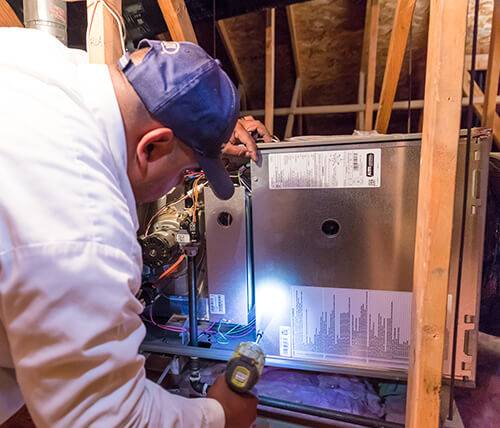
A professional tune-up follows a step-by-step checklist that targets safety and performance. The technician begins with a visual inspection, then moves to testing, cleaning, and adjusting components. They document readings and note worn parts for later repair or replacement.
Tools used may include a combustion analyzer, multimeter, and basic hand tools. The tech will test thermostat function, airflow, and electrical connections. Expect clear explanations of findings and a written summary of the work and any recommended fixes.
Filter inspection and replacement?
Filter inspection is always first because a clogged filter affects airflow and efficiency. The tech checks filter size, type, and condition and replaces or cleans it as needed. They will recommend a replacement schedule based on your home use and pets. (Source: ASHRAE Technical Resources)
Replacing a dirty filter often shows an immediate change in airflow and heat delivery. The technician will also look for signs that a filter is masking other problems, such as heavy dust in the cabinet or soiling on internal parts.
Burner and ignition check process?
For gas or oil furnaces, burners and the ignition system get close attention. The tech cleans burner ports and adjusts the flame for a steady blue burn where applicable. A yellow or flickering flame can mean dirt or a poor air-fuel balance.
Ignition components like hot surface igniters or pilot assemblies are tested for reliable starts. The technician will time the ignition sequence and watch for repeat failures. Often point to worn parts or electrical issues.
How is combustion and venting tested?
Combustion testing uses a small analyzer to read CO, oxygen, and combustion efficiency. These readings show whether fuel burns cleanly and whether the heat exchanger is safe. The tech records numerical results and compares them to safe ranges.
Venting gets a physical check for blockages, corrosion, or animal nests. The technician verifies proper draft and that flue gases flow out of the house. If readings are out of range, immediate repair or shutdown is often recommended.
Blower motor and belt inspection?
The blower moves warm air through the ductwork and affects comfort across rooms. A tech checks motor amperage, bearing noise, and belt condition. They will clean the blower wheel and tighten or replace belts that are worn.
If a blower motor draws too much current, it may be nearing failure. Our furnace blower motor replacement cost guide covers what to expect if a swap is needed. The technician also checks for imbalance and buildup that cause noise and reduced airflow. They advise on simple fixes or part replacement.
Thermostat calibration steps?
Technicians verify the thermostat setpoint against actual air temperature at the supply and return. They recalibrate or recommend replacement for old or inaccurate thermostats. Calibration helps avoid wasted runtime and keeps rooms at the right temperature.
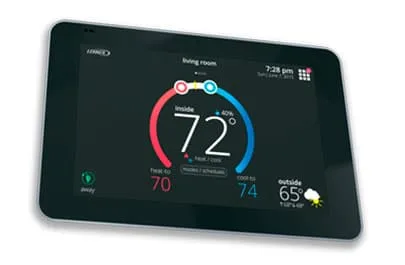
Smart thermostats may need software checks and Wi-Fi reconnection. For tips on choosing the right model, see our smart thermostat energy savings guide. The tech confirms programming and correct sensor placement so the system controls temperature reliably and efficiently.
How much does a furnace check up cost?
Costs vary with furnace type, inspection depth, and local labor rates. A basic seasonal tune-up often costs less than a full combustion-tested visit. Parts and additional repairs add to the total if the tech finds worn items.
Ask for an upfront estimate that shows labor, parts, and diagnostic fees. A clear, itemized invoice and documented readings help you compare offers and protect warranties if you must file a claim.
What's the typical price range?
Basic seasonal tune-ups usually range from $75 to $200 depending on local market and what the tech includes. Full checks that include combustion analysis and detailed inspections often fall between $150 and $325. [Point 1] (Source: ASHRAE Technical Resources)
Older systems or services like duct sealing, coil cleaning, or major repairs increase the price. Emergency, after-hours, or same-day visits often carry premium charges.
Do maintenance plans lower costs?
Maintenance plans spread cost across the year and can reduce per-visit prices. Many plans include priority scheduling, two visits per year, and discounts on repairs. For busy households, plans can be cost-effective and reduce emergency trips.
Read plan terms carefully for length and exact inclusions. Some plans require annual payments and may lock you to one company. Compare the plan savings to your likely pay-as-you-go costs.
Are there hidden fees to expect?
Ask about trip charges, after-hours fees, or diagnostic costs before service begins. Parts and special filters add to the bill. Also confirm if combustion testing is included or billed separately.
A reputable company explains all fees up front and gives a written estimate for any repairs. Getting a clear price avoids surprises and helps you compare local quotes fairly.
See why homeowners trust us — view our industry awards and certifications.
When should I call an HVAC tech?
Call a technician for odd smells, strange noises, or uneven heating that lasts more than a day. If the furnace fails to start, cycles repeatedly, or shows error codes, schedule a service visit. Small issues often signal bigger problems waiting to happen.
Immediate calls are needed for gas odors or carbon monoxide alarm activation. In those cases, leave the home, call emergency services or the gas utility. Then contact an HVAC professional for a safety check.
Should I call for strange smells?
Yes. A musty or burning smell can mean dust burning off or an electrical fault. A gas smell is an emergency and needs evacuation and immediate contact with the gas company and a tech. Never run the furnace if you suspect gas.
Persistent chemical or metallic odors deserve prompt evaluation. Technicians inspect combustion, wiring, and controls to find the source and prevent fire or CO hazards.
When do safety alarms trigger a call?
Any carbon monoxide alarm activation requires immediate action. Smoke detector activation due to the furnace also needs urgent inspection. These alarms point to combustion or heat exchanger issues that can be dangerous.
If alarms stop after the furnace is off, keep it off until a tech clears the cause. Note the alarm times and conditions to help the technician diagnose the issue.
What about frequent cycling or noise?
Short-cycling usually points to airflow problems, a dirty filter, or an oversized unit. Strange noises like banging, whistling, or grinding often mean loose or worn parts. Both symptoms lower efficiency and increase breakdown risk. [Point 2] (Source: ASHRAE Technical Resources)
A good technician diagnoses the root cause and suggests fixes that prevent repeat visits. Fixing the cause saves money and keeps the system reliable.
How to prepare for a service visit?
Clear space around the furnace and create a safe path for the technician. Remove stored items, paint cans, and boxes to provide at least 18 inches of clearance. That helps the tech inspect panels and work safely and quickly.
Gather model and serial numbers, owner's manual, and past service records if available. Note any recent symptoms, unusual noises, or alarm events and share those details when the tech arrives.
How to clear access to the furnace?
Remove clutter and stored items from around the unit before the visit. Give the technician room to open panels and check components safely. Clear access speeds the work and reduces the risk of accidental damage.
Secure or remove pets and make sure the route to the unit is well lit. If the furnace sits in a closet, clear the door area so the tech can bring tools and replacement parts close by.
What documents should you have ready?
Bring the owner's manual, warranty papers, and past service receipts if you keep them. These documents tell the technician about previous repairs and any manufacturer service requirements. Paperwork helps with warranty claims.
If you have a service contract, have plan details ready so the tech can verify coverage and note any waived fees. A clear history shortens diagnostic time and avoids repeated work.
Which DIY checks are safe before a visit?
You can safely change or clean the filter, clear debris around the furnace, and check thermostat batteries. Look for visible rust, soot, or water nearby. Do not open electrical panels or the burner compartment.
These simple steps give the technician a true picture of system behavior and speed up diagnosis. Leave complex checks and repairs to a trained, licensed pro.
Related service: Need furnace service in Las Vegas? Explore our furnace repair and heating maintenance services for Las Vegas homeowners.
Need HVAC service help in Las Vegas?
If you're facing an HVAC emergency in Las Vegas, Henderson, or North Las Vegas, The Cooling Company offers fast, reliable service from licensed technicians. We understand that heating and cooling emergencies don't wait for business hours.
Call us now at (702) 567-0707 for emergency service. Our team is ready to help restore your comfort quickly and safely.
Cost Drivers: What Affects Furnace Check-Up Costs in Las Vegas
Understanding check-up costs helps you budget and prioritize. In Las Vegas, several factors influence what you'll pay:
Our pricing guide breaks down the costs you can expect.
- Service type: Basic tune-ups cost $75-$200, while comprehensive inspections with combustion testing range $150-$325
- System age: Older units (12+ years) may need more extensive service and parts replacements
- Maintenance plans: Annual memberships typically cost $150-$300 but include priority scheduling and discounts
- Repairs found: Minor fixes add $100-$500, while major component replacements can cost $500-$2,000+
- Seasonal timing: Early fall service often costs less than emergency winter repairs
Prevention pays: Regular check-ups typically cost 10-20% of what emergency winter repairs cost, and can prevent premature replacement that runs $3,000-$10,000+.
How to book service today?
Call The Cooling Company at (702) 567-0707 and tell the scheduler your model number and preferred time window. The office will confirm service inclusions and arrival times. Ask for an itemized checklist and combustion readings at the visit end. [Point 3] (Source: ASHRAE Technical Resources)
Booking early secures a spot before heavy demand starts. For urgent or safety issues, request priority dispatch to get a technician the same day.
What to expect in service plans?
Maintenance plans from The Cooling Company include priority scheduling, discounted repairs, and annual inspections. Plans may offer two visits per year, waived diagnostic fees for covered work, and reminders before service is due. Ask for exact plan details when you call.
Members get a maintenance record that helps with warranty claims and resale value. The plans aim to reduce overall costs by catching small issues early and lowering emergency visit frequency.
Key Takeaways
Regular furnace check ups protect safety and lower running costs. Annual service reduces the chance of mid-winter breakdowns and helps keep efficiency near rated AFUE. Gas furnaces need combustion tests and heat exchanger checks to guard against carbon monoxide risks.
Keep filters clean, the area clear, and records of work. Call a technician for strange smells, sudden bill spikes, or persistent noises. Prevention costs far less than an emergency repair or an unexpected replacement.
Quick maintenance checklist
- Replace or clean filter every 1–3 months and note filter size.
- Clear 18 inches of space around the furnace for safety and airflow.
- Test CO detectors monthly and replace batteries at least yearly.
- Note unusual noises, smells, or cycling and record when they occur.
- Schedule an annual professional tune-up before the heating season.
When to call for help
Contact us if you smell gas, hear loud bangs, or see soot or rust near the furnace. Carbon monoxide alarm activation or a sudden large increase in your gas bill needs urgent evaluation. For repeated cycling or weak heat, schedule a service visit quickly.
If unsure, ask the technician to perform a combustion analysis and heat exchanger check. These steps reveal hidden safety risks and confirm whether the furnace is safe to run.
Related reading: what to explore next?
- Furnace Maintenance Checklist: Every Key Step to Cover
- Furnace Cleaning Tips: Avoid a Major Heating Repair Bill
- Heater Not Turning On? Troubleshooting Guide
- Furnace Cost Las Vegas: Save with Local Pricing
Need HVAC Service in Las Vegas?
The Cooling Company provides expert HVAC service throughout Las Vegas, Henderson, and North Las Vegas. Our licensed technicians deliver honest assessments, upfront pricing, and reliable results.
Call (702) 567-0707 or visit furnace repair, heating maintenance, heating, or heating replacement for details.
Share This Page
About The Cooling Company
- Phone: (702) 567-0707
References
- U.S. Department of Energy (Energy.gov) (accessed 2025-12-24)
- U.S. Environmental Protection Agency (EPA) (accessed 2025-12-24)
- ASHRAE (Standards and guidance) (accessed 2025-12-24)
- ENERGY STAR (Heating & cooling) (accessed 2025-12-24)