

Short answer: Expect most Las Vegas furnace repairs to cost between $200 and $800. Diagnostics typically cost $75 to $150 and may be credited if you approve repairs. Labor often runs $80 to $130 per hour. Emergency calls and rare parts can push totals higher quickly. (ASHRAE Technical Resources)
Local essentials and challenges for Las Vegas repair pricing
- Mild winters: Lower run hours mean older systems can hide issues until a cold snap hits.
- Desert dust: Filters clog quickly, leading to high-limit trips and blower strain.
- Garage installs: Easy access can lower labor, but service switches get bumped off.
- Parts lead times: Older models sometimes need special-order parts.
Cost drivers for furnace repairs in Las Vegas
- Diagnostic fee and after-hours surcharges
- Igniters, flame sensors, and control boards
- Blower motors and capacitor replacements
- Airflow issues from duct leaks or return restrictions
- Venting or pressure switch problems on high-efficiency units
Key Takeaways
- Typical single repairs in Las Vegas: $200–$800; common total with service call: $350–$550.
- Use the 40–50% repair vs replacement rule for older furnaces.
- Always get a written diagnostic, CO test after gas work, and proof of license and insurance.
- Call for immediate service for gas smells, CO alarms, visible soot, or loud banging.
What are typical furnace repair costs in Las Vegas?
Most single repairs in Las Vegas fall between $200 and $800. Small items like sensors and igniters sit near $200 to $400. Larger parts, such as control boards or blower motors, push costs over $700 when labor is included.
Several factors change final price. Unit age, model availability, and how easy it is to access the furnace all matter. Emergency calls and after-hour service add premiums that can raise the bill by 25–100 percent.
What is the average repair price range?
A typical single repair runs about $200 to $800 in Las Vegas. Minor fixes like a faulty sensor or a simple igniter often cost $200 to $400. Larger parts and extra labor push prices toward $700 to $1200 when a blower or full assembly is required. (ASHRAE Technical Resources)
How much is a diagnostic fee?
Diagnostics usually cost $75 to $150 locally. Many contractors credit this fee if you approve repairs right away. Confirm whether the diagnostic covers safety checks like CO testing and a combustion inspection before you pay.
Typical blower motor replacement cost?
Blower motor repairs or replacements commonly range from $400 to $1,200. The exact price depends on motor type and whether the whole assembly is needed. Labor adds one to three hours, and older units may need added parts that increase the total.
How much to replace ignition or pilot parts?
Ignition module and pilot assembly work often costs $150 to $450. Electronic igniters and flame sensors sit at the lower end. If the control board or gas valve also needs replacement, expect to pay more for parts and the added labor time.
Average part prices for control board?
Control boards commonly cost $200 to $600 for the part alone. Labor adds another hour or two depending on access. If the board is obsolete, sourcing time and higher markup can increase the price and extend repair time.
How do labor rates affect furnace repair cost las vegas?
Labor in Clark County often runs $80 to $130 per hour. High demand months, like early fall, can push rates higher. Technicians also include travel time and truck stock in their fee. Always ask for the hourly rate and estimated hours before work starts.
Are emergency call fees extra?
Yes, after-hours or weekend visits typically add 25–100 percent to the bill. Nights and holidays carry the highest premiums. If a furnace presents a safety risk, get service quickly despite the cost. Ask for a clear line-item that shows the emergency surcharge.
How does system age affect cost?
Older furnaces often cost more to repair due to scarce parts and repeated failures. A 15–20 year old unit may need big jobs like a heat exchanger or full blower replacement. Use the unit age plus repair history to guide repair versus replacement decisions.
Why hire a licensed pro?
Gas furnaces involve combustion, venting, and wiring that can be dangerous. Licensed pros follow code, perform CO tests, and pull permits when needed. They also carry insurance and offer warranties that protect you if a repair fails or causes other damage.
How do technicians price furnace repairs?
Technicians base a quote on safety risk, parts needed, and expected labor time. They should start with a diagnostic and then give a written, line-item estimate. Clear notes on parts and labor help you compare bids without guesswork. See ASHRAE Technical Resources for general HVAC guidance.
A written estimate also helps with warranty work and with future resale. Ask if warranties cover parts only or parts plus labor. Confirm expected completion time and any return visit charges.
What factors determine a quote?
Part cost, labor hours, unit access, and emergency timing shape a quote. Technicians will note age and model details that affect parts availability. If a heat exchanger shows problems, that item can dramatically change the price and the safety response.
How are parts versus labor separated?
A good estimate lists part costs and labor hours separately. Parts often carry a markup but should be shown. Labor may be hourly or a flat fee. Request a line-item invoice to compare bids and spot hidden fees.
Do warranties affect pricing?
Factory or contractor warranties can cut your out-of-pocket cost for covered failures. Warranty work may require specific dealers or OEM parts. Always confirm coverage before approving repairs that could void a warranty.
For a detailed cost breakdown, see our HVAC pricing guide.
How long does a repair visit take?
Most single-part repairs take one to three hours from arrival to test. Complex diagnostics or parts orders can stretch the job over days. Expect the technician to run safety checks and a full system test before leaving.
Can estimates be fixed over phone?
Phone quotes can give a useful range but are rarely fixed. Technicians need on-site access and diagnostics to confirm the real issue. Treat phone prices as ballpark figures until you receive a written, itemized estimate.
When should I replace instead of repair?
Replace when safety is at risk, repair costs approach half the price of a new system, or the unit is old and inefficient. In Las Vegas, low heating hours slow payback on efficiency upgrades, so weigh repair costs against expected life.
Recurring failures and high parts costs often tip the scale toward replacement. Use the 40–50 percent rule alongside age and recent repair history to decide. Also factor in rebates, tax incentives, and how long you plan to stay in the home.
Learn about available federal tax credits for energy-efficient HVAC equipment.
Is age the main replacement factor?
Age is a strong signal. Furnaces older than 15 years often show higher repair frequency. Heat exchangers and other major parts may fail with age. Look at the unit age, service history, and recent repair sizes when choosing replacement.
What is the 50 percent rule?
The 40–50 percent rule says consider replacement if a repair costs more than 40 to 50 percent of a new unit. For example, a $2,200 repair versus a $4,200 replacement usually favors replacement due to long-term value and improved efficiency.
How do recurring repairs influence choice?
Two or more major repairs in a year often mean hidden wear and future failures. Frequent service calls add cost and stress. If repairs keep recurring, replacement usually becomes the more reliable and cost-effective option. Our furnace replacement cost guide breaks down what a new system typically costs in the Las Vegas area.
When is efficiency loss a deal breaker?
In Las Vegas, modest heating loads slow the payback on higher-AFUE units. Replace for efficiency when the unit is old, repair costs are high. You plan to stay in your home ten years or more. New units often save $100 to $300 per year.
How to compare repair cost to replacement?
Get three replacement quotes and a detailed repair quote for apples-to-apples comparison. Compare installed price, projected annual savings, and expected life. Include rebates, tax credits, and financing costs in your math before deciding.
Does furnace repair cost las vegas change replacement math?
Local labor and parts prices shift the break-even point for replacement. Las Vegas lower heating hours mean smaller annual savings from efficiency upgrades. Adjust payback calculations for local heating hours and expected use to make a real decision.
What financing or rebates affect replacement?
NV Energy rebates, manufacturer deals, and contractor financing can lower upfront costs. These offers often apply to full replacement and not to small repairs. Check utility and manufacturer programs before you decide to replace.
When is indoor air quality a replacement reason?
If the system cannot move air, filter properly, or if mold issues exist, replacement can improve indoor air. Upgrading to better filtration or a newer blower may fix IAQ problems. Weigh IAQ gains against replacement costs and needed duct repairs.
How to estimate long term operating cost?
Multiply expected annual gas and electric use by the appliance efficiency and hours. Newer units with higher AFUE save energy yearly. In Las Vegas, savings often range from $100 to $300 annually, depending on usage and fuel costs.
How to get accurate local quotes?
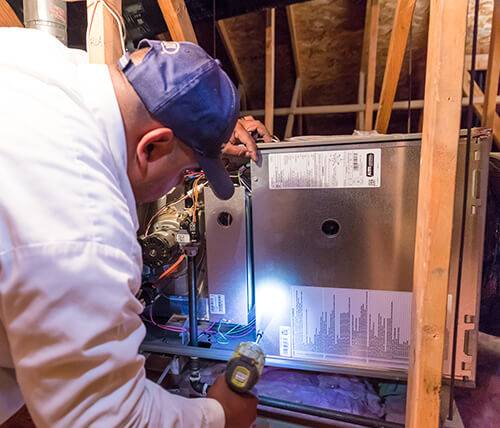
Accurate quotes require on-site diagnostics, photos, and full model information. Technicians should inspect venting, combustion, and ductwork. Ask for a line-item bid and written guarantees to avoid surprises and to compare offers.
Prepare for the appointment by clearing access to the furnace and noting recent repair history. Have the furnace nameplate, model, and serial number ready. That speeds diagnostics and helps the tech source the right parts quickly.
What to prepare before the appointment?
Write down symptoms, times when the problem occurs, and any error codes shown. Clear the area around the unit and change the filter if it is dirty. Also note CO alarm events or gas smells so the tech can prioritize safety checks. If you want to run through basic diagnostics before the visit, our furnace troubleshooting guide covers safe homeowner-level steps.
How to compare multiple furnace repair cost las vegas quotes?
Always get at least two written quotes and preferably three. Look for itemized parts, labor hours, and warranty terms. A much lower price can mean lower quality parts or a short warranty. Compare the details, not just the bottom line.
Which documents and photos help estimates?
Photos of the furnace nameplate, the burner area, wiring, and any visible damage speed up accurate quotes. Keep past service records and invoices handy. These documents show repair history and help techs estimate future needs more reliably.
How to save on furnace repair costs?
Small preventive steps save money over time. Change filters regularly, keep vents clear, and schedule an annual pre-winter tune-up. These steps reduce emergency calls and keep efficiency close to the unit rating.
Consider a service plan if you have an older unit or if you want regular tune-ups. Plans often include discounts on parts and labor and can pay for themselves by avoiding bigger failures. Compare plan terms carefully.
Decision guide: repair or replace?
Repair is usually best if:
- The unit is under 10 years old and the repair is minor
- Repairs are under 40-50% of replacement cost
- Airflow and ductwork are in good condition
Replacement is usually better if:
- The furnace is 15+ years old with repeated failures
- Major parts like heat exchangers are failing
- Comfort and safety issues persist despite repairs
Prevention checklist for lower repair costs
- Replace filters every 1-3 months in heating season
- Clear supply and return vents of rugs and furniture
- Schedule a fall tune-up before temperatures drop
- Test CO detectors monthly and replace batteries yearly
- Track unusual noises or odors and act early
Can preventive maintenance cut long term costs?
Yes. Regular maintenance reduces emergency repairs and extends system life. Scheduled tune-ups typically catch small issues like dirty burners or worn belts. Our furnace maintenance checklist walks through the key steps homeowners and technicians should cover. Over several years, proper care can reduce repair frequency and save money on utility bills.
Try our energy savings calculator to see how much you could save.
Do service plans reduce furnace repair cost las vegas?
Service plans often include annual tune-ups and priority scheduling. They also commonly offer parts and labor discounts. For older systems or busy households, a plan can save money and reduce the chance of out-of-season failures.
Ready to get a local repair estimate in Las Vegas?
Ask for a written diagnostic that separates parts and labor and that lists warranty terms. Request CO test results for any gas work and proof of license and insurance before work starts. Clear communication prevents surprise charges.
If you are in Las Vegas, Henderson, or North Las Vegas call The Cooling Company at (702) 567-0707. We offer written diagnostics, CO testing after gas repairs, licensed technicians, and clear line-item estimates. We serve those three cities and respond to safety calls fast.
How to request a transparent quote?
Ask the contractor to credit the diagnostic fee if you approve repairs. Request a parts list with OEM or aftermarket notes and the labor hours estimate. Also ask how long parts take to arrive and whether any permit work is needed.
Where to find furnace repair cost las vegas specialists?
Call The Cooling Company at (702) 567-0707 for Las Vegas, Henderson, and North Las Vegas service. We provide written diagnostics, CO testing, and licensed repairs with clear warranty terms. If you live outside our area, ask for NATE-certified technicians and a written parts and labor invoice before work starts.
Need Heating Service in Las Vegas?
The Cooling Company provides expert heating service throughout Las Vegas, Henderson, and North Las Vegas. Our licensed technicians deliver honest assessments, upfront pricing, and reliable results.
Call (702) 567-0707 or visit heating, furnace repair, heat pump installation, or heating maintenance for details.
Share This Page
Related reading: what to explore next?
Neighborhoods we serve for furnace repair
- Downtown Las Vegas, Rancho, and Arts District
- Spring Valley, Paradise, and Winchester
- Henderson, Green Valley, and Whitney Ranch
- North Las Vegas, Aliante, and Centennial Hills
- Summerlin, Queensridge, and The Lakes
Why homeowners trust The Cooling Company
- Serving Las Vegas since 2011 with 55+ years combined experience
- Licensed, EPA-certified technicians and safety-first repairs
- BBB A+ rated with a 100% satisfaction guarantee
- Lennox Premier Dealer with local parts support