
Short answer: Learn HVAC maintenance tips for a heater not turning on with quick, safe checks you can do to often restore heat and act confidently.
Key Takeaways
- Use a room-by-room Manual J load calculation (not a square-foot rule).
- Select equipment with Manual S and verify ducts with Manual D for comfort and efficiency.
- Avoid oversizing: short-cycling wastes fuel and can create uneven temperatures.
If your heater is not turning on, start with safe, simple checks you can do yourself. Confirm the thermostat mode and setpoint. Check batteries, circuit breakers, air filters, and vents. Walk to the equipment and scan for obvious signs like tripped switches, control board lights, or blocked outdoor units. Note any unusual smells, like gas or burning, and listen for.
Immediate triage: what should you check first?
Start in the thermostat room. Confirm the thermostat mode, raise the setpoint by at least five degrees, and wait a minute for the system to respond. If the thermostat display is blank, replace batteries or check for a power problem. For smart thermostats, verify the device is not updating or rebooting. If the thermostat appears powered but the system does not start, the issue may be at the furnace, boiler, or outdoor unit.
After checking the thermostat, walk to the HVAC equipment. Scan for tripped breakers, a furnace switch set to Off, blown fuses, or visible blockages at the outdoor unit. Note any control board LEDs or error codes and take a photo. Listen and smell closely for clues: a faint gas odor, a metallic burning smell, or repeated short attempts to start. Those signs change how you proceed and whether you need to evacuate or call emergency services.
Quick safe checks to try first?
Check thermostat batteries and status lights. Replace batteries with fresh cells even if the display looks OK. For hardwired thermostats, look for a loose or damaged wire but turn power off at the breaker before opening the thermostat to inspect wiring. Replace a dirty filter and make sure supply registers are open and clear. A clogged filter or closed vent often causes airflow problems and may shut the system down on safety controls.
If you have a smart thermostat showing network errors or blank screens, try a power cycle: turn off the furnace switch, flip the breaker off and on, then wait a minute and restore power. This can clear minor control errors. Do not attempt repairs on gas valves or main electrical components; stop and call a professional if your safe checks do not restore operation.
Are circuit breakers and switches on?
Reset breakers carefully. A controlled reset involves switching the relevant breaker fully off, waiting several seconds, then switching it fully on. Check subpanels and any fused disconnects at the outdoor unit. If a breaker trips again immediately, do not continue to reset it. Constant tripping usually means shorts or motor overloads. A professional should measure current draw and inspect wiring and components.
Check for a unit-specific safety switch near the furnace or boiler. Many systems include a switch that looks like a light switch labeled "Furnace" or "Heater." Confirm it is in the On position. Some switches also serve as service disconnects and can be accidentally turned off during maintenance.
Did you smell gas or see sparks?
Repeat for emphasis: gas odors or sparks are emergencies. Evacuate and call emergency responders or your gas utility from a safe location. Avoid any action that could produce a spark. If you are not sure whether the smell is gas, treat it as potentially dangerous and get the property cleared until a qualified technician or utility worker confirms safety.
If you discover a minor fuel leak on an appliance that you can safely isolate with a local shutoff valve, do so only if you are trained. Otherwise, do not tamper with gas valves or piping. A licensed technician will test pressures and check valves and controls with approved tools.
What common causes explain a no heat event?
No-heat events often come from simple user errors or basic power loss. Common causes include thermostat misconfiguration, dead batteries, tripped circuit breakers, and clogged filters. Other frequent causes are ignition failure on gas furnaces, failed ignitors or pilots, control board faults, and failed blower motors. The equipment type narrows the most likely causes: gas furnaces typically fail at ignition or gas flow; heat pumps may have defrost or compressor issues; boilers often show low water pressure or leaks.
Diagnosing the likely cause starts with knowing the equipment type and recent changes. For example, a recent power outage or lightning strike can cause control boards to lockout. A cold snap can reveal refrigerant or defrost faults on heat pumps. Conversely, age and deferred maintenance tend to show as repeated failures and inefficiency in older systems. Document symptoms and recent events to streamline diagnosis and repair. For a deeper explore cold-air complaints, see our heater blowing cold air guide.
Could a faulty thermostat cause no heat?
Yes. The thermostat is the command center. Wrong mode, weak batteries, or a failed relay inside the thermostat can prevent a heat call. Smart thermostats can lose settings if they reset during a firmware update or lose Wi‑Fi. If the thermostat display is on but the system does not respond, raise the setpoint and listen at the equipment. If the system still does not start, the thermostat may not be sending the 24‑volt signal due to wiring or internal failure.
A simple test is to remove the thermostat cover and use a multimeter or a small jumper to send a call for heat at the control terminals. Turn power off before touching wires. If you prefer not to test wiring, swap in a known working thermostat to confirm a thermostat fault. For multi‑stage or communicating systems, confirm compatibility before swapping.
Can a tripped breaker or blown fuse stop heating?
Absolutely. The heater, blower motor, and control board need power. A tripped breaker or blown fuse stops all operation. Check the main panel and any subpanels. Some units use internal fuses or fusible links that must be inspected at the service panel on the unit. Do not replace blown fuses with higher-rated ones; that can hide a real electrical fault and increase fire risk.
If breakers trip repeatedly after reset, call an electrician or HVAC technician. They will test motors, capacitors, and wiring for shorts, high current draw, or failing components that cause overloads. Repeated resets without diagnosing the cause are unsafe.
Might a clogged filter or closed vent reduce heat?
Yes. Restricted airflow reduces heat delivery and may trip high‑limit safety switches that shut off the burners or elements. A dirty filter increases temperature on the heat exchanger and reduces system efficiency. Replace filters regularly and check that supply registers and return grilles are not blocked by furniture or curtains.
If some rooms remain cold despite open vents, duct leaks or improper balancing may be the cause. A technician can test static pressure and seal ducts or adjust dampers. Zoned systems with dampers sometimes fail due to actuator problems that a pro can diagnose and repair.
Is ignition or pilot failure common on furnaces?
Ignition issues are a common reason gas furnaces don't start. Older units with standing pilots can have pilot flames blow out. Modern furnaces use electronic ignition systems that include hot surface ignitors or intermittent pilots. These components wear out and fail over time, often showing as repeated start attempts followed by a lockout. Our heater not working guide covers five fast fixes to try before calling a technician.
Do not attempt complex ignition repairs on gas equipment yourself. You can check that the gas valve is on and listen for the sequence of inducer motor, ignitor, and flame. If you suspect ignition failure, call a licensed technician. They will test gas pressure, ignition timing, and replace failed parts safely.
Do heat pumps lose heat due to defrost or compressor issues?
Heat pumps extract heat from the outdoor air and are vulnerable to frost buildup on the outdoor coil in cold conditions. Normal defrost cycles prevent heavy ice buildup. If the defrost control fails, the system can become glazed with ice and lose heating capacity. Low refrigerant or a failed outdoor fan can also reduce heat transfer and cause poor heating.
If you find thick ice on the outdoor coil or the fan does not spin when it should, set the system to Off to prevent damage and call a technician. Refrigerant work and compressor service require licensed technicians with correct gauges and refrigerant certification.
How to safely troubleshoot by system type?
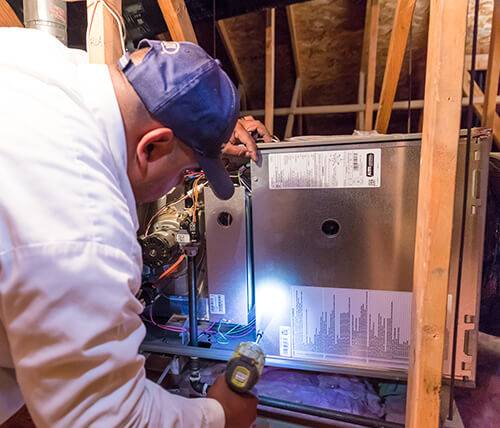
Different heating systems require different safe inspection steps. Furnaces need filter, power, and ignition checks. Boilers need pressure, pilot, and leak checks. Heat pumps require outdoor unit inspection for ice, debris, and fan operation. Electric baseboard heaters and space heaters require breaker, switch, and cord checks. For all systems, limit actions to visual checks, safe resets, and simple swaps like filters or thermostat batteries.
Never open gas or high-voltage panels beyond a cover you are instructed to check. If a safe check does not restore heat, call a trained technician. Professionals have meters, gauges, and training to test gas pressure, electrical continuity, and refrigerant charge safely and to perform repairs under code with permits if needed.
For furnaces, what quick checks help?
Confirm the furnace wall switch is On and the access door is fully closed; many furnaces will not run if the access panel is open. Listen for the induced draft motor, the ignitor glow, and the main burner lighting. Note the timing and any unusual noises. Look for flashing error codes on the control board and take a photo of the sequence.
A photo of an LED flash pattern helps the technician identify the failed component quickly. Common results include failed pressure switches, limit switches, flame sensors, or blocked vents. Record the sequence of events and any resets you performed before the tech arrives.
For boilers, how do you check pilot and pressure?
Check the pressure gauge when the system is cold; most residential hydronic systems need 12–20 psi when cold. Low pressure can prevent the burner from firing. For standing pilot boilers, confirm the pilot flame is steady and blue. For electronic ignition systems, note any lockouts or error lights and take photos for the technician.
Bleed radiators that have cold tops and warm bottoms. Air in the system impairs heat transfer and can mimic a no-heat condition. If leaks or low pressure persist after topping off, shut the boiler down and call a professional. Boiler water chemistry and pressure controls require training and can be hazardous if handled incorrectly.
For heat pumps, when is the outdoor unit the issue?
Inspect the outdoor unit for snow, ice, leaves, or other debris. Light snow can be brushed off with a broom. Check that the outdoor fan runs during a heating call. If the unit hums but the fan never spins, stop testing and call a technician to avoid motor damage. Thick ice or a frozen coil requires professional assessment; persistent icing often indicates a refrigerant leak or failed defrost control.
A technician will check refrigerant charge, defrost cycles, and reversing valve operation. Refrigerant handling requires certified technicians due to environmental and safety rules.
See why homeowners trust us — view our why homeowners trust us.
What steps help with electric baseboards and space heaters?
Confirm the breaker and any in-room switches are on and that the unit is plugged correctly into a dedicated outlet where needed. Replace frayed cords and do not use extension cords for high-current heaters. Follow the manufacturer's manual for tip-over and overheat cutoff testing.
If the heater has power but no heat, the heating element or internal thermostat may have failed. These repairs involve live electrical work and should be performed by a licensed electrician. Do not open internal panels on high-voltage units while they are powered.
How to inspect gas supply and valve safely?
Check whether other gas appliances work. If all gas appliances are out, the issue may be a service interruption or meter problem. For a single appliance, confirm the local appliance shutoff valve is open. Never force a stuck valve or attempt gas piping repairs yourself.
If you smell gas near the appliance or meter, evacuate and call the gas company. Licensed technicians test pressures, inspect valves, and use approved leak-detection methods. Gas line work typically requires permits and licensed contractors.
When should you reset the breaker or switch?
A controlled reset can clear minor control errors after a power event. Turn off the furnace switch, flip the breaker fully off, wait ten seconds, then switch it fully on and restore the furnace switch. Watch startup for unusual noises, delays, or repeated lockouts. If the breaker trips again immediately, stop and call a professional.
If both the heater and air conditioner are out, check the main breaker and outdoor disconnects. Do not repeatedly reset breakers; repeated trips indicate an unsafe fault. A technician will test for motor failures, shorted capacitors, or wiring defects that cause tripping.
When should you call a professional?
Call a pro when safety is at risk or when simple checks do not restore heat. Gas smells, smoke, sparks, or carbon monoxide alarms require immediate emergency action. Also call when breakers trip repeatedly, when the system locks out after multiple attempts, or when strange noises persist. If your house heater not turning on persists after basic checks, schedule service.
For non‑emergencies such as a failed ignitor, low refrigerant on a heat pump, or a broken blower motor, schedule service soon. A trained technician will run proper tests and provide itemized estimates. Timely service prevents small problems from becoming expensive and unsafe failures. If you are in the Las Vegas area, call The Cooling Company at (702) 567-0707 for service; we offer heating repair service las vegas. We serve Las Vegas, Henderson, and North Las Vegas.
Check our heating repair cost guide for current cost estimates.
What safety risks require immediate service?
Any smell of natural gas or rotten eggs requires evacuation and immediate contact with the gas utility from a safe distance. Carbon monoxide alarm events need evacuation and emergency response. Do not try fixes yourself when these alarms sound. Visible sparks, smoke, or overheating metal near the unit are immediate hazards that require professional attention.
If you notice any of these signs, turn off the main power only if you can do so safely and then get everyone out of the building. Otherwise, stay clear and call emergency services. Professionals can secure the scene and perform required diagnostics safely.
How much might repairs typically cost?
Small repairs like thermostat swaps, filters, and batteries often cost $50–$300 with parts and labor. Mid‑range fixes such as ignitors, capacitors, and blower motors commonly fall in the $300–$1,200 range. Major items like compressors or control boards often exceed $1,500. Costs vary by local labor rates, emergency fees, and part availability.
Ask for a written estimate and a parts warranty. Getting two estimates can help verify fairness. In winter months, expect longer wait times and possibly higher fees. For safety and transparency, choose a contractor that provides an itemized invoice and warranty information.
Will winter timing affect response time?
Yes. Contractors are busiest during cold snaps and may have longer lead times. Scheduling maintenance in shoulder seasons reduces emergency call risk. If you face a no‑heat emergency during extreme cold, prepare an alternate plan like staying with friends or at a community warming center.
Some companies prioritize gas leaks, carbon monoxide events, and households with young children or elderly residents. Ask a provider about priority service or maintenance contracts that include faster emergency response.
How to decide repair versus replacement?
Decide based on system age, repair cost, energy savings, and your long-term plans for the home. Repairs make sense for newer systems with isolated failures. For systems older than 15 years or with repeated failures, replacement often gives better value. Consider energy savings from new high‑efficiency equipment and potential rebates when making a decision.
Learn about available rebates and promotions for energy-efficient HVAC equipment.
Compare repair cost to the value of a new system. A common guideline is if repair exceeds 50% of a replacement, replacement is often the better choice. This is not absolute; factor in how long the repaired part is likely to last and whether you plan to keep the home long term.
How old is your system and why does age matter?
Older systems have parts that wear and fail more frequently. Components such as heat exchangers, compressors, and motors have limited life spans. Units older than 15 years often lack modern efficiency and diagnostic features, and replacement parts may be harder to find and more costly.
Service history also matters. Frequent prior repairs suggest more failures ahead. If a major component fails on an older system, replacement is usually more cost effective than repeated part swaps.
Does repair cost exceed 50% of replacement?
Use the 50% rule as a guideline, not a law. If the repair is a small item with a long expected life after repair, it may make sense even if it approaches half the replacement cost. If the repair is a major component that leaves other aging parts vulnerable, replacement can be more economical over time.
Ask for itemized quotes for both repair and replacement, including warranties and expected energy savings. This helps you make a financial decision with full information.
Are rebates or tax credits available?
In some regions, utilities and governments offer rebates for high‑efficiency furnaces and heat pumps. Federal or state tax credits may apply for qualifying equipment. Check current programs before you purchase to capture savings. Ask your contractor to confirm available rebates and to help with paperwork.
Incentive programs change over time. A local installer usually knows current programs and can advise on eligibility and documentation required to claim rebates.
Should you upgrade to a smart thermostat?
Smart thermostats can save energy and improve comfort. They offer scheduling, remote control, and learning features. If your wiring supports it, a smart thermostat is a relatively low‑cost upgrade that may pay back through reduced run time. Confirm compatibility; some systems need a common wire or adapter. A professional can install and configure the thermostat for multi‑stage systems or zone controls.
Can preventive maintenance extend the life of the system?
Yes. Annual maintenance catches small issues before they become major failures. Technicians clean burners, test safety switches, tighten electrical connections, and lubricate motors. Regular service improves efficiency and reduces emergency calls. A maintenance plan often includes priority service and discounts.
Keep a service log. A record of maintenance helps technicians see patterns and estimate the system's remaining life. Good upkeep can add years to your system and lower long-term costs.
What signs mean replacement is imminent?
Signs include frequent repairs, rising energy bills, uneven comfort, loud or unusual noises, visible corrosion, water leaks, and safety lockouts. A cracked heat exchanger or other severe damage often requires urgent replacement for safety reasons. If your system needs recurring expensive repairs, plan replacement before a cold season.
Get replacement quotes in the off‑season to reduce installation wait times and possibly secure better pricing.
Need HVAC service help in Las Vegas?
If you're facing an HVAC emergency in Las Vegas, Henderson, or North Las Vegas, The Cooling Company offers fast, reliable service from licensed technicians. We understand that heating and cooling emergencies don't wait for business hours.
Call us now at (702) 567-0707 for emergency service. Our team is ready to help restore your comfort quickly and safely.
What happens during a professional inspection?
The technician will review the symptoms and your service history, then perform a guided startup observation. They will check thermostat function, breakers, filters, and startup behavior. For gas systems, combustion testing and leak checks are common. For heat pumps, they will inspect defrost cycles and measure refrigerant pressures.
After diagnosis, the tech will explain the failed component, repair steps, and cost options. Expect an itemized estimate and a projected timeline for repair. Ask about warranties and whether maintenance plans are available to prevent future emergencies.
How to find a qualified HVAC technician?
Look for licensed, insured contractors with NATE certification or equivalent credentials. Read local reviews and ask for references. Request a written estimate and ask about parts warranties and service guarantees. A reputable company explains options and provides clear pricing without high‑pressure sales.
Las Vegas homeowners can call The Cooling Company at (702) 567-0707 for fast diagnostics, repairs, and installs. Outside our service area, ask any contractor for NATE certification, references, and proof of insurance before hiring.
Final checks and simple tools to keep on hand
Keep fresh thermostat batteries, one spare air filter sized for your return, and a flashlight near the breaker panel. A small notebook or your phone to photograph error codes or label tags helps speed service. Keep a broom to clear light snow from outdoor units in winter.
For advanced DIYers, a basic multimeter and a short jumper wire can help test for 24V at the thermostat terminals. Never work on live gas piping or high‑voltage components. For most homeowners, visual checks and safe resets are the correct first steps. Call a pro for electrical, gas, or refrigerant work.
Summary and next steps
Try simple checks first: thermostat mode and batteries, breakers and switches, filter and vents, and outdoor clearances. Replace parts you can change safely and record any codes, lights, or smells before calling. If you encounter gas odors, smoke, or sparks, evacuate and call emergency services immediately.
If basic checks do not restore heat, call a qualified technician. If you are in Las Vegas, Henderson, or North Las Vegas, contact The Cooling Company at (702) 567-0707 for prompt, licensed service. If outside our area, look for NATE‑certified technicians, proof of insurance, and written estimates. Good planning and regular maintenance reduce emergency calls and keep your home safe and warm.
Sources: ASHRAE Technical Resources, Heater troubleshooting guides at The Cooling Company and related resources.
About The Cooling Company
The Cooling Company has been serving the Las Vegas valley with professional HVAC services for over a decade. Our team of licensed, NATE-certified technicians specializes in air conditioning repair, heating system maintenance, and complete HVAC installations. We're committed to providing honest, reliable service with upfront pricing and a 100% satisfaction guarantee on all work performed.
- Phone: (702) 567-0707
- Reviews: 4.8/5 stars (780+ reviews) - See reviews
Service Areas
We proudly serve homeowners and businesses throughout the Las Vegas metropolitan area, including Las Vegas, Henderson, and North Las Vegas. Our service technicians are available for same-day appointments in most areas, with emergency service available 24/7 for urgent HVAC issues.
References
- U.S. Department of Energy (Energy.gov) (accessed 2026-01-03)
- U.S. Environmental Protection Agency (EPA) (accessed 2026-01-03)
- ASHRAE (Standards and guidance) (accessed 2026-01-03)
- ENERGY STAR (Heating & cooling) (accessed 2026-01-03)
Need Heating Service in Las Vegas?
The Cooling Company provides expert heating service throughout Las Vegas, Henderson, and North Las Vegas. Our licensed technicians deliver honest assessments, upfront pricing, and reliable results.
Call (702) 567-0707 or visit heating, heating repair, furnace repair, or installation for details.