

Heating Element
A heating element converts electrical energy into heat through electrical resistance. It is used in electric water heaters, furnaces, dryers, and appliances to generate controlled heat. Material choices like nichrome or ceramic affect durability, efficiency, and temperature range.
💡 Key Takeaways
- ✓A heating element converts electrical energy into heat through electrical resistance. It is used in electric water heaters, furnaces, dryers, and appliances to generate controlled heat. Material choices like nichrome or ceramic affect durability, efficiency, and temperature range.
- ✓Mineral buildup can insulate elements and slow heating.
- ✓Failed elements can cause lukewarm water or no heat.
- ✓Proper thermostats and safety cutoffs prevent overheating.
Heating Element
/ˈhiːtɪŋ ˈɛlɪmənt/
Definition
A heating element converts electrical energy into heat through electrical resistance. It is used in electric water heaters, furnaces, dryers, and appliances to generate controlled heat. Material choices like nichrome or ceramic affect durability, efficiency, and temperature range.
What does a heating element do?
It converts electrical energy into heat to warm water or air in appliances and HVAC systems.
Source: The Cooling Company

Quick Facts
How Heating Element Works
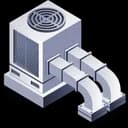
Heating elements use electrical resistance to create heat.
Real-World Application
In an electric water heater, the heating element warms the tank water to the thermostat setpoint for daily hot water use.
Pro Tip
In hard‑water areas, descaling water heater elements helps maintain efficiency and extend lifespan.
“In hard‑water areas, descaling water heater elements helps maintain efficiency and extend lifespan.”
Important Things to Keep in Mind
- Mineral buildup can insulate elements and slow heating.
- Failed elements can cause lukewarm water or no heat.
- Proper thermostats and safety cutoffs prevent overheating.
Did You Know?
Even a small layer of scale can significantly reduce heating element efficiency.
FAQ
How do I know if a heating element has failed?
Signs include no hot water, slow recovery, or tripped breakers.
Can heating elements be replaced?
Yes. A technician can test and replace failed elements safely.
Does hard water shorten element life?
Yes. Scale buildup can overheat and damage elements over time.
Related Services
Need help with heating element? Our licensed technicians in Las Vegas are ready to assist.
Share This Page
Why Homeowners Trust Us
Improve Your Appliance Efficiency with Professional Heating Element Services
Get a Free Estimate
Fill out the form below. Our goal is to reach you within minutes.