

Short answer: Get Heating Repair Las Vegas same-day repair guide showing local costs, safety checks, and contractor questions so you can hire a trusted team today.
If your heater stops, act fast. This guide explains how same-day repairs work in Las Vegas. It covers typical costs, safety checks, and common emergency fixes. You will learn which readings matter, what to ask a contractor, and when replacement is the best option. Use this information to hire a trusted Las Vegas HVAC team today. For more background on heating systems, visit our heating services page.
See why homeowners trust us — view our .
Key Takeaways
- Expect diagnostic fees of $75–$150 and emergency premiums of $75–$250.
- Ask for measured readings like CO, delta-T, and static pressure.
- Consider replacement when repair costs reach 40–50% of a new unit.
How do same day heating repairs work?
A same-day service begins at dispatch. When you call, the dispatcher records symptoms, the system type, model age, and any alarms. That initial intake helps the technician bring common parts and proper tools. The tech also gets an ETA window so you can plan. Timely, accurate information improves the odds of a same-day fix.
On arrival, the technician follows a checklist. They perform safety and measured diagnostics first. These checks may include combustion testing, CO measurement, static pressure readings, and electrical checks like motor amps. The tech explains the findings and shows recorded readings. You should get a written estimate with parts, labor, and expected completion time. Small items often get fixed immediately; large repairs or replacements are scheduled.
Same-day service emphasizes safety and documentation. If a safety hazard appears, the tech stops work, explains the risk, and provides a clear safety repair plan. If the needed part is not on the truck, the company gives an honest timeline. Companies that offer same-day repairs generally stock common items such as ignitors, capacitors, and thermostats to speed outcomes.
What causes no-heat emergencies?
No-heat calls commonly start from simple faults. Thermostats fail, filters clog, and breakers trip. Gas furnaces often show ignition or flame-sensor issues. Heat pumps may lose heating when the reversing valve or refrigerant charge is wrong. Technicians always check safety items first to rule out hazards. That process narrows down the likely causes and prevents risking unsafe repairs.
Many no-heat situations are easy to fix on the spot. A dirty filter or a resettable limit switch can return heat quickly. If the problem is a failed combustion device or a refrigerant leak, the repair may require parts or a sealed-system job. Clear, measured diagnostics reduce guesswork and stop unnecessary part swaps.
How long does a typical repair take?
Simple repairs finish in about 30–90 minutes when the part is on the truck. Common stock parts include capacitors, ignitors, thermostats, flame sensors, and some blower components. These repairs require diagnostic checks, parts replacement, and a short test run.
Complex work can take longer. Compressor swaps, heat-exchanger replacements, or major control-board repairs can require parts orders, permits, and multi-day scheduling. The technician should give you an estimated completion window and list any parts lead times before starting work. That keeps expectations clear and avoids surprises.
What will a heating diagnostic include?
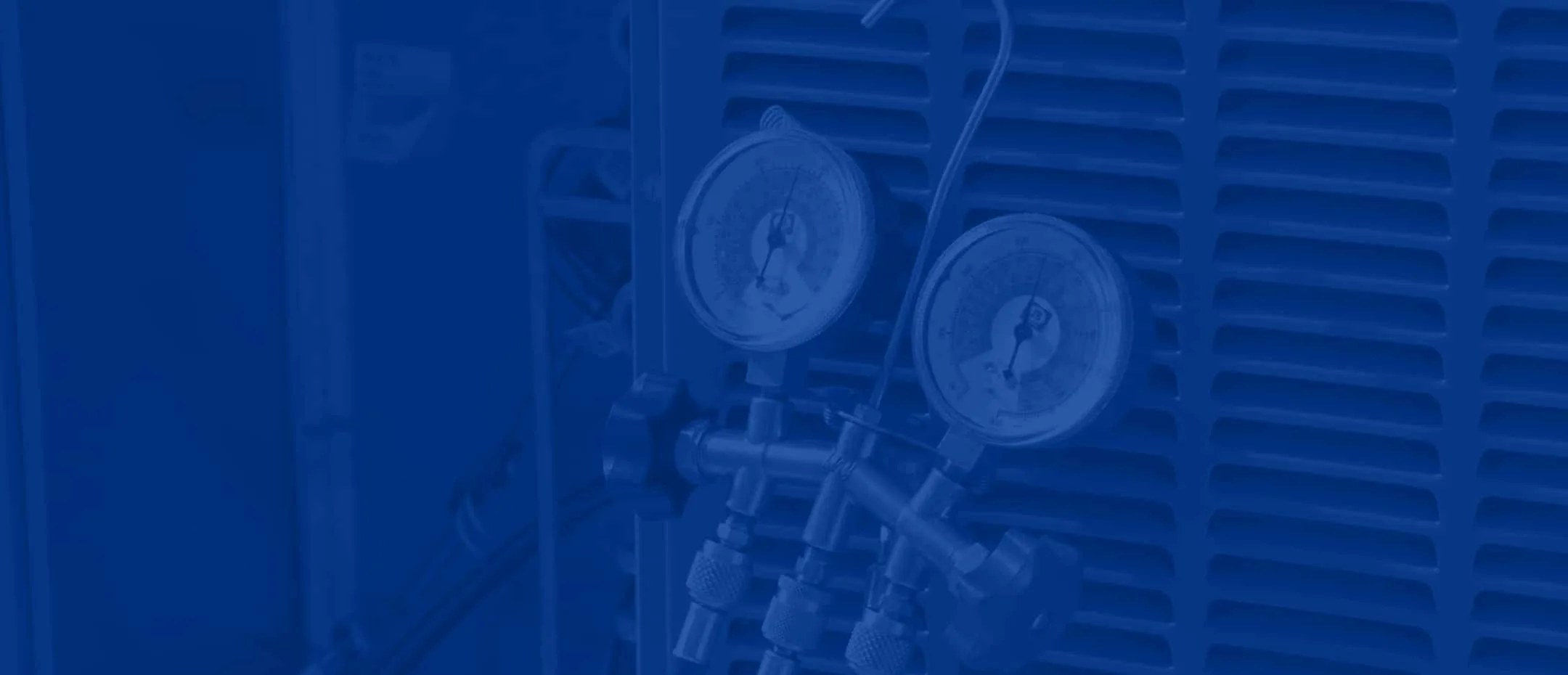
A full diagnostic is methodical and recorded. The tech inspects air filters, burners, heat exchangers, combustion vents, and flues on gas systems. For heat pumps and air-source systems, they measure refrigerant pressures, superheat, and subcooling. They log blower motor amps and static pressure in the duct system. Technicians also check thermostat settings, safety switches, and control voltages.
Diagnostics usually take 30–60 minutes for most single-system homes. The goal is to show measured evidence of the fault. The recorded numbers form the basis for a written repair quote. A reliable report helps you compare bids and proves work was needed. If the contractor skips measurements, ask why and insist on recorded values before approving larger repairs.
How is combustion and CO checked?
Technicians use calibrated combustion analyzers and CO meters to measure products of combustion. The device reads CO, CO2, O2, and draft. It also analyzes flame pattern and burner conditions. These measured values tell the tech whether combustion is safe and whether the heat exchanger is intact.
If readings exceed safe limits, the tech shuts the unit down and lists the required safety repairs. Do not accept a rushed visual check in place of measured values. A recorded combustion test protects you and provides documentation for permits and follow-up work.
What airflow and pressure tests are done?
A proper technician measures static pressure across the filter and coil and records the supply and return temperatures to calculate delta-T. Static pressure shows resistance the blower must overcome. High static pressure suggests dirty coils, clogged filters, undersized ducts, or closed vents.
Delta-T, the temperature difference between supply and return air, confirms that the system is producing expected heat. Blower motor amperage is logged to spot worn bearings or overcurrent conditions. Addressing airflow issues can prevent repeat failures and improve comfort and efficiency.
How much will same-day heating service cost?
Same-day service offers speed but can cost more during peak demand. Trip or diagnostic fees typically range from $75 to $150. After-hours, weekend, and holiday calls may add emergency premiums of $75 to $250. Labor rates vary by company and tech experience. Parts add to the bill, with small items on the low end and sealed-system components at the high end.
Small parts cost $20–$400. Items such as thermostats, ignitors, capacitors, and relays fall here. Major repairs, including heat exchangers, compressors, or ECM blower motors, often cost $1,000–$3,500 or more installed. Permit fees and refrigerant recovery can add to sealed-system jobs. Always request an itemized estimate that lists parts, labor hours, permit costs, and warranty details.
What are typical local emergency fees?
In Las Vegas, emergency fees rise during cold snaps and late hours. Weekday trip fees commonly fall in the $75–$150 range. Weekend or late-night services commonly add $75–$250 over the base trip fee. Companies that publish a clear fee table make it easier to compare offers.
Ask before you authorize work if the job will incur an after-hours charge. A transparent company will state arrival windows and any emergency premiums up front. That helps you weigh the cost of immediate repair versus scheduling during normal hours.
How much do part replacements cost?
Thermostats typically cost $100–$350 installed, based on features and zoning. Blower motors range from $600 to $1,500 depending on whether they are ECM variable-speed or PSC single-speed. Heat exchangers are often $1,000–$3,000 installed, depending on access and furnace model. Compressors and sealed-system repairs commonly run $1,200–$3,500 or more, plus refrigerant and recovery fees.
Ask for brand names, model numbers, and warranty terms for any replacement part. Compare warranty length and what the warranty covers. Some parts come with limited manufacturer warranties while labor warranties vary by contractor.
How do I pick a trustworthy contractor?
Start with the basics: verify state licensing and insurance. In Nevada, check the Nevada State Contractors Board for active licenses and any disciplinary actions. Ask for proof of general liability insurance and workers’ compensation. These protections guard you against liability and uninsured claims.
Next, evaluate technical credentials. Look for technicians with NATE certification for HVAC skills and EPA Section 608 certification for refrigerant work. For gas appliances, choose techs experienced with combustion testing and local code requirements. A trustworthy company documents measured diagnostics and provides clear written estimates with a stated warranty.
Good communication matters. A reliable contractor explains test results, offers repair options, and lists long-term solutions when appropriate. Avoid companies that push immediate full replacements without documented diagnostics or recorded readings.
What licenses and certifications matter?
Major HVAC work requires the correct Nevada contractor license. For refrigerant service, the technician must hold EPA Section 608 certification. Gas-related work requires experience with combustion analysis and knowledge of local codes. NATE certification is a useful sign of trained technicians, though it is not always required.
Ask to see license numbers and certifications. Verify active status through the state board where possible. These checks protect you and ensure the contractor can pull permits and meet code when required.
How to compare two repair quotes?
Compare the scope, recorded readings, parts list, labor hours, and warranties rather than only the bottom-line price. Each quote should list measured values such as CO levels, delta-T, static pressure, and refrigerant superheat/subcooling when relevant. These numbers let you compare offers on a common basis.
Watch for vague language such as “replace as needed.” Ask for itemized parts and labor. Confirm whether permits, disposal, and refrigerant recovery are included. Choose the quote with clear tests, a logical repair path, and dependable warranty terms.
What safety checks should I do now?
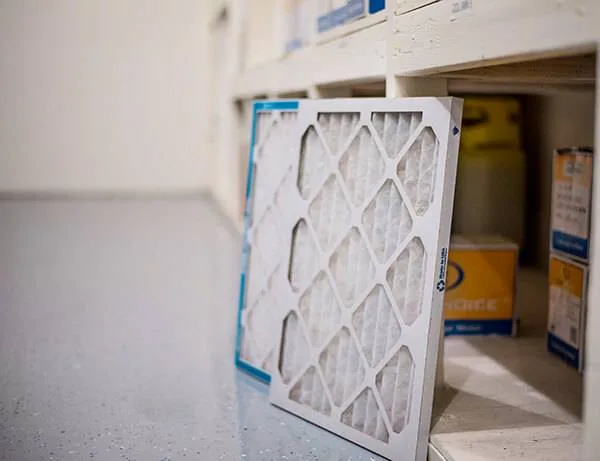
Start with basic homeowner checks to reduce risk. Ensure you have working carbon monoxide (CO) alarms on each level and near sleeping areas. Replace filters when dirty and keep supply and return registers clear of obstruction. These simple steps improve airflow and often resolve minor cycling issues.
If you smell gas or rotten eggs, leave the house immediately and call the gas company and emergency services from a safe location. Do not try to find a leak yourself. Technicians cannot work safely on gas equipment until the area is declared safe and any leaks are addressed. Keep vents, furnace rooms, and appliance areas free of stored items to reduce fire risk and allow safe airflow.
How do I check for carbon monoxide?
Install CO alarms on every floor and near bedrooms. Test alarms monthly using the test button and replace batteries or the entire unit per the manufacturer’s instructions. A modern CO alarm will display a reading or sound an alert when unsafe levels are present.
If an alarm sounds, evacuate immediately and call 911 and the gas utility. Wait for emergency responders or utility personnel to declare the residence safe before returning. Technicians conduct combustion testing and CO measurement before putting gas appliances back in service.
Can I reset a tripped breaker safely?
Yes, you can reset a tripped breaker if you identify which breaker controls the heating system and the cause appears to be a one-time trip. First, turn the thermostat to OFF and set the fan to AUTO. Then reset the breaker and observe the system. If the breaker trips again immediately, stop and call a professional.
Repeated breaker trips indicate a persistent electrical fault such as a failing motor, short, or wiring issue. Do not use breaker resets as a long-term solution. Persistent electrical faults require a licensed electrician or HVAC technician.
Which heating systems are common in Las Vegas?
Las Vegas homes commonly use heat pumps, gas furnaces, ductless mini-splits, and packaged rooftop units. Electric resistance furnaces are less common here. Heat pumps are popular because they provide both heating and cooling efficiently in mild winter climates. Each system type requires system-specific diagnostics and repairs.
Heat pumps need refrigerant and defrost-system checks. Gas furnaces need combustion analysis and heat exchanger inspection. Ductless systems require checks on line sets, indoor heads, and outdoor inverter modules. Rooftop packaged units need safe rooftop access and weather protection during service. Understanding your system type helps you ask the right questions when you call for service.
How does a gas furnace fail?
Gas furnace failures often start with ignition issues, clogged burners, or fouled flame sensors. Over time, heat exchangers can crack or rust. Failed blower motors and control boards are common after many years of operation. Soot, rust, odd smells, or yellow flames can indicate poor combustion or a cracked heat exchanger.
Early attention to these symptoms reduces safety risk and can prevent more expensive work. Technicians use combustion analyzers and visual inspection to detect heat-exchanger problems and confirm safe operation.
What common issues affect heat pumps?
Heat pump problems include low refrigerant charge, compressor faults, reversing valve failures, and outdoor coil icing. Defrost control and sensor faults can leave the unit in a poor heating mode. Inverter-driven compressors may display fault codes that require dealer-level tools to read and clear.
Routine refrigerant checks, coil cleaning, and proper airflow keep heat pumps working efficiently. Ask for superheat and subcooling numbers during diagnosis to confirm a correct refrigerant charge.
How are ductless mini-splits repaired?
Mini-split service covers indoor heads, outdoor inverter modules, and the refrigerant line set. Technicians test pressures, indoor blower function, drain pan and drain lines, and control boards. Filter and indoor head cleaning often resolves many comfort and airflow issues.
Some parts are model-specific and may require dealer ordering. Warranty repairs should be handled by an authorized dealer to maintain warranty coverage. Routine cleaning and timely service extend system life and reduce the need for major repairs.
Call to schedule same day repair
The Cooling Company offers same-day diagnostics and measured repairs in the Las Vegas valley. Our technicians come equipped with CO meters, static pressure tools, refrigerant gauges, and combustion analyzers. We provide clear written quotes and tiered repair options so you can choose the right path for your home. Same-day service is available in Las Vegas, Henderson, and North Las Vegas when schedules allow.
When you call, tell dispatch about symptoms, system age, model numbers, and any safety concerns such as gas smells or alarm activation. That information helps us send the right technician and truck-stock parts. We state arrival windows and any emergency fees up front so you can decide whether to proceed with immediate service.
What should I have ready before the visit?
Write down your system make, model, and age if possible. Gather past service records, if you have them. Clear the area around the furnace, rooftop unit, or outdoor heat pump so the technician can work safely and quickly. Note any recent noises, smells, or thermostat behavior to help narrow the diagnosis.
Tell dispatch about pets, gate codes, or parking constraints. If you smell gas, say so immediately and treat the call as an emergency. That lets us prioritize safety and bring the right tools and parts.
Contact details and guarantees
The Cooling Company stands behind repairs with documented readings and warranties on parts and labor. Call (702) 567-0707 to book same-day diagnostics and measured repairs in Las Vegas, Henderson, and North Las Vegas. We provide a written scope, list parts and labor, and state warranty terms before work begins.
Outside our primary area, ask local contractors for NATE certification and EPA 608 credentials for refrigerant work. These credentials indicate trained technicians who can test safely and follow code. Always verify licenses and insurance before authorizing major repairs.
Local essentials and challenges in Las Vegas
- Desert dust: Filters and burners clog faster than in most climates.
- Temperature swings: Cold mornings and mild afternoons stress ignition controls.
- Mixed equipment: Older gas furnaces sit alongside newer heat pumps and ductless systems.
- Storm-related surges: Monsoon power events can damage control boards.
Cost drivers for heating repair in Las Vegas
- System type and safety testing requirements.
- Part availability and whether OEM items must be ordered.
- Access constraints (attics, rooftops, tight closets).
- After-hours and peak-season demand surcharges.
Decision guidance: repair vs. replace
- Repair now: Unit is under 10–12 years old with a single clear fault.
- Plan replacement: Repairs approach 40–50% of replacement cost or failures repeat.
- Safety first: Gas odors, CO alarms, or flame rollout require immediate shutdown and service.
Prevention checklist for Las Vegas
- Replace filters every 1–3 months during heating season.
- Schedule a fall safety and combustion tune-up.
- Keep return grilles and vents clear to avoid short cycling.
- Test CO alarms monthly and replace batteries twice per year.
Neighborhoods we serve across Las Vegas
- Summerlin, Spring Valley, and Southwest Ranch
- Paradise, Winchester, and UNLV area
- North Las Vegas, Aliante, and Craig Ranch
- Henderson, Green Valley, and Anthem
Why homeowners trust The Cooling Company
- Serving Las Vegas since 2011 with 55+ years combined experience
- Licensed, EPA-certified technicians and safety-first inspections
- BBB A+ rated with a 100% satisfaction guarantee
- Lennox Premier Dealer with local parts support
Service area map
You Might Also Like
This section lists related topics that can help you plan long-term decisions. Reading about common brands, repair costs, and installation pricing gives context when weighing repair versus replacement. Consult with a qualified technician for advice tailored to your system and budget.
- Heating Repair vs Replacement: How to Decide
- Why Your Heating System Keeps Shutting Off
- Average Cost of Heating Repair in Las Vegas
- "rheem service professionals vegas"
- "rheem furnace repair las vegas"
- "furnace repair cost las vegas"
- "hvac installation cost las vegas"
- "trane furnace repair henderson"
About The Cooling Company
The Cooling Company has been serving the Las Vegas valley with professional HVAC services for over a decade. Our team of licensed, NATE-certified technicians specializes in air conditioning repair, heating system maintenance, and complete HVAC installations. We're committed to providing honest, reliable service with upfront pricing and a 100% satisfaction guarantee on all work performed.
- Phone: (702) 567-0707
- Reviews: 4.8/5 stars (780+ reviews) - See reviews
Service Areas
We proudly serve homeowners and businesses throughout the Las Vegas metropolitan area, including Las Vegas, Henderson, and North Las Vegas. Our service technicians are available for same-day appointments in most areas, with emergency service available 24/7 for urgent HVAC issues.
Sources and compliance notes
This content is informational and not a substitute for an on-site inspection. Safety readings such as CO, combustion values, delta-T, static pressure, and refrigerant measurements must be performed with calibrated tools by a trained technician. If you smell gas or suspect CO, evacuate and call emergency services immediately. The Cooling Company contact number above is provided for scheduling same-day diagnostics and repairs in the Las Vegas area.
- U.S. Department of Energy (Energy.gov) (accessed 2026-01-02)
- U.S. Environmental Protection Agency (EPA) (accessed 2026-01-02)
- ASHRAE (Standards and guidance) (accessed 2026-01-02)
- ENERGY STAR (Heating & cooling) (accessed 2026-01-02)
Need HVAC Service in Las Vegas?
The Cooling Company provides expert HVAC service throughout Las Vegas, Henderson, and North Las Vegas. Our licensed technicians deliver honest assessments, upfront pricing, and reliable results.
Call (702) 567-0707 or visit heating services, furnace repair, heating maintenance, or heat pump installation for details.