

Short answer: If you notice loud bangs, short cycling, burning odors, visible soot, or a CO alarm, shut the system down if safety is involved and call a licensed HVAC technician. For non-emergency issues like uneven rooms or rising bills, schedule a diagnostic visit within a few days to prevent bigger failures.
If you notice any of these five urgent signs - loud or unusual noises, persistent short-cycling, burning smells or soot, unexplained high energy bills, or a CO alarm - shut the system down if safety is involved and call a qualified HVAC technician right away.
Key Takeaways
- Safety first: gas smells, burning odors, CO alarms, heavy soot, major leaks. Shut off the unit and call emergency services immediately if you suspect a gas leak or a life-threatening condition.
- DIY-safe tasks: homeowners can replace disposable filters, perform basic thermostat checks, and reset a tripped breaker once. If a breaker trips again or you see scorch marks, stop and call a pro.
- Tasks for professionals: any work involving combustion, refrigerants, sealed systems, high-voltage electrical work, or permits requires a licensed technician.
- Replacements require clarity: obtain itemized quotes that include model/AHRI references, Manual J sizing confirmation, labor and permit costs, disposal, and warranty details.
- Documentation speeds diagnostics: keep a written log of model/serial numbers, symptoms, photos, and recent energy bills.
Heating System Repair: 5 Urgent Signs You Need Service Today
If you notice any of these five urgent signs - loud or unusual noises, persistent short-cycling, burning smells or soot, unexplained high energy bills, or a CO alarm - shut the system down if safety is involved and call a qualified HVAC technician right away. These symptoms often indicate safety risks or major efficiency failures. (Source: Energy.gov Heat Pump Tips)
What are the urgent signs of heating trouble?
This section highlights high-priority symptoms that usually demand same-day or emergency service. If you smell gas or the CO alarm sounds, evacuate first, then call emergency services.
Is your furnace making loud or unusual noises?
Why it matters: Sharp bangs, loud screeches, or heavy rattles can mean delayed ignition, a failing blower motor, loose parts, or a cracked heat exchanger. Some noises are benign; others warn of imminent failure or a safety risk.
What to check now (homeowner steps):
- Note when the noise occurs: at startup, during run, or at shutdown. Log times and frequency.
- If you hear a metallic bang at ignition, turn off the furnace and call a technician immediately - this can signal delayed ignition and a cracked heat exchanger.
- For squeals or grinding, schedule service within 24–72 hours. Repeated operation can worsen motor damage.
Technician checks and likely fixes: Measure blower motor amperage and inspect bearings or belt condition. Check ignition sequence and flame rollout; visually inspect the heat exchanger where accessible. Tighten loose panels and replace failing motors or bearings. Typical repair time: blower work 1–4 hours; motor replacement often $300–$800.
Why is my heat pump or furnace short-cycling?
Why it matters: Short-cycling (runs of only a few minutes, then shuts off) reduces efficiency, increases wear, and can mask control or refrigerant problems.
Common causes and homeowner checks:
- Dirty or clogged filter: replace immediately. Many homes need filter changes every 1–3 months.
- Blocked return vents or closed registers: open them and clear obstructions.
- Thermostat misconfiguration or short hold period: verify settings and replace batteries.
When to call a tech:
- If the issue persists after a filter change, call a technician. Diagnosing refrigerant levels, control-board faults, or oversized equipment requires tools and expertise.
- A licensed tech will check refrigerant pressure, compressor run times, and control-board logic. Refrigerant handling requires EPA Section 608 certification.
Are rooms unevenly warm or are there cold spots?
Why it matters: Temperature differences of more than 4–8°F between rooms often point to airflow, duct, or zoning problems. Restricted airflow can overheat the furnace and trip safety limits.
Simple homeowner checks:
- Ensure supply and return registers are open and not blocked by furniture.
- Replace filters and feel vents: supply vents near the unit should feel warmer than vents in rooms, which feel cooler if the room is air-conditioned or poorly heated.
- Note time-of-day patterns and which rooms are affected.
Likely technician actions:
- Measure static pressure and airflow at registers and at the unit.
- Inspect ducts for disconnections, leaks, or poor insulation; repair costs vary, but small fixes are commonly $200–$1,000.
- If zoning dampers are stuck or broken, technicians test actuator motors and dampers.
Are energy bills higher than expected?
Why it matters: Heating can account for 30–50% of home energy use. A sudden spike often signals reduced efficiency from dirty components, failing burners, or refrigerant loss.
How to check before calling:
- Compare current month usage to the same month last year and to last month. Note thermostat setpoints and any occupancy changes.
- Replace the filter and try a one- to two-degree lower thermostat for a week to test savings.
What the technician will test: (Source: Energy.gov Heat Pump Tips)
- For furnaces and boilers: combustion efficiency (AFUE-related checks) and burner performance.
- For heat pumps: refrigerant pressures and outdoor unit performance (HSPF/COP behavior).
- If efficiency is down, they’ll estimate annual fuel savings from repairs or replacement to help you judge payback.
Is there a burning smell, soot, or visible corrosion?
Why it matters: Burning odors, soot on burners or nearby surfaces, or oil residue suggest incomplete combustion, electrical arcing, or blocked flues - safety red flags.
Immediate homeowner steps:
- Turn the system off and ventilate the area if you smell burning, but avoid using fans that can spread fumes.
- If you smell gas, evacuate and call your gas utility and local emergency services.
What a technician will do:
- Conduct a combustion analysis and visual burner/heat exchanger inspection.
- Document soot patterns and recommend repair or replacement. Soot near the burner typically signals inefficient combustion or a cracked heat exchanger.
Is a cracked heat exchanger dangerous?
Yes. A cracked heat exchanger can allow combustion gases, including carbon monoxide (CO), to enter living spaces.
Immediate actions:
- If the CO alarm sounds, evacuate and call emergency services.
- If you notice sudden headaches, nausea, or CO alarm triggers, shut off the appliance and call a certified HVAC technician immediately.
- Annual combustion-safety inspections reduce the risk of undetected cracks.
When is a repair unsafe to DIY?
This section clarifies simple homeowner tasks and where professionals are required.
DIY tasks you can do safely?
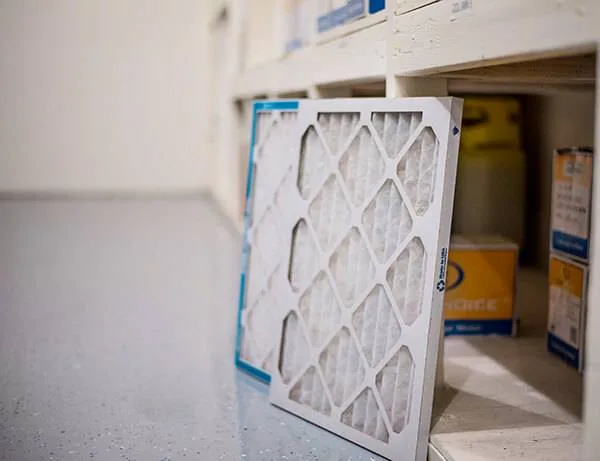
Replace disposable filters (match size and MERV rating). Many homes use 1–4 inch filters; check monthly. Replace thermostat batteries and confirm settings. Reset a tripped breaker once; if it trips again immediately, stop and call a pro. Clear near-unit obstructions and maintain at least 2–3 feet of clearance around the furnace or air handler for service access.
Tasks that require a licensed technician?
Any work on gas lines, burners, or the heat exchanger. Refrigerant handling, leak diagnosis, or recharging (EPA Section 608 required). High-voltage electrical repairs, control-board replacement, and capacitor changes unless you are a qualified electrician/HVAC tech. Sealed-combustion appliance repairs and work requiring permits.
When should you shut off the system?
Shut off and call a pro immediately for: Any gas odor. CO alarm activation or symptoms of CO exposure (headache, dizziness, nausea). Burning electrical smell, visible sparking, or heavy smoke. Loud bangs at ignition or heavy soot deposition.
How to shut off safely:
- Turn the thermostat to OFF.
- For gas units, locate and close the gas shutoff valve on the supply line.
- Turn off the circuit breaker feeding the unit for electrical safety.
Can I reset a tripped circuit breaker myself?
Yes. Fully switch the breaker to OFF, then to ON. If it trips again immediately, turn it off and call an electrician or HVAC technician. If you see scorch marks or smell burning at the breaker panel, do not reset it; call an electrician.
How to decide repair vs replacement
Safety, remaining useful life, efficiency, and total cost of ownership guide the decision.
Quick rule-of-thumb for decisions
- If a major safety issue exists (cracked heat exchanger, repeated flame rollout), replacement is often the right choice. (Source: Energy.gov Heat Pump Tips)
- If the unit is older than typical lifespans and repair costs exceed 30–50% of the replacement cost, replacement is usually more economical.
- Typical equipment life: furnaces/boilers 15–20 years; heat pumps and AC 12–15 years. Use these ranges when weighing options.
Typical repair lifespan extension
- Minor repairs (capacitors, ignitors, small controls): 3–7 years of added life on average.
- Major failures like a cracked heat exchanger or failed compressor usually push toward replacement.
Cost examples and ranges (U.S., typical)
Small repair (ignitor, sensor): $100–$300. Blower motor: $300–$800. Control board: $200–$600. Refrigerant recharge and leak diagnosis: $150–$450 for small jobs; larger leaks or compressor failures: $1,500–$4,000. Furnace replacement: roughly $3,000–$7,500+ depending on efficiency, ductwork, and region. Boiler replacement: $4,000–$12,000+ depending on type and labor.
How energy savings affect the choice
- Modern high-efficiency furnaces or cold-climate heat pumps can cut annual fuel bills. Calculate simple payback: Annual fuel savings ÷ incremental cost = years to payback.
- Example: If a new furnace saves $300/year and costs $3,500 more than a repair, payback ≈ 11.7 years. Factor in expected life, rebates, and installation scope when deciding.
When refrigerant issues force replacement
- A single fixable refrigerant leak that can be sealed and recharged may favor repair.
- Repeated leaks, a failed compressor, or severely corroded outdoor coils often favor replacement.
What quotes should include for fair comparison
Ask for written, itemized estimates that list: Equipment make, model, and AHRI reference number (for performance verification). Efficiency ratings (AFUE, SEER, HSPF) and expected performance. Manual J load confirmation and Manual S sizing recommendation. Line-item labor and parts costs, permit fees, and disposal. Warranty details: who backs parts, labor warranty length, and transferability.
How to evaluate contractor warranties
- Manufacturer-backed parts warranties are preferred.
- Check labor warranty length and exact coverage.
- Confirm any maintenance required to keep the warranty valid (annual tune-ups are commonly required).
Incentives and rebates to reduce upfront cost
- Check local utility rebates for high-efficiency furnaces and heat pumps.
- Federal tax credits sometimes apply for qualifying heat pumps and electrification - verify current rules.
- Use AHRI and ENERGY STAR listings and your utility’s rebate portal to confirm equipment eligibility.
What will a technician check during a diagnostic visit?
Technicians use systematic diagnostics to locate faults and guide safe fixes.
Combustion and burner inspection
For gas or oil systems: Visual burner check and flame pattern observation. Combustion gas analysis (CO, O2, CO2 where applicable). Ignition sequence, safety interlocks, and draft testing at the flue. If a heat exchanger is suspected cracked, the tech should document findings with photos and measurements.
Controls, thermostat, and electrical tests
- Verify thermostat wiring and programming; measure control voltages.
- Read control-board error codes and log runtime cycles.
- Measure capacitor and motor amperage on blower motors.
Refrigeration-system checks for heat pumps
- Measure suction and discharge pressures and compare to manufacturer specs.
- Inspect outdoor coil and fan operation; check for oil or signs of leakage.
- If a leak is suspected, perform a leak search and document the repair needed.
Ductwork and airflow diagnostics
- Measure static pressure and airflow at outlets.
- Inspect visible ducts for disconnections or major leaks; perform simple flow balancing if needed.
- If major duct repair is needed, the tech should provide a line-item quote.
How to prepare for a service visit
Clear information helps the tech diagnose faster and reduces on-site time.
Information to record before the visit
Equipment brand, model, and serial number (usually on a label inside the access panel). Age of the system (estimate from serial number or service records). Exact symptoms: noises, smells, error codes, when they occur. Recent changes: thermostat replacement, new insulation, or construction work. Photos of the unit, visible soot, rust, or leaks.
How to clear the area
- Clear a 3-foot perimeter for safe access.
- Secure pets and arrange for someone to be present to describe symptoms.
- Have a recent energy bill and any past service invoices available, if possible.
Sample questions to ask the technician
What diagnostic tests will you run, and what will they measure? If you recommend replacement, will you provide Manual J/S documentation and AHRI references? What are the expected efficiency gains, estimated fuel savings, and payback period? What does the warranty cover, and what maintenance keeps it valid?
Costs, timelines, and what to expect
Typical diagnostic and repair timelines
Diagnostic visit: 30–90 minutes on-site. Simple repairs (filter, thermostat, ignitor): 30–90 minutes. Moderate repairs (blower motor, control board): 1–4 hours. Full system replacement: several hours to a full day; permit inspections can extend the schedule.
Typical cost ranges by repair type (summary)
Diagnostic fee: $75–$200; emergency visits higher ($150–$350). Filter change (professional): $20–$75. Thermostat replacement: $100–$400. Ignitor or hot-surface igniter: $100–$300. Blower motor: $300–$800. Compressor replacement: $1,500–$4,000. Furnace replacement: $3,000–$7,500+. Boiler replacement: $4,000–$12,000+.
How to get an accurate estimate fast
- Provide make/model/age and a clear description of symptoms when you call.
- Ask whether the price includes the on-site diagnostic or is based on symptoms described remotely.
- Request a written, itemized estimate and a projected timeline before work starts.
How to spot upsells and avoid unnecessary work
Red flags to watch for: A replacement recommended without documented safety or performance tests. Refusal to provide itemized quotes or Manual J/S documentation for replacements. High-pressure sales tactics or offers that require immediate cash to avoid permits. Recommendations for whole-house solutions without baseline airflow or duct leakage tests.
Ask for photos or data that support serious claims (for example, heat-exchanger cracks or combustion-test results).
Emergency vs. Non-emergency decision guide
Call emergency service now if you have: Gas odor or visible gas leak. CO alarm sounding or symptoms of CO exposure. Burning electrical smell, smoke, or visible sparking. Loud bangs at ignition or heavy soot deposition.
Schedule non-emergency but prompt service (within days) for:
- Persistent short-cycling that affects comfort.
- Sudden high energy bills with no clear cause.
- Uneven heating across multiple rooms.
How to compare multiple replacement quotes
Get 2–3 written bids and compare: Equipment model and AHRI number. Manual J load confirmation and Manual S equipment selection. Itemized labor, permit fees, and ductwork costs. Warranty coverage and whether labor is backed by the contractor. Rebate eligibility and any paperwork the contractor will handle.
How to maintain your system after repair or replacement
Schedule annual combustion-safety checks for furnaces/boilers and preseason checks for heat pumps. Replace filters regularly: monthly for many homes, every 2–3 months for lower-demand systems, or per manufacturer guidance. Keep condensate drains clear to prevent water damage and safety-switch trips. Maintain a record of service, receipts, and warranties for resale value and future service.
When should you book emergency service?
Book emergency service now if you have any active safety sign: gas odor, CO alarm activation, burning electrical smell, loud ignition bangs, or active water leaks near electrical components.
For comfort issues (short-cycling or high bills), schedule a diagnostic visit within a few days to prevent larger failures.
FAQs
Q: Can I run my furnace if it’s making a new noise? A: Minor rattles can be tolerated until next-day service. If you hear a loud bang, screech, burning smell, or CO alarm triggers, shut it off and call a professional.
Q: How often should my heating system be serviced? A: Annually for combustion appliances and before the heating season for heat pumps. Regular maintenance keeps efficiency and safety in check.
Q: Are there quick steps to reduce heating bills before a tech arrives? A: Yes. Replace the filter, lower the thermostat 1–2°F, seal obvious drafts, and ensure vents are open. These are stopgap measures; a professional diagnostic addresses root causes.
Q: Should I get a second opinion on a replacement quote? A: Yes. For major repairs or replacements, obtain 2–3 written estimates that include sizing documentation, AHRI references, and itemized costs.
Q: Do I need carbon monoxide detectors? A: Yes. Install CO alarms on every level and outside sleeping areas. Test and replace batteries per manufacturer instructions.
Checklist to have ready before the technician arrives
Equipment brand, model, and serial number (photos help). Recent energy bill and any past service invoices. Clear description of symptoms, noise patterns, and odor times. Photos of soot, leaks, or rust. Access cleared around the unit and pets secured.
Final note on safety and documentation
Prioritize safety: shut down and evacuate for gas or CO risks. Ask technicians for documented test results, photos of any safety failures, and an itemized quote. Keep all paperwork for warranty and resale value.
Related reading: what to explore next?
Ac and Furnace: Signs You Need Repair Today Before Costs Soar. HVAC System Types: How to Choose the Best One for Your Home Now. Air Conditioner Not Working: 12 Fast Fixes to Restore. Cost to Replace AC: What to Budget for Your New System. Air Handler Installation Cost: What to Budget Before Buying. Furnace Types: Fuel, Technology, Efficiency. Cost to Add HVAC to an Old House: Typical. Furnace Prices: Total Cost to Buy, Install. Furnace: How It Works, Common Problems, Costs. Furnace Size: Furnace Size: Why Sizing.
References
- U.S. Department of Energy (Energy.gov) (accessed 2025-12-19)
- U.S. Environmental Protection Agency (EPA) (accessed 2025-12-19)
- ASHRAE (Standards and guidance) (accessed 2025-12-19)
- ENERGY STAR (Heating & cooling) (accessed 2025-12-19)
Local essentials and challenges for Las Vegas repairs
Desert dust can clog filters quickly, and wind-driven debris can block vents or outdoor units. Many valley homes have attic ductwork that amplifies temperature swings, so airflow problems show up fast when a furnace struggles. After the first cold snap, demand spikes and appointment windows tighten, so early diagnostics matter.Cost drivers for heating system repair
Pricing shifts based on system type (furnace, boiler, or heat pump), access to the unit, and whether parts are stocked locally. Igniters and sensors are usually quick fixes, while control boards, blower motors, or combustion issues raise labor time and safety testing needs.Decision guidance: repair now or plan a replacement
If your system is near end-of-life and the repair cost is 30–50% of a new unit, ask for replacement options with Manual J sizing. If the system is newer or the issue is a single failed part, a targeted repair typically makes sense. Safety-related findings always move to the front of the line.Prevention to reduce repeat repair calls
Change filters on schedule, keep returns clear, and schedule pre-winter tune-ups to catch ignition or airflow issues early. For heat pumps, clear the outdoor unit after dusty or windy days and keep a 2–3 foot clearance.Neighborhoods we serve in the Las Vegas Valley
- Summerlin
- Centennial Hills
- Aliante
- Spring Valley
- Enterprise
- Henderson
- Green Valley
- North Las Vegas
Trust and guarantees from The Cooling Company
- Serving Las Vegas since 2011 with 55+ years of combined experience
- Licensed, EPA-certified technicians and code-compliant repairs
- BBB A+ rated and Lennox Premier Dealer
- 100% satisfaction guarantee with transparent documentation
Service area map
Related service: Need heating help in Las Vegas? Explore our heating services and heating repair services for Las Vegas homeowners.
Need HVAC Service in Las Vegas?
The Cooling Company provides expert HVAC service throughout Las Vegas, Henderson, and North Las Vegas. Our licensed technicians deliver honest assessments, upfront pricing, and reliable results.
Call (702) 567-0707 or visit heating services, furnace repair, heating maintenance, or heat pump installation for details.