
Short answer: Most vent clicking is caused by thermal expansion of metal ducts, loose register screws, or rubbing duct connections — all harmless and fixable. Tighten screws, add felt pads between ducts and framing, or replace warped grilles to stop the noise. If clicking comes with burning smells, repeated ignition failures, or tripped breakers, shut the system off and call a licensed HVAC tech at (702) 567-0707.
Most vent clicking comes from harmless causes like thermal expansion, loose registers, or rubbing ducts. Tighten screws, add felt pads, or replace warped grilles to stop many sounds quickly. Use foil HVAC tape or mastic for seams. Call a licensed HVAC technician if the sound ties to ignition or a motor fault. (Source: ASHRAE Technical Resources)
Key Takeaways
- Identify timing: startup, shutdown, or during run cycles.
- Start at the register: remove, tighten, and swap to isolate the noise.
- Use felt pads and foil HVAC tape, not cloth duct tape.
- Call a licensed HVAC tech for ignition or motor issues.
What causes vents to click?
Vents click for a handful of common reasons. Metal ducts expand and contract with temperature changes. That shift makes a ping or click at startup or shutdown and may repeat for a few seconds as the system stabilizes. In many homes this is normal. The sound is usually short and only happens when temperatures shift quickly.
Mechanical causes are also common and need different fixes. Loose register screws rattle when air flows. Dampers and actuators click if they bind or fail. Blower motors and relays can click and should draw closer inspection when the sound comes from the equipment area. Identifying whether the sound is at the grille, in the run of the duct, or at the air handler helps pick the right fix.
When does clicking happen?
Timing gives a strong clue to the root cause. If the click happens only at startup or shutdown, thermal expansion of metal is likely. Random clicking during run cycles points to rubbing parts or failing motors. A clear pattern - only at heat call, only when the fan starts - helps narrow the cause quickly.
Make a short schedule and test at different times. Try fan-only mode and then heat or cool calls. These checks reveal whether the sound is thermal, mechanical, or electrical in origin. Note each event so you have facts when you call a pro. (Source: ASHRAE Technical Resources)
Is it thermal expansion or metal pinging?
Thermal expansion often creates a sharp ping a few seconds after the blower starts. Sheet-metal ducts heat and move, especially where they touch joists, straps, or the building frame. That motion is quick and can sound like a click or ping. The noise usually fades as the metal reaches a stable temperature.
To test, listen in the attic or crawlspace while the system cycles. Add felt pads or foam at contact points to stop metal-on-wood noise. Wrapping ducts with insulation also reduces temperature swings and cuts many thermal ticks. These fixes are low-cost and often stop the sound on the first try.
Could loose screws or mounting cause it?
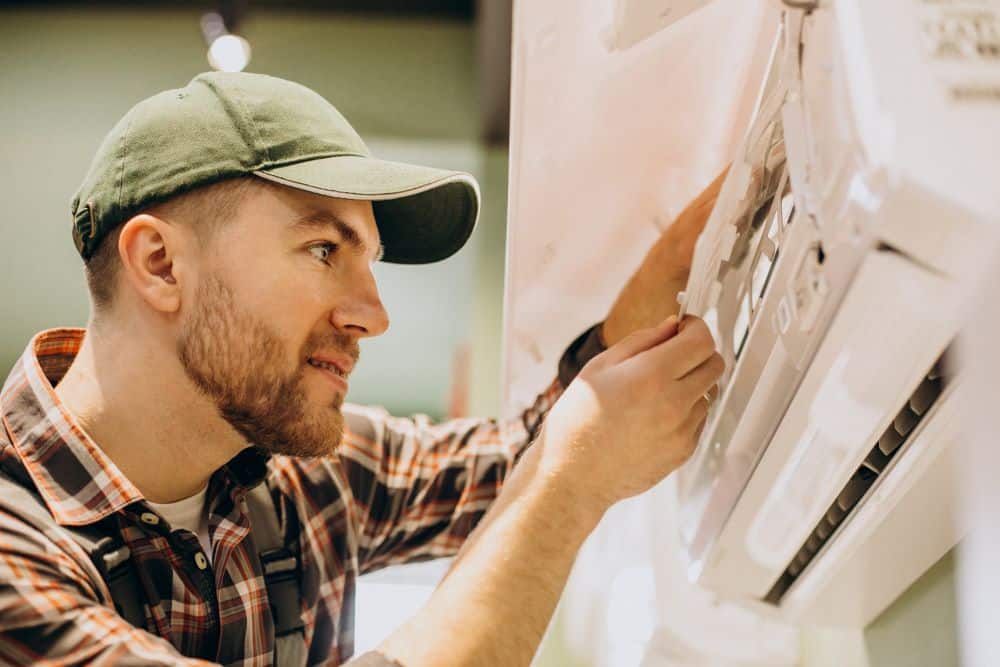
Loose screws on registers are a simple and common cause of clicking. Vibrations from airflow or the blower let screws shift slightly. That small motion becomes a repeating tick at the register face. Often the problem is visible when you remove the grille.
Remove the register and inspect screw holes and flanges. Tighten screws or use slightly longer screws that grab the stud or drywall better. If the grille is warped, replacing it often ends the noise quickly and restores a better seal.
How do I find where the noise comes from?
Locating the source starts with steady observation. Walk the home while the system runs and note where the click is loudest. Pay attention to whether the sound follows air movement or stays near the same register. Quiet the house so background noise does not hide the click.
Use simple swaps to isolate the problem. Remove a noisy register, then turn the fan on and listen into the duct. Swap that register with one from another room to see if the noise moves with the grille or stays with the duct location. These basic tests tell you whether to focus on the register, the branch, or the air handler.
Which vents, rooms, and times matter?
Each vent offers a clue to where the noise lives. A single bedroom vent that clicks points to that branch or grille. Whole-house clicking often means the trunk or air handler is the source. Track if multiple vents click at once or only one does.
Also track seasons and temperatures. If the tick appears only in cold weather, thermal expansion is more likely. A short chart with room, vent, and time helps narrow the search for both DIY fixes and a technician. That chart saves diagnosis time and helps you spot patterns.
How to test timing with the thermostat?
Use the thermostat to force cycles while you listen. Note clicks when the thermostat calls for heat or cool. Switch the fan from AUTO to ON to check for fan-only noises. Testing both heating and cooling helps separate thermal issues from fan or ignition problems.
Try repeating the same test a few times to confirm results. If a click happens every time you call for heat, write down that fact. If it is intermittent, note the conditions when it occurs, like outside temperature or time since last cycle. This detail helps a pro replicate the issue.
What tools help locate the source?
A flashlight, screwdriver, and long mirror let you inspect registers and seams. A mechanic's stethoscope or a screwdriver pressed to the cabinet helps trace noises through structure. These simple tools speed up diagnosis and let you pin the sound to a small area instead of guessing.
For electrical testing, a multimeter helps but only for trained users. Never open equipment or test live circuits if you lack experience. When in doubt, call a licensed HVAC technician to handle electrical checks safely. Safety is the top priority when work involves wiring or gas-fired systems.
What quick DIY fixes stop clicking?
Many clicking problems yield to low-cost DIY steps. Start at the register and work back toward the air handler. Tightening screws, adding pads at contact points, and replacing warped grilles stop most noises quickly. These steps do not require advanced skills and often solve the issue in under an hour.
Use proper materials for lasting repairs. Seal seams with foil-backed HVAC tape or mastic and avoid cloth duct tape. For thermal ticks, add insulation or pads where ducts meet framing to reduce metal movement and dampen sound. Proper fixes save energy and reduce repeat visits.
Can tightening screws stop the noise?
Yes. Register screws loosen from vibration and airflow. Tightening them often ends rattles in minutes. Remove the register, clean the screw holes, and tighten into solid backing. If the mounting frame is loose, use anchors or replace bent screws.
If holes are oversized, use wall anchors or replace the register set. A quick screw change often fixes the issue without tools beyond a screwdriver and a few minutes of time. Make sure the grille sits flat against the floor or wall to stop air-driven vibration.
Will lubricating moving parts help?
Lubrication helps where dampers or pivot points bind. Use silicone spray or light machine oil on external linkages and hinges. Apply oil sparingly and wipe away excess. Proper lubrication smooths movement and stops intermittent clicks from sticking parts.
Avoid oiling sealed motor bearings or internal blower parts. Those can be sealed-for-life and damaging them voids warranties. When unsure, leave motor lubrication to a technician. Improper lubrication can attract dust and cause other issues.
Should you replace old registers?
Old, warped, or corroded registers can click and restrict airflow. Replacing a bent grille often stops both noise and improves air delivery. New registers cost from about $10 to $40 for basic models and can be installed in minutes.
Swap a suspect register with one from another room to test whether the noise moves with the grille. If it does, buy a replacement that sits flat and has a solid damper to cut rattles. A new grille also seals better and can reduce energy loss.
When is the clicking a safety issue?
Clicking becomes a safety issue when it ties to ignition failures, electrical arcing, or overheating motors. Repeated ignition clicks or burning smells are immediate red flags. Do not run the system in those cases. Turn off the appliance and call a licensed technician.
Other signs of danger include smoke, visible arcing, or tripped breakers that happen with the noise. If the sound comes from the air handler and the unit gets hot or shows scorch marks, shut power off at the breaker and get professional help. Safety must come first.
Can ignition clicks indicate carbon monoxide risk?
Ignition clicks alone do not prove a carbon monoxide problem. However, ignition failures can lead to incomplete combustion, which raises CO risk. Any abnormal flame behavior or soot needs quick attention and a proper inspection by a trained technician.
Install CO detectors near sleeping areas and the furnace. If you feel headaches, dizziness, or nausea with ignition problems, leave the house and call emergency services and a professional HVAC technician. Do not ignore symptoms that suggest poor combustion.
Are motor failures a fire risk?
Failing blower motors can overheat, which raises fire risk if left unchecked. Worn bearings, seized components, or electrical faults can cause smoke, burning smells, and tripped breakers. A clicking sound near the motor may be an early warning of a failing part.
If clicking comes from the air handler and the unit is hot or trips breakers, shut power off and call a technician. Early motor replacement prevents bigger failures and reduces fire risk. Have a pro inspect wiring and motor condition rather than guessing.
How can I prevent future vent clicking?
Prevention starts with regular checks and good installation. Tighten registers seasonally and keep duct hangers secure. Add pads where ducts touch framing and replace weak straps before they fail. A few preventive steps cut noise and extend equipment life.
Seal and insulate ducts to cut pressure swings and thermal movement. Seasonal tune-ups by a pro catch failing motors, worn actuators, and loose parts before they make noise or cause service calls. A short home checklist each season keeps small issues from becoming costly repairs.
What maintenance reduces clicking long term?
Seasonal maintenance includes tightening registers, checking hangers, and testing dampers. Clean dust and debris from registers to stop loose items from hitting dampers. These small tasks reduce noise and keep air flowing freely through the system.
A yearly professional tune-up finds worn parts early. Technicians can adjust dampers, lubricate allowed parts, and test motors. Regular care lowers repair costs and keeps the system quieter over time. [Point 1] (Source: ASHRAE Technical Resources)
How often should you inspect vents?
Inspect visible registers and ductwork every six months as a basic rule. Check more often in older homes or after renovation work. Make a deeper check before the heating season when thermal ticks are common and parts may be stressed.
Keep a short log of issues and fixes. Over time that log shows patterns and helps the pro find the root cause quickly. Consistent checks prevent small rattles from becoming costly repairs and make calls to service more productive.
Can sealing gaps lower noise?
Yes. Sealing leaks reduces pressure imbalances that cause vibration and noise. Use mastic or foil-backed HVAC tape on sheet-metal seams and joints for durable results. Avoid cloth duct tape because it fails quickly and can make gaps worse.
Sealed ducts also run more efficiently and cost less to operate. For large leaks in attics or crawlspaces, consider professional duct testing and sealing for the best long-term result. Proper sealing can lower both sound and energy bills.
How can The Cooling Company help?
If clicking ties to ignition, blower motors, or zone actuators, our licensed technicians diagnose and fix the issue safely. We follow local codes and use trained staff for combustion and electrical work. We also document tests and give clear, written estimates before starting work.
For homeowners in Las Vegas, call The Cooling Company at (702) 567-0707 for fast service. We serve Las Vegas, Henderson, and North Las Vegas. Our team can replace actuators, repair motors, and secure ductwork to stop clicks for good.
Getting professional help
When the noise ties to gas ignition, electrical arcing, or motor failure, arrange professional service. The Cooling Company sends certified technicians who carry tools and replacement parts. They test safely and fix the root cause, not just the symptom.
Ask for clear pricing and a written scope of work. If access behind walls or in plenums is needed, the tech will explain options and costs first. That keeps repairs predictable and safe for your home and avoids surprise charges.
Resources for readers outside our area
If you are outside the Las Vegas area, hire NATE-certified technicians when possible. NATE (natex.org) lists trained pros. For duct sealing and DIY guides, look to ENERGY STAR and local building code resources for practical steps.
Learn about available federal tax credits for energy-efficient HVAC equipment.
Even if you do not live locally, you can use the checks and tests in this guide to narrow the cause. Share your findings with any technician you hire. That log helps them diagnose faster and reduces expensive callbacks.
Call to action
Las Vegas area homeowners who hear clicking that links to ignition, motors, or repeated zone failures should call The Cooling Company at (702) 567-0707. Our certified team serves Las Vegas, Henderson, and North Las Vegas. We diagnose noisy vents, fix ignitions, replace motors, and repair damper actuators.
If you are outside our service area, start with a NATE-certified technician and use the checklist above before the service visit. For local help and same-day checks, call The Cooling Company at (702) 567-0707 and tell us when you first heard the clicking.
Related reading: what to explore next?
About The Cooling Company
- Phone: (702) 567-0707
References
- U.S. Department of Energy (Energy.gov) (accessed 2025-12-26)
- U.S. Environmental Protection Agency (EPA) (accessed 2025-12-26)
- ASHRAE (Standards and guidance) (accessed 2025-12-26)
- ENERGY STAR (Heating & cooling) (accessed 2025-12-26)
Related service: Need professional HVAC service? Explore our AC repair and heating services services for Las Vegas homeowners.
Need HVAC Service in Las Vegas?
The Cooling Company provides expert HVAC service throughout Las Vegas, Henderson, and North Las Vegas. Our licensed technicians deliver honest assessments, upfront pricing, and reliable results.
Call (702) 567-0707 or visit AC repair, maintenance, heating, or installation for details.