

Short answer: Set the thermostat to 'Heat' a few degrees above room temperature and wait 2–3 minutes. You should hear the inducer motor start, then the igniter click, then the blower kick on. If you feel warm air at the supply vents within 5 minutes and see a steady blue flame through the sight glass, your furnace is working properly.
Check the thermostat, feel supply vents, watch the burner flame, and test carbon monoxide detectors first. Listen for odd sounds, inspect the air filter and returns, and look for rust or leaks. These quick checks show whether the furnace runs safely or needs a professional inspection. (Source: ASHRAE Technical Resources)
Key Takeaways
- Use a room-by-room Manual J load calculation (not a square-foot rule).
- Select equipment with Manual S and verify ducts with Manual D for comfort and efficiency.
- Avoid oversizing: short-cycling wastes fuel and can create uneven temperatures.
Key takeaways (N/A)
Start with simple safety checks before you do any work on a furnace. Confirm the thermostat calls for heat, verify vents blow warm air when the unit runs, and look for unusual noises. Test carbon monoxide detectors and replace filters if they are dirty. These steps help you spot issues early and avoid damage.
The actions below are safe for most homeowners. Replace disposable filters, clear supply and return grilles, and reset a tripped breaker if needed. Do not attempt gas line or internal electrical repairs. Leave combustion, gas, and wiring work to a licensed technician. If you detect a gas odor or CO alarm, evacuate and call emergency services.
- Check thermostat mode, vent airflow, filter condition, and flame color first.
- Replace filters regularly, test CO detectors, and schedule yearly service.
- Call professionals for gas smells, CO alarms, or repeated short cycling.
How can I quickly check my furnace?
A quick walk-around saves time and can prevent major problems. Start with a visual inspection of the cabinet and surrounding area. Look for loose panels, rust, water leaks, or signs of pests. Confirm the furnace switch is on and the circuit breaker has not tripped. Small issues found early are easier and cheaper to fix.
After the visual check, run a basic operational test. Raise the thermostat setpoint a few degrees and listen for the furnace to start. Feel multiple supply vents for warm air and check the return air grille for airflow. Watch the burner through the sight glass if your unit has one. These steps help isolate thermostat, airflow, or combustion faults before calling a technician.
Is the thermostat set correctly?
Check that the thermostat is set to "Heat" and that the setpoint is above the room temperature. Replace weak batteries and clear dust from the device. If the thermostat display is blank or unresponsive, try a battery swap or a manual override to call for heat. A quick test can tell you if the thermostat is the likely cause of no heat.
If the furnace responds to a manual override, the thermostat may have faulty programming or bad wiring. For programmable models, verify schedules and any locked settings. If the thermostat fails to call for heat even after a reset, schedule a technician to test thermostat wiring and control signals.
Does the furnace make airflow at vents?
When the furnace runs, most supply vents should blow noticeably warmer air. Walk through a few rooms and feel the vents. Weak or no airflow often points to a clogged filter, blocked returns, or a failing blower motor. Check vents and returns for obstructions like rugs or furniture before assuming a mechanical fault.
If flow is weak but the air is warm, replace the filter and ensure all registers are open. If there is no flow and the blower sounds on, the motor or fan assembly may be failing. In that case, a technician can test motor amperage and fan controls to diagnose the issue safely.
Are burner flames steady and blue?
Look at the burner flame through the view port while the furnace runs. A steady blue flame is what you want to see. Blue flames mean good combustion and lower risk of carbon monoxide. Flickering, lifting, or yellow flames indicate poor combustion or venting problems and require prompt attention.
If you observe yellow flames or soot, shut the furnace off and call a qualified technician. Do not try to adjust burner settings or gas pressure yourself. Proper combustion tuning and vent checks require tools and training to keep you safe. For emergency furnace issues, our furnace repair team is available to diagnose and fix combustion problems quickly.
Is the blower motor running smoothly?
Listen to the blower when it starts. A steady, even hum is normal for most systems. Squealing or grinding noises suggest worn bearings or a failing motor. A stuttering start or delayed blower run may point to a bad capacitor or control board issue.
If the blower runs but airflow is weak, inspect the blower wheel for dust or distortion. Dirt buildup can unbalance the wheel and reduce flow. Cleaning and balancing are tasks a technician can perform safely, though you can visually inspect the wheel and clean the filter on your own.
What does normal operation look like?
Normal furnace operation is predictable and quiet. When the thermostat calls for heat, burners should light promptly and show a steady blue flame. The blower should run and deliver warm air through the ducts. The unit should reach the thermostat setpoint without unusual noises or repeated interruptions.
Cycle lengths and run times should match outdoor conditions and thermostat settings. Short runs under five minutes often point to a problem. Long runs can be normal in very cold weather but should not change suddenly without a clear reason. Stable cycles mean the system is sized and tuned for the home.
How often should a furnace cycle?
Cycle frequency depends on outdoor temperature, house insulation, thermostat settings, and system size. On mild days, you will see fewer cycles. In cold weather, the furnace runs longer and cycles less often. A well-sized system balances runtime to maintain comfort without overly short or long cycles.
If the furnace starts and stops rapidly, first check airflow and the filter. Short cycling wastes fuel and wears components. If you cannot fix it with a clean filter and open returns, call a technician to test control boards, limit switches, and blower performance to find the root cause.
What is normal cycle length?
Typical heating cycles last about 10 to 20 minutes in steady cold weather. This allows the heat exchanger to warm and the home to reach a stable temperature. Runs shorter than five minutes usually indicate an airflow or control problem that needs attention.
Very long cycles over an hour may occur during extreme cold or with an undersized system. If cycle length changes suddenly or rooms do not reach setpoint, have a technician check duct balance, thermostat placement, and overall system capacity.
How should the ignition flame appear?
A healthy ignition flame is sharp and mostly blue near the burner ports. It should remain steady and close to the burners. Large yellow tips, lifting flames, or flame roll-out suggest combustion or venting issues. These conditions increase carbon monoxide risk and need immediate professional inspection.
Do not run the furnace with unstable flames. Turn off the unit and contact a licensed technician. They will run combustion tests, inspect venting, and adjust the fuel-air mix to restore safe operation.
What airflow feels typical at vents?
Supply vents should feel clearly warmer than room air and deliver a steady stream. You should not feel rapid pulsing or weak bursts when the system is in normal operation. If some vents feel cold while others are hot, the problem is often duct balance or blockage, not the furnace itself.
Open all supply and return grilles and check for obstructions. If opening registers does not restore balance, inspect ducts for disconnected or crushed sections. A professional can test system airflow and rebalance or repair ducts to improve comfort.
What common symptoms mean trouble?
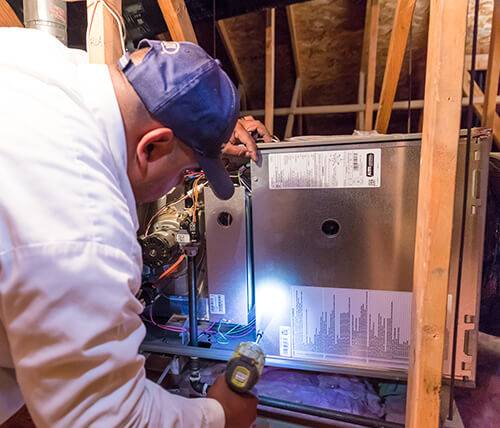
Some symptoms are clear signs of trouble and should not be ignored. No heat, loud new noises, uneven room temperatures, and sudden fuel bill increases can all point to system faults. Some issues like gas odors or carbon monoxide alarms are immediate emergencies.
Homeowners can handle simple checks like filters and vents. But if the problem involves combustion, strong odors, or electrical sparks, stop using the system and call a professional. Early diagnosis reduces repair costs and prevents damage or unsafe conditions.
Why does the furnace make banging sounds?
A loud bang at startup often means delayed ignition. Gas accumulates and then ignites suddenly, causing a boom. This stresses the heat exchanger and venting and is a safety concern. Frequent bangs deserve immediate inspection by a trained technician.
Ductwork can also produce booming sounds when cold ducts quickly heat. Loose panels or failing components may add to audible symptoms. If you hear such noises repeatedly, shut the furnace down and schedule service to avoid further damage.
What causes short cycling?
Short cycling has many causes. Dirty filters, blocked returns, and failing blowers reduce airflow and trigger safety limits. A misconfigured thermostat or failed control board can also cause the system to shut down too soon. Each reason requires a different fix.
Begin with simple steps: replace the filter, open all vents, and check thermostat settings. If short cycling persists, call a technician. They will test limit switches, blower operation, and control outputs to pinpoint the fault.
Why is heat uneven across rooms?
Uneven heat most often stems from airflow or duct problems. Closed vents, blocked returns, crushed ducts, or disconnected runs create cold spots. Poor insulation and leaky windows can also make some rooms feel colder.
Balance vents and open returns to see if comfort improves. If not, consider a duct inspection for leaks or disconnections. For homes with zoning systems, damper or control failures may require a pro to restore even heating.
Could a cracked heat exchanger cause CO risk?
Yes. A cracked heat exchanger can let combustion gases, including carbon monoxide, mix with the supply air. CO has no smell and can be deadly. This is a serious safety risk that calls for immediate professional attention.
Technicians inspect heat exchangers during annual service and can test for combustion leaks. If a crack is found, repair or replacement of the heat exchanger or the furnace may be required. Treat any CO alarm as an emergency and evacuate until responders clear the home.
When should I call a pro?
Call a licensed technician immediately for gas smells, CO alarms, or a rapid loss of heat while power is on. Electrical faults, suspected heat exchanger cracks, and persistent short cycling are also reasons to stop DIY attempts. Trained techs have the tools to test combustion, wiring, and gas lines safely.
For non-emergency maintenance, schedule service before the heating season. An annual tune-up keeps burners clean, checks combustion, measures airflow, and helps catch wear before a breakdown. Regular service improves safety and efficiency and can extend the furnace life.
Should I leave if I smell gas?
Yes. If you smell gas, evacuate the home immediately and move to fresh air. Do not flip switches, use phones, or operate any devices that could spark inside the building. From a safe location, call your gas utility or emergency services and follow their instructions.
Do not return until the gas utility or responders say it is safe. Even a faint odor can indicate a leak. Treat every gas smell as serious and get trained help to inspect and repair the source.
What to do if CO alarm sounds?
If a carbon monoxide alarm activates, leave the home immediately. Move everyone to fresh air and call 911. Tell responders if anyone has symptoms such as headache, nausea, dizziness, or confusion. These symptoms can indicate CO exposure and require medical attention.
Do not re-enter until emergency responders clear the home. Have all fuel-burning appliances inspected by a qualified technician before using them again. Install CO detectors on every level and outside sleeping areas for early warning.
Are electrical faults a job for technicians?
Yes. Electrical repairs around a furnace should be done by licensed professionals. Burnt terminals, frequent breaker trips, or damaged wiring can cause fires or shocks. Technicians know how to work safely around live circuits and follow code requirements.
Homeowners can do low-risk jobs like filter changes and vent clearing. Anything that involves wiring, gas valves, or internal control boards should be left to a pro to avoid injury and costly mistakes.
How can I safely fix simple issues?
Many basic tasks are safe for a homeowner with care and the right tools. Changing filters, clearing lint from returns, and resetting a tripped breaker are low-risk. Always switch off power at the furnace and use gloves and eye protection when you work near the unit.
Stop and call a technician if the task touches gas plumbing, the heat exchanger, or internal controls. Those parts present safety and code issues. If you are unsure, err on the side of caution and get professional help to avoid hazards.
How to change a clogged air filter?
Turn off furnace power before opening the filter access panel. Note the filter size and the airflow arrow on the frame. Pull the old filter out and slide in the new one with the arrow pointing toward the furnace to maintain correct airflow direction.
Write the installation date on the filter frame or set a calendar reminder. Homes with pets or allergies often need monthly changes. For most homes, check filters every one to three months, and use higher MERV rated filters only if the blower can handle the added resistance.
How do I reset a tripped breaker?
Locate the main electrical panel and identify the furnace breaker. Move the breaker fully to OFF, then switch it back to ON. Wait a minute, then try the furnace again. Many trips are one-time events caused by a surge or startup draw.
If the breaker trips again immediately, do not keep resetting it. Repeated trips indicate a short or overload. Turn the breaker off and call a technician to diagnose the electrical problem and prevent damage or fire risk.
Can I relight a pilot safely?
If your furnace has a standing pilot, follow the label instructions on the appliance to relight it. If you smell gas, leave at once and call emergency services. Use a long lighter or match if the instructions call for it and keep your face away from the burner area.
If the pilot will not stay lit, do not continue trying. A faulty thermocouple, draft, or gas valve issue may exist. Call a trained technician to avoid creating a hazard and to repair the root cause.
Need HVAC service help in Las Vegas?
If you're facing an HVAC emergency in Las Vegas, Henderson, or North Las Vegas, The Cooling Company offers fast, reliable service from licensed technicians. We understand that heating and cooling emergencies don't wait for business hours.
Call us now at (702) 567-0707 for emergency service. Our team is ready to help restore your comfort quickly and safely.
Related reading: what to explore next?
This aspect deserves careful consideration as you evaluate your options. Understanding the details helps you make more informed decisions. Consulting with qualified professionals provides additional insights specific to your situation. Take time to consider how this information applies to your particular needs and circumstances. Making well-informed choices typically leads to better long-term outcomes and greater satisfaction.
About The Cooling Company
- Phone: (702) 567-0707
Sources and further reading
Related service: Need furnace service in Las Vegas? Explore our furnace repair and heating maintenance services for Las Vegas homeowners.
Need HVAC Service in Las Vegas?
The Cooling Company provides expert HVAC service throughout Las Vegas, Henderson, and North Las Vegas. Our licensed technicians deliver honest assessments, upfront pricing, and reliable results.
Call (702) 567-0707 or visit AC repair, maintenance, heating, or installation for details.