

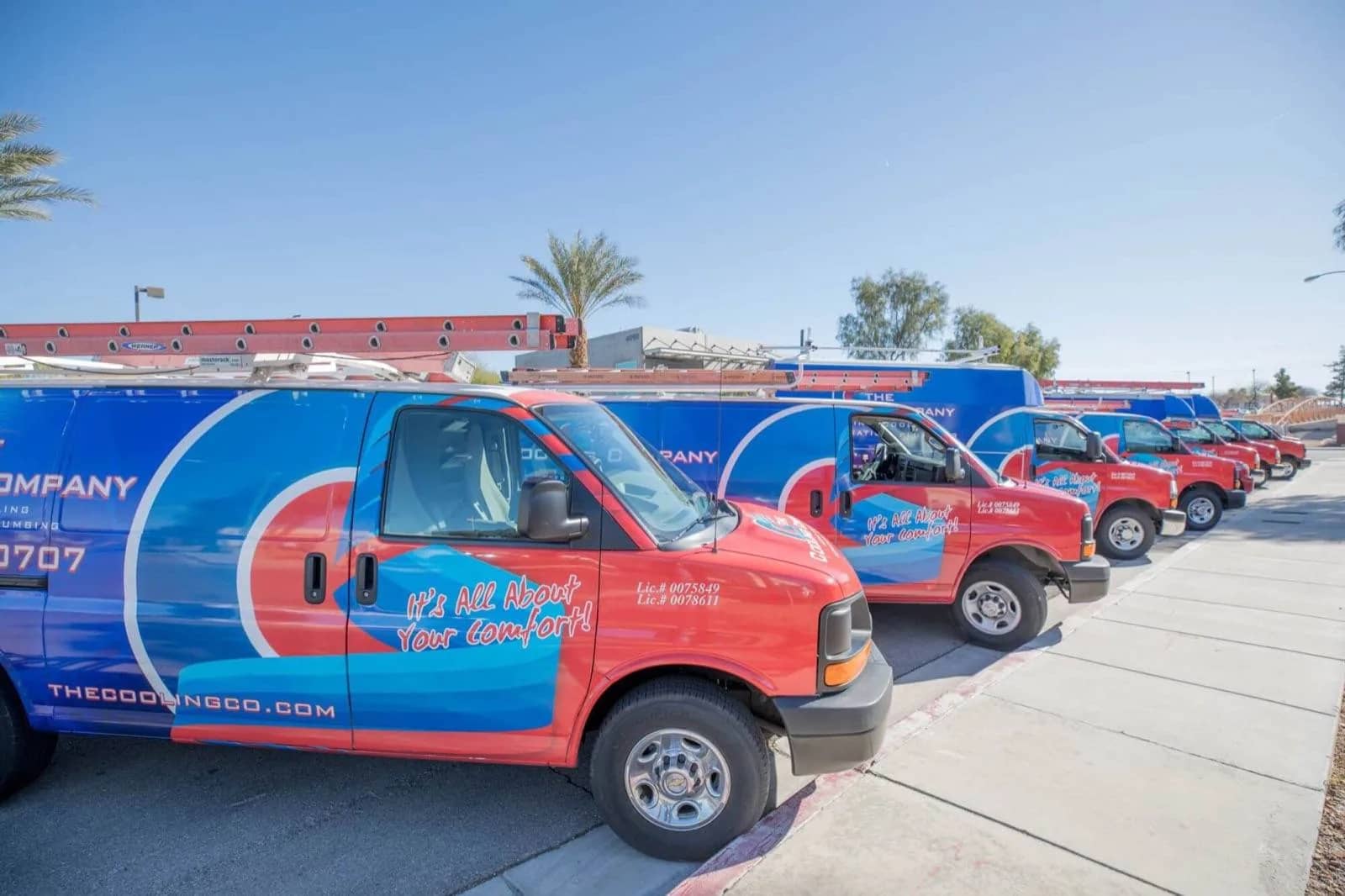
Short answer: There are four common doors into HVAC: a registered apprenticeship program (formal, structured, with defined hour requirements and related classroom instruction), a union training path, trade school followed by a job, and an employer helper role where you are hired and trained directly. The Cooling Company hires through the fourth path: helper and apprentice positions at $18 to $24 per hour with no prior HVAC experience required, with EPA 608 certification support and advancement based on demonstrated skill.
The word "apprentice" gets used loosely in this trade, and that causes real confusion. Someone reads about a registered apprenticeship with a defined hour structure, then sees a job posting for an "HVAC apprentice," and reasonably assumes they are the same thing. They are not.
Here is how the paths actually differ so you can pick deliberately.
Key Takeaways
- Registered apprenticeship is a formal program with structured on-the-job hours plus related classroom instruction and defined wage progression.
- Union paths offer structured training and collectively bargained terms, with their own application cycles and competitive entry.
- Trade school is education you pay for, followed by a job search.
- Employer helper roles hire you first and train you on the job. That is what we offer.
- EPA 608 is the common requirement across every path, and it is what actually gates the trade.
- Availability matters more than theory. The best path is often the one that is open when you are ready.
Path 1: Registered Apprenticeship Programs
What it is: a formal program combining paid on-the-job training under a sponsoring employer with related classroom instruction, structured around defined hour requirements and a wage progression that rises as you complete milestones.
Advantages: the structure is real. Both the practical hours and the classroom theory are defined, the wage steps are documented, and completion produces a recognized credential.
Tradeoffs: entry depends on program availability and intake cycles rather than on when you personally are ready. Slots can be competitive and openings periodic. The structure that makes it valuable also makes it less flexible.
How to find one: check with the Nevada state apprenticeship system and with local training providers directly for current program availability and requirements, since these change over time.
Path 2: Union Training
What it is: apprenticeship and training through a trade union, with collectively bargained wages and benefits and structured advancement.
Advantages: defined training, negotiated terms, and an established progression.
Tradeoffs: entry is periodic and competitive, and it directs your career toward the segments where union work predominates, which in most markets skews commercial and industrial rather than residential service.
How to find one: contact the relevant local directly for current intake information.
Path 3: Trade School Then a Job
What it is: you pay for a certificate or associate degree program, then look for employment.
Advantages: systematic theory in a controlled environment, EPA 608 preparation usually included, and a structured start for people who learn better with a syllabus.
Tradeoffs: tuition cost, no income during the program, curriculum that lags current equipment, and no employment guarantee at the end. We compare this in detail in our trade school versus on-the-job guide.
Path 4: Employer Helper Role
What it is: an employer hires you with no experience and trains you on the job. This is what The Cooling Company offers.
What ours looks like specifically:
- $18 to $24 per hour starting, with no prior HVAC experience required
- You ride with technicians and install crews, learning equipment, tools, and diagnostics by doing the work
- EPA 608 certification support, the credential that actually gates this trade
- Lennox factory training access as a Lennox Premier Dealer
- Uniforms, tools, and PPE provided, plus health insurance for full-time employees and paid time off
- Advancement tied to demonstrated skill and certifications, not to completing a fixed number of hours
Advantages: you start when you are ready rather than when a program cycle opens. You earn from day one. You learn in real Las Vegas conditions rather than a lab. The pace of advancement is set by your development rather than by a schedule.
Tradeoffs, honestly: less structured theory than a formal program. You learn in the order jobs happen, not in a curriculum, which means gaps are common and you have to close them deliberately on your own time. And how much you learn depends significantly on the employer you choose, which is why the questions you ask in an interview matter.
What Is Common to Every Path
Regardless of which door you come through:
- EPA 608 certification is federally required for refrigerant handling and does not expire.
- A valid Nevada driver's license is required for field positions.
- Field hours are the real currency. Every path is ultimately measured in time spent doing the work.
- Nevada contractor licensing under the C-21 classification is the eventual destination if you want to own a business, and every path builds toward the qualifying experience.
How to Choose
Practical decision rules:
- Need income now? Employer helper role. It is the only path that pays from day one with no waiting cycle.
- Want maximum structure and can wait for an intake cycle? Registered apprenticeship or union.
- Learn best with theory first and can afford tuition? Trade school, ideally followed by a helper role.
- Not sure you will like the trade? Helper role, without question. Find out while being paid rather than after investing money and time.
And a practical observation: the best path is frequently the one that is actually open. A formal program that starts in eight months is not better than a job that starts in two weeks if you need to work now. You can always add structured education later, on top of real experience, which is arguably the better order anyway.
Entry Path Questions
Is an HVAC helper the same as an apprentice?
In everyday usage the terms overlap, and our role is titled HVAC Helper / Apprentice. A formal registered apprenticeship is a specific program with defined hour and classroom requirements, which is different from an employer training you on the job.
Do I need to be in an apprenticeship program to work in HVAC in Nevada?
No. You can be hired directly as a helper and trained on the job. What you need is a valid Nevada driver's license, the ability to pass a background check, physical fitness for the work, and eventually EPA 608 certification for refrigerant handling.
Does The Cooling Company run a registered apprenticeship?
We hire helpers and apprentices directly and train them on the job, with EPA 608 certification support and Lennox factory training access. Advancement is based on demonstrated capability rather than a fixed hour count.
Which path pays the most at the start?
An employer helper role pays from day one, at $18 to $24 per hour here. Trade school costs money during the program. Formal apprenticeships pay, but entry depends on program availability.
Can I switch paths later?
Yes, and people do. Field experience counts everywhere, and adding formal coursework on top of real experience is a common and sensible sequence.
How long until I am a full technician?
Here, helpers who develop quickly reach technician pay within their first year. Formal programs are structured around defined hour requirements, which is more predictable and less flexible.
The Door That Is Open Right Now
If you are ready to start, our helper and apprentice roles require no prior HVAC experience and pay $18 to $24 per hour.
Start your application, see all open roles on our careers page.
Share This Page