


Short answer: Five monthly checks prevent most furnace breakdowns: replace the air filter, inspect vents for blockages, test your thermostat, check the pilot or ignition, and look at the blower motor. Schedule a professional tune-up once a year for combustion analysis and heat-exchanger inspection. In Las Vegas, fall is the ideal time for service before heating season. Call (702) 567-0707 to schedule a tune-up with The Cooling Company.
Regular furnace maintenance prevents breakdowns by catching small problems early, improving efficiency, and keeping occupants safe. Do five fast checks monthly: change filters, inspect vents, test thermostat, check ignition, and look at the blower. Schedule a pro tune-up yearly for combustion and heat-exchanger testing. (Source: Building America Solution Center HVAC Guides)
Key Takeaways
- Replace or clean filters every one to three months depending on type and use.
- Schedule a pro tune-up annually for burners, combustion analysis, and heat-exchanger checks.
- Install CO detectors on every level and keep the furnace area clear.
What is furnace maintenance?
Furnace maintenance covers routine checks, cleaning, and simple tests to keep your system safe. It includes filter changes, clearing vents, checking thermostat function, and verifying blower operation. Professionals perform combustion tests, gas checks, and heat-exchanger inspection with tools owners usually do not have.
Owners and pros split tasks to match skill and risk. Homeowners can change filters, check for visible soot, and test thermostats. Certified HVAC techs should handle burner cleaning, gas pressure checks, and heat-exchanger inspection to avoid dangerous mistakes and protect warranties.
See why homeowners trust us — view our industry awards and certifications.
Why does routine maintenance matter?
Routine maintenance finds small faults before they become major failures. Small problems are cheaper to fix than full system breakdowns. Regular service also helps systems run on rated efficiency and can preserve manufacturer warranties required by some makers.
How often should I check my furnace?
Inspect the furnace area monthly for clutter, odd smells, or visible soot. Check disposable or pleated filters every one to three months depending on type and use. Schedule a professional tune-up once a year, ideally in fall before heavy use starts.
What does a basic tune-up include?
A basic professional tune-up typically covers burner cleaning, testing ignition and safety controls, and inspecting the heat exchanger. The technician will test combustion gases and carbon monoxide with a gas analyzer. They will also clean the blower and check electrical connections.
Can I do DIY checks safely?
Yes. Homeowners can safely replace filters, clean around the unit, test the thermostat, and listen for odd noises. Use gloves and a flashlight for safe inspection. Do not open panels that expose gas or combustion parts or try to adjust gas valves yourself.
What hazards like carbon monoxide should I watch for?
Carbon monoxide is odorless and can be deadly. Watch for symptoms like headaches, dizziness, nausea, and unexplained tiredness. If symptoms improve away from home, suspect CO and act quickly by leaving and calling emergency services.
Which 5 fast checks should homeowners do?
Five fast monthly checks can prevent many mid-season breakdowns. These checks take about fifteen minutes and give a clear snapshot of system health. Make simple notes and dates to help techs diagnose issues fast during a service call.
Keep a small maintenance log on your phone or fridge. Note filter changes, strange sounds, thermostat settings, and any odd odors. These small records help technicians spot trends and speed up repairs when you call for service. (Source: Building America Solution Center HVAC Guides)
How do I change the air filter?
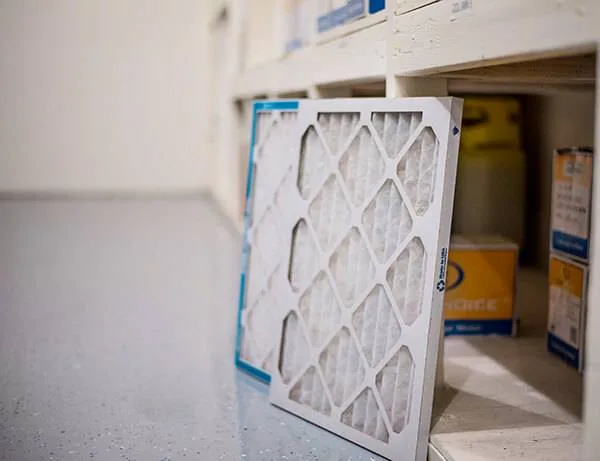
Turn off power at the furnace switch or breaker before opening the filter slot. Slide the old filter out and note the airflow arrow. Insert the new filter with the arrow pointing into the furnace and close the slot securely.
Pick the right filter size and type for your system. A one-inch disposable filter may need monthly replacement. Pleated filters often last three to six months. Avoid very high-MERV filters unless the blower can handle the added resistance.
How can I test the thermostat?
Raise the thermostat set point and listen for the furnace to start. Check that the system runs and cycles normally. Replace batteries if the display is blank or dim, and confirm the programmed schedule matches your needs.
If the furnace cycles too fast or ignores commands, check wiring and power. For persistent faults, replace an old thermostat or call a pro. A reliable thermostat avoids wasted runtime and comfort issues.
What to check at the pilot or ignition?
For pilot-lit systems, look for a steady blue flame with a small inner cone. A yellow or flickering flame means dirty burners or poor combustion. For electronic ignition, watch for prompt lighting without many retries.
If ignition is inconsistent or you smell gas, shut off the unit and call a technician. Never try to adjust gas pressure or flame settings yourself. Those tasks require tools and training to be safe.
How do vents and registers affect performance?
Inspect supply registers and return grilles for dust, blockage, or closed dampers. Keep furniture and curtains at least two feet from registers to allow airflow. Vacuum visible dust and wipe grilles with a damp cloth if needed.
Blocked returns force the blower to work harder and can trigger limit switches. That raises energy use and shortens motor life. Balanced airflow improves comfort and reduces the chance of overheating.
How to inspect the blower motor?
First cut power to the furnace before opening the blower compartment. Look for dust buildup, loose wires, and signs of wear. Check belts on belt-driven blowers for cracking or slop and clear debris from fan blades.
If the blower hums, squeals, or fails to start, stop and call a technician. Motor replacement and capacitor testing need proper tools. Light cleaning and visual checks are safe for owners but leave repairs to pros.
When should I call a professional?
Call a professional if you smell gas, see soot, or have a CO alarm event. Also call when the furnace fails to produce heat or cycles excessively. Professionals handle combustion testing, gas pressure checks, and heat-exchanger inspection safely.
If you lack tools or confidence, call a certified HVAC tech sooner rather than later. Early professional intervention often prevents larger repairs. Keep a trusted technician’s contact handy before cold weather starts.
How do I recognize a gas leak?
Natural gas has an added odorant that smells like rotten eggs. If you smell that odor, avoid using switches, phones, or open flames. Leave the home right away and call your gas utility or emergency services from a safe spot.
Do not try to find the leak yourself. Utilities and trained technicians use special detectors and shutoff procedures. Evacuating quickly reduces the risk of fire or explosion. [Point 1] (Source: Building America Solution Center HVAC Guides)
When is a cracked heat exchanger dangerous?
A cracked heat exchanger can let combustion gases, including carbon monoxide, enter the home. Signs include soot buildup, rust, and unexplained CO alarm activations. Frequent short cycling and weak heat can also hint at exchanger problems.
A technician with proper tools inspects the exchanger visually and with combustion testing. Heat-exchanger replacement is a critical safety repair and should be handled by licensed pros. For old units, replacement may be more cost-effective.
What are carbon monoxide warning signs?
Low-level carbon monoxide exposure causes headaches, nausea, dizziness, and confusion. Pets may act odd or fall ill. If a CO alarm sounds, evacuate right away and call emergency services for a swift inspection.
Do not ignore intermittent alarms. A pro will test combustion appliances, flues, and ventilation. Only re-enter after a qualified person confirms the home is safe.
Why hire a NATE-certified technician?
NATE certification shows the tech passed industry tests and likely follows best practices. Certified technicians can perform combustion analysis and interpret the results correctly. They usually document findings in plain terms for homeowners.
Ask for proof of certification, a written report, and references when booking. Certified pros lower the chance of incorrect adjustments and unsafe repairs.
How much does a professional tune-up cost?
A typical residential tune-up ranges from about one hundred to three hundred dollars. Price varies by region, system type, and tests included. High-efficiency or complex systems may cost more for full combustion testing.
You may qualify for federal tax credits that reduce your upfront cost.
Some companies offer maintenance plans that bundle annual service with repair discounts. Compare one-time tune-up costs with plan pricing to find the best value for your home and system age.
How does maintenance save on energy costs?
Maintenance keeps burners and heat exchangers clean so the furnace transfers more heat per unit of fuel. Clean parts burn fuel more fully and keep AFUE near rated numbers. That reduces fuel use and lowers bills over time.
Small fixes like replacing filters and sealing return leaks cut wasted energy. Over time, saved fuel can offset tune-up costs and delay full replacement. Track bills before and after service to judge real savings.
Browse our project portfolio to see examples of our installation work.
How much energy can tune-ups save?
Savings depend on unit age and condition. A well-maintained older furnace can regain a few percent efficiency and yield modest fuel savings. In some cases, tune-ups and duct sealing may cut energy use by five to ten percent.
Newer high-efficiency units lose less performance, but maintenance still prevents small losses. Local fuel prices and runtime affect actual savings. Keep records to compare before and after results.
What seasonal checks matter before winter?
Before winter, run the furnace through a full heating cycle and confirm thermostat settings. Replace filters and inspect vents and returns. Schedule a professional combustion test and heat-exchanger check before heavy use starts.
Also clear outdoor intake and exhaust vents of debris and leaves. In cold climates, insulate exposed pipes and prevent drafts to keep the furnace working efficiently. (Source: Energy gov HVAC Efficiency Basics)
How do air filters affect efficiency?
Filters trap dust and protect the blower and heat exchanger. When filters clog, airflow drops and the blower uses more electricity. Restricted airflow can cause overheating in gas furnaces and reduce comfort.
Choose a filter that balances particle capture and airflow. Higher-MERV filters capture small particles but may restrict airflow if the system cannot handle them. Ask a technician if unsure.
What safety checks should I perform?
Perform monthly tests of carbon monoxide and smoke alarms and keep the furnace area clear of clutter. Watch for soot, rust, or water leaks. These simple checks reduce immediate risk and help spot developing failures early.
Do not attempt gas or combustion repairs yourself. For those tasks, hire licensed professionals. Good home safety mixes owner checks with scheduled professional inspections and testing.
How should I test carbon monoxide alarms?
Press the test button on CO alarms monthly and replace batteries per manufacturer guidance. Choose alarms that meet local code and interconnect devices for whole-house warning. Replace the unit when it reaches the end of its listed life.
If an alarm activates unexpectedly, leave at once and call emergency services. Only re-enter after a qualified person confirms the home is safe to occupy.
What is the emergency shutoff procedure?
Know the furnace power switch location and where the gas shutoff valve sits. If you smell gas and it is safe to do so, shut off the gas valve and leave the building. Call emergency services from a safe distance.
Never try to repair a gas leak yourself. Utilities and licensed pros have procedures and tools to restore safety and prevent accidents.
How to inspect electrical connections safely?
Turn off the circuit breaker before opening electrical panels. Look for loose wires, melted insulation, or burn marks. Only tighten accessible screws if you feel comfortable and the power is off.
If you see arcing, buzzing, or broken components, stop and call a pro. Live electrical work is dangerous and should be left to licensed electricians or HVAC techs.
When does the gas valve need service?
If the furnace will not light, trips, or you smell gas near the valve, call a technician. Gas valves can fail with age and may leak. Do not remove or attempt to repair valves yourself.
A technician can test the valve, measure gas pressure, and replace defective parts safely. They will test afterward for leaks and for correct combustion.
How do I check the heat exchanger for cracks?
Homeowners should not open combustion chambers to inspect the heat exchanger. Instead watch for indirect signs like soot, rust, and CO alarm events. Poor heat output and frequent cycling can also be clues.
Technicians use visual tools and combustion analysis to find cracks. If damage is found they will recommend repair or replacement based on safety and cost. [Point 2] (Source: Building America Solution Center HVAC Guides)
How often replace thermostat batteries?
Replace thermostat batteries once a year or when the display dims. Low batteries cause lost programming and can stop heating unexpectedly. Programmable thermostats usually warn when batteries are low.
Keep a note of battery dates in your maintenance log. Fresh batteries avoid unnecessary service calls for simple issues.
How to clean the combustion chamber?
Cleaning the combustion chamber is a professional task. Technicians remove deposits and corrosion to restore good combustion. Proper cleaning improves efficiency and lowers soot formation and CO risk.
Do not open combustion doors or adjust burners yourself. Incorrect work can change combustion behavior and create unsafe conditions.
Why clear surrounding combustible materials?
Furnaces need space to cool and for safe furnace access. Storing paint, paper, or solvents near the furnace raises fire risk. Maintain at least two feet of clearance and keep the area tidy for safe operation.
Remove flammable items from the furnace room regularly. Clear space also helps technicians reach components quickly during service visits.
How to maintain condensate drains?
High-efficiency furnaces make condensate that must drain away. Check the drain and trap for clogs and clear visible buildup. A blocked condensate line can cause shutdowns and water damage.
If drains back up or leak, call a technician. They can clear traps and check the condensate pump where present.
What PPE should homeowners use?
When you inspect or clean around the furnace, wear gloves, eye protection, and a dust mask if you disturb dust. Use a flashlight and avoid loose clothing near moving parts. These steps lower exposure to dust and debris.
If you find mold, heavy soot, or chemical smells, consider professional cleaning. PPE helps for basic checks but does not replace licensed services for hazardous tasks.
Are DIY electrical repairs safe?
DIY electrical repairs on furnaces are risky and not recommended. Working on live circuits can cause injury or fire. Only licensed electricians or certified HVAC techs should replace control boards, capacitors, or wiring.
Simple actions like replacing batteries and checking connectors with power off are safe. For anything complex, call a qualified pro.
How do I schedule service with The Cooling Company?
Las Vegas area readers can schedule furnace tune-ups directly with The Cooling Company by calling (702) 567-0707. Ask for a pre-season inspection, combustion analysis, and heat-exchanger check. The Cooling Company serves Las Vegas, Henderson, and North Las Vegas with clear pricing and written reports.
If you live outside our service area, find a NATE-certified technician at natex.org and ask for full combustion testing and heat-exchanger inspection. For local readers, call (702) 567-0707 to get priority scheduling and transparent pricing from The Cooling Company.
Contact options and guarantees
The Cooling Company offers phone scheduling at (702) 567-0707, flexible appointment windows, and service guarantees on repair work. Technicians provide written summaries after inspections and explain findings plainly. Mention this article when you call to receive priority booking.
Outside our service area, use natex.org to verify technician credentials and training. Regular maintenance protects comfort and safety. Schedule your tune-up now with The Cooling Company if you are in Las Vegas, Henderson, or North Las Vegas, or find a certified local pro.
Related reading: what to explore next?
- Electric Heating and Cooling: Save Money with Heat Pumps Today
- Furnace Maintenance Checklist for Homeowners (DIY)
- Furnace Tune-Up Guide: Cost, What's Included, and How Often to Schedule
- Carbon Monoxide Safety: Essential Heating Maintenance Tips
Need HVAC service help in Las Vegas?
If you're facing an HVAC emergency in Las Vegas, Henderson, or North Las Vegas, The Cooling Company offers fast, reliable service from licensed technicians. We understand that heating and cooling emergencies don't wait for business hours.
Call us now at (702) 567-0707 for emergency service. Our team is ready to help restore your comfort quickly and safely.
About The Cooling Company
- Phone: (702) 567-0707
References
- U.S. Department of Energy (Energy.gov) (accessed 2025-12-22)
- U.S. Environmental Protection Agency (EPA) (accessed 2025-12-22)
- ASHRAE (Standards and guidance) (accessed 2025-12-22)
- ENERGY STAR (Heating & cooling) (accessed 2025-12-22)
Related service: Need furnace service in Las Vegas? Explore our furnace repair and heating maintenance services for Las Vegas homeowners.
Need HVAC Service in Las Vegas?
The Cooling Company provides expert HVAC service throughout Las Vegas, Henderson, and North Las Vegas. Our licensed technicians deliver honest assessments, upfront pricing, and reliable results.
Call (702) 567-0707 or visit heating, furnace repair, heating maintenance, or heat pump installation for details.