

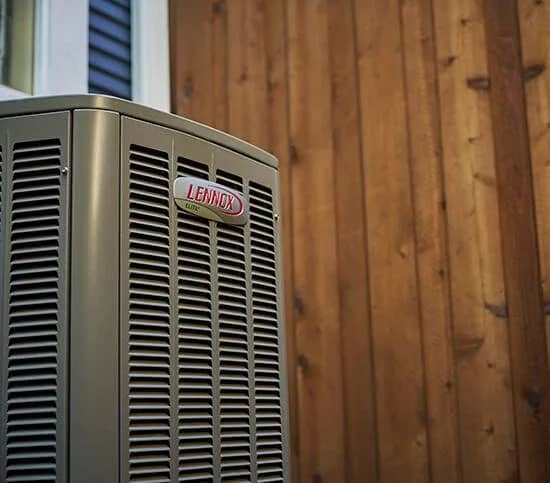
Short answer: Discover HVAC maintenance tips to verify Lennox coil matches in Summerlin in 5 steps, avoid voided warranties and save labor; get the checklist.
Use a Lennox coil pairing chart to confirm indoor coils match your outdoor unit. Check refrigerant type, metering device, and airflow targets before any swap. Take photos and measurements, then document the chart row. This prevents poor cooling, voided warranties, and wasted labor in Summerlin's heat. (ASHRAE Technical Resources)
Key Takeaways
- Photograph the indoor coil tag and the outdoor unit nameplate before any work.
- Verify refrigerant type, metering device, and CFM per ton against the Lennox chart.
- Call a certified tech if tags are missing, refrigerant differs, or airflow is low.
A concise record saves time and avoids common mistakes on swap jobs. Keep the chart row, photos, and measured CFM and amps in one file. That bundle speeds warranty claims and helps techs choose the right metering device or replacement.

What is a Lennox coil pairing chart?
A Lennox coil pairing chart lists which indoor evaporator coils work with specific outdoor condensing units. Each chart row shows model codes, refrigerant type, and metering device needs. You should use that row as the authority when swapping coils or ordering replacement parts.
Manufacturers publish limits and notes about blower CFM, amp caps, and special coil families. A small model code change can alter face area or tube size. Homeowners who skip the chart risk poor humidity control, shortened equipment life, and denied warranty claims.
Where do I find model tags?
Look for the outdoor nameplate on the condenser side panel or top corner. Open the indoor coil access panel and check near the filter box or on the cabinet wall for the coil tag. Take clear, full-frame photos that include surrounding unit context and lighting to capture small codes without glare.
If a tag is missing, do not guess the code. A missing tag can mean a prior swap or nonstandard part. Call a certified tech to confirm coil construction and refrigerant before any refrigerant work begins. (ASHRAE Technical Resources)
What info does each chart row show?
Each row lists the outdoor model, approved indoor coil families, and required refrigerant type. It also flags whether a TXV, fixed orifice, or piston is needed and gives recommended CFM per ton ranges. Notes may show amp limits, compressor restrictions, or heat pump exceptions.
Read the notes for exceptions or limited matches carefully. A chart row change can affect warranty acceptance and system performance. Keep a printed or saved copy of the exact row that matches your unit tags.
How do I verify a Lennox coil match in five steps?
Start by photographing both indoor and outdoor model tags to prevent errors when reading small codes. Next, find the outdoor model on the Lennox pairing chart and locate the matching row. Confirm that refrigerant and metering device match the chart entry before any refrigerant work begins.
Then measure airflow and amps and compare them to the chart targets to confirm acceptable operation. Finish by documenting everything in a dated service file. This order helps avoid wasted labor and shows compliance if warranty questions arise.
How do I photograph tags for records?
Use a smartphone with steady hands and a flashlight to cut glare on shiny plates. Take at least two shots of each tag: one close-up and one that shows the tag location on the unit. Rename image files to include model and serial numbers and back them up to the cloud or your service folder.
Good photos reduce call-backs and wrong parts orders. Techs and manufacturers can read codes from clear images. Keep photos with the matching chart row in the service file for future proof.
What five steps should I follow?
Follow this checklist: photo tags, look up the outdoor model on the Lennox chart, verify refrigerant type and metering device, measure airflow and motor amps. Save the report with the chart row. Use measurements to confirm the swap will meet Lennox targets. Document pressures, superheat or subcooling if available.
If any step fails, pause and call a certified tech before charging refrigerant or making permanent changes. Trained pros can read subtle chart notes, swap metering devices when allowed. Ensure the compressor will not run stressed after the swap. (ASHRAE Technical Resources)
What tools and measurements do I need?
Certified techs rely on manifold gauges, a clamp meter, an anemometer or flow hood, and temperature probes to verify matches. These tools check refrigerant pressures, amps, total system CFM, and superheat or subcooling numbers. Accurate readings matter for safe and legal refrigerant handling.
Homeowners only need a smartphone, flashlight, and basic notes to gather tags and early info. Avoid DIY refrigerant work. Certified techs must handle pressurized refrigerant and use calibrated gauges. Bring the Lennox chart row to the job so techs can compare live readings to chart targets.
Which airflow tools should a tech use?
A flow hood gives the most accurate whole-system CFM number at supply registers and plenum outlets. Vane anemometers work for spot checks at grilles or pickups. Techs may also use a manometer to measure static pressure across the system to judge duct restrictions.
Combining static pressure and total CFM shows whether the blower can reach the chart's CFM per ton target. Adjust blower taps or motor speed only when the motor supports those options, and confirm changes with new measurements.
How do I measure CFM per ton?
Measure the total system CFM at all supply outlets or at the return plenum, not at a single vent. Add register readings or use a flow hood to get the whole-system number. Divide total CFM by the system tonnage to get CFM per ton.
As an example, a 3-ton system with 1,200 CFM yields 400 CFM per ton. Aim for the chart range, often between 350 and 450 CFM per ton. If you miss that target, check ducts, filters, and return paths for restrictions.
What happens if the coil and condenser don't match?
A mismatch can reduce efficiency, cut comfort, and cause compressor stress. Wrong metering or refrigerant can make the evaporator too cold or too warm, causing freeze-ups or high head pressure. That leads to higher bills, shorter equipment life, or unexpected failures in hot weather.
Some mismatches can be fixed by fitting the correct metering device or adjusting blower settings when the coil and refrigerant already match. Other cases require replacing coil or outdoor unit. Compare repair costs and remaining equipment life before deciding. (ASHRAE Technical Resources)
For a detailed cost breakdown, see our HVAC pricing guide.
Can refrigerant mismatch be fixed?
A true refrigerant mismatch, like mixing R-22 and R-410A components, is not a practical fix. Those refrigerants run at different pressures and use different oil types. Converting usually requires compressor, coil, and metering device changes, making full replacement the common choice.
If refrigerant types already match, check the metering device and coil face area next. A tech can then test the charge and performance to confirm safe operation after any swap or metering change.
How will a mismatch change bills?
Expect reduced seasonal efficiency when coils do not match the chart. Typical losses run roughly five to fifteen percent for common mismatches in many homes. Higher run times mean higher energy bills and more wear on parts, which raises lifecycle costs.
Use numbers in repair quotes to compare life-cycle costs. A higher upfront price for a matched new system can pay back through lower energy use and better warranty coverage. Balance short-term repair savings against long-term operating costs.
Who should I call in Summerlin and nearby?
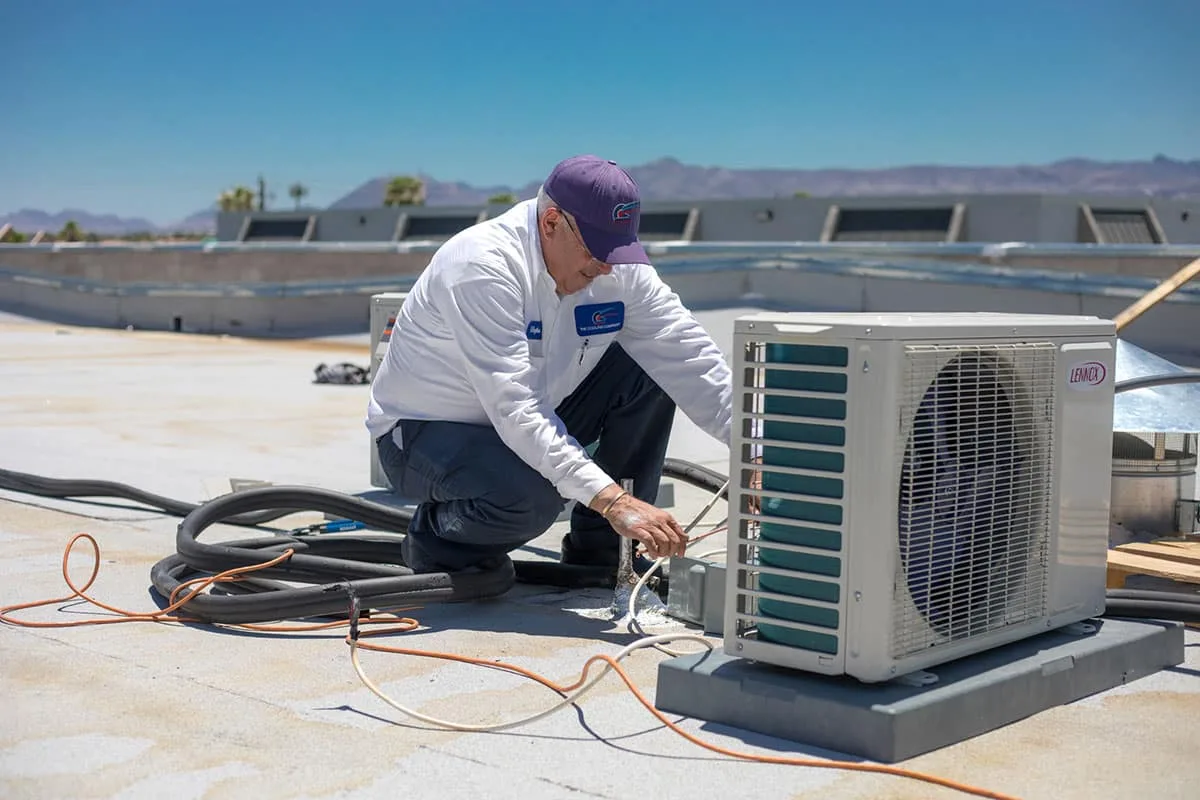
Call a local Lennox-aware HVAC provider when tags are missing or readings look off. Local techs know common Summerlin duct layouts and how high outdoor temperatures affect performance. Use a pro to verify tags, read charts, and test airflow and amps under load.
For fast, documented service in Las Vegas, Henderson, or North Las Vegas, contact The Cooling Company. Ask for a full photo record and a written chart-row match. That proof helps with warranty claims and shows the job followed manufacturer guidance.
How will The Cooling Company inspect my system?
A tech from The Cooling Company will photograph tag plates and unit context and measure supply and return CFM. They will also read compressor and fan amps and measure high and low pressures to compare against Lennox chart numbers. You receive a written report with photos and measured values.
Expect a clear recommendation: replace the coil, change the metering device, or replace the matched system. The written quote lists parts, labor, and warranty implications to help you decide based on facts and costs. (ASHRAE Technical Resources)
Which questions should I ask the tech?
Ask if the coil and outdoor unit are listed together on the Lennox pairing chart row that matches your model codes. Request proof of refrigerant type and metering device match. Ask for CFM per ton, compressor amps, static pressure, and pressure readings.
Also request a written report with photos and the chart row that shows approval for your combo. If the tech recommends a conversion, ask for a cost comparison between repair and a full matched replacement.
Final checklist and next steps
Photo indoor coil tags and the outdoor nameplate before any work begins. Confirm refrigerant type and metering device match the Lennox chart row and measure total CFM to compute CFM per ton. Save compressor and fan amp readings and pressure numbers in a dated service file.
Ask the tech to print or email the exact Lennox chart row that shows approval for your combo. That step speeds warranty claims and avoids future disputes. Keep the file with receipts, photos, and the chart row for easy reference down the road.
How does this affect homeowners?
Following the chart and documenting the job ensures the system runs as intended and maintains warranty rights. Doing these checks helps avoid comfort issues and expensive surprises in peak heat. Homeowners who keep records often have faster warranty support and clearer repair choices.
If you're outside our area, what should you request?
Ask for NATE-certified technicians who verify Lennox pairing charts and provide written proof of matching chart rows. Request measured CFM, compressor amps, and pressure readings before approving any refrigerant or coil work. That request keeps jobs safe and protects warranty coverage no matter where you live.
Ready to book a Lennox pairing check?
Call The Cooling Company at (702) 567-0707 to schedule a certified Lennox match inspection in Las Vegas, Henderson, or North Las Vegas. Expect a timed visit, a full photo record, measured CFM and amps, and a written recommendation. The report helps you choose the right repair or replacement with clear costs and warranty notes.
If you live outside our service area, ask for NATE-certified techs who will verify pairing charts and provide the same documentation. That step gives you confidence the job meets manufacturer guidance and protects the system long term.
Related next steps
Following the proper process ensures optimal results and prevents common mistakes. Start by gathering the necessary information and understanding your specific needs. Consult with qualified professionals who can assess your situation and recommend the best approach. Document important details throughout the process for future reference. Taking these steps systematically leads to better outcomes and helps you avoid potential complications.
Keep a copy of the Lennox pairing chart row with your service file and photos. Check filters and duct returns when low CFM appears; small fixes often restore airflow. When in doubt, stop and call a certified tech to avoid costly missteps.
About The Cooling Company
The Cooling Company has been serving the Las Vegas valley with professional HVAC services for over a decade. Our team of licensed, NATE-certified technicians specializes in air conditioning repair, heating system maintenance, and complete HVAC installations. We're committed to providing honest, reliable service with upfront pricing and a 100% satisfaction guarantee on all work performed.
- Phone: (702) 567-0707
- Reviews: 4.8/5 stars (780+ reviews) - See reviews
Service Areas
We proudly serve homeowners and businesses throughout the Las Vegas metropolitan area, including Las Vegas, Henderson, and North Las Vegas. Our service technicians are available for same-day appointments in most areas, with emergency service available 24/7 for urgent HVAC issues.
References
- U.S. Department of Energy (Energy.gov) (accessed 2026-01-02)
- U.S. Environmental Protection Agency (EPA) (accessed 2026-01-02)
- ASHRAE (Standards and guidance) (accessed 2026-01-02)
- ENERGY STAR (Heating & cooling) (accessed 2026-01-02)
Related reading: Lennox C35 coil matching, Lennox system pricing, and Lennox HVAC model guides.
Need HVAC Service in Las Vegas?
The Cooling Company provides expert HVAC service throughout Las Vegas, Henderson, and North Las Vegas. Our licensed technicians deliver honest assessments, upfront pricing, and reliable results.
Call (702) 567-0707 or visit AC repair, maintenance, heating, or installation for details.