
Short answer: If your AC and heater stopped working after a maintenance visit, filter change, or installation, something likely got disconnected or left off. Check for a safety switch that was tripped, an access panel that isn't fully latched (many units have a door interlock), or a drain float switch that was unplugged during service. Call (702) 567-0707 if the original service company can't resolve it.
If both your AC and heater won't run, check power and thermostat first. Replace batteries, confirm the HVAC breaker and the outdoor disconnect, swap a dirty filter, and inspect the condensate pan. Note lights or error codes and call a pro for repeated breaker trips or gas and electrical faults. (ASHRAE Technical Resources)
Key Takeaways
- After a service visit, the most common cause is a safety switch or access panel left open — check the furnace door interlock first.
- Filter changes can dislodge drain float switches or leave condensate lines disconnected — inspect the drain pan area.
- If a new thermostat was installed, verify the wiring matches the original configuration and the system type setting is correct.
Where to start troubleshooting?
Begin with safe, visible items where most failures occur. Work top-down so you remove variables quickly. Start at the thermostat, then move to the breaker, outdoor unit, condensate, filter, vents, and blower. Taking this order saves time and avoids unnecessary calls when simple fixes restore function.
Homeowners often skip obvious items and then call a tech. A quick checklist avoids that extra cost. Keep notes and photos of each step to share with a technician. That speeds diagnosis and can cut service time and fees.
Is the thermostat powered and set correctly?
Check that the thermostat is in HEAT, COOL, or AUTO and not OFF. Replace the batteries if the screen is blank or dim. Also make sure the set temperature is at least a few degrees different from room temp so the HVAC will receive a clear call for heat or cool.
If the thermostat has a dead battery icon or no display, a new pair of alkaline batteries usually fixes it. Smart thermostats can lose power if a common wire is missing. Note whether the thermostat shows a Wi‑Fi icon or error; that helps a tech diagnose power issues.
Have you checked the circuit breaker?
Open your breaker panel and look for a tripped HVAC breaker. Reset a tripped breaker once by switching it fully off then on. If the breaker trips again, stop and do not keep resetting it. Repeated trips indicate an electrical fault that needs a certified electrician or HVAC pro.
Also check for a labeled furnace or AC breaker and any subpanel fuses. Record which breaker was tripped and when. That information helps a technician find intermittent problems that may not appear during a single visit.
Does the outdoor unit show any lights?
Walk to the outdoor condenser and look for a small service light or status LED near the compressor or control box. A flashing LED often encodes an error. Note any steady, off, or blinking lights and take a photo. Those details guide a technician toward control board or compressor faults.
If the outdoor unit has no lights and the breaker is good, the disconnect or a fused switch might be off or blown. Avoid opening the unit. Instead, tell the technician which lights you saw and whether the contactor tried to pull in when the thermostat called.
How do I check the thermostat?
Thermostats tell your system when to run. Small faults at the thermostat can make both heating and cooling seem dead. Start by checking power, then wiring and settings. Use care when removing covers and always kill power at the breaker first. (ASHRAE Technical Resources)
If you have a smart thermostat, confirm the app shows the device online. A blank screen on a hardwired unit can mean a failed transformer. Note the model and any error messages before calling for help.
Is it battery or hardwired?
If the thermostat uses batteries, replace them with fresh alkaline cells. Some thermostats need two or more new cells. A hardwired thermostat relies on a 24VAC transformer in the furnace or air handler. A blank hardwired stat could mean no low-voltage power from that transformer.
If you have a thermostat with a C‑wire, confirm the C wire is present and secure. Missing common wires can cause modern smart stats to behave erratically. Photographs of the wiring help later troubleshooting.
Have you checked wiring and connectors?
Turn off HVAC power at the breaker before removing the thermostat cover. Inspect R, C, W, Y, and G terminals for loose or corroded wires. Tighten any loose screws and ensure no bare copper is shorting against the mounting plate. Damaged wires need professional repair to avoid further faults.
If colors don’t match labels or wires are frayed, stop and take pictures. Labeling wires with masking tape can help record the original layout before any technician visit. That reduces wiring errors in swaps or replacements.
Can you swap the thermostat temporarily?
If you have a spare, simple thermostat, power down, swap it in, and test for heat or cool. This helps confirm whether the thermostat or the HVAC equipment is at fault. A temporary swap gives a clear yes/no result for further diagnosis.
Do not attempt a swap if wires are burned or if you lack confidence. A wrong wire connection can damage control circuits. When unsure, wait for a trained technician to perform the swap.
What should I inspect on the outdoor unit?
The outdoor condenser houses the compressor, fan, contactor, and capacitors. Problems here commonly stop cooling and can affect control circuits. Inspect only what you can see and touch from a safe distance. Never open the unit while power is on.
Basic checks reveal common faults like blown fuses, a tripped disconnect, or heavy debris blocking airflow. Note any burnt smells, oil stains, or rattling parts. Those are signs a technician should see right away.
If the unit is a Rheem model, consider checking resources like rheem service professionals vegas for model-specific tips.
Is the outdoor disconnect switch on?
Find the disconnect near the outdoor unit. It may be a pull‑out block or a fused switch. Verify it is in the ON position. Sometimes it is left OFF after service or tripped by maintenance. If you find it OFF, return it to ON and test the system.
If the disconnect will not stay in position or if fuses look blown, do not replace fuses yourself unless you know the exact rating. Record fuse numbers if visible and tell the tech. Incorrect fuses can mask deeper electrical faults. (ASHRAE Technical Resources)
Are fuses or breakers for the outdoor unit intact?
Check the outdoor fused disconnect and your HVAC breaker. A blown fuse or tripped breaker can prevent the compressor and fan from getting power. If a fuse blows again after you replace it, or the breaker trips repeatedly, stop and call an electrician. Persistent faults are dangerous.
When you inspect fuses, write down the fuse type and amp rating. Technicians need that data to match parts. Photos are often the quickest way to capture the exact fuse markings.
Is the contactor or capacitor damaged?
Listen for a click when the thermostat calls for cooling. Rapid clicking or no click can mean a bad contactor. A humming sound without spin often points to a bad capacitor. Both parts sit inside the outdoor unit and work on high voltage, so do not attempt DIY replacement.
Visible burn marks on contact points or a swollen capacitor casing are clear signs of failure. Tell the technician exactly what you saw and heard. That helps prioritize parts on the first service visit.
Are condenser coils iced or clogged?
Ice on the coils or a heavy layer of debris reduces airflow and stops the cooling cycle. Gently clearing surface debris can help, but never force fin straightening without the right tools. If coils freeze and then thaw repeatedly, suspect low refrigerant or airflow problems that need a pro.
Keep 18 to 36 inches of clearance around the unit and trim plants back. Good airflow prevents many no‑start conditions and improves efficiency. Record how close plants or storage items were to the unit when problems began.
How to verify indoor safety and power?
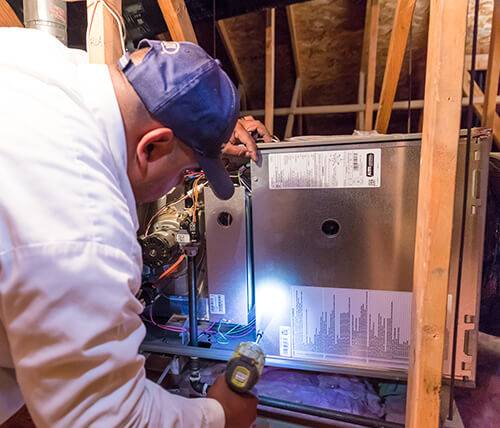
Indoor power and safety devices protect occupants and your equipment. Check visible switches and outlets, but stop before opening panels or working on gas valves. If you smell gas, see scorch marks, or find corrosion, evacuate and call the proper emergency services.
Routine checks include the furnace service switch, visible wiring, and the control board area for obvious damage. Note component lights and any error codes displayed near the air handler or furnace. For guidance on identifying and addressing smells, see troubleshooting hvac odors.
Is the furnace power switch on?
Most furnaces and air handlers have a red service switch that looks like a standard light switch. Make sure it is in the ON position. Also confirm the thermostat fan setting and that the HVAC breaker is not tripped. These simple checks restore power for many no‑start calls.
If the switch was off, ask household members about recent work near the unit. Sometimes it was turned off during maintenance or cleaning and left that way afterward. Keep a note when such changes occur. If you have a Ruud unit, common fixes and indicators are discussed in ruud furnace problems.
Are household GFCI or AFCI outlets tripped?
Some HVAC circuits run through GFCI or AFCI protected outlets in basements or garages. Inspect those outlets and press RESET if needed. If the outlet trips again, this suggests a ground or arc fault that needs an electrician or an HVAC tech to inspect the wiring.
Record which outlets reset and which did not. That helps narrow down where the circuit fault originates. Persistent trips should not be ignored. (ASHRAE Technical Resources)
Could a power surge have damaged controls?
Power outages and surges can fail control boards and transformers. If the HVAC stopped after a storm, note that timing. A failed control board can kill both heating and cooling circuits and usually requires professional replacement and testing.
If you suspect surge damage, ask the technician about surge protectors for the furnace or air handler. Protection can reduce future risk and protect expensive control components.
For a detailed cost breakdown, see our HVAC repair guide.
What safe DIY checks can I do?
Homeowners can narrow down causes with non-electrical and non-gas checks. Safety matters, so use gloves, eye protection, and avoid live terminals. If any task seems to require internal access or special tools, stop and call a licensed technician.
Keep a phone handy and take photos before and after checks. That record helps if you need to describe the problem to a tech or to your home insurance.
For more troubleshooting steps, see our AC troubleshooting guide.
How to change the air filter?
Turn off the HVAC system before accessing the filter slot. Remove the old filter and compare its thickness and size to a new replacement. Insert the new filter with the airflow arrow pointing toward the blower. Record the date on the filter frame for future reference.
Higher MERV ratings capture more particles but can restrict airflow on some systems. Check your owner manual or ask a pro which MERV rating your system supports. Monthly checks during heavy use seasons are a good rule.
How to check the condensate drain?
Inspect the drain pan under the air handler for standing water. A plugged condensate line often trips a float switch that prevents operation. Use a wet/dry vacuum at the drain stub or a nylon brush to clear clogs. Avoid chemical cleaners that can harm PVC or internal parts.
If you cannot clear the clog, call a technician. Persistent clogs can signal a blocked line outside, a broken pump, or biological growth that needs professional cleaning.
When should you avoid opening panels?
Never open high‑voltage panels unless you are licensed. Panels can hold lethal voltages even with power off. If a breaker label is unclear or you need to test transformers or contactors, stop and call a certified technician. Safety is not worth a guess.
If you must move covers, always shut power at the main breaker and verify no voltage with a proper meter. If you do not have training, let the pro handle internal checks.
What basic safety gear should you use?
Wear work gloves and safety glasses when handling debris or filters. Use non‑conductive shoes for electrical checks and remove jewelry. Keep a flashlight and phone nearby. Working with a partner increases safety and offers help in case of a fall or other injury.
If you suspect gas leaks or see burning odors, evacuate the home and call emergency services. Do not try to locate a gas leak yourself. (ASHRAE Technical Resources)
When should I call a technician?
Call a pro when your safe checks do not restore operation. Also call if breakers trip repeatedly, you smell gas, or you see scorch marks. Loud bangs, frozen coils, and visible oil on the outdoor unit also need immediate attention from a licensed technician.
If you lack safe access to equipment or if repairs require refrigerant handling, professional service is necessary. Certified techs have tools and training to diagnose and fix complex faults.
What signs need immediate help?
Evacuate and call right away if you smell gas or notice a strong burning odor. Also get help for loud mechanical bangs, visible sparks, or repeated breaker trips. These are potential hazards to people and property and must not be ignored.
If your compressor smells burnt or the outdoor unit leaks oil, shut the system off and schedule service. Running a damaged compressor can cause broader failures and higher replacement costs.
What should you tell the technician?
Give clear details about symptoms, when the problem started, and what you tried. Include photos of thermostat displays, breaker panels, and outdoor disconnects. Mention any recent storms, surges, or service work. Those facts speed diagnostics and help techs arrive prepared.
Ask for a written diagnostic and an itemized estimate before major repairs. Also ask about parts warranties and labor guarantees. That prevents surprise costs and sets expectations for repairs.
Ready to book fast HVAC service?
If you need expert help now in Las Vegas area, call The Cooling Company at (702) 567-0707. The Cooling Company offers fast diagnostics, emergency repairs, and routine maintenance. They serve Las Vegas, Henderson, and North Las Vegas with NATE‑certified technicians who can handle electrical, gas, and refrigerant work.
We also provide brand-specific work including trane furnace repair henderson.
If you are outside the Las Vegas area, ask for NATE‑certified technicians and request a written diagnostic and estimate. Certified techs follow safety rules and have training for modern control systems and refrigerant handling.
How to reach The Cooling Company now?
For Las Vegas area homeowners, call The Cooling Company at (702) 567-0707 for same‑day or emergency service. Have your system make and model ready and describe what you tried. Clear access to indoor and outdoor units speeds the visit and often gets you a faster fix.
If you are arranging service elsewhere, tell the dispatcher you want NATE‑certified techs and a written diagnostic. That request helps ensure qualified work and clear pricing up front.
What to expect on the first visit?
Technicians perform visual checks, power tests, control verification, and component testing. They will provide a written diagnostic and an itemized repair estimate before starting major work. Ask about parts warranties and expected repair timelines so you can plan.
If replacement components are needed, request options and lifetime cost estimates. That helps compare repair versus replacement decisions fairly. If replacement is on the table, consult how much to install hvac system in old house for cost considerations.
Final step: need expert, fast HVAC service? Call The Cooling Company now at (702) 567-0707 for NATE‑certified diagnostics, emergency repairs, and maintenance in Las Vegas, Henderson, and North Las Vegas. If you are outside our service area, ask any HVAC company for NATE certification, a written diagnostic, and transparent pricing.
About The Cooling Company
The Cooling Company has been serving the Las Vegas valley with professional HVAC services for over a decade. Our team of licensed, NATE-certified technicians specializes in air conditioning repair, heating system maintenance, and complete HVAC installations. We're committed to providing honest, reliable service with upfront pricing and a 100% satisfaction guarantee on all work performed.
- Phone: (702) 567-0707
- Reviews: 4.8/5 stars (780+ reviews) - See reviews
Service Areas
We proudly serve homeowners and businesses throughout the Las Vegas metropolitan area, including Las Vegas, Henderson, and North Las Vegas. Our service technicians are available for same-day appointments in most areas, with emergency service available 24/7 for urgent HVAC issues.
References
- U.S. Department of Energy (Energy.gov) (accessed 2026-01-02)
- U.S. Environmental Protection Agency (EPA) (accessed 2026-01-02)
- ASHRAE (Standards and guidance) (accessed 2026-01-02)
- ENERGY STAR (Heating & cooling) (accessed 2026-01-02)
Need HVAC Service in Las Vegas?
The Cooling Company provides expert HVAC service throughout Las Vegas, Henderson, and North Las Vegas. Our licensed technicians deliver honest assessments, upfront pricing, and reliable results.
Call (702) 567-0707 or visit AC repair, maintenance, heating, or installation for details.