

Fuses
Fuses are electrical safety devices that protect circuits from overcurrent or short circuits. When current exceeds the rated limit, the fuse element melts and opens the circuit to prevent damage. In HVAC systems, fuses protect motors, compressors, and control boards from electrical faults and overheating.
💡 Key Takeaways
- ✓Fuses are electrical safety devices that protect circuits from overcurrent or short circuits. When current exceeds the rated limit, the fuse element melts and opens the circuit to prevent damage. In HVAC systems, fuses protect motors, compressors, and control boards from electrical faults and overheating.
- ✓Repeated blown fuses often indicate a deeper electrical problem.
- ✓Fuses are common in disconnects and some older panels.
- ✓Incorrect fuse sizing can increase fire risk or nuisance trips.
Fuses
/fjuːzɪz/
Definition
Fuses are electrical safety devices that protect circuits from overcurrent or short circuits. When current exceeds the rated limit, the fuse element melts and opens the circuit to prevent damage. In HVAC systems, fuses protect motors, compressors, and control boards from electrical faults and overheating.
What do fuses do in an HVAC system?
They open the circuit during overcurrent events to protect components and wiring from damage.
Source: The Cooling Company

Quick Facts
How Fuses Works
Fuses protect HVAC components from electrical overloads.
Real-World Application
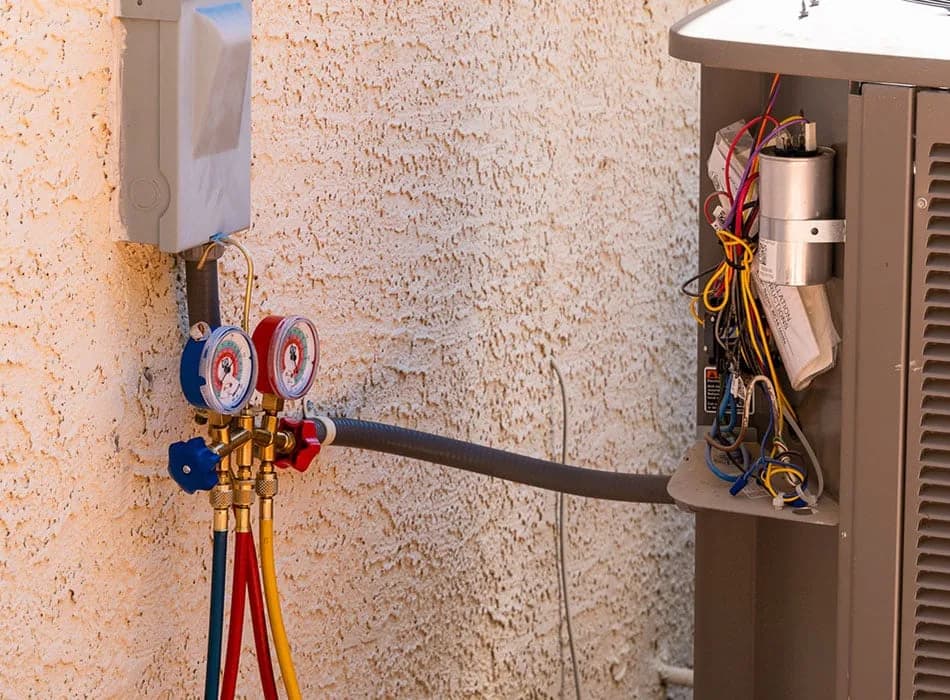
A central air conditioner has fuses in the disconnect box; if a surge occurs, the fuse blows to protect the compressor and wiring.
Pro Tip
Replace blown fuses with the exact amperage rating to keep the system safe and compliant.
“Replace blown fuses with the exact amperage rating to keep the system safe and compliant.”
Important Things to Keep in Mind
- Repeated blown fuses often indicate a deeper electrical problem.
- Fuses are common in disconnects and some older panels.
- Incorrect fuse sizing can increase fire risk or nuisance trips.
Did You Know?
Fuses predate modern circuit breakers and are still widely used for reliable, low-cost protection.
FAQ
Can I replace a blown fuse myself?
Some homeowners can, but only if power is off and the correct fuse rating is used.
Why do my HVAC fuses keep blowing?
It can signal a short, failing motor, or wiring issue that needs professional diagnosis.
Are fuses better than breakers?
Fuses are reliable and fast, but breakers are reusable and more convenient.
Related Services
Need help with fuses? Our licensed technicians in Las Vegas are ready to assist.
Share This Page
Why Homeowners Trust Us
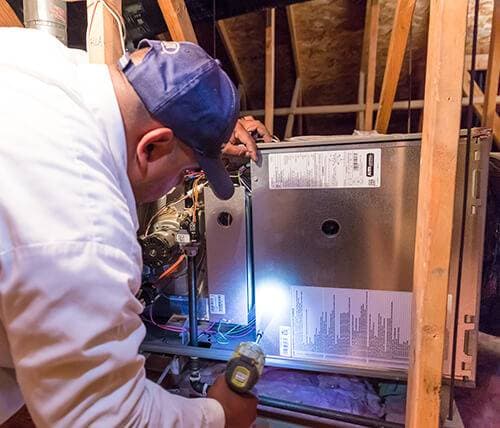

Protect Your HVAC System with Proper Electrical Safety Measures
Get a Free Estimate
Fill out the form below. Our goal is to reach you within minutes.