

Short answer: Discover HVAC maintenance tips to find your furnace in 7 common spots, learn safety checks, and know when to call a pro to avoid costly repairs.
Key Takeaways
- Use a room-by-room Manual J load calculation (not a square-foot rule).
- Select equipment with Manual S and verify ducts with Manual D for comfort and efficiency.
- Avoid oversizing: short-cycling wastes fuel and can create uneven temperatures.
Most furnaces sit in basements, attics, garages, utility closets, crawlspaces, mechanical rooms, or on rooftops. Start where ducts converge or where a chimney or vent exits the building to find the unit quickly. Check for filters, vents, and access panels before you call a technician. For technical guidance and standards, see the ASHRAE Technical Resources.
where is hvac furnace located? 7 common places to check
Many homeowners ask where is hvac furnace located when something goes wrong. Furnaces are usually placed where ducts meet or where a vent can exit the building. This reduces duct runs and limits cost. Builders also pick spots that meet code for combustion air and clearance. That is why basements, attics, and garages are common in different climates.
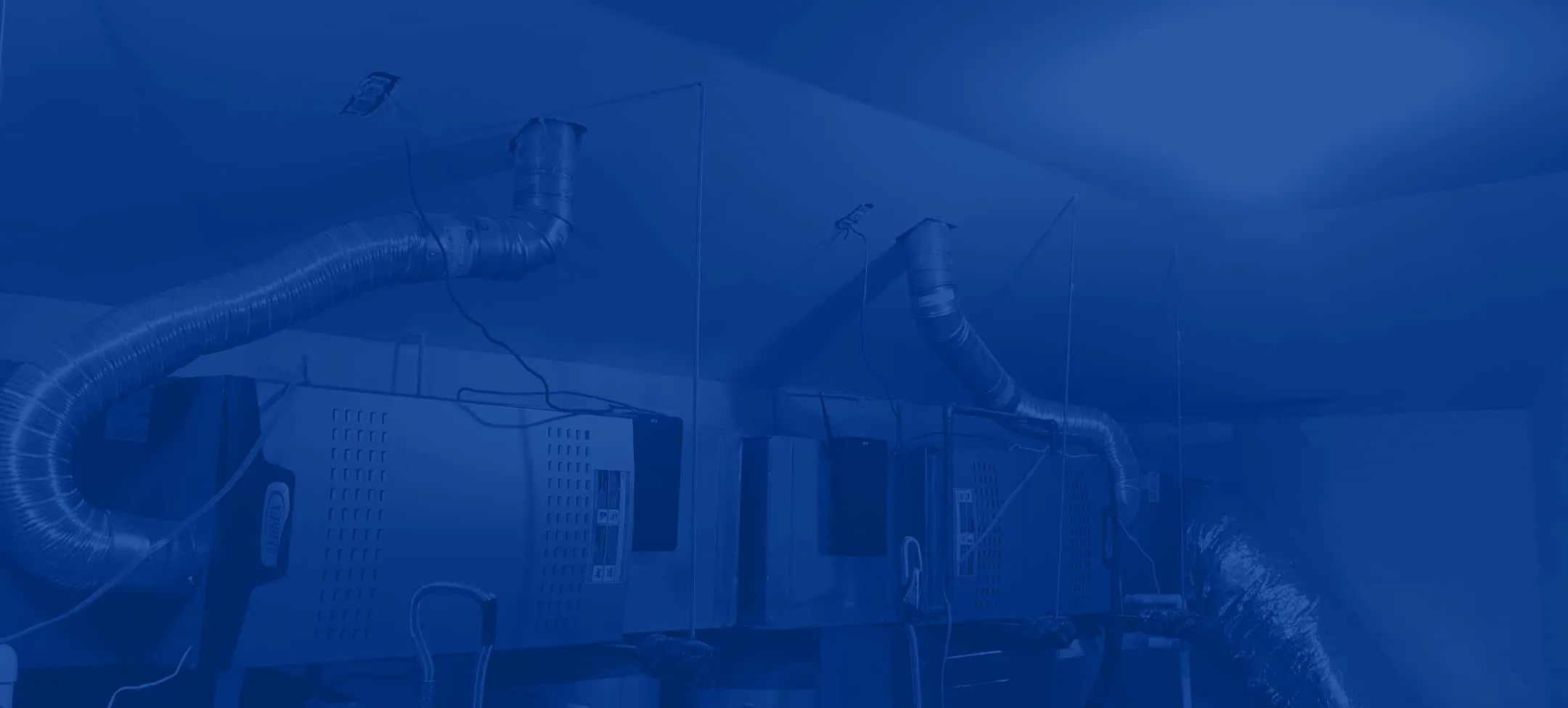
When you need to find the unit for inspection or repair, look first at where the main duct trunk runs. Follow that trunk to the largest metal box it joins. Check nearby for a flue pipe, PVC vent, or a rooftop exit. These clues point to the furnace quickly and help you document the unit for a tech.
Basement and crawlspace locations?
Basements and crawlspaces are the most common spots in many regions. Basement furnaces often sit near a chimney or a metal flue and next to other equipment like water heaters. In crawlspaces the unit is tucked under the floor with ductwork running through joist bays.
Low-mounted units face moisture and rodent risks. Inspect for rust and standing water. Our furnace maintenance checklist covers what to inspect before each heating season. Make sure there is safe, clear access before any technician works on the unit. If access is tight, labor time and costs rise.
Attic locations?
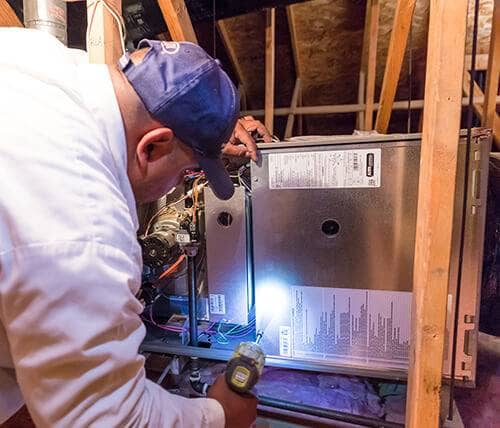
Attic furnaces are mounted on platforms above the living space. They feed ducts downward and often use condensate drains for high-efficiency models. Attic placement keeps the unit out of main living areas and saves floor space.
These units must have stable platforms, proper insulation, and safe access doors or ladders. Poor attic access increases cost for routine service and major repairs because technicians need ladders and often extra lighting.
Garage locations?
Garages offer easy outdoor access and reduce noise inside the home. Furnaces in garages are usually placed on an exterior wall and require separation from the living area to avoid ignition risks and fumes entering the house.
Garage-mounted furnaces must meet code for clearance and may need direct combustion-air openings or sealed compartments. Never block the required louvers or store items that could limit airflow.
Rooftop and package units?
Rooftop furnaces are common on commercial and some multi-unit buildings. They free indoor space and reduce indoor noise by placing the whole cabinet on the roof. These units are often combined heating and cooling packages.
Rooftop work needs lifts or cranes and careful flashing details at roof penetrations. Expect higher labor costs for replacement or major repairs compared with ground-level units.
For a detailed cost breakdown, see our HVAC pricing guide.
How to search your home to find the furnace quickly
Start by following the largest duct in your attic, basement, or ceiling space. The main trunk usually leads to the furnace. Look for where multiple duct runs meet a metal box. That junction is often on or near the furnace cabinet.
Next, check near other fuel-burning appliances. Builders commonly group water heaters, boilers, and furnaces to share a gas line and vent. Also look in closets with louvers, mechanical rooms, and behind removable panels. Take photos of the unit and its rating plate to share with a service technician.
Follow the main duct trunk?
The main duct trunk is the largest round or rectangular duct. It often runs from the furnace into the central part of the home. Track it visually or crawl into the attic or basement to trace the duct path. Where the trunk meets a metal cabinet, you will likely find the furnace.
This method works well when ducts are exposed or when the home has a central ceiling return grille. If ducts run inside walls, check utility closets and exterior walls near the largest grilles.
Look for flues, vents, and condensate lines?
A flue pipe or PVC vent usually leaves the furnace cabinet and heads to the roof or an exterior wall. High-efficiency furnaces use PVC for intake and exhaust. Older units use metal flues and chimneys. Condensate lines are common on high-efficiency models and often lead to a nearby drain.
Learn about available federal tax credits for energy-efficient HVAC equipment.
Finding these pipes helps you locate the furnace even in crowded or finished spaces. Follow vent pipes to the roof or exterior to narrow down the search.
Inspect around other combustion appliances?
Builders group gas appliances to keep piping and venting costs down. If you find a water heater or boiler, look nearby for the furnace. They often share a mechanical room or stack near a chimney.
If you see multiple appliances in one area, document the space and the gas shutoff location. That helps the technician plan work and ensures a safer, quicker repair.
Safety and serviceability: what to inspect before calling a tech?
Check basic safety items before you call. Look for rust, soot, standing water, and loose vent joints. Confirm you can reach filters, valves, and the service switch without moving fixed shelving or heavy objects. Good access affects both safety and cost.
Also verify that combustion-air openings, louvers, and vents are unblocked. A room that supplies combustion air must not be used for storage. If you see missing vents or restricted airflow, note this for the technician. They may need to add ventilation or run direct-vent piping.
Combustion-air clearance checks?
Combustion air prevents incomplete burning and keeps venting safe. Inspect the room for permanent vents or direct outdoor air piping. Look for louvered doors or wall openings that allow fresh air into the mechanical space.
If vents are blocked, remove obstructions and do not store items near the openings. For tight homes, sealed direct-vent systems that bring combustion air from outside are now common and may be required by code.
Carbon monoxide (CO) risks and alarms?
Fuel-burning furnaces can produce CO if combustion is poor or venting is blocked. Look for soot, a yellow burner flame, or rust around vent joints. These signs may indicate incomplete combustion or leaks in the vent path.
Install and test CO alarms monthly in sleeping areas and on each level of the home. If an alarm sounds, evacuate and call emergency services. For non-urgent CO concerns, document what you saw and call a licensed HVAC technician to test levels and inspect the venting.
Access and working clearances?
A service technician needs room to remove panels and work safely. A common minimum is about 30 inches of front clearance for service access. Also check that filters, electrical disconnects, and gas valves are reachable without moving large items.
If access is poor, consider adding an access panel or adjusting storage. Note difficult access when you take photos for estimates so contractors can price labor accurately.
Venting options and how they change where a furnace can go?
Venting determines many placement choices. High-efficiency furnaces use PVC pipes and can vent through walls. This gives installers more flexibility for interior placement. Older furnaces use metal flues and often need vertical chimneys or existing vents.
Long vent runs, roof penetrations, or chimney liners add material and labor costs. When you replace a unit, check whether the new model uses the same venting type. If not, budget for rerouting vents and any roof or chimney work.
Metal chimneys and vertical venting
Metal flues often route vertically through basements and roofs. If your home has an existing chimney or metal stack, installers commonly place the furnace near it to save work. These setups may suit older, lower-efficiency furnaces.
Chimney condition matters. If the flue is damaged, a liner or other repairs may be needed. That adds cost and may influence where the new furnace can be placed.
PVC venting and direct-vent systems
Put simply, high-efficiency furnaces often use PVC pipes for exhaust and intake. These pipes can exit through exterior walls, not just roofs, giving installers more placement options. Direct-vent sealed systems draw combustion air from outside and vent directly back out.
Direct-vent systems improve safety in tight homes and avoid the need for combustion-air openings in mechanical rooms. They do, however, need clear wall or roof paths for the two pipes.
Roof penetrations and flashing concerns
Any roof penetration needs proper flashing and sealing. When venting requires roof work, expect higher costs and the chance of future leaks if not done correctly. Roofing repairs may also be needed if the work disturbs shingles.
Ask contractors to list roof flashing and any roof repair work on the bid. Proper flashing and sealing reduce the risk of leaks and long-term maintenance issues.
How location affects replacement cost and project logistics
Where the furnace sits changes labor, permit needs, and material costs. Simple, in-place replacements are usually the least expensive. For a detailed breakdown, see our guide on furnace cost in Las Vegas. Moving a furnace across the house can require new duct runs, gas piping, and venting, which raises costs dramatically.
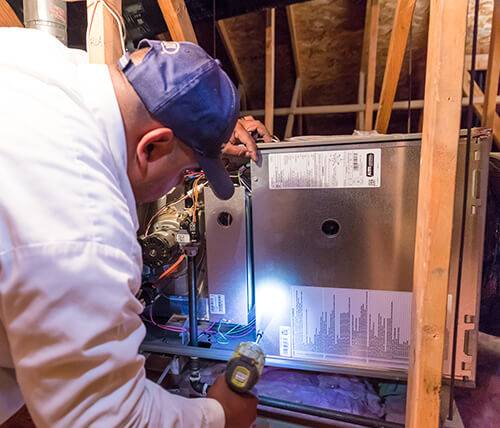
Hard-to-reach units in attics or on roofs mean more labor and special equipment. Cranes, lifts, and extra safety gear show up on the invoice. Get detailed, line-item bids so you can compare how much location drives the price.
Costs to move a furnace between rooms
Moving a unit to a new room can cost several thousand dollars. Major moves need duct rerouting, new vent stacks, gas line extensions, and possibly structural work. Permits and inspections add to the bill.
Ask for separate pricing for each trade so you can see what parts of the job add the most cost. Sometimes repairing or insulating existing ducts gives similar efficiency gains for less money than a full relocation.
Vent changes and chimney work costs
Changing vent types or adding long runs adds both materials and labor. Chimney liners, metal stacks, and roof penetrations all increase project scope. For older homes, chimney repair can be a significant portion of the total cost.
High-efficiency models use PVC and typically need less roof work, but cutting and sealing exterior walls still costs labor. Compare quotes and check warranty coverage for vent modifications.
Extra labor for hard-to-reach units
Attic and rooftop jobs often require extra time for access and safety. Technicians may need ladders, lifts, or safety harnesses. That increases labor hours and the final price.
When getting estimates, ask whether the bid includes roof access equipment, platform work, and any required building or safety scaffolding. These items can change a bid by hundreds or thousands of dollars.
When to call a licensed technician and what they must handle
Call a licensed technician for any work that affects gas lines, vents, or structural supports. Also call immediately if you smell gas, hear unusual noises from the system, or if a CO alarm triggers. Licensed pros handle testing, permits, and safe repairs.
Homeowners can do basic checks and filter changes. But testing combustion performance, measuring CO, and rerouting vents require tools and permits. Always stop and call a pro if you are unsure.
Emergency signs that require immediate help
Smelling gas, seeing a yellow flame, or hearing a hissing sound around gas piping are emergencies. They require you to leave the house, call emergency services, and notify your gas utility. Carbon monoxide alarm activation is also an emergency.
Do not re-enter the building until professionals declare it safe. These signs point to conditions that can be lethal if not addressed by trained technicians.
Basic DIY checks you can safely perform
Homeowners can replace air filters, test CO alarms, and clear light debris from outdoor vents. You can also take clear photos of the furnace nameplate, location, and vent piping before calling a contractor. These simple steps help the technician prepare and speed up estimates.
Never adjust gas valves, patch flues, or tamper with burner components. If you see soot, loose vent joints, or water around the cabinet, turn off the system and call a licensed technician.
Choosing a contractor and preparing for the visit
Hire a licensed and insured contractor who will pull permits and provide a written, line-item estimate. Our guide on choosing a furnace installation contractor covers what to verify. Ask for NATE-certified technicians if you want validated skills. Check recent reviews and ask for references from similar work in your area.
See why homeowners trust us — view our industry awards and certifications.
Provide photos, model and serial numbers, and note any access issues when you request bids. Clear expectations and documentation reduce surprises and help you compare offers fairly.
What to ask for in a written estimate
Request separate line items for parts, labor, permits, ductwork, and venting. Ask about warranties and who is responsible for roof or chimney work. Clear line items let you see where costs come from and help you compare multiple bids.
Also ask whether the technician will perform baseline combustion and CO testing after the work. A documented post-service test gives you proof that venting and combustion are safe.
Final checklist before you call for repair
Take photos of the furnace, the rating plate, vents, and the surrounding area. Note filter size, any rust, and the space clearances. Measure platform height and front clearance if the unit is elevated or in a tight space.
Keep a file with photos, previous service records, permits, and invoices. This helps both you and the technician. Replace filters every 1 to 3 months, test CO alarms monthly, and schedule annual tune-ups to extend equipment life.
You Might Also Like
Need help from a trusted HVAC pro?
If you live in Las Vegas, Henderson, or North Las Vegas, call The Cooling Company at (702) 567-0707 for fast, licensed furnace help. Our team pulls permits, handles vent and gas work, and provides line-item estimates. We also take clear photos and provide documentation after work for your records and resale needs.
If you live outside our service area, ask any contractor for NATE-certified technicians and proof of permits. Request baseline CO testing, a written scope that lists venting and ductwork, and clear line-item pricing. Good records help you avoid surprise costs and keep the system safe and code-compliant.
Summary of safety and service points
Furnace location affects safety, cost, and performance. Check for proper venting, accessible filters, and adequate combustion air. Look for signs of rust or water and keep vents clear. Document conditions, take photos, and call a licensed technician when in doubt.
A good contractor will explain options, list permit needs, and show where CO alarms should be placed. For major moves or vent changes, get at least two quotes. For Las Vegas area service, call The Cooling Company at (702) 567-0707 for licensed work in Las Vegas, Henderson, and North Las Vegas.
Sources
- ASHRAE Technical Resources: ASHRAE Technical Resources
About The Cooling Company
The Cooling Company has been serving the Las Vegas valley with professional HVAC services for over a decade. Our team of licensed, NATE-certified technicians specializes in air conditioning repair, heating system maintenance, and complete HVAC installations. We're committed to providing honest, reliable service with upfront pricing and a 100% satisfaction guarantee on all work performed.
- Phone: (702) 567-0707
- Reviews: 4.9/5 stars (500 reviews) - See reviews
Service Areas
We proudly serve homeowners and businesses throughout the Las Vegas metropolitan area, including Las Vegas, Henderson, and North Las Vegas. Our service technicians are available for same-day appointments in most areas, with emergency service available 24/7 for urgent HVAC issues.
Need HVAC Service in Las Vegas?
The Cooling Company provides expert HVAC service throughout Las Vegas, Henderson, and North Las Vegas. Our licensed technicians deliver honest assessments, upfront pricing, and reliable results.
Call (702) 567-0707 or visit furnace repair, heating services, heating maintenance, or installation for details.