

Short answer: If your electric heat won't turn on, check the dedicated breaker first — electric heaters draw heavy current and trip breakers more often than gas systems. Next, inspect the line-voltage thermostat and test heating elements for continuity. For baseboard, wall, or electric furnace issues in Las Vegas, call (702) 567-0707.
Start with a few fast checks before dialing for service. Many no-heat calls are fixed by checking the thermostat mode, replacing weak batteries, swapping a dirty filter, or resetting a tripped breaker. These simple steps are safe and often restore heat quickly. If you smell gas or hear a carbon monoxide alarm, treat it as an emergency and leave the.
Key Takeaways
- Electric heaters use dedicated high-amp breakers — check the panel first when heat stops.
- Line-voltage thermostats on baseboard and wall heaters fail differently than low-voltage models — test or replace them separately.
- Burned-out heating elements are the most common cause of no heat in electric furnaces and can be tested with a multimeter.
This guide walks through common causes, clear checks, and the next steps. It covers safety, system ID, airflow, safety switches, fuel and power, and what to prepare for a service call. Follow the sequence: verify thermostat, check power and fuel, inspect filters and vents, and then look at controls and safety devices. Keep notes and photos if you call a pro; they speed diagnosis and can reduce repair time.
Is this an emergency?
Recognizing an emergency speeds safe action. A strong gas odor, repeated carbon monoxide alarm beeps, heavy black soot around burners, or visible flame rollout are all urgent signs. When any of these appear, leave the property immediately and call 911 or the gas utility. Do not try to run the furnace or investigate ignition if dangerous odors or alarms are present.
Other urgent signs include sparks, visible fire, or a hot panel that indicates severe overheating. In these cases, the priority is safe evacuation. After alerting emergency services, contact your HVAC provider for follow up and a full safety inspection. Do not run the system until a licensed technician clears it.
What signs mean immediate danger?
A rotten egg smell usually signals a gas leak and can be life threatening. Carbon monoxide alarms that do not stop beeping indicate dangerous CO levels that require immediate evacuation. Heavy soot or black staining around the furnace may mean incomplete combustion or a cracked heat exchanger. Flame rollout where flame exits the burner area is a critical failure that demands immediate attention.
If any of these signs appear, leave the home and call emergency services. Avoid using any device that could spark, including light switches and phones, until you are outside and at a safe distance. The risk to occupants is the top priority; technicians will perform diagnostic testing once the site is safe.
Who should I call in Las Vegas?
If you are in Las Vegas, Henderson, or North Las Vegas and need quick, licensed help, contact The Cooling Company at (702) 567-0707. Their technicians are trained to handle gas and CO issues safely, perform combustion checks, and make emergency repairs when needed. For immediate danger, always call 911 first and then contact a local HVAC provider for follow up service.
If you live outside those areas, ask for NATE‑certified technicians and verify licensing and insurance before work begins. Request written estimates and diagnostics so you understand the scope and the price before committing to repairs. Local, certified technicians will follow safety protocols and provide written reports after service.
If the CO alarm sounds
A carbon monoxide alarm is not a nuisance. It signals the presence of an odorless, colorless gas that can be deadly. If it sounds, move everyone outside to fresh air and call 911. Do not re-enter the home until emergency responders declare it safe. Alert your HVAC service provider that a CO event occurred so they perform a full combustion and ventilation check of the heating system.
After a CO incident, keep records of detector activity and service reports. Consider upgrading detectors if they are old and have not been tested. Regular inspection of combustion appliances, flues, and ventilation paths lowers the chance of CO exposure.
Which system do you have?
Identifying your heating system helps determine the correct checks. Common types include gas furnaces, electric furnaces, heat pumps, and hybrid systems that use gas and electric components. Each type shows different failure signs and needs different troubleshooting steps. Knowing what you have prevents unnecessary part swaps and unsafe attempts to repair fuel-related components.
Check the outdoor equipment, the presence of a gas line, and labels on the furnace for model and fuel type. A visible gas line or a gas meter nearby means a gas furnace. Heat pumps have an outdoor compressor unit and refrigerant lines. Electric furnaces lack fuel lines and use large electric heating elements. Document the make and model label before calling a technician. That information speeds accurate parts selection and repair.
How to identify your heating type?
Look outside for an outdoor unit with a fan and refrigerant lines; that usually means a heat pump or air conditioner. A visible gas pipe to the furnace confirms gas heat. If the indoor unit has large metal fins and no gas connections, it may be electric heat. Check the furnace label or user manual for the fuel type and the model number to confirm. These details help you and the technician diagnose problems faster.
Also note how the system heats the house. If it blows warm air from vents, you have a forced-air system. Boilers and radiators heat water and are different; they show leaks or loss of pressure rather than airflow issues. Recording system details and where the major components sit in your home reduces confusion when you call for service.
How do heat pumps behave in cold weather?
Heat pumps extract heat from outside air and can run a defrost cycle when coils ice up. During defrost, the outdoor unit may stop and the system may temporarily switch to backup heat, causing a short loss of warm air at the registers. This is normal; wait 10 to 20 minutes to see if heating resumes. If it does not, or if the unit cycles constantly, call a technician to check refrigerant levels and defrost controls.
In very cold weather, heat pumps can lose efficiency and switch to electric backup heat or a gas furnace in hybrid systems. Listen for the outdoor fan and compressor and check for excessive ice build-up. If the outdoor unit is iced solid or the compressor does not start, professional service is required to check refrigerant and mechanical components.
How to spot a gas furnace vs electric
A gas furnace has a gas valve, burners, and typically a vent or flue for exhaust gases. Electric furnaces have electric heating elements and a dedicated high‑amp breaker. The gas model will have a gas shutoff near the unit or an obvious gas pipe. An electric furnace will not have fuel lines and will draw high current on clearly labeled breakers.
If you are unsure, look for the manufacturer label on the equipment and note the model and serial number. You can give these to a technician for a quick confirmation. Never attempt to work on gas lines or combustion parts without proper licensing and training.
Are airflow or vents blocking heat?
Restricted airflow is a common cause of no heat or poor heat delivery. Blocked returns, closed supply vents, and dirty filters reduce airflow. When airflow falls, the furnace can overheat and safety limits may shut burners off. Inspect vents and returns, check for furniture or drapes blocking flow, and replace dirty filters. Restoring proper airflow often fixes heating issues quickly and prevents repeated trips of safety devices.
Also inspect ducts for disconnection, damage, or heavy dust. Leaky ducts in basements or attics waste heated air and reduce performance. In homes with rooms that stay cold, check cold spots near registers and balance the system by opening and closing appropriate vents. A well-balanced system improves comfort and reduces stress on the furnace.
Are air registers open and unblocked?
Walk each room and confirm supply registers are open and unobstructed. Furniture, curtains, or rugs can block registers and reduce airflow dramatically. Small changes like opening closed registers in key rooms can improve airflow balance. If some rooms remain cold, try partially closing vents in consistently warm rooms to redistribute air to colder areas.
Also remove large debris or dust build up on registers and returns. Clean grilles with a vacuum or a damp cloth and avoid painting over louvers which can restrict flow. If registers feel warm but rooms do not heat, suspect duct issues or poor insulation rather than register position alone.
Do dirty filters reduce heat output?
A dirty filter can cut airflow and force the system to work harder. Reduced airflow can trigger a high‑limit safety switch that shuts burners to avoid heat exchanger damage. Replace disposable filters every one to three months during heavy use. Pleated filters can last longer but should still be inspected monthly during the heating season and replaced when visibly dirty.
Using a higher MERV filter can improve indoor air quality but may reduce airflow if the blower is not sized for it. Check the furnace manual for recommended filter types and consult a technician if you want to use higher efficiency filters. Regular replacement keeps airflow steady and prevents many no-heat calls.
How to check ducts and returns
Look for disconnected or crushed duct sections in basements, crawl spaces, or attics. Seal obvious gaps with HVAC foil tape or mastic and avoid duct tape that degrades with time. Check return grilles for dust and ensure they are not blocked by furniture. Poor return airflow stresses the blower and reduces overall system performance.
If you suspect significant duct leakage or poor insulation, schedule a duct inspection and sealing service. Properly sealed and insulated ducts deliver more heat to living spaces and reduce energy waste. A professional can measure static pressure and airflow to confirm system health.
Could safety switches stop heat?
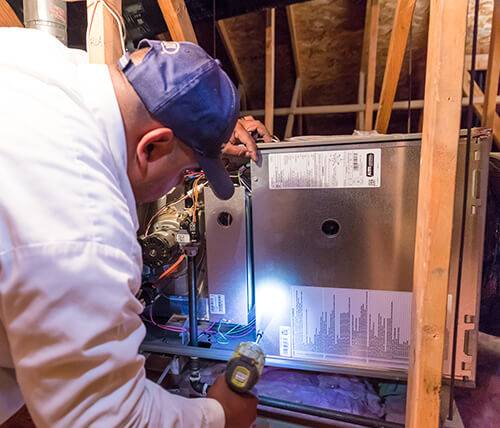
Safety switches protect the system and the home, but they also stop heat when they sense unsafe conditions. High-limit switches, pressure switches, condensate float switches, and rollout switches will prevent burners from operating if they detect overheating, blocked venting, or water in the condensate line. Finding and fixing the root cause is essential; do not bypass safety devices.
If a safety switch trips repeatedly, look for likely causes such as clogged filters, blocked vents, a failing blower motor, or blocked flues. Technicians can test safety switches, measure temperatures, and diagnose why a switch tripped. Replacing a switch without fixing the cause can hide a serious hazard.
What causes a tripped limit switch?
Limit switches trip when the heat exchanger or plenum gets too hot. This usually comes from restricted airflow due to a dirty filter, closed dampers, or a malfunctioning blower. Frequent cycling or rapidly repeated trips often point to airflow problems or blower motor failure. Resetting the switch without addressing the cause only delays needed repairs and can lead to more serious damage.
A technician will check airflow, blower motor amps, and the condition of the heat exchanger. If a cracked heat exchanger is suspected, stop using the furnace and call for professional inspection right away. Cracked exchangers can leak combustion gases into the home and create CO hazards.
How to clean a flame sensor safely
A dirty flame sensor can prevent the furnace from staying lit. To clean it, turn off power at the breaker, remove the sensor and wipe it gently with very fine emery cloth or steel wool to remove build up. Reinstall it carefully and restore power. This simple maintenance can restore reliable ignition for many systems.
If you are not comfortable working inside the furnace or the sensor is hard to access, have a technician perform the cleaning. They will also check ignition timing and burner condition to ensure safe and stable operation. Never force or bend the sensor when reinstalling it.
Is fuel or power the issue?
Loss of fuel or power is a frequent cause of no heat. Check the breaker box for tripped breakers and inspect the furnace service switch near the unit. Verify the gas shutoff valve is open for gas furnaces. For heat pumps, check that the outdoor unit has power and that the condenser fan runs. Noting sounds, lights, or visible ice helps the technician diagnose problems quickly.
If electrical breakers or fuses trip repeatedly, do not keep resetting them. Repeated trips suggest a short or a faulty component. Call an electrician or HVAC technician for safe diagnosis. For refrigerant or compressor issues in heat pumps, contact a certified HVAC contractor because refrigerant work is regulated.
Is the gas valve open and supply on?
Confirm the gas valve handle is parallel with the pipe, which typically means it is open. If other gas appliances run normally, the supply at the meter is likely fine. If you hear hissing, smell gas, or suspect a leak, leave the area immediately and call 911 or the gas company. Never attempt to repair a gas line yourself.
If the gas line is closed or a pilot light is out on older units, follow the furnace manufacturer's relighting instructions or call a technician. Modern furnaces use electronic ignition and will need professional troubleshooting for valve or control issues.
When to reset a tripped breaker?
If a breaker has tripped, switch it fully OFF and then back ON once. If it trips again immediately, stop and call a professional. Repeated resets can cause damage or hide an electrical fault. Record which breaker tripped and any conditions, such as the time of day or other appliances running, and share that information with your technician.
Labeling the furnace breaker and leaving a note on the panel with helpful data speeds future response. If your home has frequent electrical issues, have an electrician evaluate the panel and branch circuits for capacity and safety.
Final steps and when to call a pro
Document symptoms clearly before you call for service. Note thermostat settings, any error codes or LED blink patterns, odd smells, and sounds. Take photos of equipment labels, visible damage, and the thermostat display. This helps the technician prepare and often shortens diagnostic time. Keep a written account of when symptoms began and any steps you tried to fix them.
Call a licensed technician for gas smells, CO alarms, flame rollout, persistent ignition failure, cracked heat exchangers, or repeated trips of safety devices. For non-emergencies, request a prioritized inspection and ask for a written estimate. If you need fast local help in Las Vegas, Henderson, or North Las Vegas, call The Cooling Company at (702) 567-0707 for emergency and preventive heating service. Outside the area, ask for NATE‑certified techs and request written diagnostics.
What information to gather before calling
Record the model and serial number from the furnace label. Note the thermostat model and any error codes or LED patterns shown on the furnace control board. Describe recent changes, such as new filters, recent power outages, or unusual smells. Photos of labels, wiring, and any visible soot or damage are useful for technicians when they triage the call.
Also note the room temperatures and which vents feel warm or cold. If the outdoor unit is part of the system, photograph its condition and any ice buildup. The more detail you provide, the faster the technician can identify likely causes and bring the right parts.
What to expect from a technician visit
A professional will perform a visual inspection, check combustion and ventilation if the furnace is gas, measure electrical values, and test safety controls. They will look for blocked flues, cracked heat exchangers, and proper flame characteristics. Expect them to check blower operation, pressure switches, and limit switches, and to test thermostat operation and wiring.
Ask for a written report of findings and a clear estimate before work begins. For safety issues, request a follow up check after repairs to confirm the system is operating normally. If the technician recommends replacement rather than repair, ask for the reasons and options so you can make a cost‑aware decision.
You Might Also Like
This aspect deserves careful consideration as you evaluate your options. Understanding the details helps you make more informed decisions. Consulting with qualified professionals provides additional insights specific to your situation. Take time to consider how this information applies to your particular needs and circumstances. Making well-informed choices typically leads to better long-term outcomes and greater satisfaction.
- rheem service professionals vegas
- troubleshooting hvac odors
- ruud furnace problems
- trane furnace repair henderson
- how much to install hvac system in old house
Need HVAC service help in Las Vegas?
If you're facing an HVAC emergency in Las Vegas, Henderson, or North Las Vegas, The Cooling Company offers fast, reliable service from licensed technicians. We understand that heating and cooling emergencies don't wait for business hours.
Call us now at (702) 567-0707 for emergency service. Our team is ready to help restore your comfort quickly and safely.
About The Cooling Company
The Cooling Company has been serving the Las Vegas valley with professional HVAC services for over a decade. Our team of licensed, NATE-certified technicians specializes in air conditioning repair, heating system maintenance, and complete HVAC installations. We're committed to providing honest, reliable service with upfront pricing and a 100% satisfaction guarantee on all work performed.
- Phone: (702) 567-0707
- Reviews: 4.8/5 stars (780+ reviews) - See reviews
Service Areas
We proudly serve homeowners and businesses throughout the Las Vegas metropolitan area, including Las Vegas, Henderson, and North Las Vegas. Our service technicians are available for same-day appointments in most areas, with emergency service available 24/7 for urgent HVAC issues.
References
- U.S. Department of Energy (Energy.gov) (accessed 2026-01-02)
- U.S. Environmental Protection Agency (EPA) (accessed 2026-01-02)
- ASHRAE (Standards and guidance) (accessed 2026-01-02)
- ENERGY STAR (Heating & cooling) (accessed 2026-01-02)
Need HVAC Service in Las Vegas?
The Cooling Company provides expert HVAC service throughout Las Vegas, Henderson, and North Las Vegas. Our licensed technicians deliver honest assessments, upfront pricing, and reliable results.
Call (702) 567-0707 or visit heating services, furnace repair, heat pump installation, or heating maintenance for details.