

BTU (British Thermal Unit)
A British Thermal Unit (BTU) is the standard measurement of heat energy used in the HVAC industry. One BTU equals the amount of energy needed to raise the temperature of one pound of water by one degree Fahrenheit. In heating and cooling, BTUs describe how much heat a system can add or remove from a space per hour. A furnace rated at 80,000 BTU can produce that much heat output, while an air conditioner rated at 36,000 BTU (3 tons) can remove that much heat. Proper BTU sizing ensures your system can handle your home's heating and cooling demands without short-cycling or running continuously.
💡 Key Takeaways
- ✓A British Thermal Unit (BTU) is the standard measurement of heat energy used in the HVAC industry. One BTU equals the amount of energy needed to raise the temperature of one pound of water by one degree Fahrenheit. In heating and cooling, BTUs describe how much heat a system can add or remove from a space per hour. A furnace rated at 80,000 BTU can produce that much heat output, while an air conditioner rated at 36,000 BTU (3 tons) can remove that much heat. Proper BTU sizing ensures your system can handle your home's heating and cooling demands without short-cycling or running continuously.
- ✓One ton of cooling equals 12,000 BTU per hour, so a 3-ton AC unit provides 36,000 BTU of cooling capacity.
- ✓A system with too many BTUs for your space will short-cycle, increasing wear, reducing dehumidification, and wasting energy.
- ✓BTU output and BTU input are different, furnace efficiency determines how much input energy becomes usable heat.
BTU (British Thermal Unit)
/ˌbiː tiː ˈjuː/ /ˈbrɪtɪʃ ˈθɜːrməl ˈjuːnɪt/
Definition
A British Thermal Unit (BTU) is the standard measurement of heat energy used in the HVAC industry. One BTU equals the amount of energy needed to raise the temperature of one pound of water by one degree Fahrenheit. In heating and cooling, BTUs describe how much heat a system can add or remove from a space per hour. A furnace rated at 80,000 BTU can produce that much heat output, while an air conditioner rated at 36,000 BTU (3 tons) can remove that much heat. Proper BTU sizing ensures your system can handle your home's heating and cooling demands without short-cycling or running continuously.
What is a BTU in HVAC?
A BTU is a unit of heat energy. In HVAC, it measures how much heat a system can add or remove per hour. Higher BTU ratings mean greater heating or cooling capacity.
Source: The Cooling Company

Quick Facts
How BTU (British Thermal Unit) Works
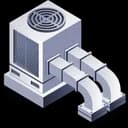
BTU measures how much heat your system can add or remove per hour.
Real-World Application
When shopping for a new air conditioner or furnace in Las Vegas, the BTU rating tells you the system's capacity. A home that needs 48,000 BTU of cooling requires a 4-ton AC unit. Undersized units struggle to keep up during 115°F summer days, while oversized units short-cycle and waste energy.
Pro Tip
Never choose an HVAC system based on BTU alone. A proper Manual J load calculation accounts for your home's square footage, insulation, windows, orientation, and local climate to determine the exact BTU capacity you need.
“Never choose an HVAC system based on BTU alone. A proper Manual J load calculation accounts for your home's square footage, insulation, windows, orientation, and local climate to determine the exact BTU capacity you need.”
Important Things to Keep in Mind
- One ton of cooling equals 12,000 BTU per hour, so a 3-ton AC unit provides 36,000 BTU of cooling capacity.
- A system with too many BTUs for your space will short-cycle, increasing wear, reducing dehumidification, and wasting energy.
- BTU output and BTU input are different, furnace efficiency determines how much input energy becomes usable heat.
Did You Know?
The term 'British Thermal Unit' dates back to the 1800s and remains the primary energy measurement for HVAC in the United States, even though most other countries use kilowatts.
FAQ
How many BTUs do I need to cool my home?
It depends on square footage, insulation, climate, and other factors. A rough estimate is 20-25 BTU per square foot in hot climates like Las Vegas, but a Manual J calculation provides the accurate answer.
Is a higher BTU always better?
No. An oversized system short-cycles, wears out faster, and does a poor job controlling humidity. The right BTU rating is the one that matches your home's actual load.
What is the difference between BTU input and BTU output?
BTU input is the total energy consumed. BTU output is the usable heat delivered. The difference is lost to inefficiency. A 95% efficient furnace converts 95% of input BTUs into output heat.
Related Services
Need help with btu (british thermal unit)? Our licensed technicians in Las Vegas are ready to assist.
Share This Page
Why Homeowners Trust Us

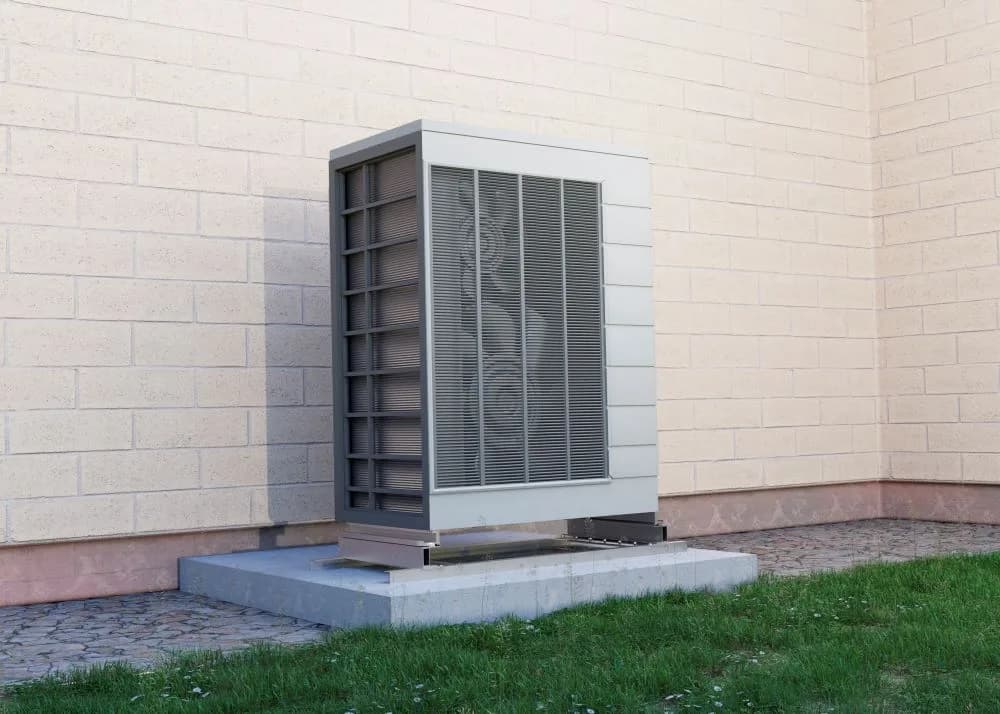

Get Properly Sized HVAC with a Professional Load Calculation
Get a Free Estimate
Fill out the form below. Our goal is to reach you within minutes.