

A carbon footprint is the total amount of greenhouse gases (GHGs) emitted directly or indirectly by a person, organization, product, or activity. Measured in carbon dioxide equivalents (CO2e), it includes energy use, transportation, food, and the production of goods and services. Reducing a carbon footprint helps mitigate climate change by targeting major emission sources.
/ˈkɑːrbən ˈfʊtprɪnt/
A carbon footprint is the total amount of greenhouse gases (GHGs) emitted directly or indirectly by a person, organization, product, or activity. Measured in carbon dioxide equivalents (CO2e), it includes energy use, transportation, food, and the production of goods and services. Reducing a carbon footprint helps mitigate climate change by targeting major emission sources.
What is a carbon footprint?
It is the total greenhouse gas emissions caused by a person, product, or activity, measured in CO2e.
Source: The Cooling Company

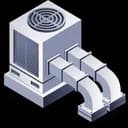
Energy use, transportation, and consumption drive emissions.
Homeowners can reduce emissions by upgrading to efficient HVAC systems, improving insulation, and using smart thermostats to cut energy use.
Start with a footprint assessment, then prioritize high-impact actions like efficiency upgrades and renewable energy.
“Start with a footprint assessment, then prioritize high-impact actions like efficiency upgrades and renewable energy.”
The carbon footprint concept gained traction in the 1990s as a way to quantify climate impact.
How can I reduce my carbon footprint at home?
Improve insulation, upgrade HVAC equipment, use smart thermostats, and choose renewable energy where possible.
Is a smaller carbon footprint always better?
Yes. Lower emissions reduce climate impact and often lower energy costs.
Do carbon offsets replace the need to reduce emissions?
No. Offsets should complement, not replace, real reductions.
Need help with carbon footprint? Our licensed technicians in Las Vegas are ready to assist.
Fill out the form below. We typically respond within minutes.