

A circuit breaker is an automatic electrical switch that protects a circuit from overloads and short circuits by interrupting power when a fault is detected. Unlike fuses, breakers can be reset after tripping, making them a safe, reusable protection device for homes and buildings.
/ˈsɜːkɪt ˈbreɪkər/
A circuit breaker is an automatic electrical switch that protects a circuit from overloads and short circuits by interrupting power when a fault is detected. Unlike fuses, breakers can be reset after tripping, making them a safe, reusable protection device for homes and buildings.
What does a circuit breaker do?
It stops electrical flow during overloads or faults to protect wiring, equipment, and people.
Source: The Cooling Company

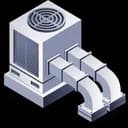
Breakers protect circuits by cutting power during faults.
If an HVAC system draws too much power, the breaker trips to stop current flow and prevent equipment damage or fire risk.
Label your breaker panel and investigate frequent trips—they can signal an overloaded circuit or equipment issue.
“Label your breaker panel and investigate frequent trips—they can signal an overloaded circuit or equipment issue.”
Circuit breakers became widespread in the early 20th century, greatly improving electrical safety.
Why does my circuit breaker keep tripping?
It could be an overloaded circuit, a short, or a failing appliance. Persistent trips should be evaluated by a professional.
Is it safe to reset a breaker?
Yes, if the issue is resolved. If it trips again immediately, leave it off and call a technician.
Do I need GFCI breakers?
They are recommended for wet areas like kitchens, bathrooms, and outdoor circuits.
Fill out the form below. We typically respond within minutes.