

A compressor is the heart of an HVAC cooling system. It pressurizes refrigerant and circulates it through the system so heat can be absorbed indoors and released outdoors. Common compressor types include reciprocating, scroll, screw, and centrifugal, each suited for different capacities and efficiency needs.
/kəmˈprɛsər/
A compressor is the heart of an HVAC cooling system. It pressurizes refrigerant and circulates it through the system so heat can be absorbed indoors and released outdoors. Common compressor types include reciprocating, scroll, screw, and centrifugal, each suited for different capacities and efficiency needs.
What does a compressor do in HVAC?
It pressurizes refrigerant so it can move heat through the system, enabling effective cooling.
Source: The Cooling Company

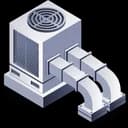
Compressors drive refrigerant flow and heat transfer.
In a residential AC system, the compressor raises refrigerant pressure so it can release heat outside and cool the indoor air effectively.
Keep coils clean and refrigerant levels correct to avoid compressor strain and premature failure.
“Keep coils clean and refrigerant levels correct to avoid compressor strain and premature failure.”
Modern variable‑speed compressors can adjust output to reduce energy use and improve comfort.
How long does an HVAC compressor last?
Often 10–15 years, depending on maintenance, climate, and system quality.
Can a compressor be repaired?
Some issues can be repaired, but severe failures often require replacement.
What causes compressor failure?
Low refrigerant, dirty coils, electrical issues, or overheating are common causes.
Need help with compressor? Our licensed technicians in Las Vegas are ready to assist.
Fill out the form below. We typically respond within minutes.

