

A condensate pump removes water produced by HVAC systems, condensing furnaces, or boilers when gravity drainage is not possible. It collects condensate in a reservoir and automatically pumps it through a discharge line to a safe drain point, preventing overflow, moisture damage, and mold growth.
/ˈkɒndənseɪt pʌmp/
A condensate pump removes water produced by HVAC systems, condensing furnaces, or boilers when gravity drainage is not possible. It collects condensate in a reservoir and automatically pumps it through a discharge line to a safe drain point, preventing overflow, moisture damage, and mold growth.
When do you need a condensate pump?
When the HVAC unit sits below the drain line or gravity drainage is not possible, a pump is required.
Source: The Cooling Company

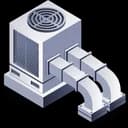
Pumps lift condensate to a drain when gravity can’t.
Basement HVAC units often rely on condensate pumps to lift water to a higher drain line, preventing leaks and moisture damage.
Inspect the pump and discharge line regularly and test the safety switch before peak cooling season.
“Inspect the pump and discharge line regularly and test the safety switch before peak cooling season.”
High‑efficiency HVAC systems create more condensate, making pumps more common than ever.
How do I know if my condensate pump is failing?
Signs include water around the unit, unusual noises, or the system shutting off due to a triggered safety switch.
Can I clean a condensate pump myself?
Basic cleaning is possible, but persistent issues or wiring problems should be handled by a technician.
How often should a condensate pump be replaced?
Many last 5–10 years depending on use and maintenance.
Need help with condensate pump? Our licensed technicians in Las Vegas are ready to assist.
Fill out the form below. We typically respond within minutes.


